
EV Charger Installation, Coordinated in Your Project
A home EV charger installation adds a dedicated 240-volt Level 2 circuit from your panel to the garage or driveway, sized by a load calculation so the charger never competes with the rest of the house. Grandview Contractors coordinates these installs across Utah County and Salt Lake County under a Utah DOPL B100 general contractor license, managing licensed electricians and handling permit, inspection, and any trenching.
When an EV charger circuit is enough, and when it isn’t
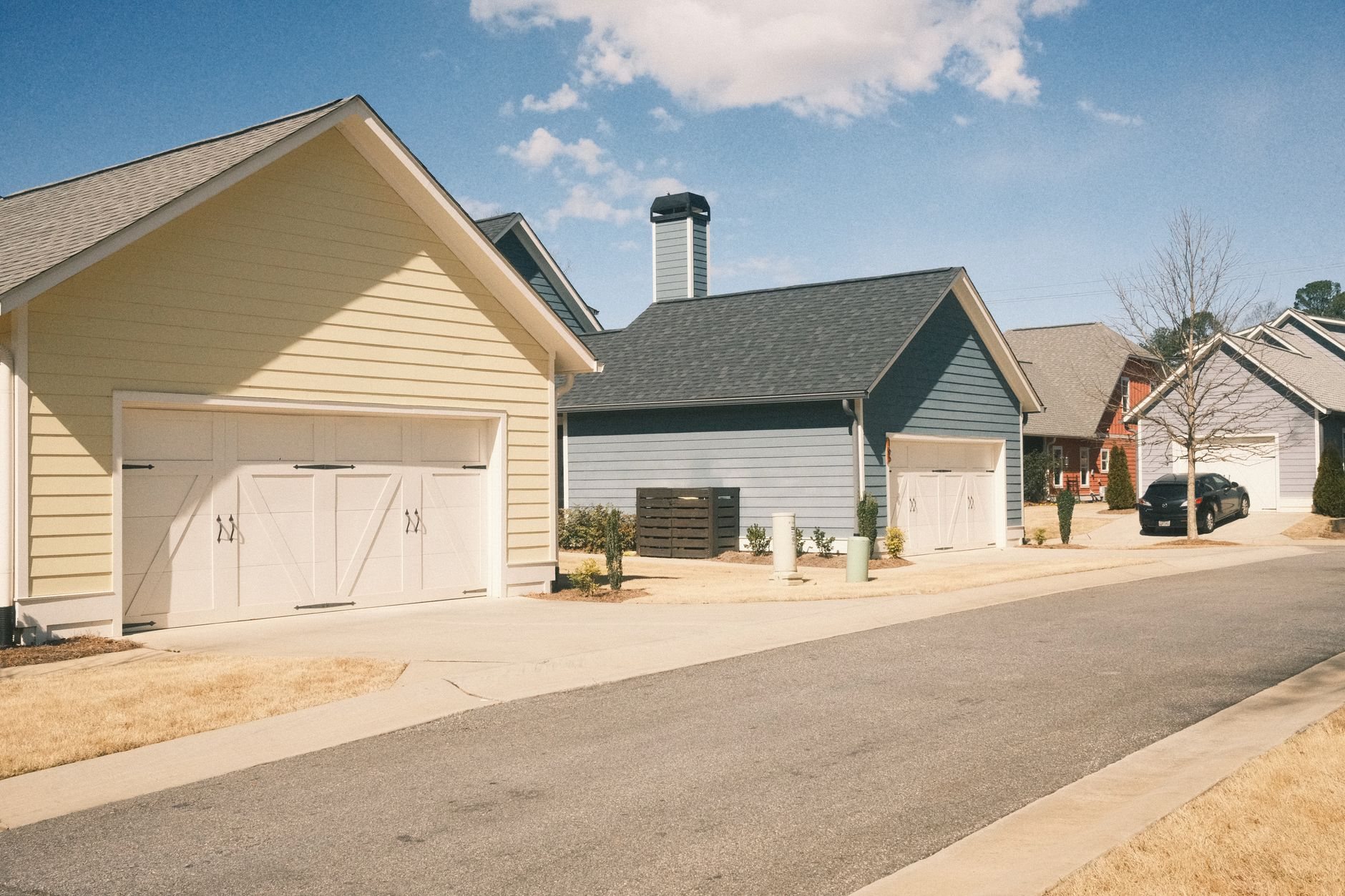
A standalone charger circuit is the right scope when your service has headroom. A healthy 200-amp panel in a gas-heated home usually carries a 48-amp charger without drama. The load calculation under current Utah-adopted code settles it, and we run it before you buy the charger, because its amperage sets the breaker, the wire, and sometimes the whole answer.
It stops being enough when the math says no. A 100-amp service already feeding an electric range and a cold-climate heat pump has nothing left, and the honest path is an electrical panel upgrade with the charger circuit landed in the new panel. If the main has capacity but no open slots, or the charger lives in a detached garage, an electrical sub-panel often costs less than a long dedicated run. Two cars, or a charger alongside home battery backup, usually means a panel conversation. Multi-station parking for a business or HOA is commercial EV charging station installation, a different project.
Hardwired or plug-in, 40 or 48 amps
Level 2 chargers come in two forms. A plug-in unit uses a NEMA 14-50 receptacle on a 50-amp circuit and tops out at 40 amps. A hardwired unit connects directly and runs at 48 amps on a 60-amp breaker, roughly 20 percent more range per hour. Hardwiring also sidesteps a detail current Utah-adopted code cares about: a 14-50 receptacle in a garage needs GFCI protection, and some chargers nuisance-trip on GFCI breakers. We recommend hardwiring at 48 amps unless you need the receptacle for a welder or an RV.
EV charging is a continuous load, so the circuit is sized at 125 percent of the charger’s draw: a 48-amp charger needs 6 AWG copper on a 60-amp breaker. Chargers with dynamic load management throttle themselves when the house is busy, which sometimes lets a smaller service carry one. The U.S. Department of Energy’s home charging guidance is a fair primer on Level 1 versus Level 2 before we talk hardware.
What an EV charger installation involves
Grandview holds the contract and manages licensed electricians for this work; we coordinate, sequence, and quality-check it within your project. Their license and ours are verifiable at dopl.utah.gov. A straightforward install is one day on site; the calendar depends on the permit queue.
- Load calculation and charger selection. We confirm the service can carry the charger you want, or tell you which amperage it can.
- Route and mounting plan. Basement panel to garage wall, through joist bays or surface conduit, charger height set to the charge port.
- Permit. One electrical permit from your city. Homes on Provo Power or Lehi Power sometimes need a utility heads-up as well.
- Rough and finish. Conductors pulled, breaker set, charger hardwired or receptacle installed, and whole-house surge protection added if the panel lacks it.
- Inspection and commissioning. We check terminations and labeling before the city inspector arrives, then test the charger at full output with your car connected.
Detached garages add a trench. Conduit between buildings is buried to code depth, and on bench lots in Alpine, Highland, or Draper that means rocky, collapsible soils, so we scope the dig honestly up front. Winter matters too: Wasatch Front cold cuts EV range, which makes an overnight charger at home less a convenience than the plan. A charger added during a remodel electrical scope folds into that permit and schedule.
What EV charger installation costs in Utah County
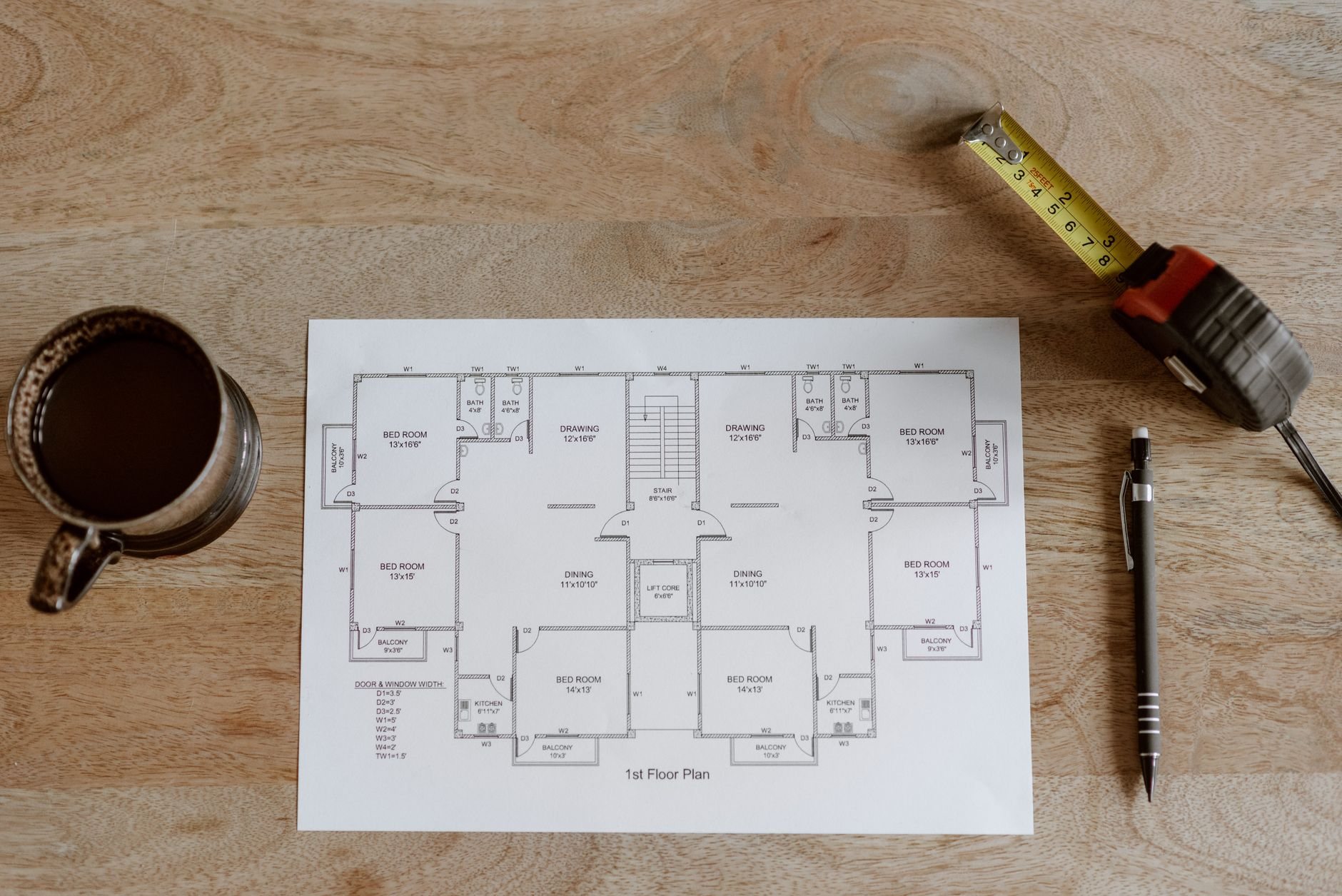
As ballpark planning numbers rather than a quote: a hardwired Level 2 circuit with the panel in or beside the garage typically runs in the high hundreds to low thousands along the Wasatch Front, charger hardware excluded. Long runs, trenching to a detached garage, or load-management equipment push it into the low-to-mid thousands. If a panel upgrade is required, the charger becomes a small line item inside that budget. Utility rebates come and go; we tell you what is current when we quote.
- Distance and route. Thirty feet through open joists and ninety feet of conduit around a finished basement are different jobs.
- Panel condition. A full panel or a Federal Pacific or Zinsco brand becomes work we price separately and never bury.
- HOA review. Driveway-mounted chargers in newer Lehi, Vineyard, and Daybreak developments can need HOA approval before the permit.
Questions we actually get
Can my 100-amp panel handle an EV charger?
Sometimes. A 100-amp service with gas heat, gas water heating, and a gas range often carries a 32-amp or 40-amp charger once the load calculation is run. Add electric heat or an electric range and it usually can’t. Load management can shift that answer; a panel upgrade settles it.
Should I buy the charger before you come out?
Please don’t. The charger’s amperage sets the breaker and wire size, and a 48-amp unit bought for a panel that can only support 32 amps either gets derated or sits in its box. Tell us the car; we confirm capacity first, then recommend hardware that fits.
Do I need a permit for a home EV charger in Utah?
Yes. A new 240-volt circuit requires an electrical permit and inspection in every city we serve, and skipping it can complicate insurance claims and a future sale. We pull it, schedule the inspection, and close it out as part of the job.
Can the charger go outside on the driveway?
Yes, with an outdoor-rated unit mounted where the cable stays off the walkway. Utah UV and freeze-thaw are hard on cables and connectors, so we spec accordingly, and we check HOA rules before anything goes on a visible wall. Hardwired is cleaner outdoors than a receptacle.
This is one of the electrical scopes under our MEP and systems coordination, part of renovation and build-outs. If the charger belongs in a new detached garage, the circuit gets designed into the build.
Tell us what you’re working on
We reply within a couple of hours during business hours, a day at most. You’ll get a straight read on whether your service can carry the charger you want, and a budget range, before anyone commits to anything.