
Commercial EV Charging Stations
Commercial EV charging station installation puts multiple networked chargers in a parking lot or fleet yard, with the utility service, trenching, pads, and striping sized for the whole site rather than one car. Grandview Contractors coordinates these projects for apartment communities, HOAs, offices, hotels, and fleets across Utah County and Salt Lake County under a Utah DOPL B100 general contractor license, managing licensed electricians with the site work under one contract.
When multi-station charging is the right scope, and when it isn’t
This is the right page when chargers serve a property instead of a household: a twelve-stall EV section at an apartment community in Lehi, four dual-port pedestals behind an Orem office, a fleet yard in West Valley City that needs every van charged by 6 a.m. The site decides these projects: available utility power, conduit distance, and how the lot gets cut open and put back.
A single Level 2 circuit in a garage is an EV charger installation scoped from one panel. A tenant adding a charger or two inside a leased space usually folds it into a commercial electrical fit-out. If the building’s main service is already at its limit, the project starts as an electrical service upsize.
Level 2 or DC fast charging?
Level 2 commercial chargers deliver roughly 7 to 19 kW per port on 208- or 240-volt circuits, enough to fill most vehicles overnight or across a workday, which fits apartments, offices, and hotels. DC fast chargers deliver 50 to 350 kW on 480-volt three-phase power and fill a battery in under an hour, which suits retail frontage and fleet depots. The U.S. Department of Energy’s Alternative Fuels Data Center has a plain comparison.
The electrical consequence is the real difference. Eight Level 2 ports at 40 amps each is a 320-amp continuous load before load management; a pair of 150-kW fast chargers means a new utility transformer and switchgear almost every time. Power-sharing chargers that throttle across a bank let more ports live on a smaller service, and networked (OCPP) units handle access and billing. For multifamily, conduit to twenty EV-ready stalls while the lot is open and eight chargers today is usually the smart version of the project.
What a commercial EV charging installation involves
Grandview holds the contract and manages licensed electricians for the power side; we coordinate, sequence, and quality-check their work within the project. Trenching, pads, patching, and striping run under the same contract, so one schedule covers the lot from meter to painted stall.
- Utility and load study. We confirm what the serving utility can deliver, whether Rocky Mountain Power or a municipal provider like Provo Power or Lehi Power, and how long a new transformer takes. The study decides port counts and whether load management is the cheaper path.
- Site and electrical design. Charger locations, conduit routes, switchgear, and lighting on one drawing. Accessible EV spaces need a charger-side access aisle and reachable connector per ADA guidance on EV charging, designed in before the lot gets cut.
- Permits. Electrical and site permits, utility service applications, and HOA approvals where needed.
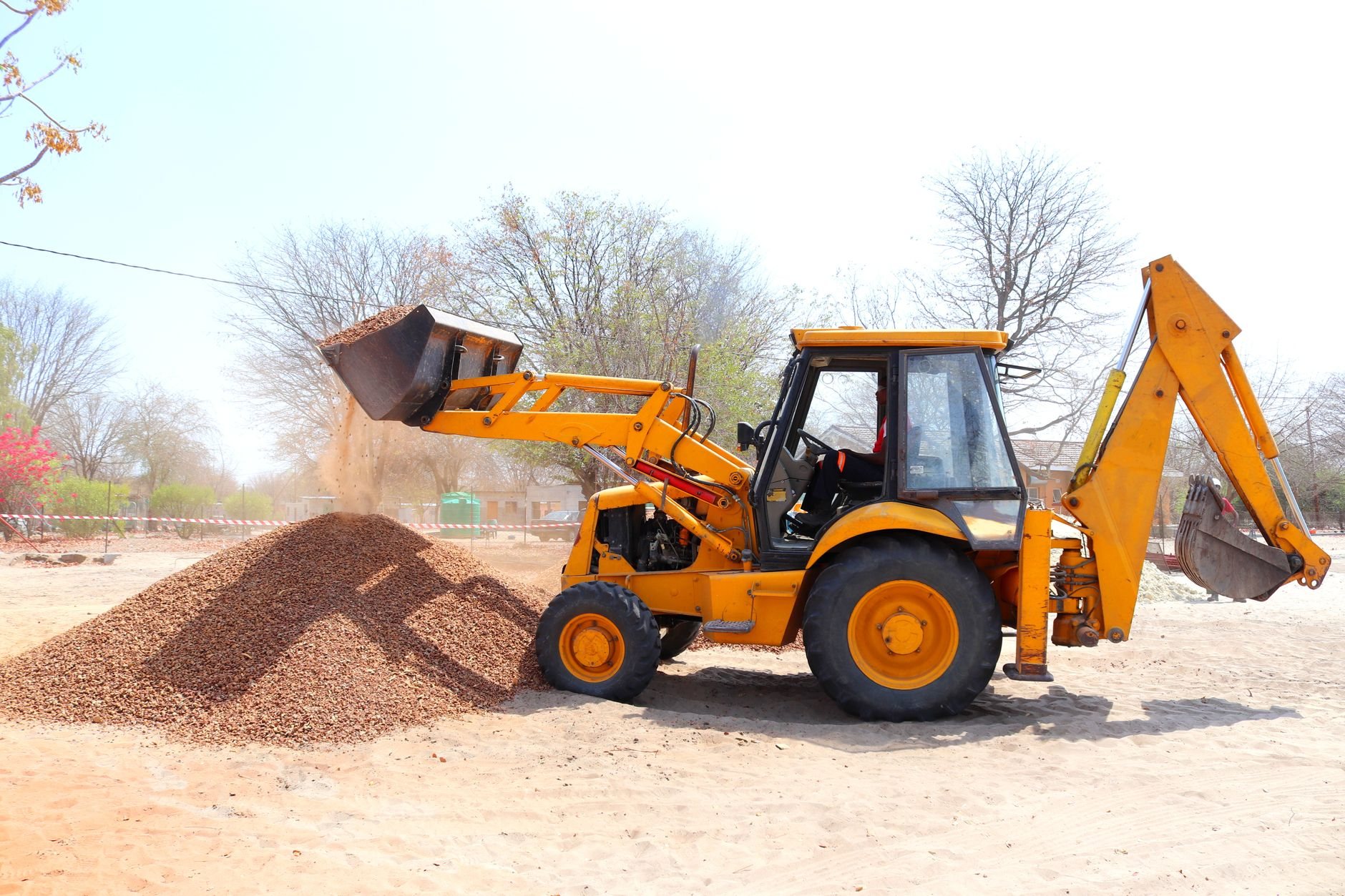
- Trenching and conduit. Asphalt saw-cut, trench to code depth, conduit laid with spare raceways for future stalls. On bench lots in Draper or Alpine the trench meets cobble and collapsible soils, so we scope the dig honestly up front.
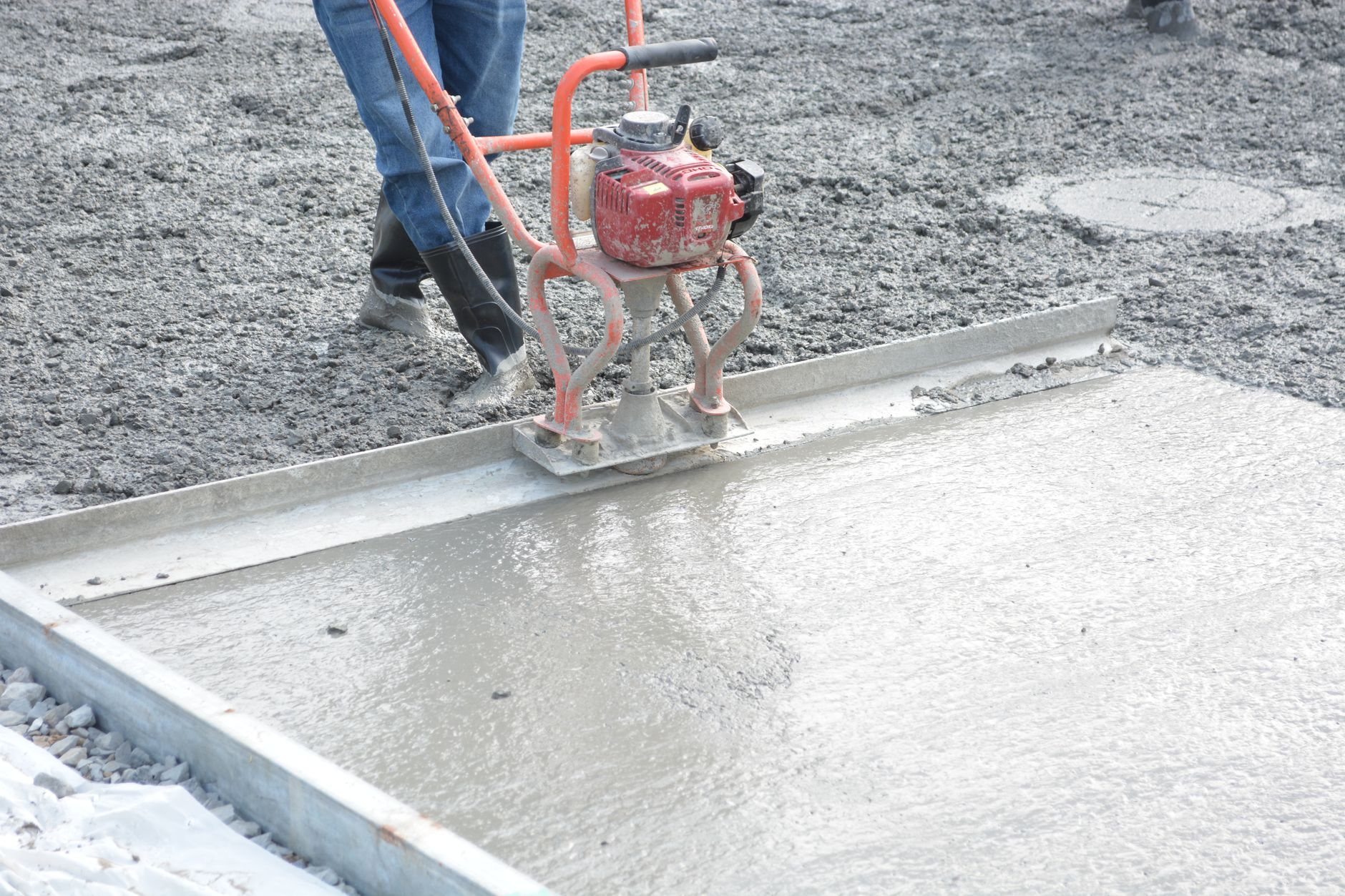
- Pads, pedestals, and protection. Air-entrained concrete pads for the Wasatch Front’s hundred-plus freeze-thaw days a year, bollards set to survive a plow blade, pedestals mounted above packed-snow height.
- Gear, chargers, patch, and stripe. Panels, feeders, and chargers installed with surge protection at the gear; asphalt patched, stalls striped, signage posted.
- Commission and hand off. Every port tested at full output, billing verified, permits closed, as-builts delivered.
The asphalt patching is not a footnote. A trench across a lot that gets plowed and freeze-thawed every winter either gets compacted and sealed correctly or becomes next spring’s pothole.
What commercial EV charging costs in Utah
As ballpark planning numbers rather than a quote: a bank of networked Level 2 ports on a lot with service to spare typically runs in the low-to-mid thousands per port installed along the Wasatch Front, climbing with trench length. Sites that need a new transformer, switchgear, or a long feeder move into the mid-to-high five figures before a charger is mounted. DC fast charging is a six-figure site project nearly every time. Utility and federal incentives for commercial charging exist and change; we tell you what is current when we quote.
- Available power. Spare capacity at the main is the biggest cost lever. Load management can stretch it; a transformer cannot be avoided once it’s needed.
- Trench length and surface. Thirty feet along a wall and three hundred feet across a lot are different projects; concrete costs more to cut and restore than asphalt.
- Lead times. Provo and Salt Lake City reviews run predictably; fast-growth Lehi and Eagle Mountain can queue differently, and the utility transformer usually sets the real calendar.
Questions we actually get
How many EV chargers can our existing electrical service support?
It depends on the load study, not the panel label. A 400-amp service with modest tenant loads often carries six to eight Level 2 ports once power-sharing is used; the same service already feeding electric heat or a commercial kitchen may carry two. We run the study first and give you the number before hardware is ordered.
Can we add chargers to an apartment community without disrupting residents?
Mostly. Trenching and patching are phased by parking section so stalls come offline a few at a time, and power tie-ins happen in a short, announced window. Winter installs are possible, but asphalt patching waits for plant temperatures, so a cold-season project may stripe in spring.
What moves the cost of commercial EV charging up or down?
Available service capacity, trench length, and charger level, in that order. A site with spare amps, a short run, and Level 2 ports is a modest project; one needing a transformer or DC fast charging is not. Stubbing conduit for future stalls while the lot is open is the cheapest decision you can make.
Commercial charging is one of the electrical scopes inside our MEP and systems coordination, part of renovation and build-outs. It pairs with solar and battery storage on sites offsetting demand charges, and with commercial backup power for fleets that cannot wait out an outage.
Tell us what you’re working on
We reply within a couple of hours during business hours, a day at most. You’ll get a straight read on how many ports your site can carry and a budget range before anyone commits to anything.