
Stair Runner & Stair Carpet Installation in Utah
A stair runner is a strip of carpet fitted down the center of a staircase with wood showing on both sides; stair carpet covers every tread and riser edge to edge. Grandview Contractors installs both across Utah County and Salt Lake County under a Utah DOPL B100 general contractor license, fitting each step individually so the carpet stays tight where feet land hardest.
When a runner is the right call, and when full stair carpet is
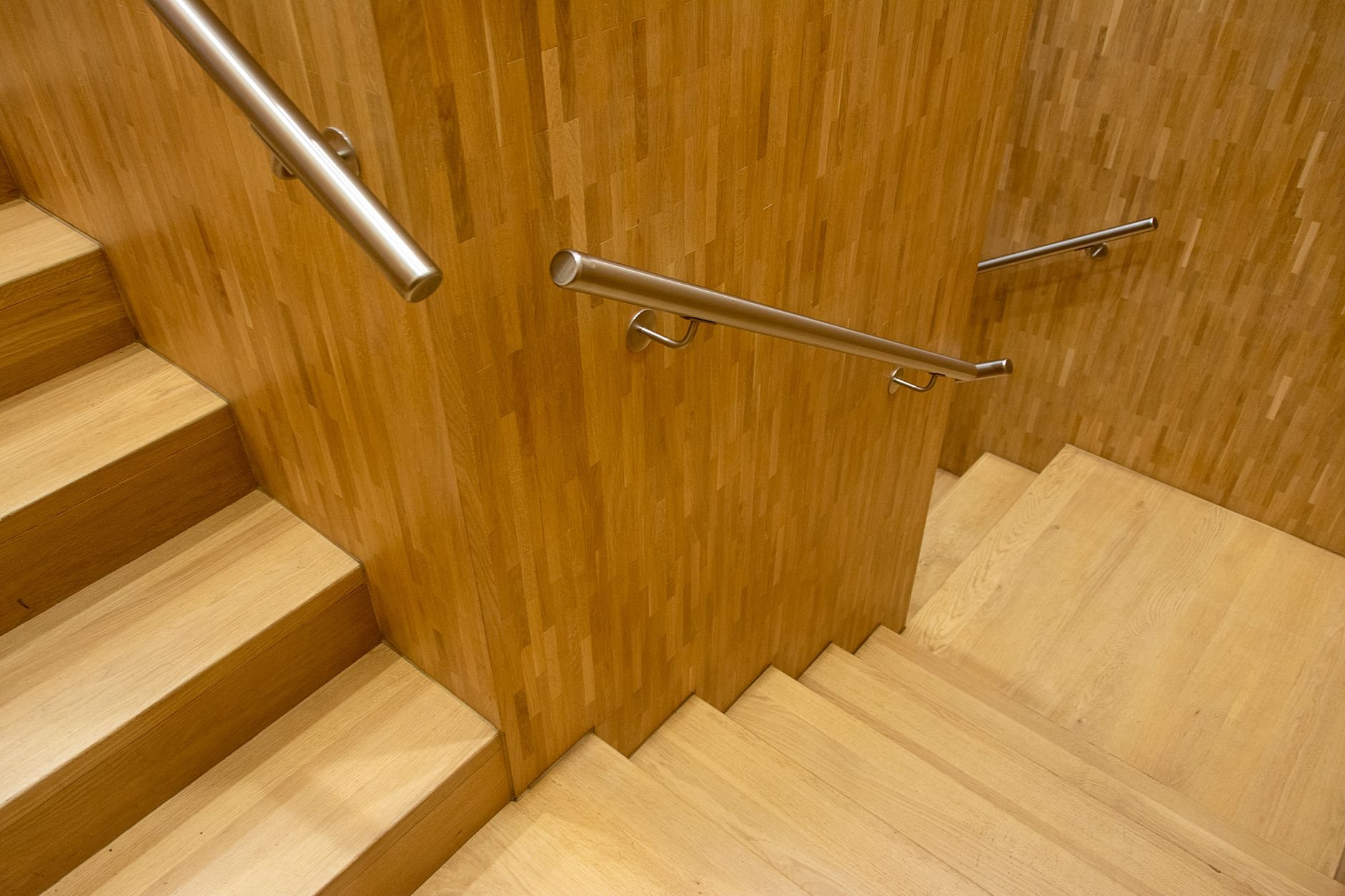
Choose a runner when the stair underneath is worth seeing: finished hardwood treads, painted risers, or a flight you just had sanded through our hardwood refinishing service. It’s also the honest choice on an open-sided stair with a metal railing, because full carpet on an open tread means upholstering the exposed end of every step.
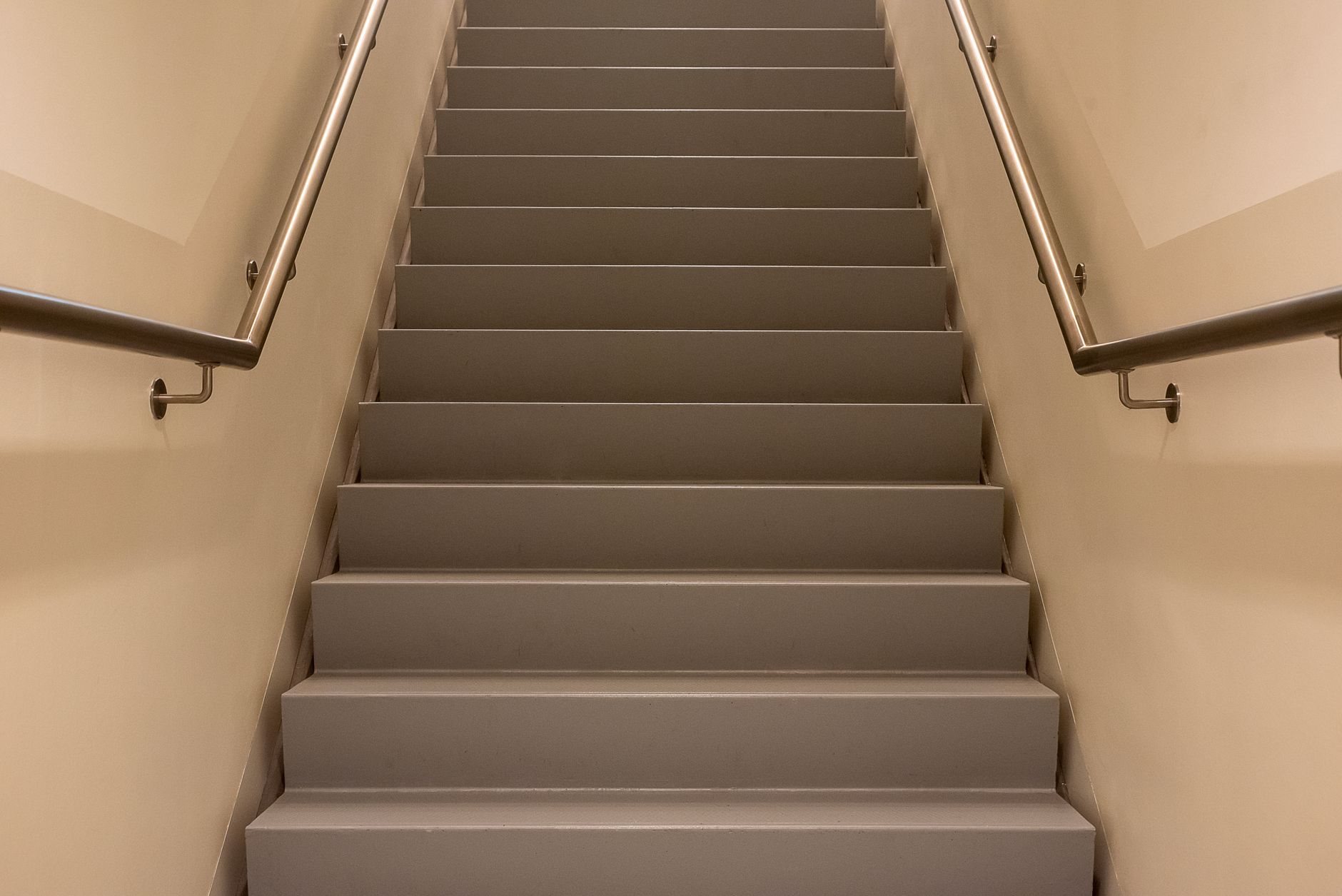
Choose full stair carpet when the treads are construction-grade plywood that was never meant to show, when the stair connects two carpeted floors and should read as one surface, or when it’s a basement flight that takes laundry baskets and kids on their backsides. Most Utah homes have a basement stair in exactly that condition, and carpeting it usually goes on the same order as the wall-to-wall carpet above and below it. Commercial stairwells usually get carpet tile instead, a different method with its own nosings.
Waterfall or Hollywood: the two ways to fit a step
Every stair carpet job comes down to how the carpet turns the corner at the nosing. In a waterfall install, the carpet runs over the nosing and drops straight to the next tread without being tacked under the lip. It’s faster and suits square-edged treads. In a Hollywood (cap-and-band) install, the carpet wraps tight around the nosing and is stapled under it, so the profile of each tread shows through. Slower per step, but on a bullnose tread it’s the only method that looks finished.
Under either method the sequence is the same. Tackless strip goes on the tread and up the riser, pins angled into the crotch of the step so the carpet pulls into the corner. Pad is cut to each tread and stopped just short of the nosing; pad that wraps the nosing makes a soft, rounded step that wears through early. A runner, edges bound in advance, is centered with equal reveals and gauged at every step, because a quarter-inch drift over fourteen steps is plain to see from the bottom.
- Measure. Every tread and riser separately. Old stairs are rarely uniform.
- Prep the step. Old staples and tackless come out, squeaks get screwed down, loose nosings get repaired. Carpet hides a bad stair; it doesn’t fix one.
- Lay out, fit, finish. Pattern repeat and pile direction set before cutting; then tackless, pad, carpet, one step at a time, with landings seamed, winders fitted from templates, and transitions set so nothing catches a shoe.
Picking a carpet that survives a staircase
A step takes wear on a bend, so low, dense pile holds up and plush or long-loop styles crush at the nosing within a year. Wool and solution-dyed nylon are the usual runner choices, and the dye method matters more in Utah than most places: a stairwell window at 4,500 feet delivers UV that fades surface-dyed carpet unevenly, so the sunny half of a flight ends up a different color from the shaded half. Solution-dyed fiber carries its color all the way through.
Utah’s dry winter air brings a second issue: static builds in carpet below roughly 30 percent relative humidity, where many Wasatch Front homes sit from December through February. Nylon with a built-in anti-static treatment keeps the stair from shocking you at the railing. The Carpet and Rug Institute publishes the installation standard most manufacturers reference for stair work at carpet-rug.org; we work to it whether the manufacturer asks or not.
What a stair runner costs to install in Utah
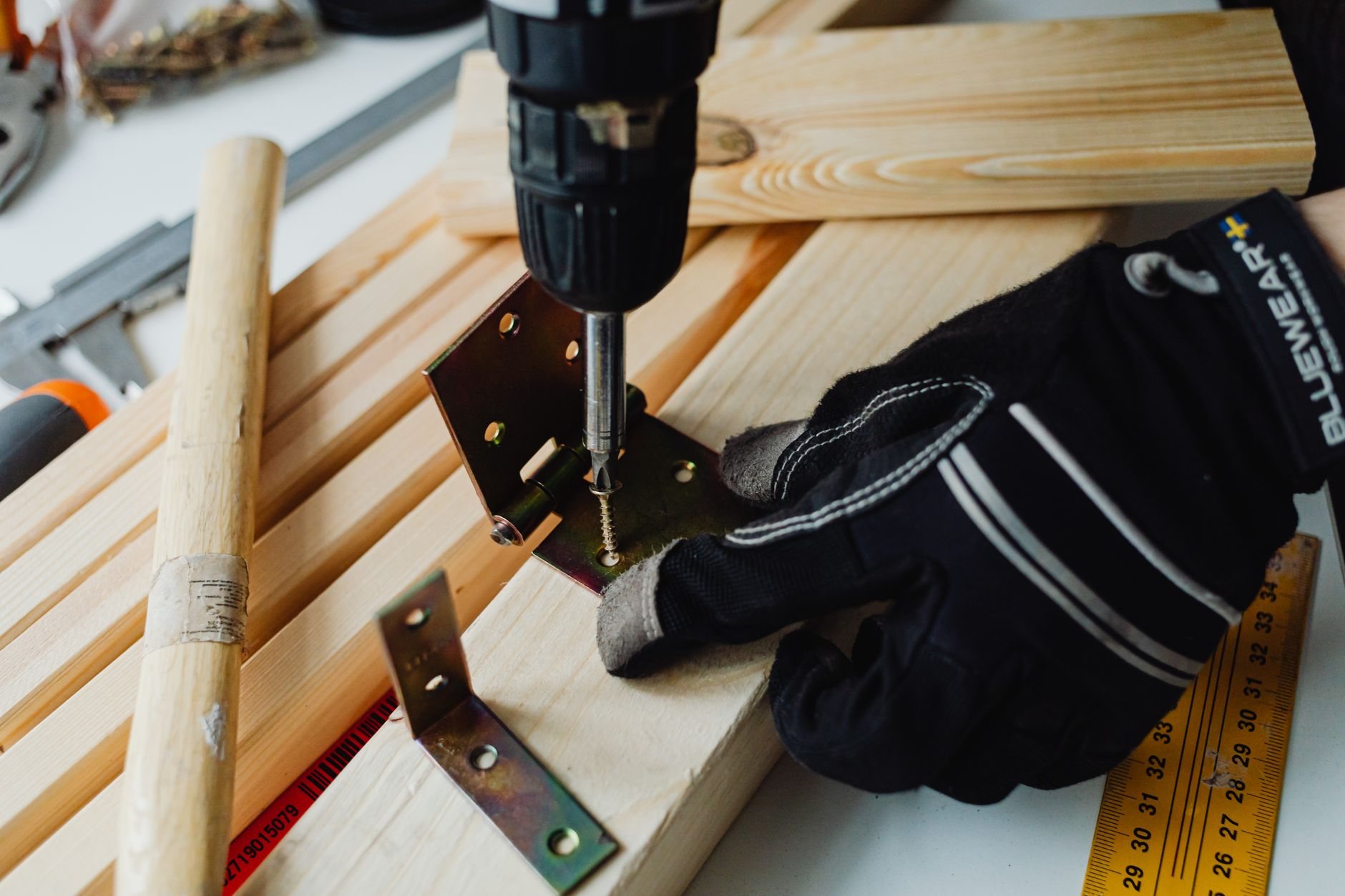
Labor is quoted per step. As ballpark planning numbers, a straight closed flight of thirteen or fourteen steps typically runs in the low hundreds for waterfall labor and roughly half again more for Hollywood, before material. Add for open-sided treads that need upholstered ends, for winders and landings that need templates and seams, and for tearing out old carpet with its hundred-odd staples. Material is the swing: mid-grade nylon and hand-loomed wool can differ by a factor of five on the same stair. Tread and nosing repair is its own line, not buried in the carpet number.
One rule from current Utah-adopted residential code worth knowing before you order: riser heights within a flight must stay close to uniform, and finish thickness counts at the top and bottom steps. A thick runner and pad on a stair already at the limit can push it out of tolerance. We check the existing rise before recommending pad thickness.
Questions we actually get
How wide should a stair runner be?
Leave roughly three to five inches of tread exposed on each side. On a standard 36-inch stair that means a 27-inch runner; a 42-inch stair takes 32 inches. We measure the narrowest tread in the flight, since the reveal has to work there too.
Can you put a runner on stairs that were already fully carpeted?
Yes, but the stair underneath decides the cost. Removing stair carpet leaves staple holes, tackless scars, and usually paint-grade treads. Those need filling, sanding, and finishing or painting before a runner makes sense, which can cost more than the runner itself.
Will a runner work on an open-tread or curved staircase?
Open-sided straight stairs take a runner well, since the exposed ends stay wood. Curved and spiral stairs need every tread templated and fitted individually, with a seam at each winder; it’s slower and priced that way.
How long does a stair carpet installation take?
A straight flight in waterfall style is typically one working day including tear-out; Hollywood style or a flight with a landing and winders usually runs into a second day, and the stair stays usable overnight. We time it after any floor removal or subfloor work on the floors above and below, so the stair is the last thing finished, not the first thing walked on.
Stair runners are one piece of our flooring installation services and of the broader renovation and build-out work we do along the Wasatch Front, all under one B100 license you can verify at dopl.utah.gov.
Tell us what you’re working on
We reply within a couple of hours during business hours — a day at most. You’ll get a straight read on scope, sequence, and budget before anyone commits to anything.