
Soundproof & Acoustic Drywall in Utah County
Soundproof drywall is a wall or ceiling assembly built to stop noise — sound-damping board, decoupled framing, dense insulation, and sealed edges working together, not one magic sheet. Grandview Contractors designs and installs these assemblies for home offices, media rooms, and shared walls across Utah County and Salt Lake County under a Utah DOPL B100 license.
When soundproof drywall is the right call
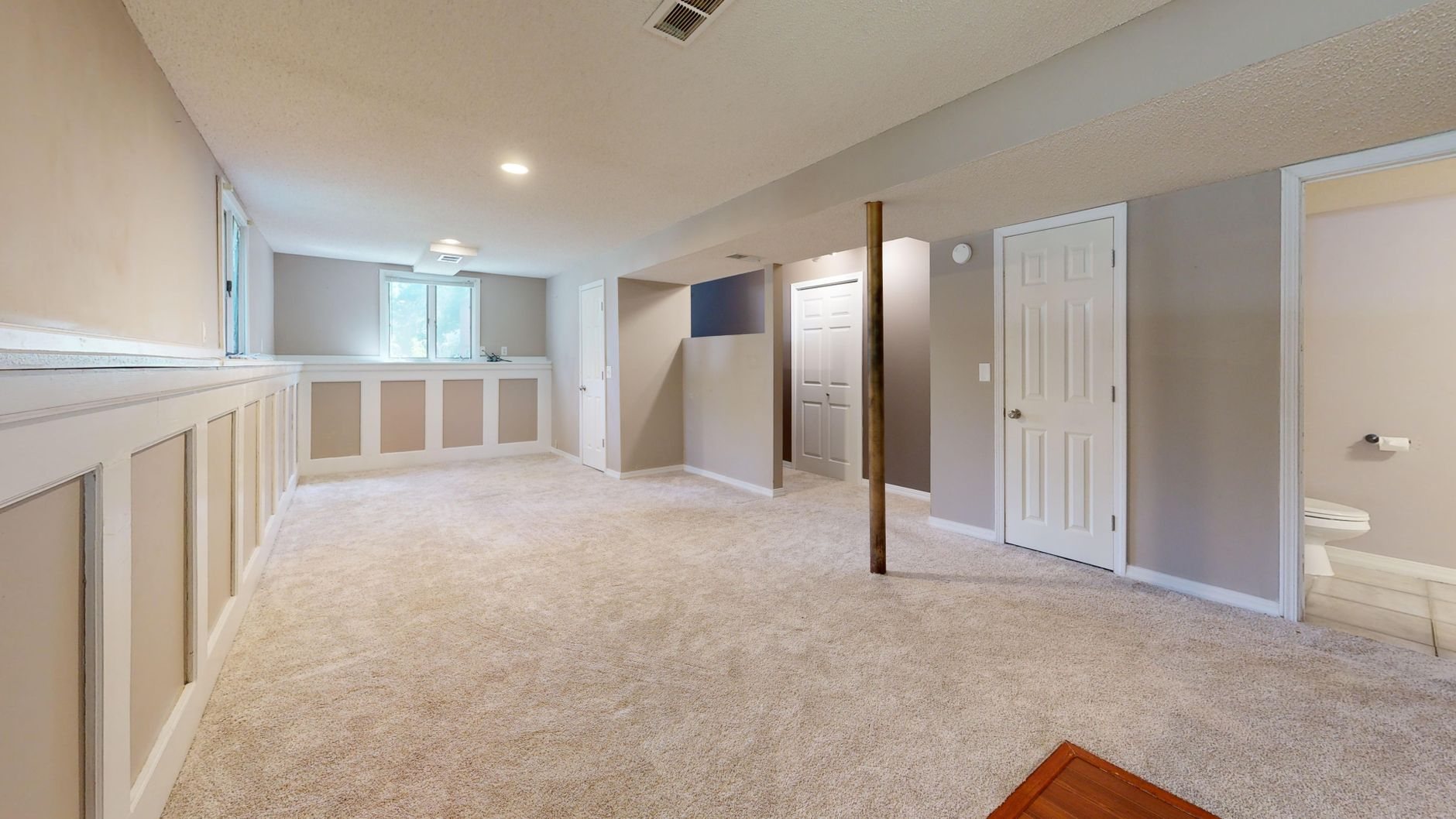
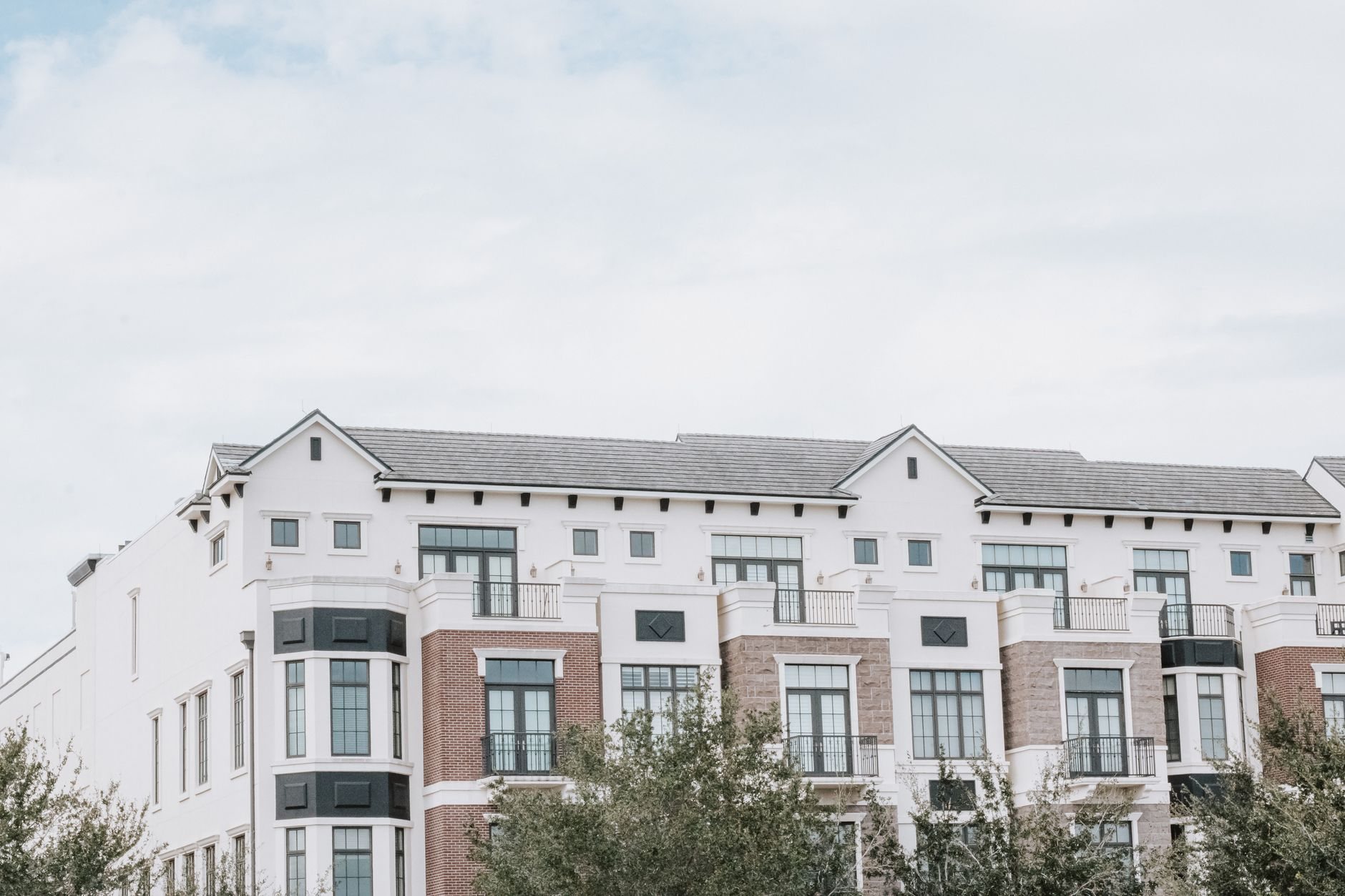
Call for an acoustic assembly when the problem is noise crossing a wall or floor you can’t move: a townhome party wall in Lehi or Saratoga Springs where you hear the neighbor’s television, a basement bedroom under the family room, a home office that has to survive a drum kit, or a fourplex that needs fewer noise complaints between units.
It’s the wrong call if the noise is coming through a door, a window, or a duct — more board does nothing for a hollow-core door. If the room just needs clean new walls, plain drywall installation is the simpler scope. Where a wall must be both quiet and fire-rated — typical between units — we build a fire-rated assembly that also carries a sound rating. If the cavity is already open, an insulation and drywall package gets you the acoustic fill at the lowest added cost.
Mass, decoupling, absorption, and sealing
Sound control is measured as an STC rating — Sound Transmission Class. A standard interior wall — half-inch board each side, empty cavity — lands around STC 33, which is why you can follow a conversation through it. Current Utah-adopted code, following the International Building Code published by ICC, requires walls and floors between dwelling units to reach STC 50 by design. A well-built residential assembly can reach the mid-50s to 60s, and every point comes from four levers:
- Mass. Sound-damping board such as QuietRock, or two layers of 5/8-inch Type X with a viscoelastic damping compound troweled between them.
- Decoupling. Resilient channel or isolation clips with hat channel so the board floats off the studs instead of transmitting vibration through them. On new partitions, a double-stud or staggered-stud wall does the same with lumber.
- Absorption. Dense mineral wool or unfaced batt filling the cavity — not loosely, not compressed.
- Sealing. Acoustic sealant at every perimeter, putty pads behind every electrical box, no back-to-back outlets. A one-percent air gap can cost ten STC points; this is where most “soundproof” walls fail.
A channel wall is only as good as its screws: short screws into channel only, never through to the stud. One long screw short-circuits the assembly.
How an acoustic drywall job runs
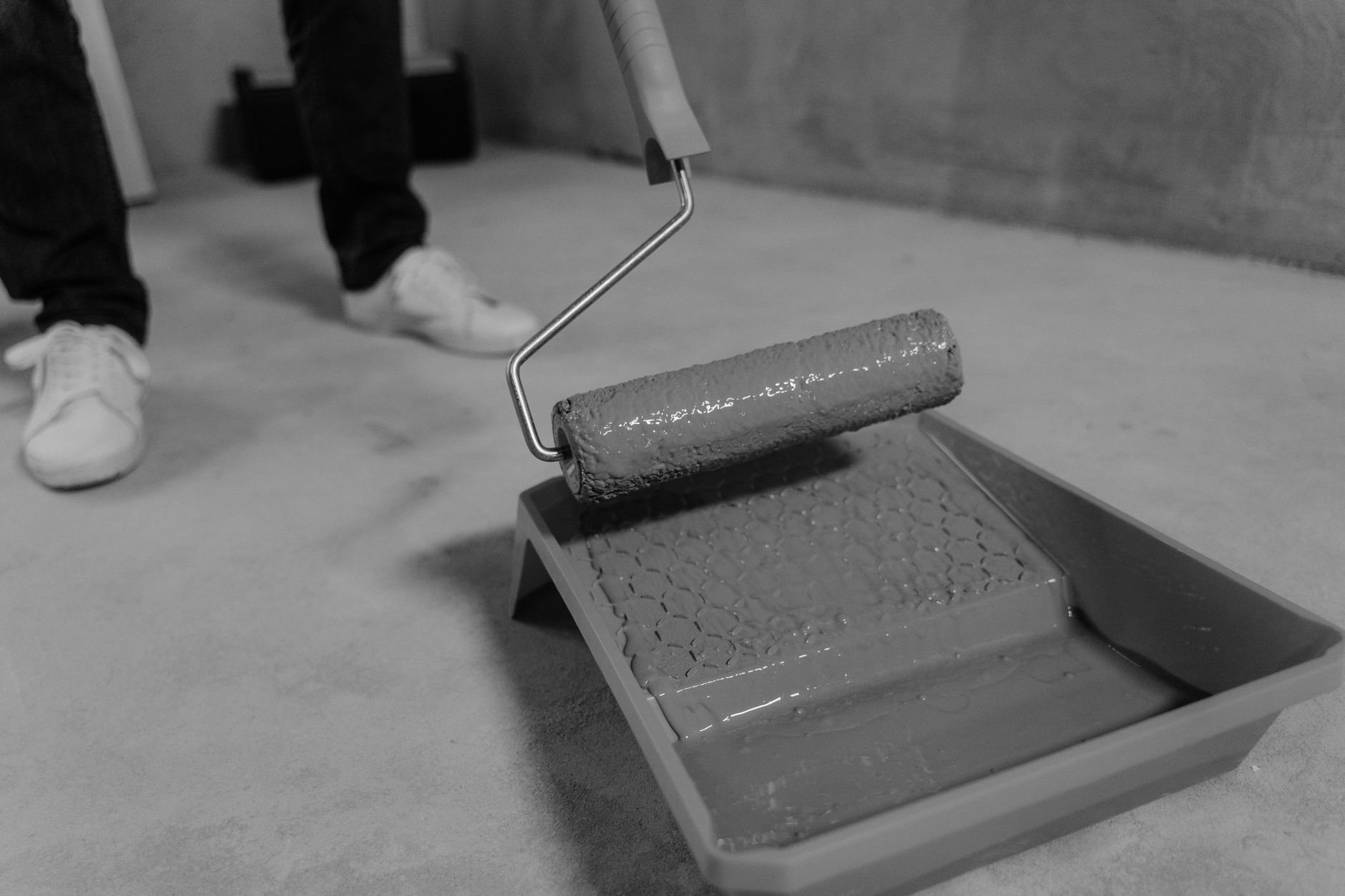
- Find the flanking paths. We list every route sound takes around the wall — shared ductwork, a continuous joist, a can light. Utah’s forced-air basements are full of these; a duct from the furnace room through a media room ceiling carries sound no matter what the board does.
- Pick a target and an assembly. A nursery wall and a drum room are not the same project. We match the STC goal to an assembly — damped board, double board on channel, or a double-stud wall — and tell you what each costs and how many inches of floor it takes.
- Rough-in and cavity fill. Licensed electricians we coordinate relocate back-to-back boxes, mineral wool goes in to full depth, and clips and channel are fastened before any board arrives.
- Hang, damp, and seal. Board goes up held a quarter inch off floor and ceiling, and that gap gets acoustic sealant, not compound. Second layers go on with staggered seams and damping compound between.
- Finish and verify. Taped and finished to the room’s level — media rooms often want a Level 5 smooth finish under dark paint. Then we test it the honest way: someone talks on the other side.
What moves the price of soundproof drywall in Utah
The assembly is the main driver. Damped board over an existing wall is the cheapest route; channel or clips means removing the old board first; a double-stud wall means framing and, in a basement finish, a permit and inspection. Electrical is the hidden second driver — every outlet on a decoupled wall needs an extension or a move, and in older Provo and Orem homes that can uncover wiring that must meet current Utah-adopted code while the wall is open.
As ballpark planning numbers, not a quote: damped board installed and finished typically runs two to three times the per-square-foot cost of standard drywall, and a clip-and-channel rebuild of one wall in an occupied home prices as a multi-day scope, not by the foot. Ceilings cost more than walls: the joists are the flanking path and the lights are the leaks. We quote after seeing the room; verify our license first at dopl.utah.gov.
Questions we actually get
Does soundproof drywall actually work, or is it marketing?
It works as part of an assembly. Damped board alone over an existing wall adds roughly 5 to 10 STC points — noticeable. Board plus channel, mineral wool, and sealed outlets can take a standard STC 33 wall into the 50s, the difference between hearing words and hearing nothing. Board over unsealed outlets does almost nothing.
Can you soundproof a wall without tearing it out?
Partly. A second layer of damped board over the existing wall, a sealed perimeter, and treated outlets is a meaningful gain for modest cost. Decoupling with channel or clips needs the old board gone. If the noise is a neighbor’s subwoofer or footsteps from above, the overlay route usually isn’t enough, and we’ll say so before you spend.
Will soundproofing the wall fix noise through the ceiling or ducts?
No, and that’s the dependency we check first. A shared return-air duct, a can light, or joists running into the next room carry sound around the best wall ever built. We list every flanking path up front so the scope covers what needs fixing and skips what doesn’t.
How much does soundproof drywall cost per square foot in Utah?
As a planning number, damped board installed and finished runs roughly two to three times standard drywall per square foot; clip-and-channel rebuilds and double-stud walls are priced as full scopes. Electrical, ceiling height, and whether the room is occupied move the number most. A written estimate follows a site visit.
Related services
Acoustic assemblies are one specialty inside our drywall services, part of the wider renovation and build-outs family. They show up most often in basement finishes and basement home theaters, where they pair with home theater wiring planned before the board closes the wall.
Tell us what you’re working on
We reply within a couple of hours during business hours — a day at most. You’ll get a straight read on scope, sequence, and budget before anyone commits to anything.