
Insulation & drywall packages in Utah County
An insulation and drywall package fills an open wall or ceiling cavity and closes it with finished board under one contract, one schedule, and one inspection sequence — the right call for garages, basements, additions, and bonus rooms where the framing is already exposed. Grandview Contractors insulates and drywalls across Utah County and Salt Lake County under a Utah DOPL B100 general contractor license.
When one scope beats two contractors
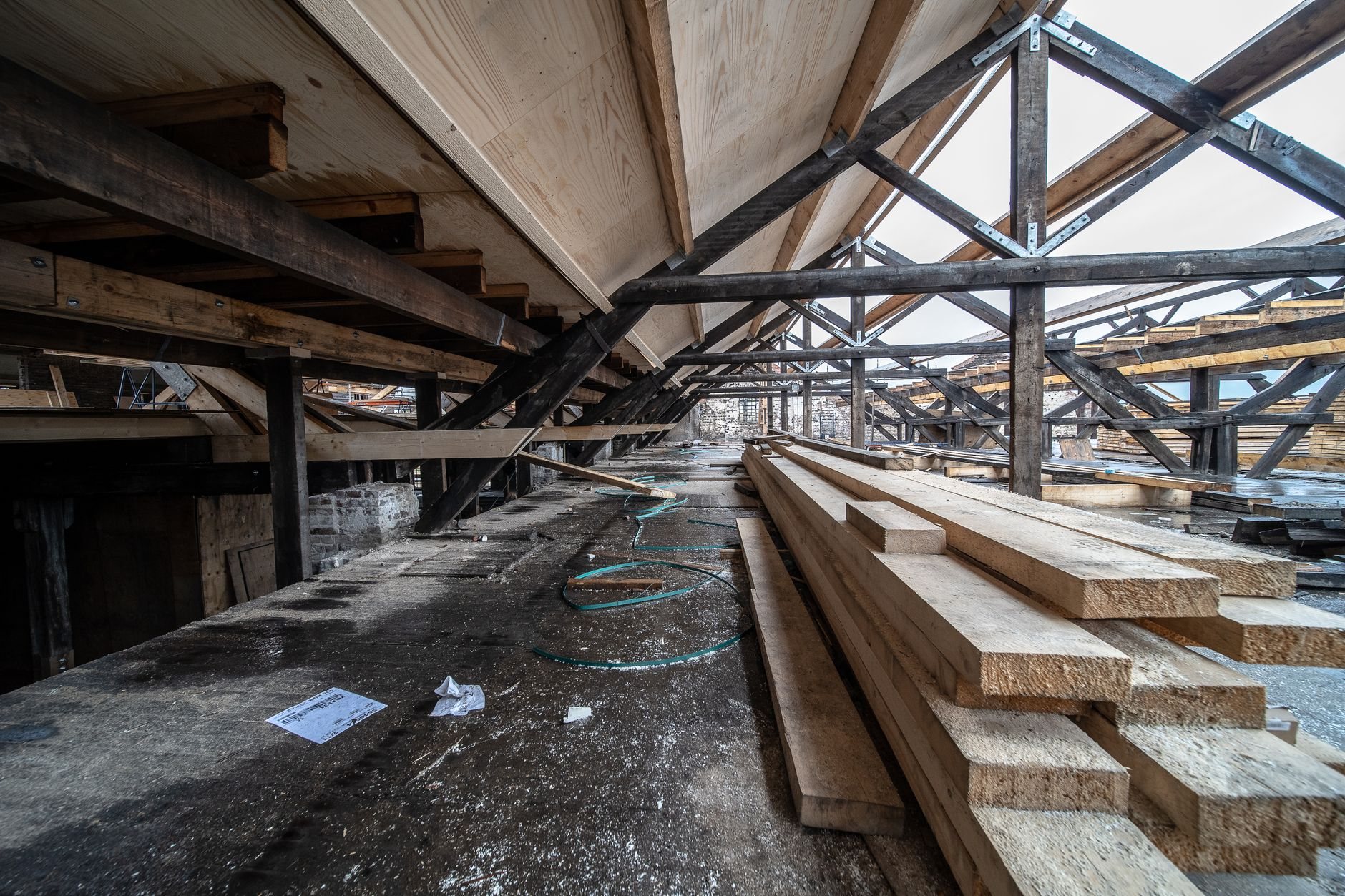
Insulation and drywall depend on each other completely and are usually bid by two different companies. The insulator leaves, the drywaller arrives, and nobody owns the gap: a bay missed behind a header, a vapor retarder facing the wrong way, an inspector who needed to see insulation before board and now can’t. A package puts both trades under one contract, so the wall gets sealed, insulated, inspected, and closed by people who answer to the same schedule.
If your walls are already insulated and only need board, you want drywall installation and finishing on its own. If the cavity needs insulation but the drywall is staying, that’s a retrofit on our insulation page. If the wall you’re closing separates a garage from living space, the package picks up the Type X board and sealed penetrations covered under fire-rated drywall assemblies. And where a shared wall needs to be quiet, the open cavity is the cheapest moment for the mineral wool and damped assembly on our soundproof drywall page.
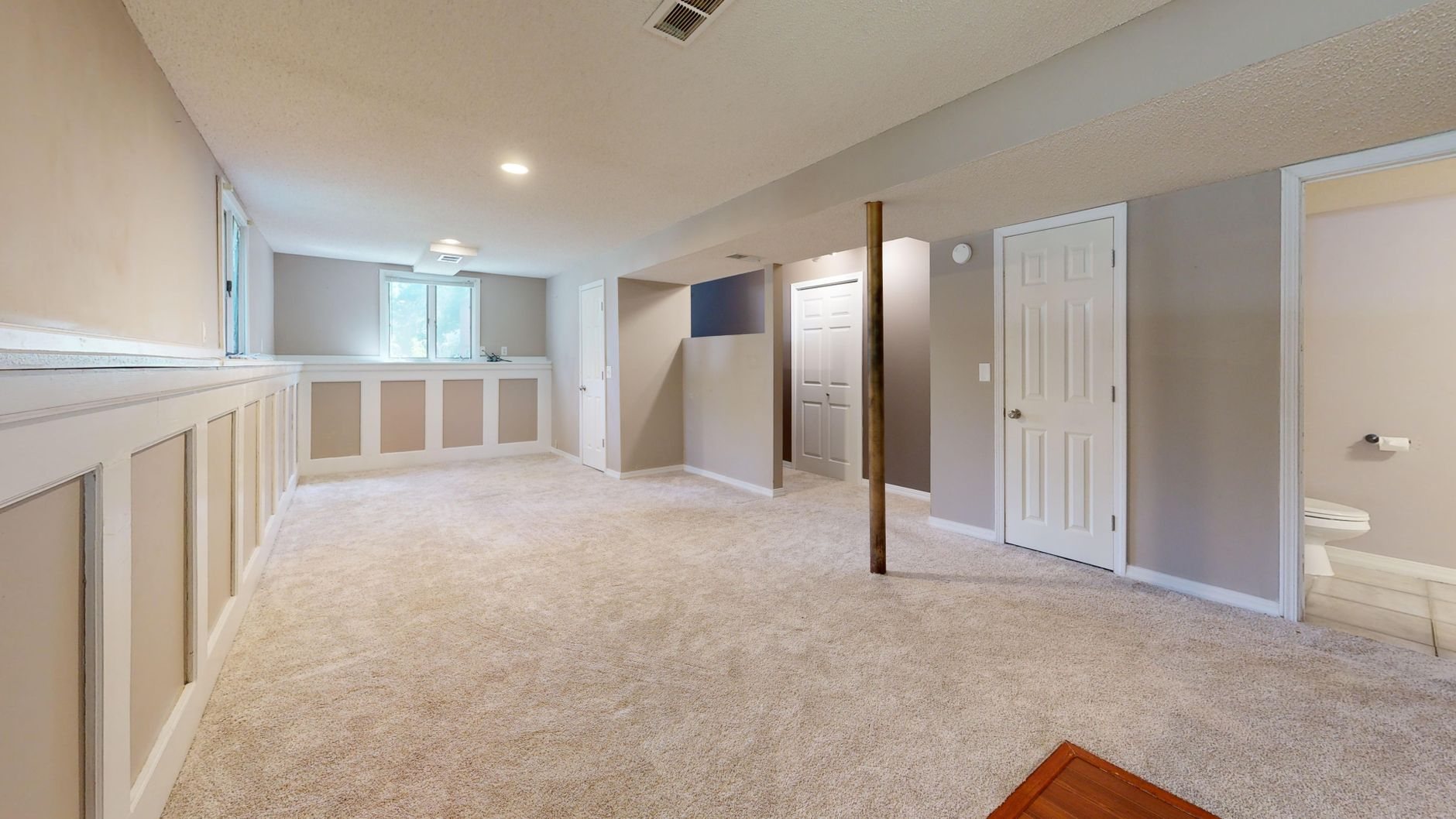
Most packages arrive inside a basement finish, a garage or shop being made heatable, or a framed-and-roughed-in home addition. A garage with bare studs and a furnace is reason enough on its own.
Seal, insulate, inspect, close
The order matters more than the materials. This is the sequence on every package.
- Air-seal before anything fluffy goes in. Top and bottom plates, window and door rough openings, and every wire and pipe penetration get caulked or foamed first. Insulation slows heat; it doesn’t stop air. Along the Wasatch Front, where the heating season runs from October into April, a leaky stud bay with R-15 in it performs closer to R-5. ENERGY STAR’s sealing and insulating guidance explains why that order isn’t optional.
- Match the insulation to the cavity. Utah County and Salt Lake County sit in climate zone 5, which is heating-dominated. Standard 2×4 walls take R-13 to R-15 batts; 2×6 walls take R-19 to R-21. Basement foundation walls get rigid foam against the concrete or a framed wall with unfaced batts, never fiberglass stuffed against bare masonry. Rim joists and the odd-shaped bays around ducts get spray foam, because batts can’t fill them. Knee walls and sloped ceilings get vented baffles before batts.
- Face the vapor retarder correctly. Kraft facing goes toward the heated side, every time. In Utah’s dry climate we don’t add polyethylene over foundation walls — it traps the moisture concrete slowly gives off and feeds mold behind the board. It’s the step that goes wrong most often when two crews handle one wall.
- Call the inspection before cover. On permitted work, the insulation inspection happens with the cavity open. Provo, Orem, Lehi, and Salt Lake City all want that look before board goes up, so we schedule it and don’t hang a sheet until it passes. In basements, this is also the moment to run a radon test; Utah’s geology runs high, and a mitigation rough-in is trivial now and expensive after the ceiling closes (see epa.gov/radon).
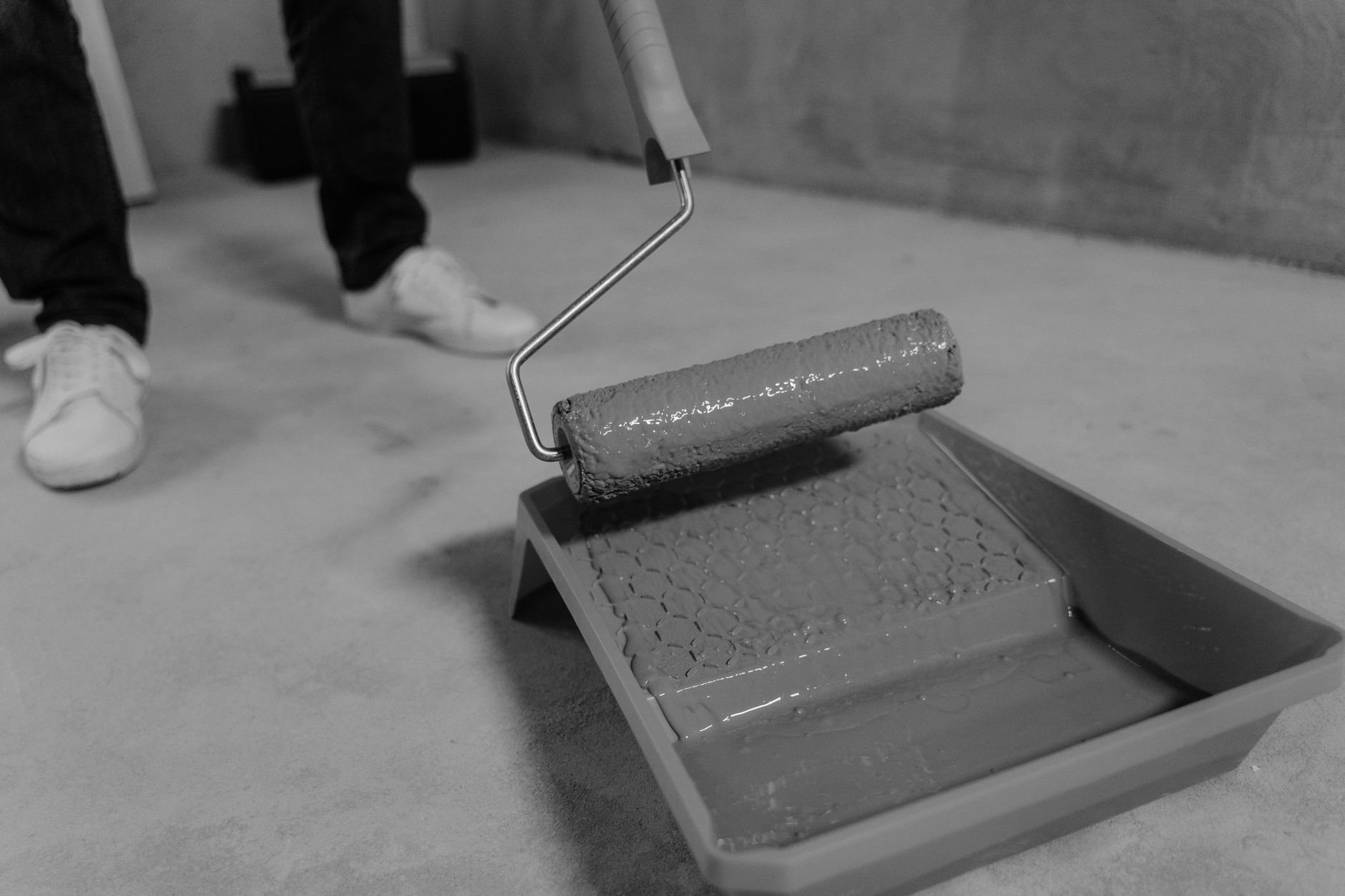
- Hang, tape, and finish to a named level. Board by room: standard on walls, sag-resistant on 24-inch ceiling framing, moisture-resistant near laundry and bath, Type X on the garage side. Paper tape, three coats, real drying time, then texture or skim to the level the paint demands. An insulated room holds temperature, which helps compound cure evenly in a Utah winter.
This package sits under our drywall contractors page and the wider renovation and build-outs family.
What an insulation and drywall package costs in Utah
Insulation type is the first mover. Fiberglass batts are the baseline; mineral wool and rigid foam cost more per square foot; spray foam costs the most but replaces both insulation and air sealing in rim joists and irregular bays. Then the usual drywall drivers apply: ceiling height, finish level, and whether the garage side needs a rated assembly.
As ballpark planning numbers rather than a quote, a batt-insulated and drywalled wall in Utah County typically lands in the $3.00 to $5.50 per square foot of wall range — roughly $1.00 to $2.00 for insulation and $2.00 to $3.50 for board hung and finished to Level 4. Spray foam, Level 5 smooth finishes, and vaulted ceilings push above that. The package usually prices below the same two trades bid separately, because one mobilization and one inspection visit replace two of each. We measure, write it up, and you can confirm our license at dopl.utah.gov before we start.
Questions we actually get
Do I need an inspection between insulation and drywall?
On permitted work, yes — the insulation inspection happens with the cavity open, before any board is hung. Covering it early means pulling drywall off for the inspector. We schedule the inspection as part of the package, so the wall never sits waiting on a second contractor. Unpermitted repairs usually don’t need one; we confirm with your city.
Should I insulate my garage before drywalling it?
If the garage shares a wall or ceiling with living space, or you plan to heat it, yes. Insulating an already-drywalled garage later means drilling and dense-packing every bay, which costs more than batts in open studs. The shared wall also needs Type X board under current Utah-adopted code, so one package covers insulation and the rated assembly in one inspection cycle.
Batts or spray foam for a Utah basement?
For most finished basements, rigid foam against the concrete plus unfaced batts in the framed wall gives the best cost-to-performance ratio. Spray foam earns its price at the rim joist and around ducts and plumbing, where batts leave gaps. We often mix the two: foam the rim, batt the walls, then board. A fully foamed basement rarely pays back on a Utah heating bill alone.
How long does an insulation and drywall package take?
A two-car garage is typically about a week: one to two days of air sealing and insulation, an inspection day if permitted, then three to five days of hanging and finishing with real drying time between coats. We put the sequence in writing so you know which day the wall closes.
Tell us what you’re working on
We reply within a couple of hours during business hours — a day at most. You’ll get a straight read on scope, sequence, and budget before anyone commits to anything.