
Drywall installation & finishing in Utah County
Drywall installation is hanging new gypsum board on open framing, then taping and finishing it to a named level before paint — the scope for basement finishes, additions, and any room stripped to studs. Grandview Contractors hangs and finishes new drywall across Utah County and Salt Lake County under a Utah DOPL B100 general contractor license.
When new board is the answer, and when it isn’t
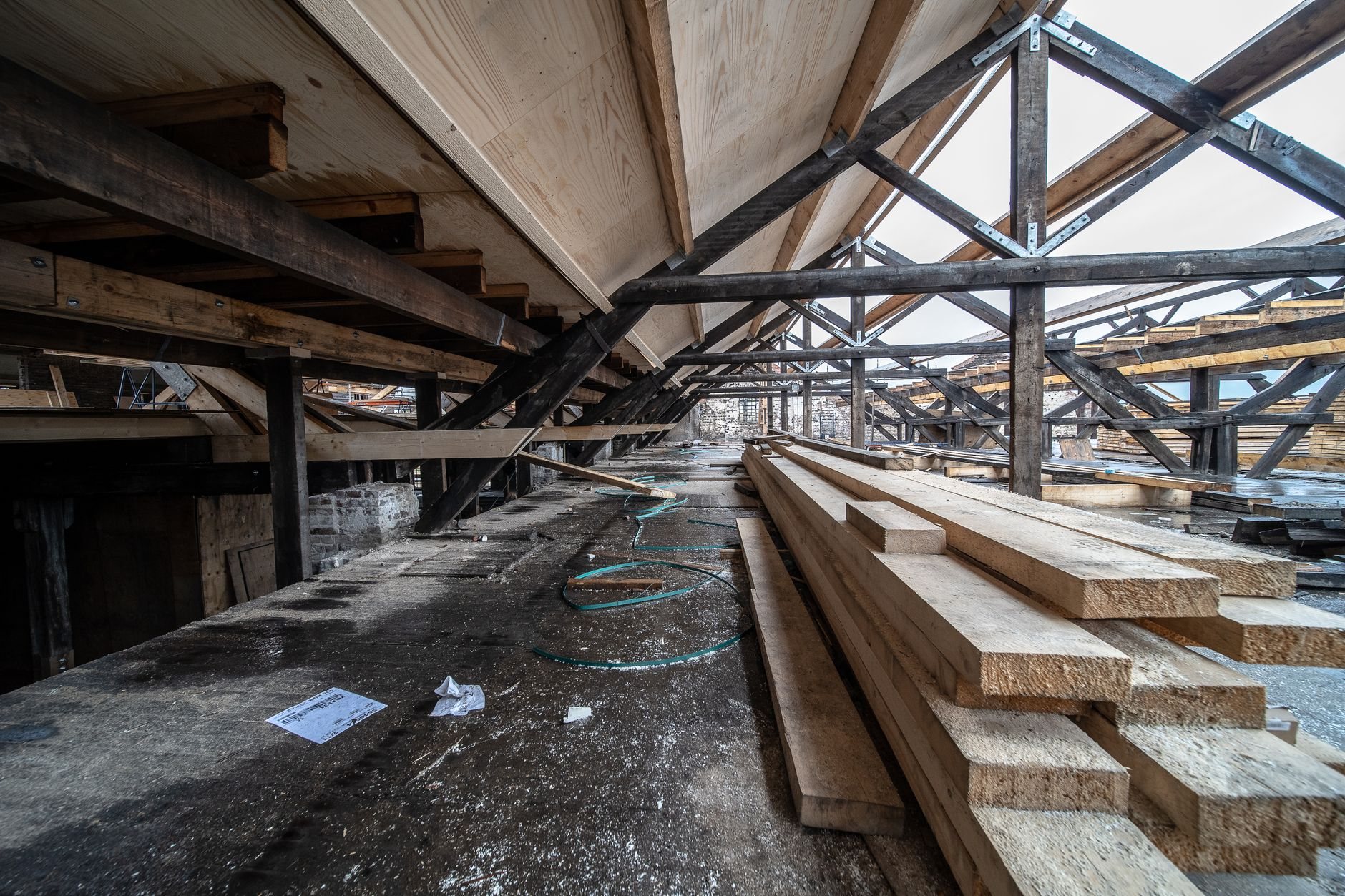
This page is for walls and ceilings that don’t exist yet — or don’t exist anymore. New basement rooms, an addition, a kitchen gutted to the studs, a garage ceiling that was never closed. If the framing is exposed and the rough-ins are done, this is the scope.
If the board is already up and the problem is a hole, a crack, or a failed seam, you want drywall repair and patching, priced by the visit rather than the sheet. If the cavity is still open and uninsulated, our insulation and drywall package handles both in one sequence, which matters in any Utah basement or garage that’s going to be heated.
Installation is also where the finish level gets decided. Most rooms are finished to Level 4 and textured. Smooth walls, dark colors, or a wall washed by a window point to a Level 5 finish, and that call is far cheaper to make before the first coat than after paint shows every seam.
Board, fasteners, and sequence
Hanging drywall well is mostly decisions made before the first screw.
- Check the framing first. Studs are checked for crown; a bowed one gets shimmed or planed before board hides it. We confirm backing at every inside corner and ceiling edge, because missing backing is why corners crack a year later. Where a permit covers the room, insulation is inspected before board goes up — Provo, Orem, and Salt Lake City all want that call before cover.
- Pick the board by room, not by habit. Half-inch standard board on 16-inch stud walls. Five-eighths or sag-resistant ceiling board on ceilings framed at 24 inches on center, which describes most truss-framed homes along the Wasatch Front. Moisture-resistant board in bathrooms and laundry rooms. Type X where a garage meets living space.
- Ceilings first, then walls, perpendicular to framing. Sheets run across the framing, not along it, so joints land on solid wood and the wall gains stiffness. Butt joints are staggered and kept away from door and window corners, where cracking starts. The bottom edge stops a half inch off the slab — a detail that matters in basements, where that gap keeps board out of any moisture that finds the floor.
- Fasten to spec. Screws at 12 inches on ceilings and 16 inches on walls, set just below the paper without breaking it. A screw that tears the paper holds nothing. Adhesive on the studs quiets nail pops later.
- Tape, three coats, real drying time. Tapered edges get paper tape bedded in all-purpose compound. Butt joints get a wider feather, since they have no taper to hide in. Outside corners get paper-faced bead, which stays put through the dry Utah heating season better than nail-on metal. Then a fill coat and a finish coat, each fully dry. Utah’s dry air helps, but we hold the room above 55 degrees in winter so compound cures instead of just going cold.
- Sand under raking light, then texture or skim. Final sanding is checked with a light held low across the wall, which is the only honest test. From there the surface goes to knockdown or orange peel texture or a Level 5 skim, and then to primer.
Levels 0 through 5 are defined in the Gypsum Association’s GA-214 standard. We name the level in writing on every new-board scope so there’s no argument about what “finished” meant.
What drives the cost of new drywall in Utah
Square footage of board sets the baseline, and ceilings count. Height is the next mover: nine-foot walls are hung from the floor, while a vaulted great room or two-story stairwell needs staging at every coat. Finish level is the big swing: Level 5 adds a full skim across every surface. And a room broken up with closets, soffits, and bulkheads produces more corners and cut waste than the same footage in an open rectangle.
As ballpark planning numbers rather than a quote, hanging and finishing new drywall in Utah County typically runs $2.00 to $3.50 per square foot of board at a Level 4 finish, with Level 5, ceilings above ten feet, and rated assemblies pushing above that. We give a written number after measuring, and you can check our license first at dopl.utah.gov.
Questions we actually get
How long does it take to hang and finish drywall in a new room?
A single room is usually hung in a day and finished over three to four more, because each of three compound coats must dry before the next. A full basement runs one to two weeks for the drywall portion. Utah’s dry air shortens drying, but we don’t stack wet coats to compress a schedule. Rushed mud cracks after paint.
What has to be done before you can hang drywall?
Framing complete and straight, electrical, plumbing, and HVAC rough-ins finished and inspected, insulation installed, and backing in place at corners and ceilings. In a permitted basement finish, the insulation inspection has to pass before board goes up. On a slab, we want to see it dry first.
Should I use half-inch or five-eighths drywall?
Half-inch standard board is right for walls framed at 16 inches on center. Ceilings framed at 24 inches, which covers most truss-framed Utah homes, need five-eighths or a sag-resistant half-inch ceiling board or they’ll belly between joists. Five-eighths Type X is required where a garage shares a wall or ceiling with living space. We spec it by room on the estimate.
What does it cost to drywall a basement in Utah?
As a planning ballpark, $2.00 to $3.50 per square foot of board at a Level 4 finish, so a 1,000-square-foot basement with 8-foot ceilings generally lands in the low-to-mid four figures for hanging and finishing alone. Level 5 walls and tall ceilings move it up. The written estimate follows a site measure.
Related services
New board almost always arrives as part of something larger. It’s the closing step of a basement finish, follows insulation in any wall that touches the outside, and sits inside most projects on our renovation and build-outs page. For repairs, textures, and rated assemblies, start at drywall contractors in Utah County.
Tell us what you’re working on
We reply within a couple of hours during business hours — a day at most. You’ll get a straight read on scope, sequence, and budget before anyone commits to anything.