
General contracting in Utah County
Grandview Contractors is a licensed Utah general contractor (DOPL B100 #14282236-5501) delivering residential and commercial projects across Utah County and Salt Lake County. One fixed contract, one accountable team: we hold the subcontracts, run the schedule, and own the outcome from permits to punch list.
When a general contract is the right structure
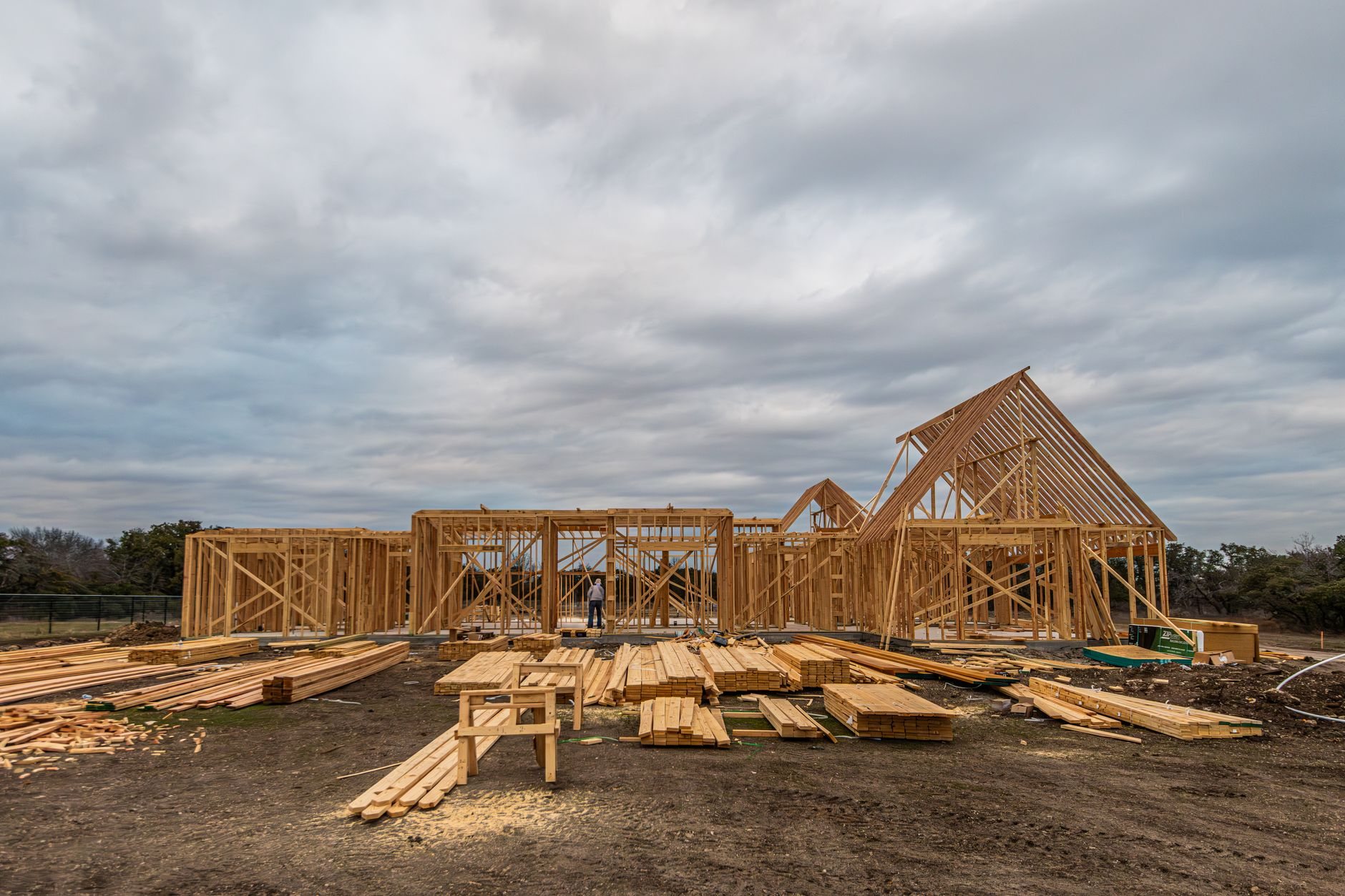
A general contract is the familiar model, and for most projects it’s the correct one. You have a defined scope — finished drawings, a clear renovation plan, or a well-described repair — and you want one firm to price it, sign for it, and deliver it. We take the drawings, build the price from real trade quotes and quantities, and hand you a single contract with Grandview. Everything after that — subcontracts, sequencing, inspections, quality — is our problem, on our license.
It fits homeowners with a designed remodel or addition, commercial owners with permit-ready plans, and property managers who need a defined scope executed without managing five trades themselves. It’s also the structure lenders and insurers usually expect to see: one licensed, insured contractor of record.
It’s the wrong structure when the design isn’t settled. Pricing unfinished drawings produces a number nobody should trust. In that case you want construction management or design-build, where cost feedback happens during design instead of after it — and we’ll tell you so in the first conversation. We are fond of straight lines and straight answers.
Five ways to structure a general contract
Build-to-Plan Contracting
You bring finished architect or engineer drawings; we price them, flag constructability issues before contract, and build exactly what’s on the sheets.
ExploreHard-Bid / Bid-Build
Competitive lump-sum pricing against a complete bid set — the standard structure for public work and owners who need comparable numbers on paper.
ExploreSubcontractor Management
Procurement, scheduling, and quality control of the trades on your project — the coordination layer that decides whether a job runs or stalls.
ExploreSingle-Trade Prime Contracting
A full prime contract for one scope — concrete, steel, roofing — with the same permits, insurance, and documentation as a whole-building job.
ExploreSelf-Perform + Subcontract Hybrid
Our own crews on the scopes we perform directly, licensed trade partners on the rest — one schedule and one standard across all of it.
ExploreHow a general contract runs
- Price. We take off quantities from your drawings, collect trade quotes, and walk the site. You get a fixed proposal tied to a written scope — with inclusions, exclusions, and allowances spelled out, not implied.
- Contract. One agreement with Grandview covers the whole scope. Payment schedule, change-order procedure, and schedule milestones go in writing before anyone mobilizes.
- Permit. We submit, track, and answer plan review. Timelines vary widely along the Wasatch Front — fast-growth cities like Lehi, Saratoga Springs, and Eagle Mountain carry heavy review volumes, while Provo, Orem, and Salt Lake City run more predictable processes — so we build the real number into the schedule.
- Build. We sequence and supervise every trade, hold subcontractors to the drawings, and schedule city inspections at the right milestones. You get a named point of contact and honest schedule updates.
- Close. Punch list, final inspections, lien waivers, warranty documentation, and a clean handoff. We finish the project, not just the construction.
What moves the price of a general contract in Utah
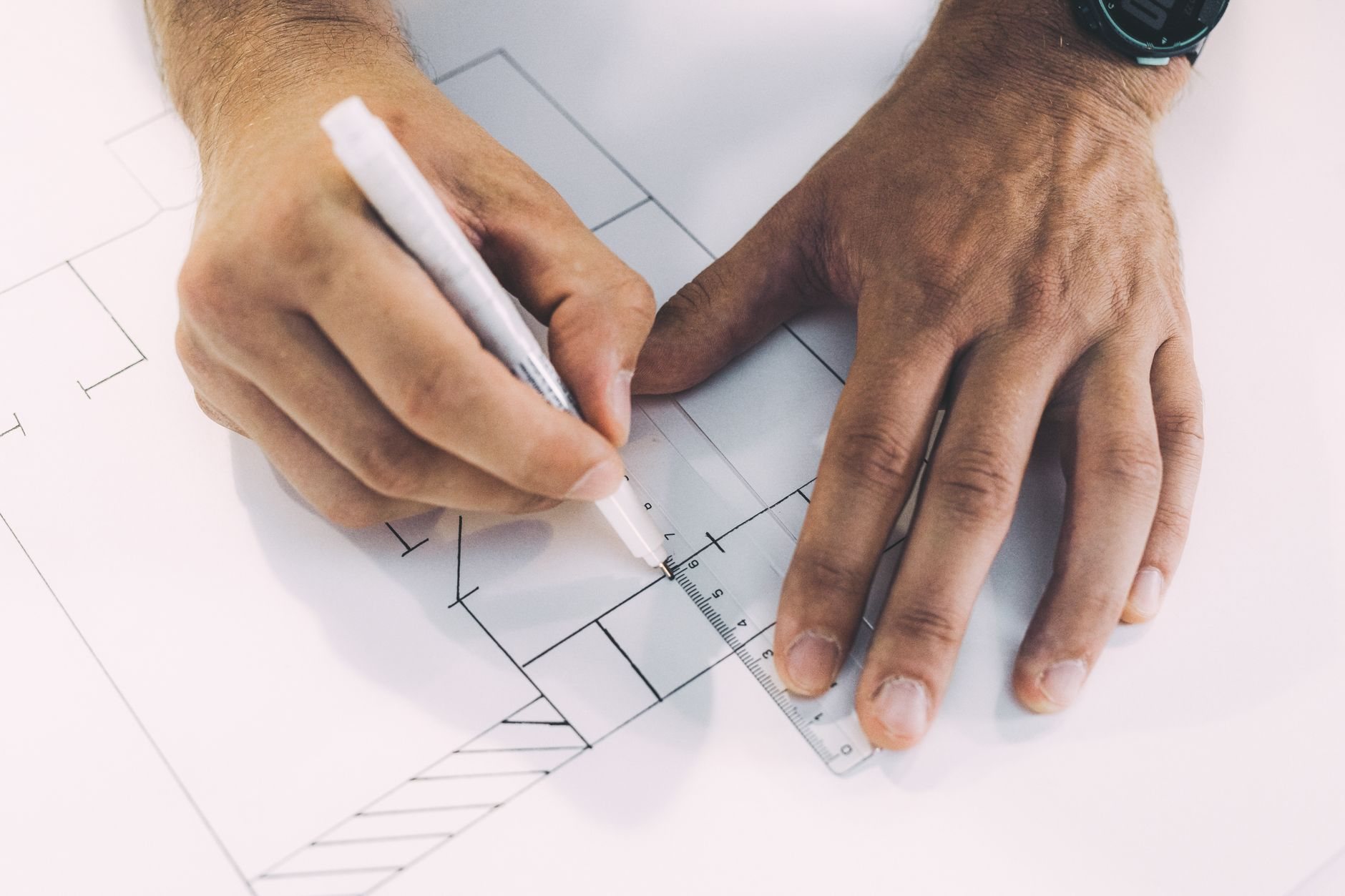
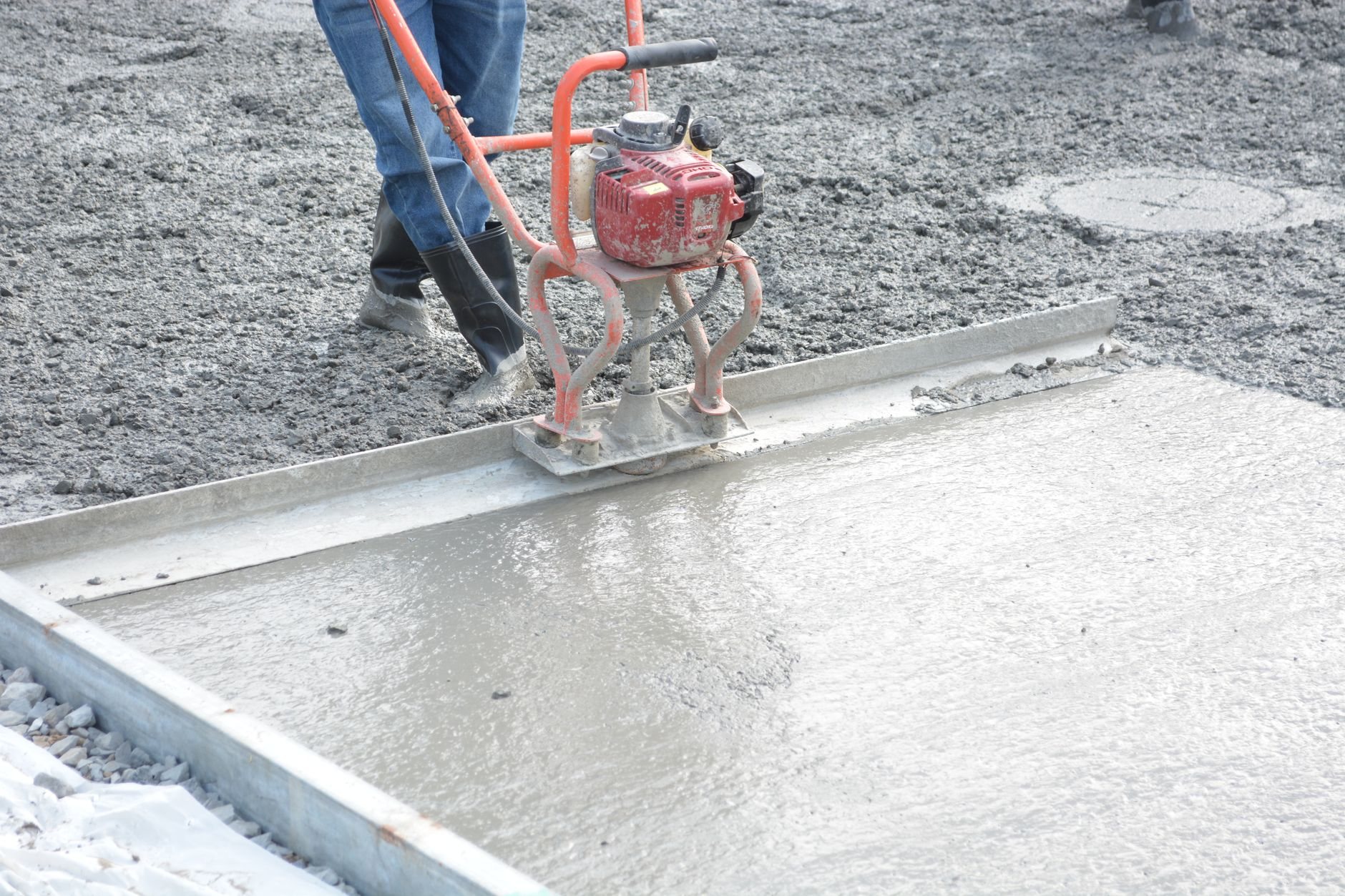
Fixed-price contracting rewards clear scope. The biggest cost drivers we see, in rough order: how complete the drawings are (gaps get priced as risk), site conditions, structural scope, finish level, and schedule pressure. Two of those are distinctly local. Much of the Wasatch Front sits on expansive clay and collapsible bench soils, so footings, flatwork, and retaining structures sometimes need more excavation, engineering, or soil correction than the plans assumed — the line item that most often surprises owners. And with 100-plus freeze–thaw days a year along the Wasatch Front, exterior concrete needs air-entrained mixes and proper curing windows, which constrains when and how flatwork gets poured.
Code edition matters too. Utah adopted updated I-codes effective July 2026, so we price and build to current Utah-adopted code — not the edition your last project was permitted under. If a bid seems surprisingly low, one of these three things is usually missing from it.
Questions we actually get
Do you use your own crews or subcontractors?
Both, depending on the scope. Grandview holds the contract either way. Where trades are subcontracted — including all electrical, plumbing, and HVAC — we manage licensed trade partners: we procure, sequence, and quality-check their work inside your project. You sign one contract with us and we’re accountable for all of it.
Why do bids for the same drawings vary so much?
Usually because they aren’t pricing the same job. Bids differ in allowances, exclusions, soil and site assumptions, and code edition. A low number with thin allowances becomes an expensive number through change orders. Compare scopes line by line before comparing totals — we’ll walk you through ours and anyone else’s.
How long does permitting take in Utah County?
It depends heavily on the city. Established departments like Provo and Orem are fairly predictable; fast-growth cities like Lehi, Saratoga Springs, and Eagle Mountain run high plan-review volumes and can take noticeably longer. We track submittals ourselves and build realistic review time into the schedule — verify specifics with your city’s building department.
What’s the difference between general contracting and construction management?
Who carries the price risk, and when we join. A general contract is a fixed price against finished drawings — we hold the subcontracts and own the number. Construction management is open-book for a stated fee, starting before design is done. Defined scope, choose the general contract; evolving scope, choose CM.
Where general contracting fits
General contracting is one of several ways to structure a project within our planning and project management family. If your drawings aren’t finished, start with preconstruction and estimating to get real cost information first. And if you already have a builder under contract, owner’s representation puts construction literacy on your side of the table instead.
Tell us what you’re working on
We reply within a couple of hours during business hours — a day at most. You’ll get a straight read on scope, sequence, and budget before anyone commits to anything.