
Single-trade prime contracting in Utah County
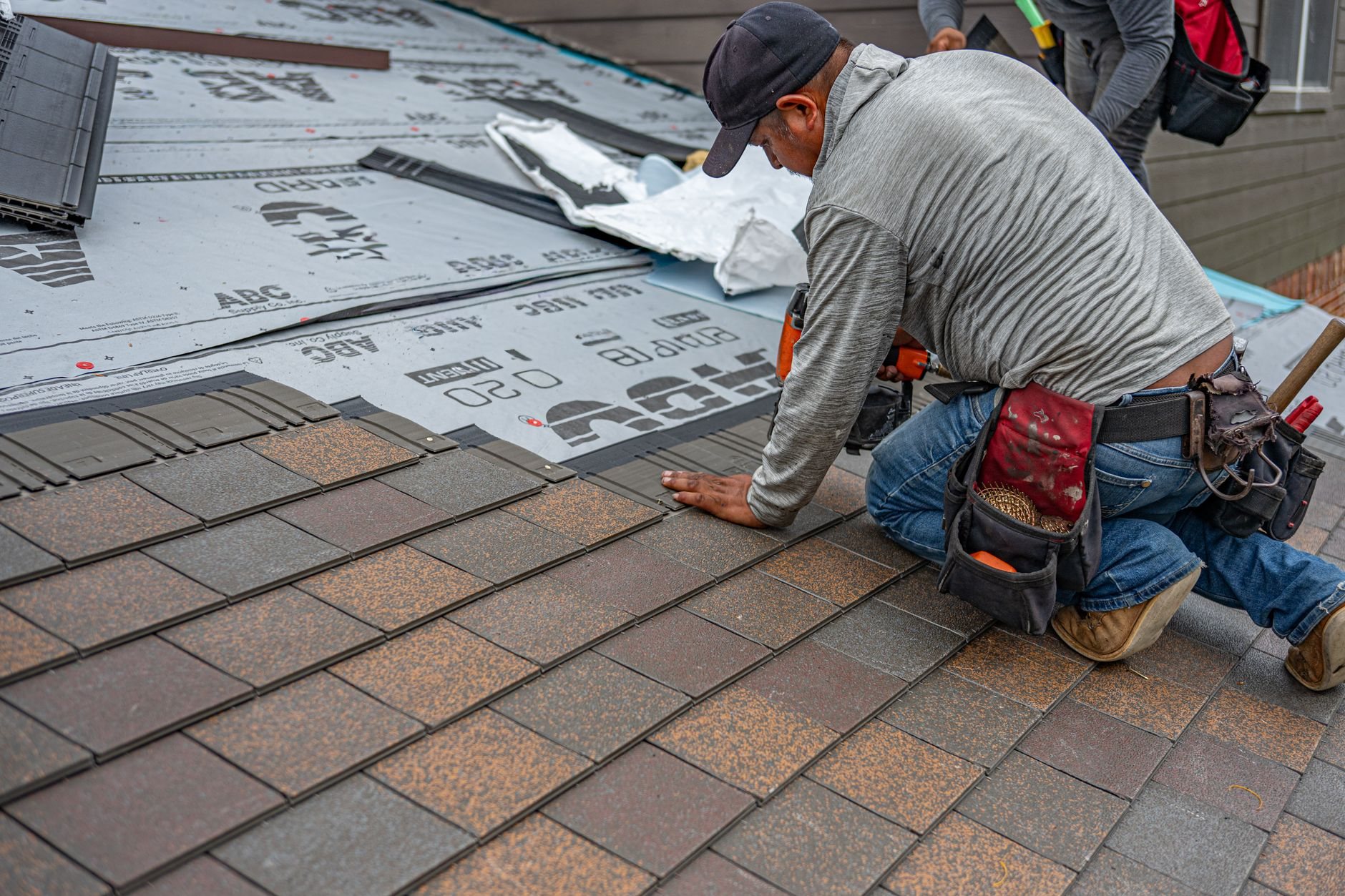
Single-trade prime contracting means one scope of work — structural concrete, steel, roofing, a retaining wall — delivered under a full prime contract with the permits, insurance, and closeout documentation of a whole-building job. Grandview holds these contracts directly under a Utah B100 general contractor license for owners, HOAs, and property managers who need one trade done properly and on paper.

When one trade deserves a prime contract
Most single-trade jobs get handled the informal way: the owner calls a trade contractor, gets a one-page bid, and hopes the paperwork question never comes up. That works fine for small, low-stakes work. It stops working the moment the scope needs a building permit, a stamped engineering detail, a certificate of insurance naming the owner, or lien waivers a lender or HOA board will actually accept. That’s the line where a single-trade prime contract earns its keep.
The typical clients are commercial building owners with one structural repair, HOAs replacing a shared retaining wall or stair system, and property managers whose ownership requires a licensed, insured contractor of record for anything touching structure or life safety. Homeowners land here too — usually when an engineer’s report says a beam, footing, or wall has to be corrected and the city wants a permit pulled by a general contractor, not a handshake.
If your project spans a whole building with finished drawings, you want build-to-plan contracting or, for competitively priced work, hard-bid contracting. If the job involves five trades that need choreography rather than one, that’s subcontractor management inside a general contract. Single-trade prime contracting is for when the scope is narrow but the accountability can’t be.
What a single-trade prime contract includes
The trade work is the visible part. The prime contract wraps it in everything a direct trade hire usually skips:
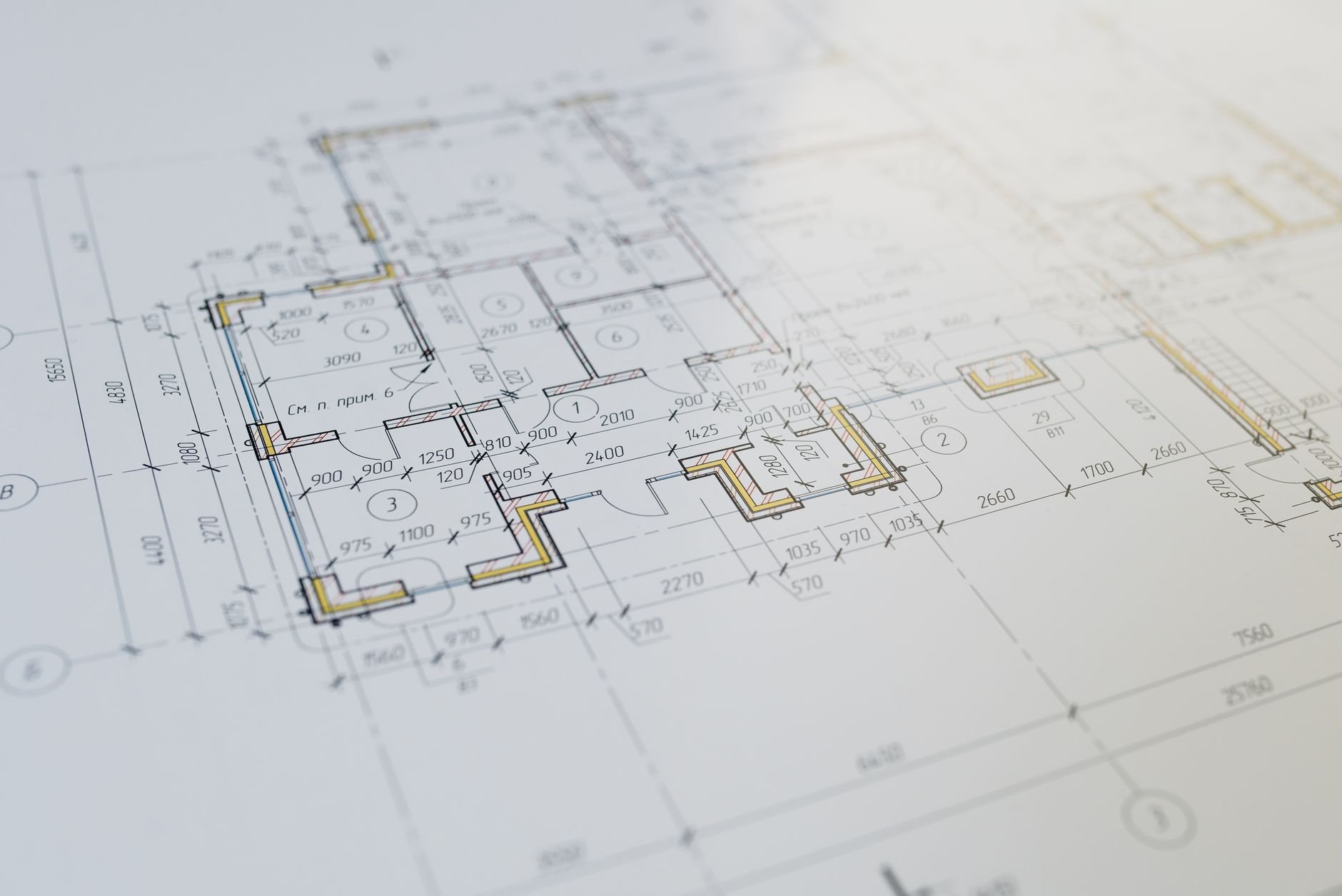
- A written scope tied to a drawing or engineering detail — not a lump-sum line that says “repair wall.”
- Permits pulled as contractor of record, with plan review answered and city inspections scheduled at the right hold points.
- Insurance certificates issued to the owner and, where required, additional-insured endorsements for the HOA or management company.
- Engineering coordination when the scope needs a stamp — we bring the engineer in before pricing, not after demolition.
- Lien waivers, warranty documents, and closeout records your lender, board, or future buyer can rely on.
The trade content itself is where Utah conditions show up. Exterior concrete gets air-entrained mixes and realistic curing windows, because the Wasatch Front sees 100-plus freeze–thaw days a year and unprotected flatwork spalls fast. Retaining walls and footings on bench lots get checked against expansive clay and collapsible soils — conditions the Utah Geological Survey documents across much of Utah County — before anyone quotes a depth. Structural steel repairs get welded-connection inspections consistent with current Utah-adopted code, which matters in seismic country. Where the single trade is electrical, plumbing, or HVAC, Grandview holds the prime contract and manages licensed trade partners — we procure, sequence, and quality-check their work, and you still get one accountable contract.
What does single-trade prime contracting cost in Utah?
A prime contract costs more than hiring the same trade directly — the honest question is how much more, and what it buys. The margin covers scope definition, permitting, insurance, supervision, and closeout, and on most single-trade work it runs a modest percentage of the trade cost. As ballpark planning guidance: the smaller the scope, the larger that percentage looks, because mobilization, permit fees, and documentation don’t shrink with the job. A $15,000 wall repair carries proportionally more overhead than a $150,000 structural package.
The other drivers are the usual suspects, sharpened by the narrow scope: whether an engineer’s detail exists or has to be produced, access (occupied buildings and tight bench-lot sites slow everything), soil corrections discovered once excavation opens, and schedule pressure. If a number for permitted structural work comes in dramatically under everyone else’s, the permit or the engineering is usually what’s missing. You can verify any Utah contractor’s license — ours is B100 #14282236-5501 — at dopl.utah.gov before you sign anything.
Questions we actually get
Why not just hire the trade contractor directly?
For small, unpermitted work, you should. Hire a prime contractor when the scope needs a permit, engineering, owner-named insurance, or lien waivers — or when you need one party contractually responsible for the result. Trade contractors are good at their trade; a prime contract makes someone responsible for everything around it.
Does a single-trade job really need a building permit?
Often, yes. Structural repairs, retaining walls over threshold heights, reroofs in most cities, and anything altering framing or footings typically require one under current Utah-adopted code. Requirements vary by city, so verify with your building department — or let us pull it as contractor of record, which is part of the service.
What trades do you take on as single-scope prime contracts?
Concrete and flatwork, structural steel and welding repairs, roofing, framing corrections, retaining walls, and similar structural scopes are the common ones. For single-trade MEP scopes — electrical, plumbing, HVAC — we hold the contract and manage licensed trade partners, coordinating and quality-checking their work within the same structure.
How is this different from your subcontractor management service?
Head count. Subcontractor management is the coordination layer across multiple trades inside a larger project. Single-trade prime contracting is one scope, one trade, full contract wrapper. If your one-trade job grows into a multi-trade job — they sometimes do once walls open — the contract structure converts cleanly.
Where single-trade work fits
This is the narrowest engagement in our general contracting lineup, part of the planning and project management family. On scopes we perform with our own crews alongside trade partners, the self-perform + subcontract hybrid page explains how that’s structured. Either way, the standard is the same. The plans may change. The standard does not.
Tell us what you’re working on
We reply within a couple of hours during business hours — a day at most. You’ll get a straight read on scope, sequence, and budget before anyone commits to anything.