
Hard-bid & bid-build contracting
Hard-bid (bid-build) contracting is competitive lump-sum pricing against a complete bid set: several contractors price identical documents, and the owner awards on the number. Grandview bids and delivers this work across Utah County and Salt Lake County as a licensed B100 general contractor (DOPL #14282236-5501).
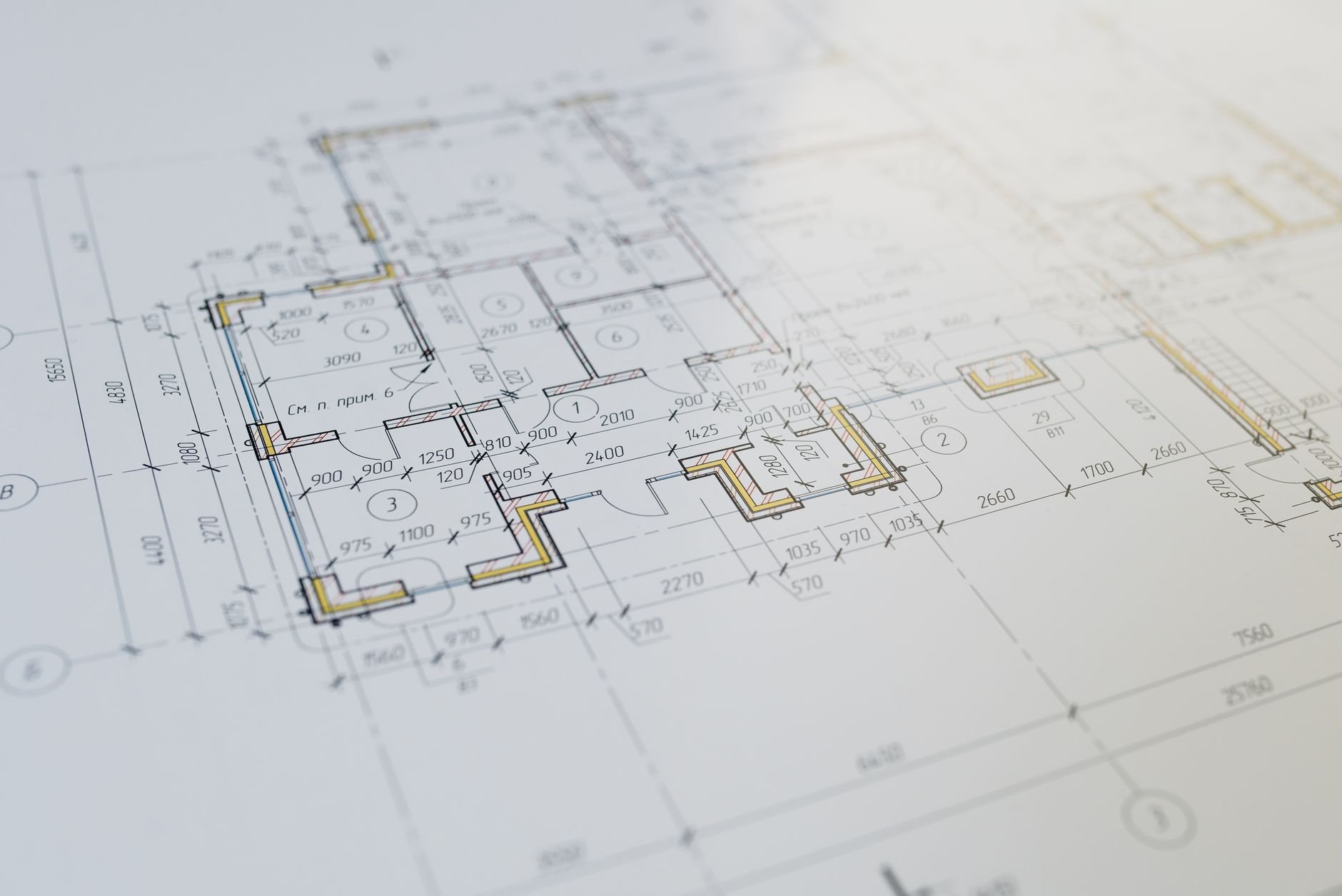
When a hard bid is the right structure
A hard bid makes sense when three things are true: the drawings are genuinely complete, you need directly comparable numbers on paper, and price is the deciding factor. That describes most public and institutional work — school districts, municipalities, and special districts along the Wasatch Front are usually required to award to the lowest responsive, responsible bidder — and it describes private owners who want the market, not a negotiation, to set the price.
It’s a specific variant of general contracting, and the distinction from its nearest sibling matters. In build-to-plan contracting, we’re usually the only contractor at the table, so we can flag constructability problems and negotiate scope before the contract is signed. In a hard bid, everyone prices the same documents with no side conversations — questions go through formal RFIs and answers come back as addenda to every bidder. That discipline is the whole point: it’s what makes the numbers comparable.
It’s the wrong structure for incomplete drawings. A hard bid against a thin bid set doesn’t produce a low price; it produces a fragile one, recovered later through change orders. If your documents aren’t there yet, preconstruction and estimating or construction management will serve you better, and we’ll say so.
How we build a hard-bid number
- Read the whole bid set. Drawings, specifications, geotechnical report, bid instructions, and every addendum. Exclusions and bid-day mistakes live in the documents people skim.
- Take off quantities. Real counts and measures from the sheets — not square-foot allowances dressed up as a bid.
- Solicit trade pricing. We put each scope in front of multiple subcontractors, then level their quotes so we’re comparing complete scopes, not just totals. Scope gaps between trades are where lump-sum bids quietly fail.
- Question in writing. Ambiguities go in as RFIs during the bid period. If the answer changes the price, it reaches every bidder as an addendum — which protects you as much as us.
- Submit and hold. Base bid, alternates, and unit prices exactly as the bid form asks, with bid security where required. The number we submit is the number we sign for.
Why hard-bid numbers spread so far apart in Utah
Ask five contractors to price the same bid set and the spread often exceeds 20 percent. Most of it traces to how each bidder handled risk. Soil is the big one here: much of the Wasatch Front sits on expansive clay and collapsible bench soils (the Utah Geological Survey maps both), and a lump-sum bid has to take a position on what’s under the site. Bidders who ignore the geotechnical report look cheap on bid day and expensive by the footing inspection — it’s why unit prices for over-excavation and imported fill belong on the bid form.
Schedule assumptions do the same work. A bid that assumes exterior concrete can pour year-round hasn’t priced the Wasatch Front’s 100-plus freeze–thaw days, air-entrained mixes, and cold-weather protection. And code edition matters right now: Utah adopted updated I-codes effective July 2026, so a bid priced to the old edition is quietly under scope. We bid to current Utah-adopted code and say so in the proposal.
For owners, the practical advice is simple. Award to the lowest bid you can verify, not the lowest bid you receive: check scope letters against the bid form, check unit prices, and check the license — any Utah contractor’s standing is public at dopl.utah.gov.

Questions we actually get
What’s the difference between hard-bid and negotiated general contracting?
In a hard bid, multiple contractors price identical complete documents and the award goes to the number — no scope negotiation before contract. In negotiated work, like our build-to-plan engagements, one contractor prices the drawings and can adjust scope with you before signing. Same fixed-price destination, different route to it.
Should I just take the lowest bid?
Only after verifying it’s pricing the full scope. Compare each bidder’s scope letter to the bid documents, check that alternates and unit prices were filled in as asked, and confirm license and insurance. A low bid built on thin soil assumptions or an outdated code edition usually costs more than the second-lowest by closeout.
How long do you need to price a bid set?
Two to three weeks is realistic for most commercial bid sets — enough time to do real takeoffs, get multiple subcontractor quotes per trade, and run RFIs through the addenda process. A one-week bid window produces padded numbers, because every bidder prices what they didn’t have time to check.
Do change orders still happen on a hard-bid job?
Yes, but only for legitimate causes: owner-directed changes, concealed conditions the documents didn’t show, or addenda-level document conflicts. What a clean hard bid eliminates is change orders caused by the contractor’s own scope gaps — we price the whole bid set so the number holds.
Where hard-bid work fits
Hard bid is one of five ways to structure a general contract within our planning and project management family. Once a bid is awarded, execution runs on disciplined subcontractor management — and on scopes we perform with our own crews, the self-perform hybrid model gives us tighter control of the cost we committed to.
Put us on your bid list
Send the bid set and the deadline — we reply within a couple of hours during business hours, a day at most. You’ll get a straight answer on whether we can price it properly in the time available.