
Warehouse & industrial construction in Utah County
Grandview Contractors builds warehouses, flex space, and light-industrial facilities across Utah County and the Salt Lake Valley under Utah DOPL B100 license #14282236-5501. One contract covers the site work, the slab, the shell, and the coordination that keeps a big simple building on a tight schedule.
When a warehouse or industrial build is the right call
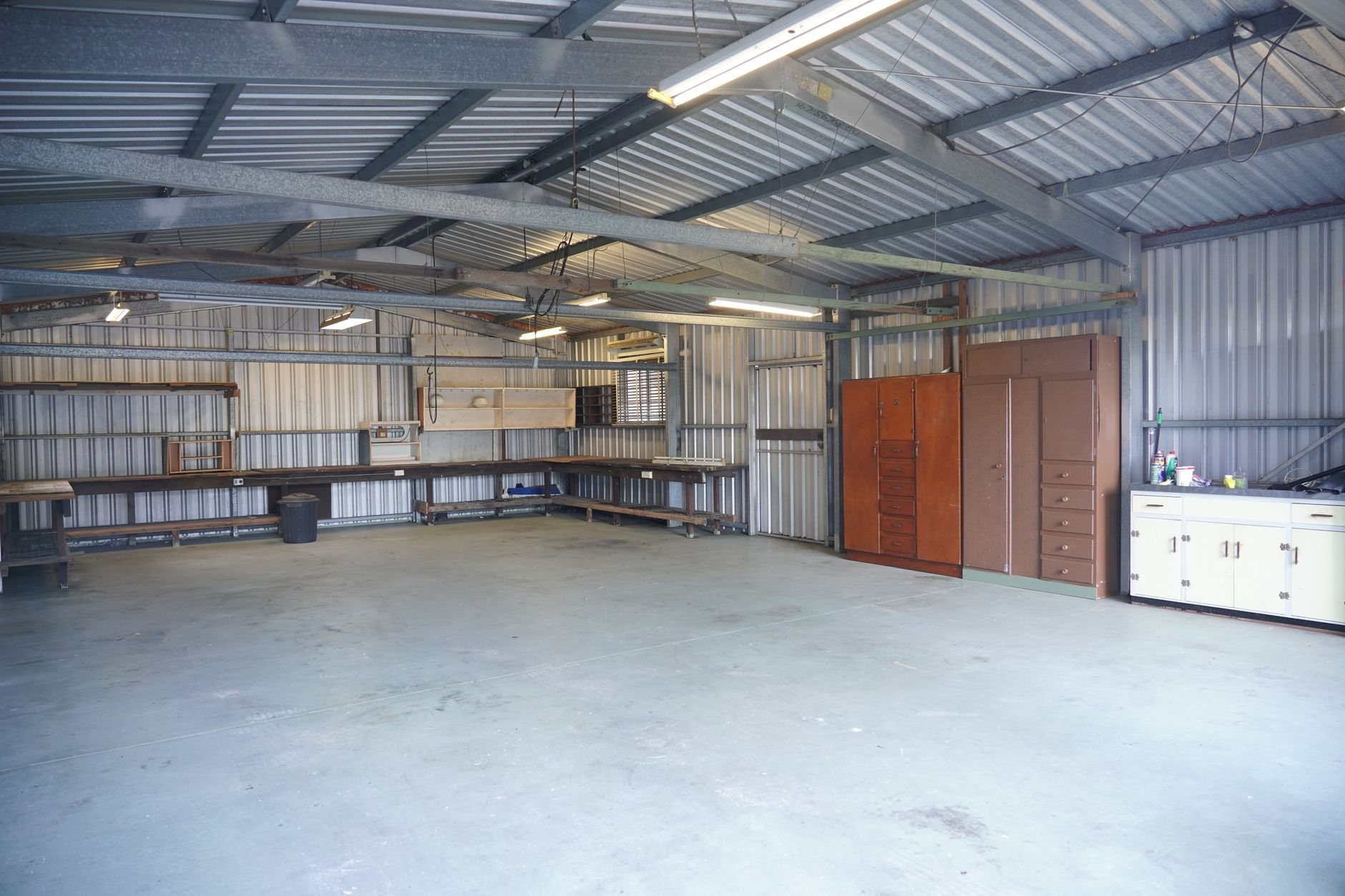
Build industrial when your operation has outgrown leased space, when the lease math has flipped — rent on the space you need now costs more than owning it — or when no existing building fits how you actually work. Clear height, dock positions, power capacity, and floor loading are hard to retrofit; if the buildings on the market miss on two or more of those, ground-up is usually the cheaper path over a ten-year horizon.
This category fits owner-operators building their own facility, developers adding speculative warehouse or flex product, and businesses that need production, storage, and office under one roof. Along the I-15 corridor from Provo to North Salt Lake, industrial land trades fast and municipalities want these projects — but they still want them designed to the ground they sit on and reviewed on their own timelines.
Industrial buildings look simple. The risk hides in three places: the soil under the slab, the coordination between the building shell and the equipment going inside it, and the schedule. We manage all three from the first conversation. Not sure whether you need ground-up or a modification of an existing building? Our commercial construction team can give you a straight comparison before you commit either way.
Six kinds of industrial work, one accountable contractor
Distribution centers
Dock-heavy buildings designed around truck circulation, trailer storage, and the racking plan — not the other way around.
ExploreFlex space
Shell buildings that split into office, showroom, and warehouse bays — built so future tenants can reconfigure without structural surgery.
ExploreLight manufacturing
Production facilities where power capacity, floor flatness, and equipment layout drive the design from day one.
ExploreCold storage
Refrigerated and freezer buildings where insulation detailing, vapor barriers, and under-slab protection decide whether the building works.
ExploreTilt-up concrete
Site-cast concrete wall panels lifted into place — durable, fire-resistant shells that make sense at the right building size.
ExplorePre-engineered metal buildings
PEMB erection from foundation design through weathertight shell — often the fastest, most economical route to clear-span space.
ExploreHow we run an industrial build
We manage the site work, foundations, slab, and shell directly, and we coordinate the rest under one contract. Electrical, plumbing, HVAC, and fire suppression are performed by licensed trade partners: Grandview holds the contract and manages those licensed contractors — we coordinate, sequence, and quality-check their work within your project. One schedule, one point of contact, one company answerable for the building.
- Start with the ground. Much of the developable land in Utah County sits on lakebed clays or bench soils that are expansive or collapsible — a real problem under a heavily loaded slab-on-grade. We start with a geotechnical report and design the slab and footings from what the borings show, not from a standard detail. The Utah Geological Survey maps these soil hazards for good reason.
- Define the building around the operation. Clear height, bay spacing, dock count, power service, and floor loading get decided on paper with your equipment and racking plan in hand — because each of them is cheap to change in design and brutal to change in steel.
- Pick the shell system honestly. Tilt-up, PEMB, or conventional steel each win in different scenarios of size, speed, insulation, and future flexibility. We price the honest comparison instead of defaulting to whichever one a contractor prefers to build.
- Permit with eyes open. Fast-growth cities like Lehi, Saratoga Springs, and Eagle Mountain review on different timelines than established Provo, Orem, or Salt Lake City departments, and industrial projects add site-plan, drainage, and fire-access reviews on top of the building permit. We build the real review timeline into the schedule instead of discovering it mid-project.
- Build in sequence, close completely. Earthwork, foundations, slab, shell, systems, and tenant fit-out each start when the work before them is verified ready. Final inspections, documentation, and a clean handoff to current Utah-adopted code. Problems happen. Surprises should not.
What Utah’s climate and geology mean for your building
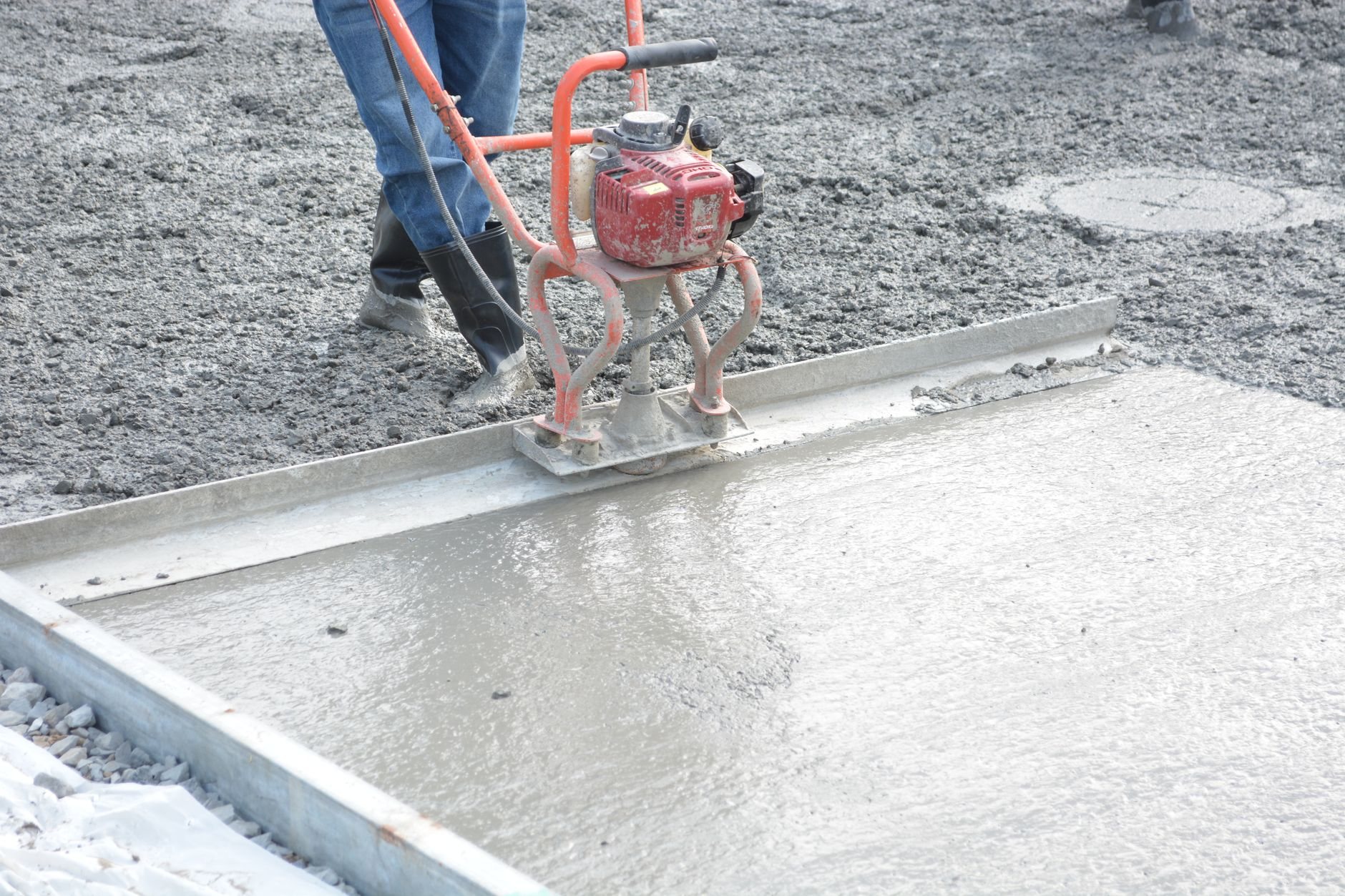
The slab is the most important — and least visible — part of an industrial building, and along the Wasatch Front it has to be designed for real conditions. Exterior aprons, dolly pads, and truck courts see roughly a hundred-plus freeze–thaw days a year, so we specify air-entrained mixes and proper joint layouts on exterior concrete; interior slabs get the flatness and reinforcement your racking and forklift traffic actually require.
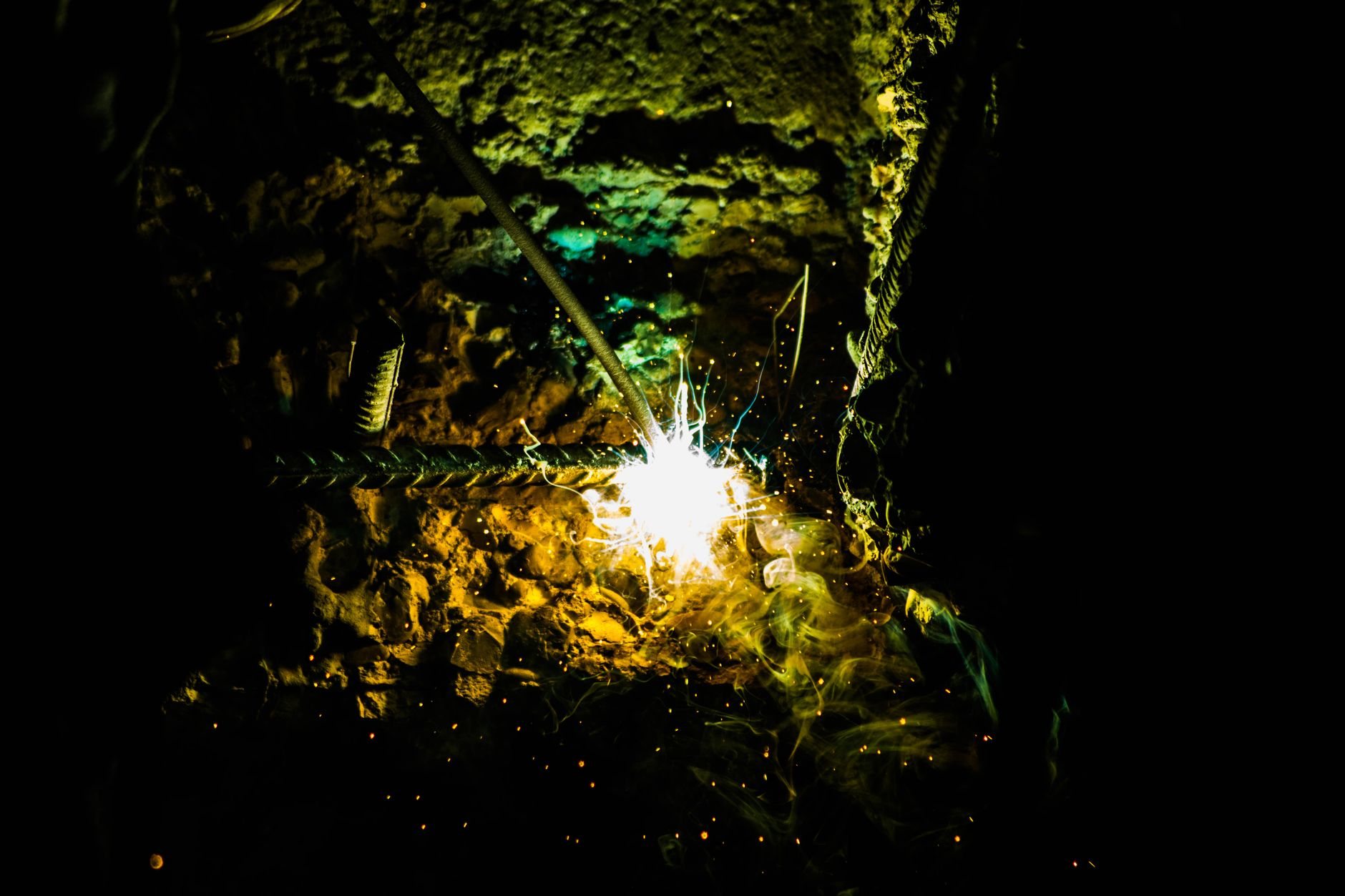
Structure matters here too. The Wasatch fault runs the length of the corridor, and seismic design governs anchorage, bracing, and connection details on industrial buildings — welded connections get inspected, rack anchorage gets engineered, and none of it is optional under current Utah-adopted code. It’s the kind of thing you want your contractor treating as normal practice rather than a surprise line item.
Site drainage earns attention as well. Summer monsoon cloudbursts can drop a lot of water on a large flat roof and several acres of pavement in twenty minutes, so roof drainage, detention, and grading get designed for the storm, not the average afternoon. If your project involves significant earthwork or retaining structures, our site, structure and envelope team handles excavation, foundations, and concrete under the same roof — and for projects mixing warehouse with residential or office density, see our multifamily construction work.
Questions we actually get
What does warehouse construction cost per square foot in Utah?
As ballpark planning numbers: basic PEMB shells often land roughly $80–140 per square foot, tilt-up and more finished buildings $120–200+, with cold storage well above that. Soils, site work, power service, dock equipment, and office build-out move those numbers meaningfully. We give a project-specific range after seeing the site and program — not before.
Tilt-up or a pre-engineered metal building — which should I choose?
Size and use decide it. PEMB usually wins under about 50,000 square feet on speed and cost; tilt-up gets competitive as buildings grow, and wins on durability, fire resistance, and insurance profile. Insulation needs, future expansion, and appearance requirements also weigh in. We price both when the answer isn’t obvious.
How long does an industrial build take?
A straightforward 20,000–50,000 square foot shell typically runs 8–14 months from design start to occupancy, with permitting and site work often consuming as much calendar as the building itself. Fast-growth cities can add review time, and long-lead items like steel, dock equipment, and switchgear need ordering early. We map the critical path before you commit.
Can you handle the racking, equipment, and fire suppression coordination?
Yes — coordination is most of the job. Fire suppression and electrical are performed by licensed trade partners under our contract; we sequence and quality-check their work within your project. Racking layout drives sprinkler design and slab loading, so we bring those decisions into design early rather than bolting them on after the shell is up.
Tell us what you’re planning to build
We reply within a couple of hours during business hours — a day at most. You’ll get a straight read on your site, your building options, and a realistic budget range before anyone commits to anything. Grandview is a licensed and insured Utah general contractor — verify B100 license #14282236-5501 at dopl.utah.gov — and part of our broader new construction practice across Utah County and the Salt Lake Valley.