
General contractor in Spanish Fork, Utah
Grandview Contractors is a Provo-based general contractor — Utah DOPL B100 license #14282236-5501 — about fifteen minutes up I-15 from Spanish Fork’s Main Street. We build, remodel, and repair across the city, from the original townsite grid to the subdivisions filling in around Legacy Farms and the east bench.
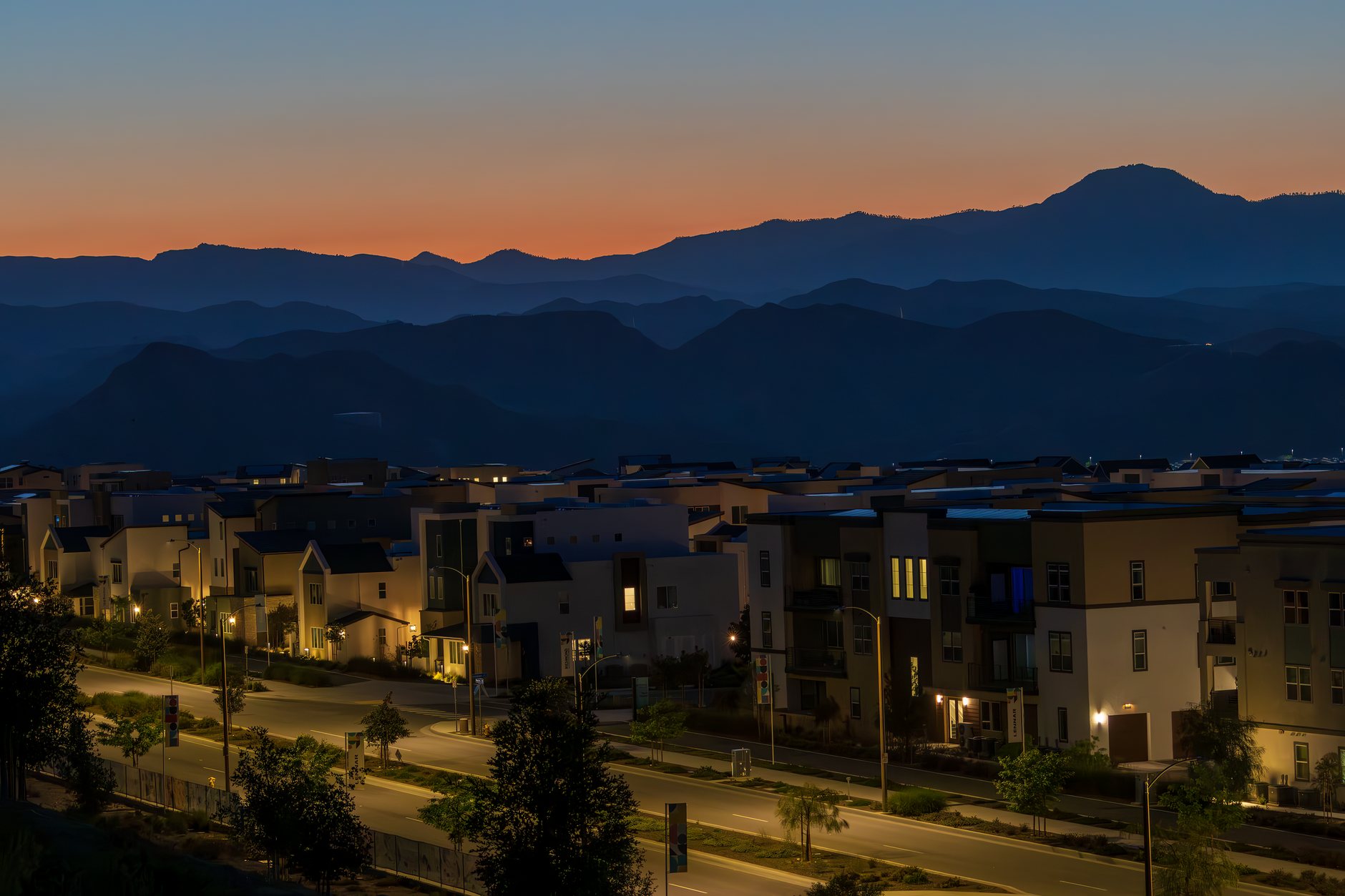
Building in a city planning to double
Spanish Fork sits around 48,000 residents today and its own planning documents anticipate roughly 93,500 by 2050 — on the order of 13,600 new housing units between now and then. You can see it on the ground: the city issued more than 900 building permits in 2025, subdivisions like Legacy Farms, Sky Meadows, and High Sky Estates are still absorbing lots, and the station-area plan around the future FrontRunner stop is set to concentrate the next wave of growth. For owners building here — a custom home on one of those scattered vacant lots, a detached shop, or an accessory dwelling unit behind an existing house — the fundamentals matter more than the renderings. Spanish Fork’s ground changes character fast: alluvial-fan gravels near the canyon mouth, deep lakebed clays out toward the Westfields side, and everything in between. We treat excavation and grading as engineering, not dirt moving, because footing and drainage decisions made in week one are the ones you live with for fifty years.
Then there’s the wind. Spanish Fork Canyon funnels east winds that gust past 70 mph in the worst events — it’s why the turbines stand at the canyon mouth — and that has real implications for how a roof, a fence, or a patio cover gets fastened here. On roofing work in the east-bench neighborhoods especially, we spec edge fastening and underlayment for the wind the canyon actually delivers, not the statewide average.
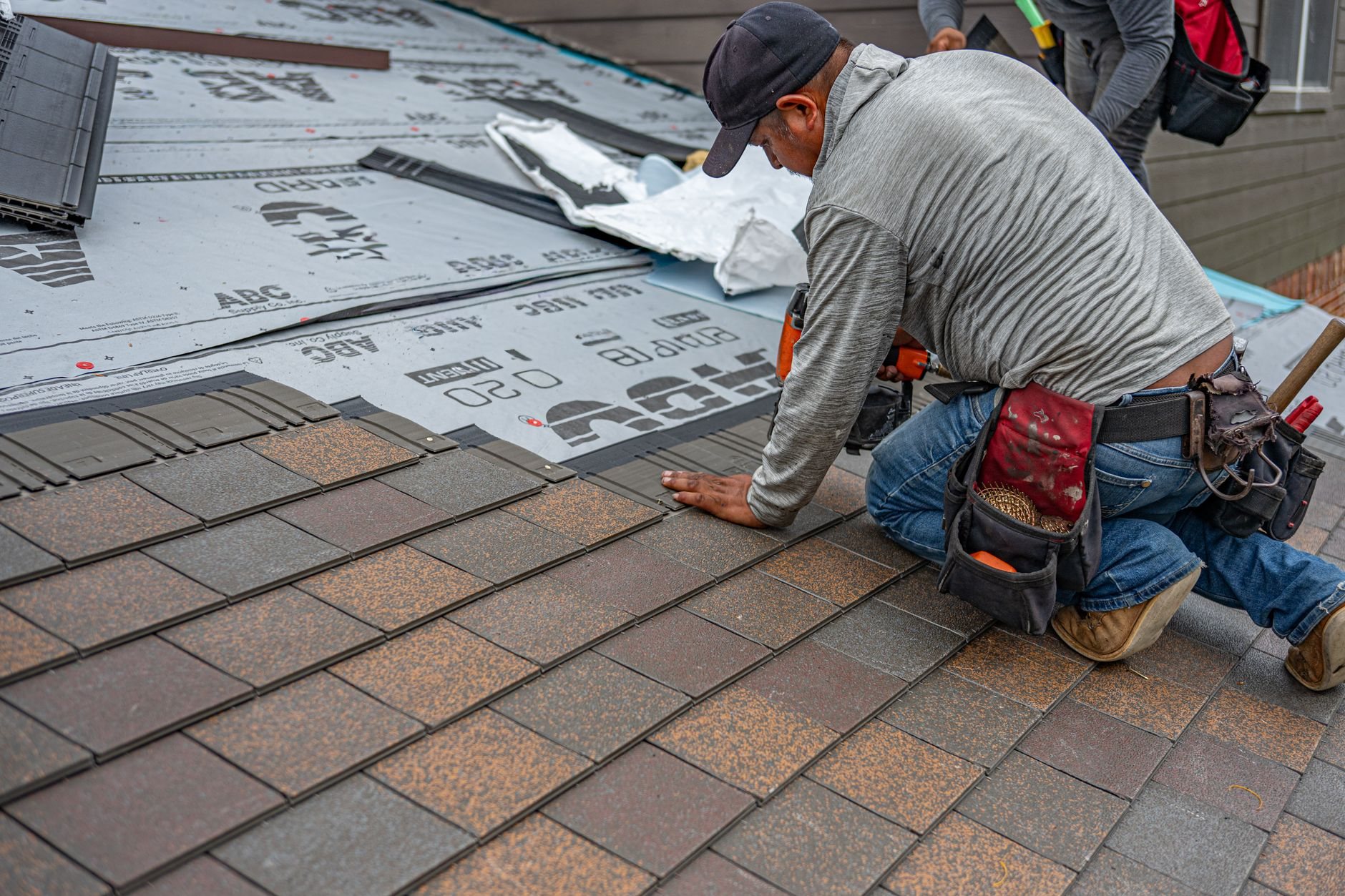
The older grid is a different job
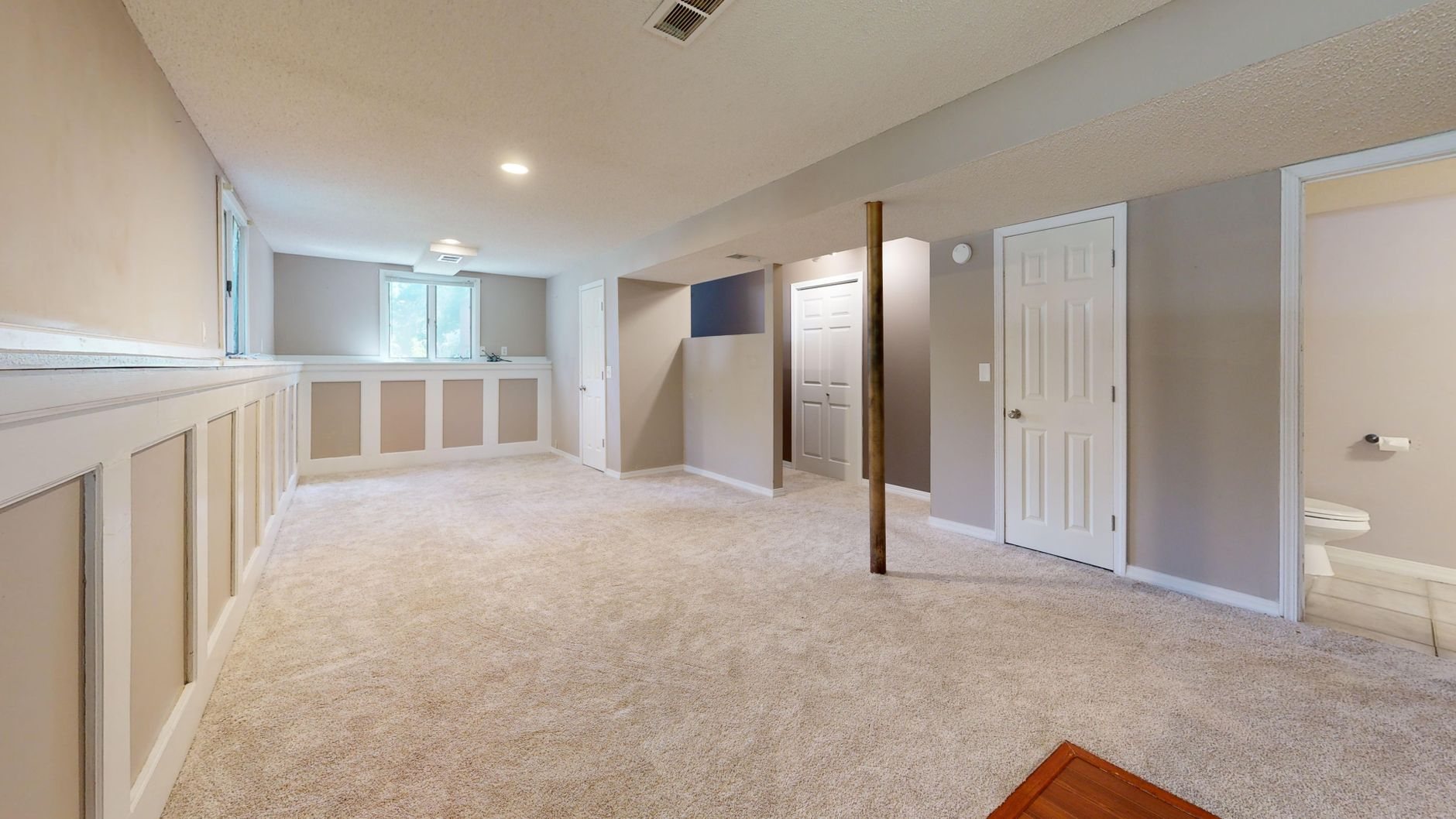
Growth is only half of Spanish Fork. The blocks around Main and Center Street hold townsite-era homes from the early 1900s; the wider grid filled in with ramblers and split-levels through the 1970s and 80s; and the big 1995–2010 build-out that climbed the east bench is now twenty to thirty years old. That last cohort is quietly becoming remodel country — original kitchens, unfinished basements, builder-grade windows, and roofs reaching the end of their first life, all in houses whose structure is worth investing in. A kitchen remodel or basement finish in these homes is straightforward work when it’s planned properly: egress windows where bedrooms are going, moisture handled before drywall, and the roughly 100 freeze-thaw days a Wasatch Front winter throws at anything outside accounted for in the flatwork and exterior details. In the older townsite homes, we open up carefully and design new work around what the original builders actually did — a century-old house rewards that patience and punishes assumptions.
Permits run through CitizenServe
Spanish Fork Community Development handles building permits from 40 South Main, and applications and inspections both run through the city’s CitizenServe online portal. Two scheduling realities worth knowing: inspections must be booked at least 24 hours ahead, and work that isn’t ready when the inspector arrives draws a re-inspection fee — so the build sequence has to respect the inspection calendar, not fight it. The city also uses a combined four-way inspection covering framing, electrical, mechanical, and plumbing rough-ins, which means all four trades have to land together. We build permit packages to the current Utah-adopted code, manage that sequencing as part of the job, and verify anything site-specific with the Spanish Fork building department directly. We see dependencies before they become delays.
Questions we hear in Spanish Fork
Does the canyon wind actually change how you build?
Yes, in specific ways. Roof edges, ridge caps, and starter courses get enhanced fastening; fences, pergolas, and patio covers get footings and connections sized for gust loads, not calm-day loads. East-facing exposures near the canyon mouth take the worst of it, and we detail those elevations accordingly.
Can I build an ADU on my Spanish Fork lot?
In many zones, yes — Spanish Fork has published its own guide to accessory dwelling units, and the rules cover owner occupancy, parking, and size limits. We confirm what your specific lot allows during preconstruction, then design the unit to fit both the ordinance and the budget before anyone commits to drawings.
Is building on the west side different from the east bench?
Structurally, yes. Ground west of the city center trends toward fine lakebed soils with real clay content, while the bench carries alluvial gravels off the canyon. That difference drives footing design, compaction, and drainage — the Utah Geological Survey at geology.utah.gov documents why Utah Valley soils deserve respect. A geotechnical look up front is cheap compared to fixing settlement later.
Nearby cities we serve
From Spanish Fork we regularly work in Springville, Salem, and Payson — the whole south end of Utah County is a short drive from our Provo office.
Tell us what you’re working on
We reply within a couple of hours during business hours — a day at most. You’ll get a straight read on scope, sequence, and budget before anyone commits to anything.