
General contractor in Salt Lake City, Utah
Grandview Contractors is a Provo-based general contractor working throughout Salt Lake City under Utah DOPL license B100 #14282236-5501. We renovate the city’s century-old brick homes, build additions and ADUs on its small lots, and handle commercial build-outs downtown — licensed, insured, and reachable.
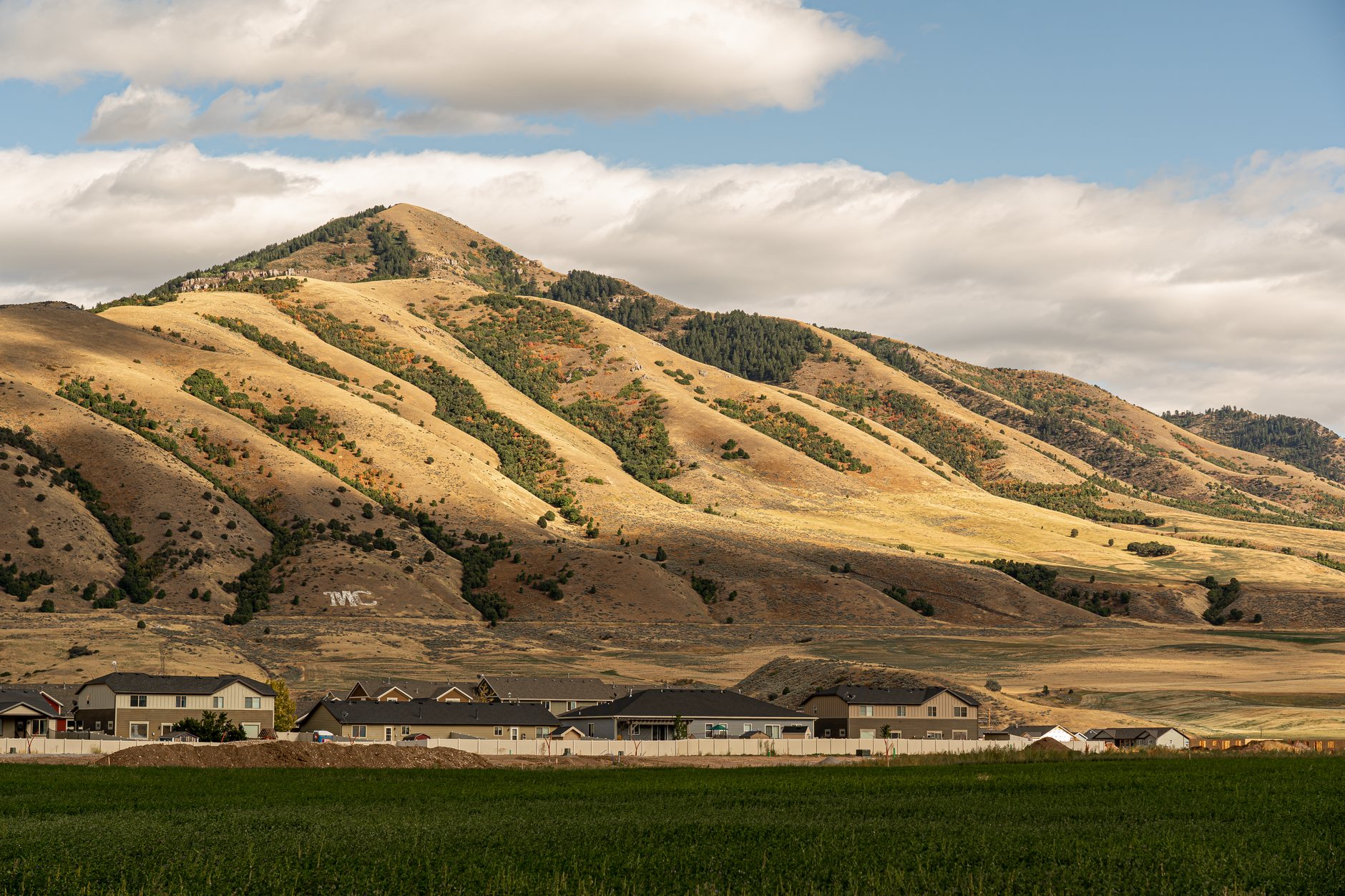
The oldest housing stock in Utah, treated with respect
Salt Lake City is not a subdivision town. The Avenues alone cover nearly a hundred blocks of Victorian and early-twentieth-century homes, and most of the central city — Sugar House, Liberty Wells, Yalecrest, the Marmalade district — was built before 1960 on compact lots. That housing stock rewards owners who maintain it and punishes shortcuts. Plaster walls hide knob-and-tube wiring, original framing rarely matches modern lumber dimensions, and a “simple” wall removal often turns out to be structural. We approach whole-home renovation in these neighborhoods the way it deserves: open things up carefully, find out what the house actually is, and sequence the work so surprises get handled early instead of mid-project.
The 2020 Magna earthquake made a quiet problem loud. Salt Lake City has one of the largest concentrations of unreinforced masonry buildings in the state, and that magnitude-5.5 event cracked chimneys and parapets across the valley — a rehearsal for the larger Wasatch fault event engineers plan around. If you own double-brick construction, a renovation is the right moment to talk about anchorage, parapet bracing, and roof-to-wall connections while walls are already open. The same logic applies below grade: bowing rubble or early concrete foundations under east-side homes are a foundation repair conversation worth having before the finishes go in, not after.
Geography matters here too. East bench lots sit on steeper grades with different snow loads and soil behavior than the deep lakebed clays on the west side, where soils hold water and drainage design earns its keep during summer cloudburst season. We plan footings, flatwork, and grading around the soil that’s actually there.
Additions and ADUs on small city lots
Salt Lake City legalized accessory dwelling units citywide and the ordinance is genuinely workable: one ADU per lot, fully self-contained, with detached units capped at 1,000 square feet before lot coverage and setbacks shrink the buildable envelope. On Avenues- and Sugar House-sized lots, that envelope math is the whole project — we run it in preconstruction so you know what fits before you pay for drawings. A well-planned ADU or garage conversion is one of the few ways to add square footage in a city that is largely built out.
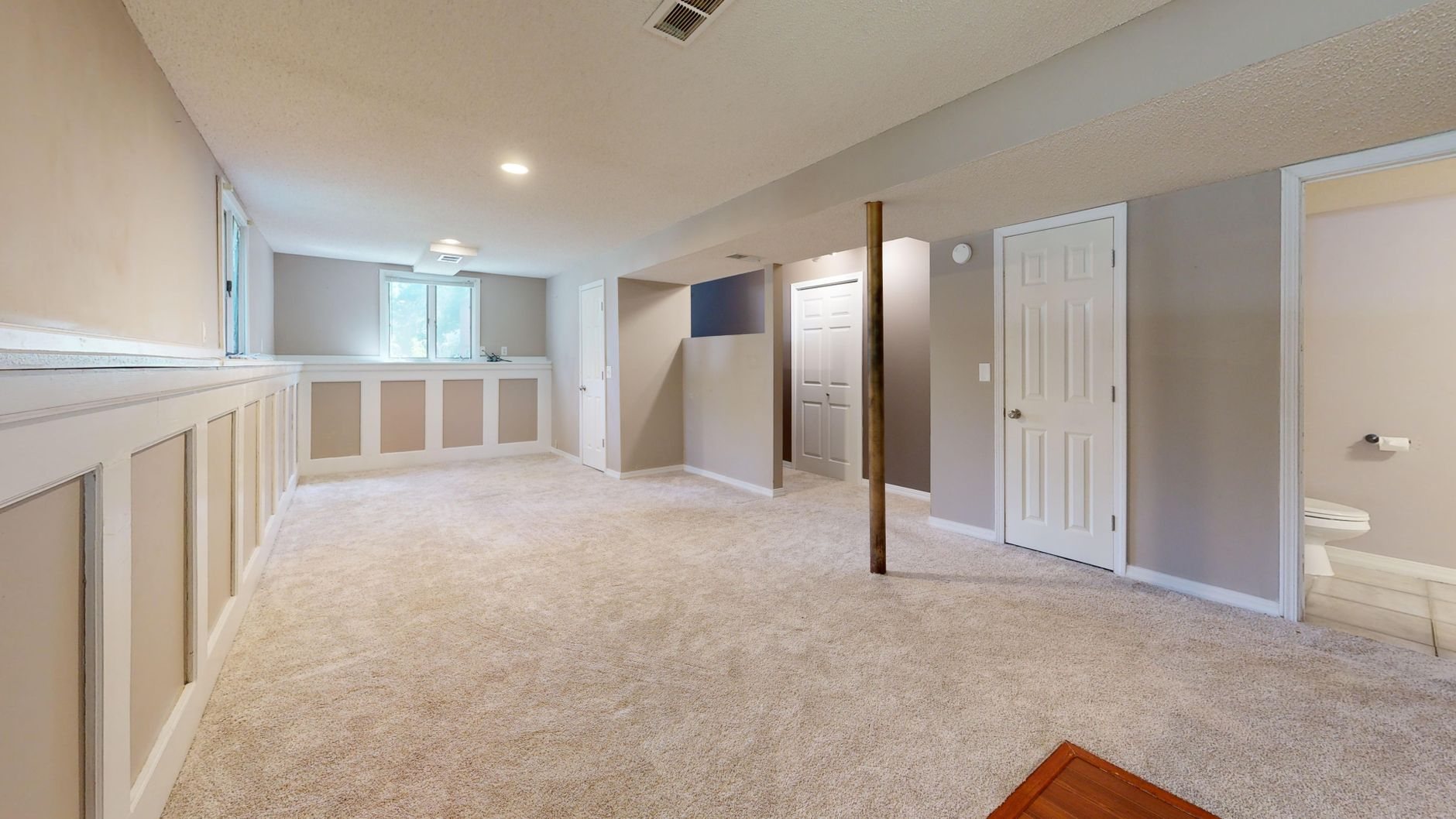
When the lot won’t take a new structure, the house itself usually has room to give. Home additions off the back of a bungalow, second-story additions where the foundation can carry them, and basement finishing are the standard moves. Basements here come with two non-negotiables: egress windows for any bedroom, and attention to radon — Utah’s geology produces elevated levels often enough that testing and mitigation rough-in belong in the plan, not the punch list.
How permitting works in Salt Lake City
Everything goes through the city’s Citizen Access Portal, and Salt Lake City Building Services runs a concurrent electronic plan review — building, structural, zoning, fire, and public utilities look at your plans at the same time rather than in series. The city targets first-review comments within about 14 business days for one- and two-family projects and 30 days for commercial. Projects in local historic districts like the Avenues add a design-review step before permits move. We prepare submittals with those reviewers in mind and confirm current requirements with the city on every project, because a clean first submission is the cheapest schedule acceleration there is.
Downtown is a different kind of busy: thousands of apartment units under construction and a steady churn of storefronts and offices changing hands. For commercial owners and tenants, we handle tenant improvements sequenced around your operations, with preconstruction and estimating up front so the budget is a plan rather than a hope.
Questions we actually get in Salt Lake City
You’re based in Provo — do you really work in Salt Lake City?
Yes. Our service area runs from Payson to North Salt Lake, and Salt Lake City sits well inside it. One Utah DOPL B100 license covers the whole state, verifiable at dopl.utah.gov, and we schedule crews and site visits in the Salt Lake Valley every week.
Can you renovate a home in a historic district like the Avenues?
Yes, with the extra step accounted for. Exterior changes in local historic districts go through the city’s design review before building permits issue. We build that review into the schedule and scope drawings accordingly, so approval is a milestone rather than a surprise. Verify specifics with Salt Lake City Planning for your address.
What drives cost most on older Salt Lake City homes?
What’s behind the walls. Outdated wiring and plumbing, unpermitted past work, and structural improvisation from earlier decades are the usual budget movers — not finishes. We scope for discovery, carry honest contingencies, and price options before work proceeds, so decisions stay yours.
Nearby cities we serve
We work across the Salt Lake Valley, including Millcreek, Murray, and North Salt Lake. See the full service area for everywhere we build.
Tell us what you’re working on
We reply within a couple of hours during business hours — a day at most. You’ll get a straight read on scope, sequence, and budget before anyone commits to anything.