
General contractor in Cedar Hills, Utah
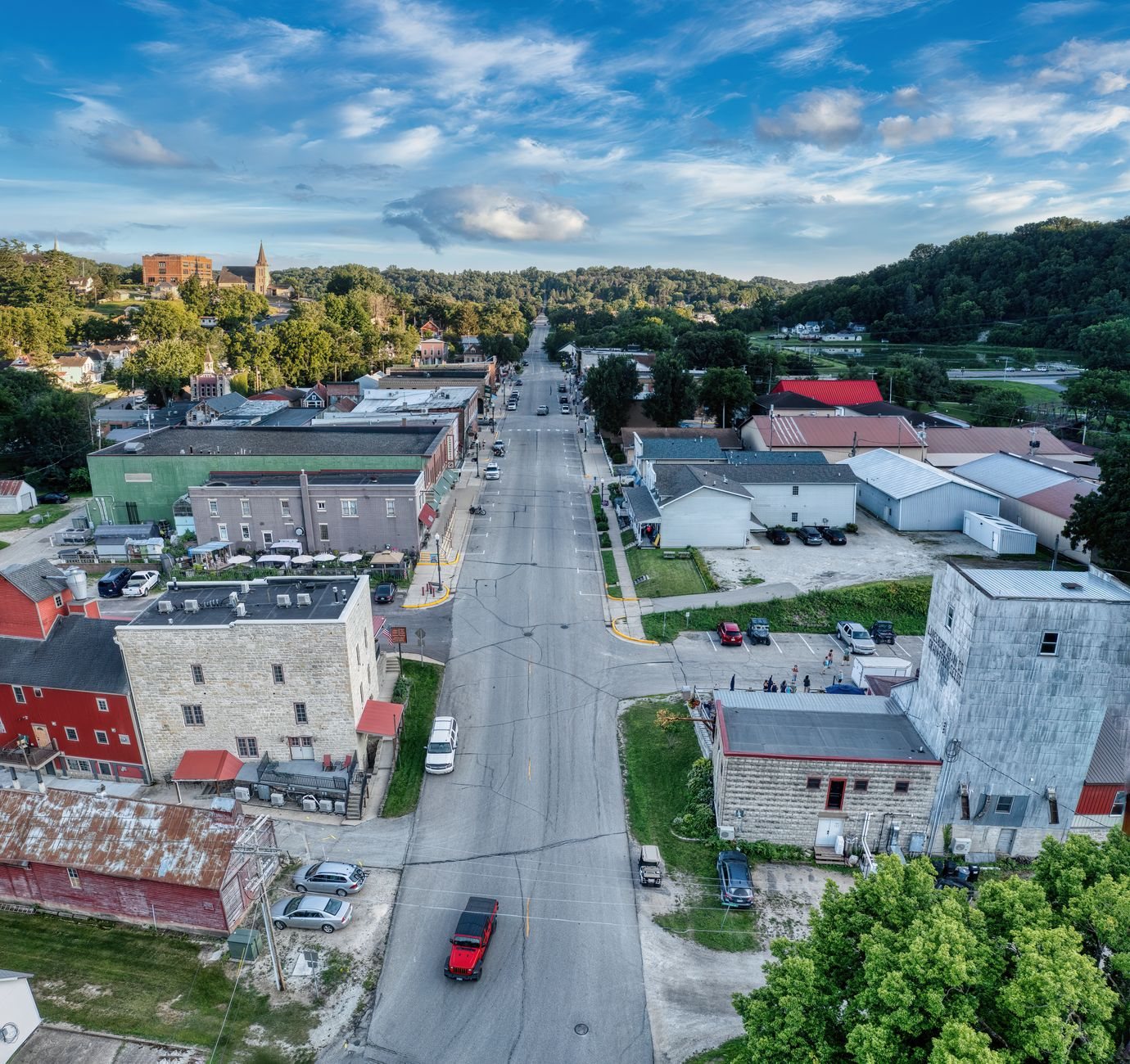
Grandview Contractors is a Provo-based general contractor serving Cedar Hills under Utah DOPL B100 license #14282236-5501. We remodel, add on, and repair homes on the Timpanogos bench — and we plan the work around the slopes, soils, and canyon weather that come with it.
Work we take on in Cedar Hills
Cedar Hills is an unusual city in Utah County: it’s essentially finished. Roughly six in ten homes here went up between 2000 and 2009, the last open subdivisions filled in during the 2010s, and today there’s almost no raw ground left to plat. That makes Cedar Hills a renovation town. A house built in 2003 is now old enough that the builder-grade kitchen, the original carpet, and the unfinished half of the basement have all outlived their welcome — but the bones, the neighborhood, and the view up American Fork Canyon are exactly why nobody wants to move. So people stay and rebuild the inside of what they have.
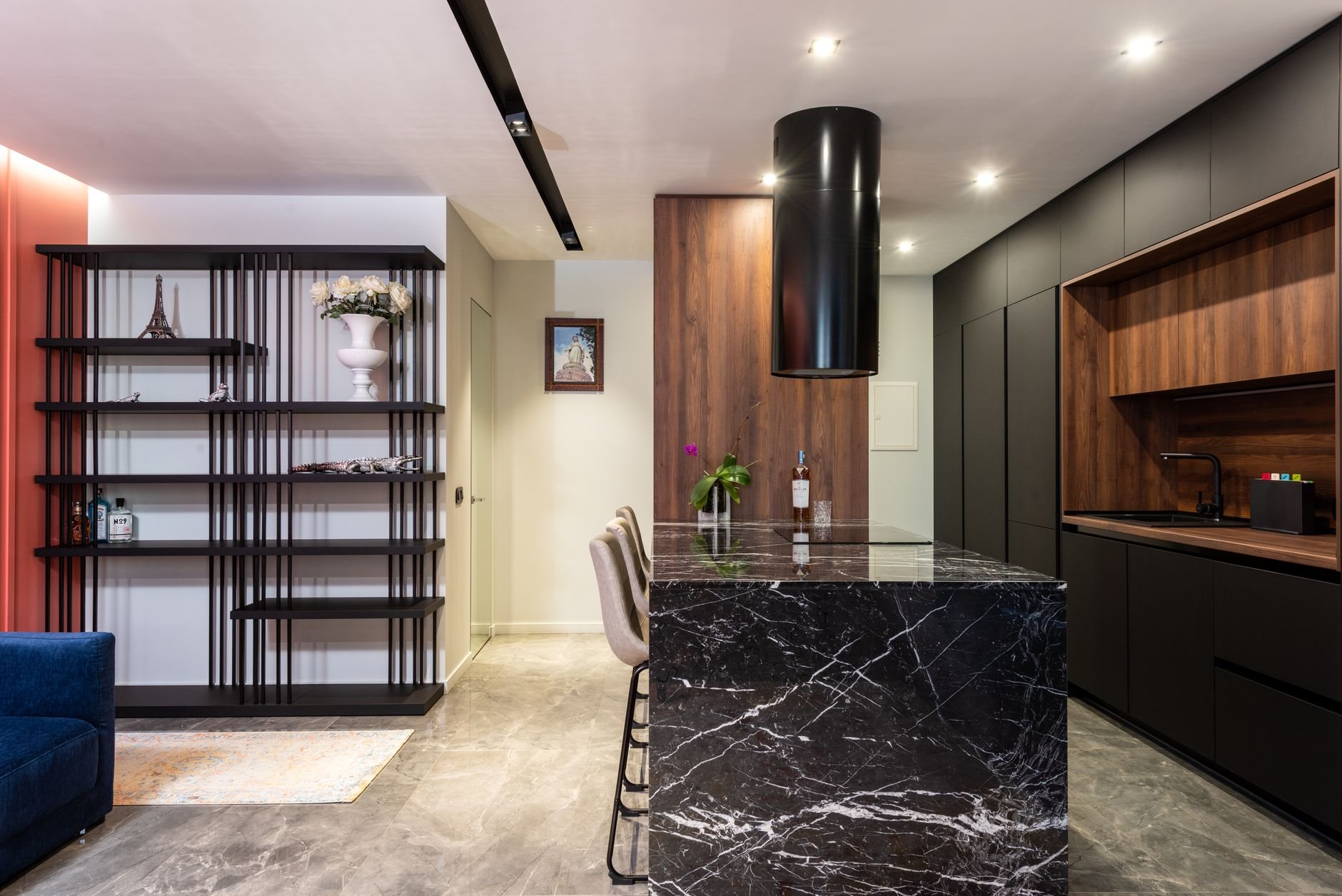
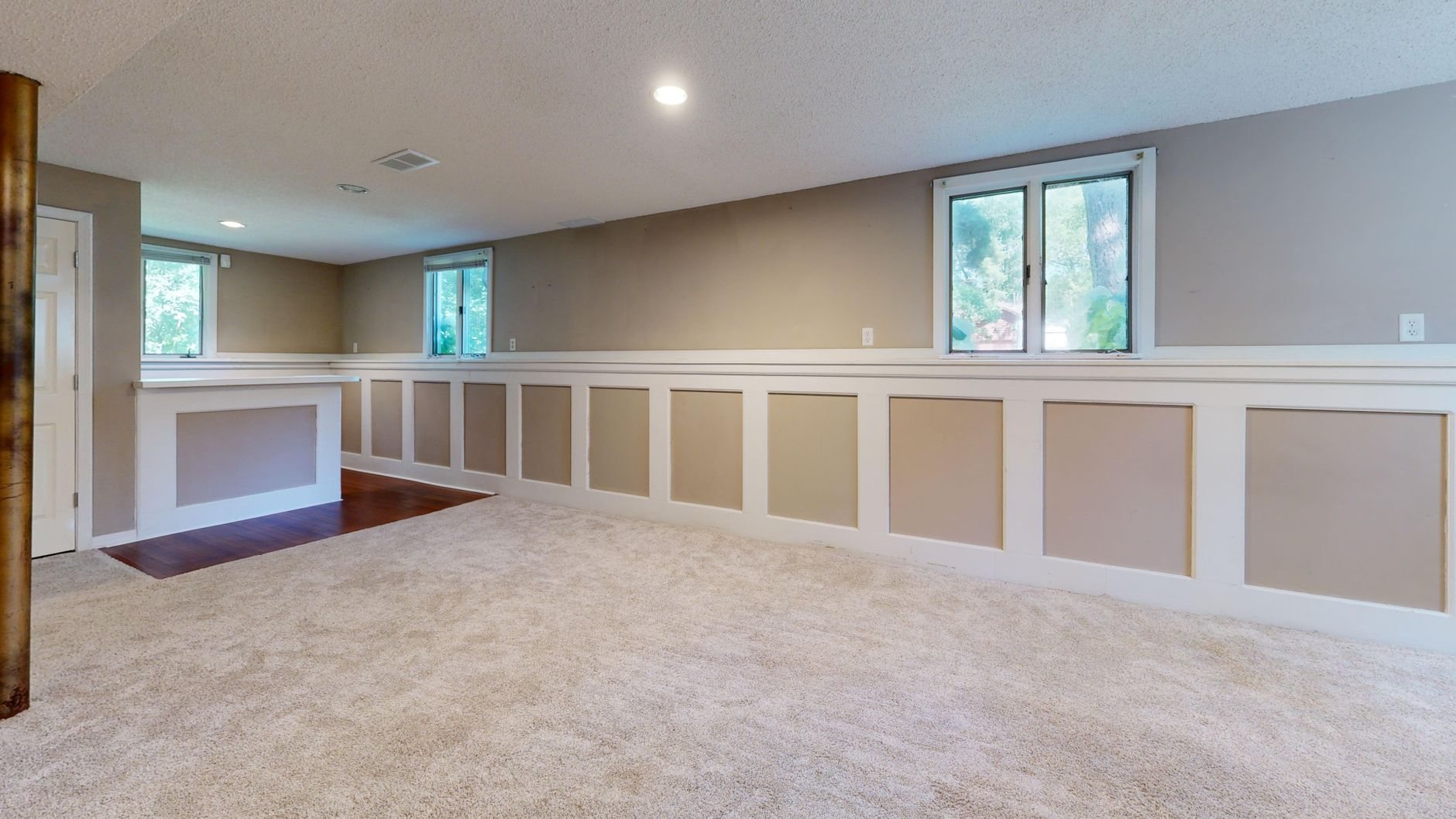
That’s most of what we do here. Kitchen remodels that replace the early-2000s oak-and-laminate package with something built to current taste and current code. Basement finishing in the large walk-out and daylight basements common on the bench — with proper egress windows for bedrooms and attention to Utah’s high-radon geology before the drywall goes up. And home additions for families who’ve decided the lot is worth more than the square footage currently sitting on it. Because Cedar Hills is overwhelmingly detached single-family — about 84% of the housing stock — most projects are whole-house decisions made by owners planning to stay a long time, and we scope them that way.
Building on the Timpanogos bench
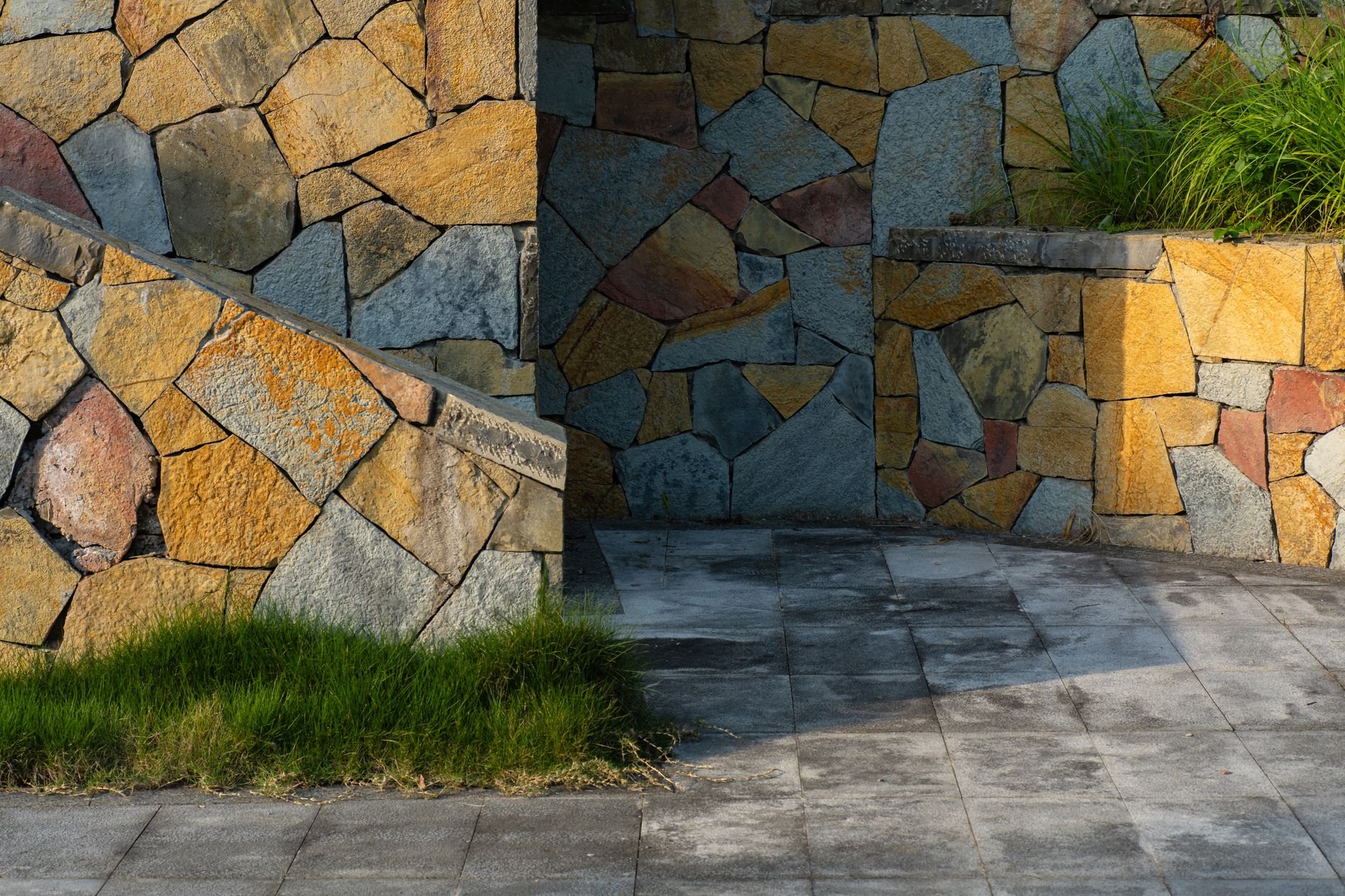
Cedar Hills sits on the western slopes of Mount Timpanogos, and the grade is not a detail — the city regulates hillside development closely, including how slope is measured on steeper lots, specifically to keep structures off unstable ground. In practice that means exterior work here often starts with the site itself: retaining walls that hold a usable backyard out of a sloped lot, and drainage that routes summer cloudbursts around the foundation instead of into the window wells. Bench soils along the Wasatch Front can also be collapsible or expansive, which is why we treat cracked flatwork, sticking doors, and stair-step foundation cracks as symptoms worth diagnosing — foundation repair on the bench is far cheaper early than late. The Utah Geological Survey documents these soil and slope hazards across the Wasatch Front at geology.utah.gov.
The other bench reality is weather. Lots near the mouth of American Fork Canyon take real canyon wind, which changes how we fasten roofing, sheathing, and fences, and it’s one reason decks and pergolas up here deserve better connection hardware than the valley-floor minimum. Add 100-plus freeze–thaw days a year and slightly heavier snow loads than the valley floor, and exterior materials earn their keep or fail publicly. Permits for this work run through the Cedar Hills building department on Canyon Road (cedarhills.org) — a small office with a straightforward process, and we handle the submittals and inspections as part of the job.
Nearby cities we serve
Cedar Hills shares its bench — and most of its construction realities — with its neighbors. We work throughout north Utah County, including Highland, Alpine, and American Fork, and across the rest of our service area from Payson to North Salt Lake.
Questions we get from Cedar Hills homeowners
Do I need a permit to finish my basement in Cedar Hills?
Yes. Basement finishing requires a building permit through the Cedar Hills building department, and bedrooms need code-compliant egress windows. We prepare the drawings, pull the permit, and schedule inspections as part of the project — verify specifics with the city, since requirements follow the current Utah-adopted code.
My early-2000s home has foundation cracks. Is that normal?
Hairline shrinkage cracks are common in homes of that era. Cracks that widen, step through block or brick, or come with sloping floors and sticking doors suggest soil movement — which bench lots are prone to. A structural evaluation tells you whether it’s cosmetic or a repair; we give you that answer before proposing anything.
What does a typical remodel cost here?
As ballpark planning numbers: mid-range Utah kitchen remodels commonly run $40,000–$90,000, basement finishes roughly $50–$90 per square foot, and additions vary widely with foundation and roof complexity. Sloped lots and canyon-wind detailing can add site cost. We give a real budget range after a consultation, not before.
Tell us what you’re working on
We reply within a couple of hours during business hours — a day at most. You’ll get a straight read on scope, sequence, and budget before anyone commits to anything. The plans may change. The standard does not.