
On-Site & Field Welding in Utah County
Mobile welding brings the welder, the power, and the gas to the work instead of hauling the work to a shop — for steel that is bolted down, built in, too big to move, or already part of a building. Grandview performs on-site and field welding for property owners, managers, and contractors across Utah County and Salt Lake County under Utah DOPL B100 license #14282236-5501.
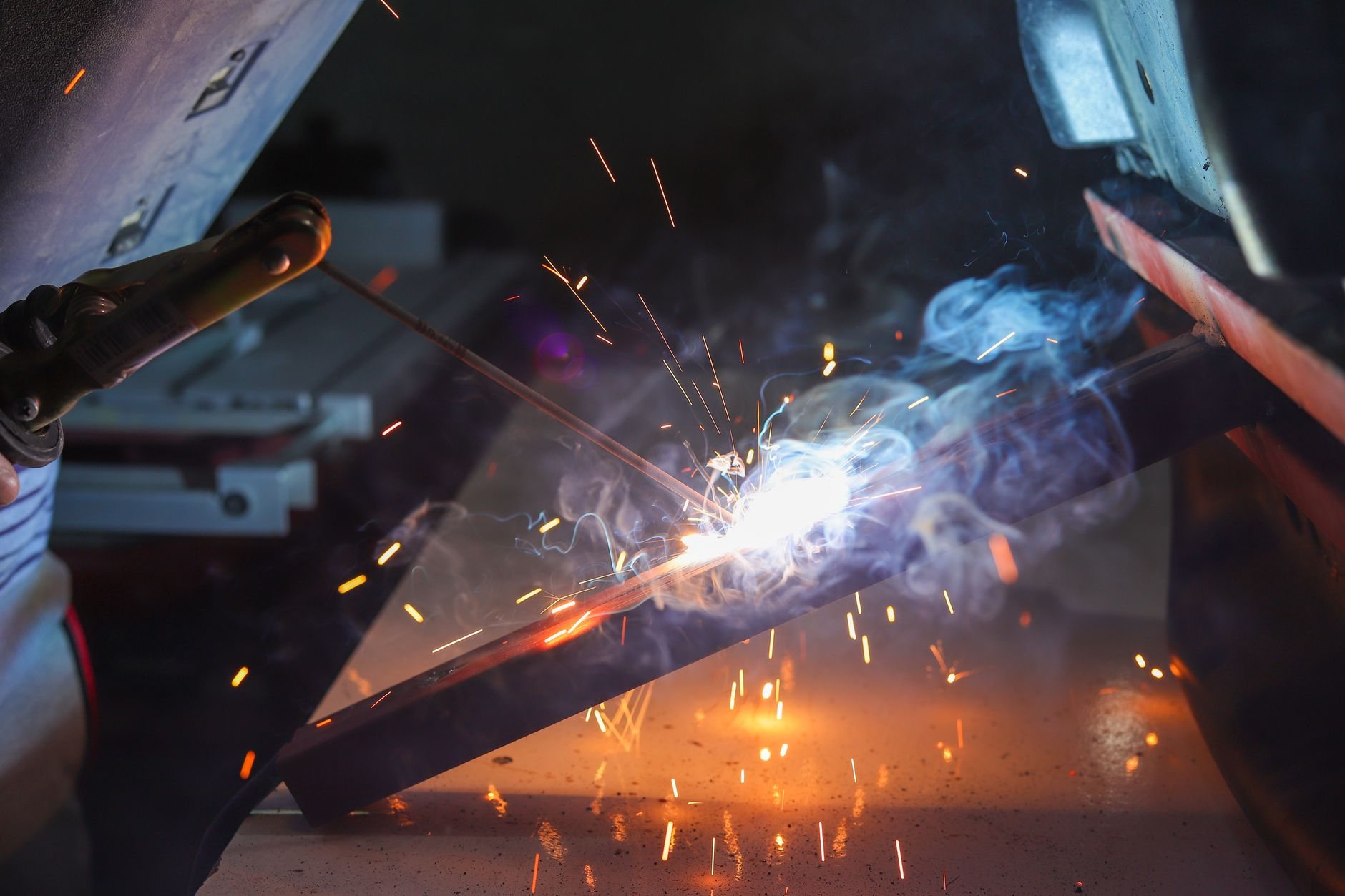
When field welding is the right call
The question is simple: can the steel come to us? If it can’t, this is the page. A guardrail post rusted off at the base of a Lehi apartment stair. A loading-dock bumper plate torn loose in Salt Lake. A broken hinge on a 400-pound driveway gate. Bollards, dumpster enclosures, dock levelers, equipment frames anchored to a slab — all cheaper to weld where they sit than to cut free, truck, and reinstall.
Field welding also finishes shop work: long handrail runs, canopy frames, and stair stringers arrive in sections and get joined on site.
Three neighbors share a boundary with this page. An engineer-flagged crack on a structural member is structural weld repair — same truck, but with an approved procedure, a special inspector, and a permit. Aluminum or stainless with a furniture-grade finish belongs on TIG and aluminum welding, which usually means shop conditions. New brackets, frames, and ladders built rather than repaired are miscellaneous metals. This page is carbon steel, in place, done right the first visit.
What on-site welding actually involves
Welding in a parking lot in February is a different job from welding on a bench. The differences are where field work goes wrong.
- Power. The truck carries an engine-driven welder-generator, so we don’t depend on your building’s circuits or trip the ones running your tenants’ freezers.
- Process. Outdoors, shielding gas blows away. A canyon-wind afternoon on the east bench or a gusty day in Centerville will hollow out a MIG weld with porosity you can’t see. So most field work runs on stick (7018 low-hydrogen rod) or self-shielded flux-core, both built for wind. Gas-shielded processes come out only behind a wind screen or indoors.
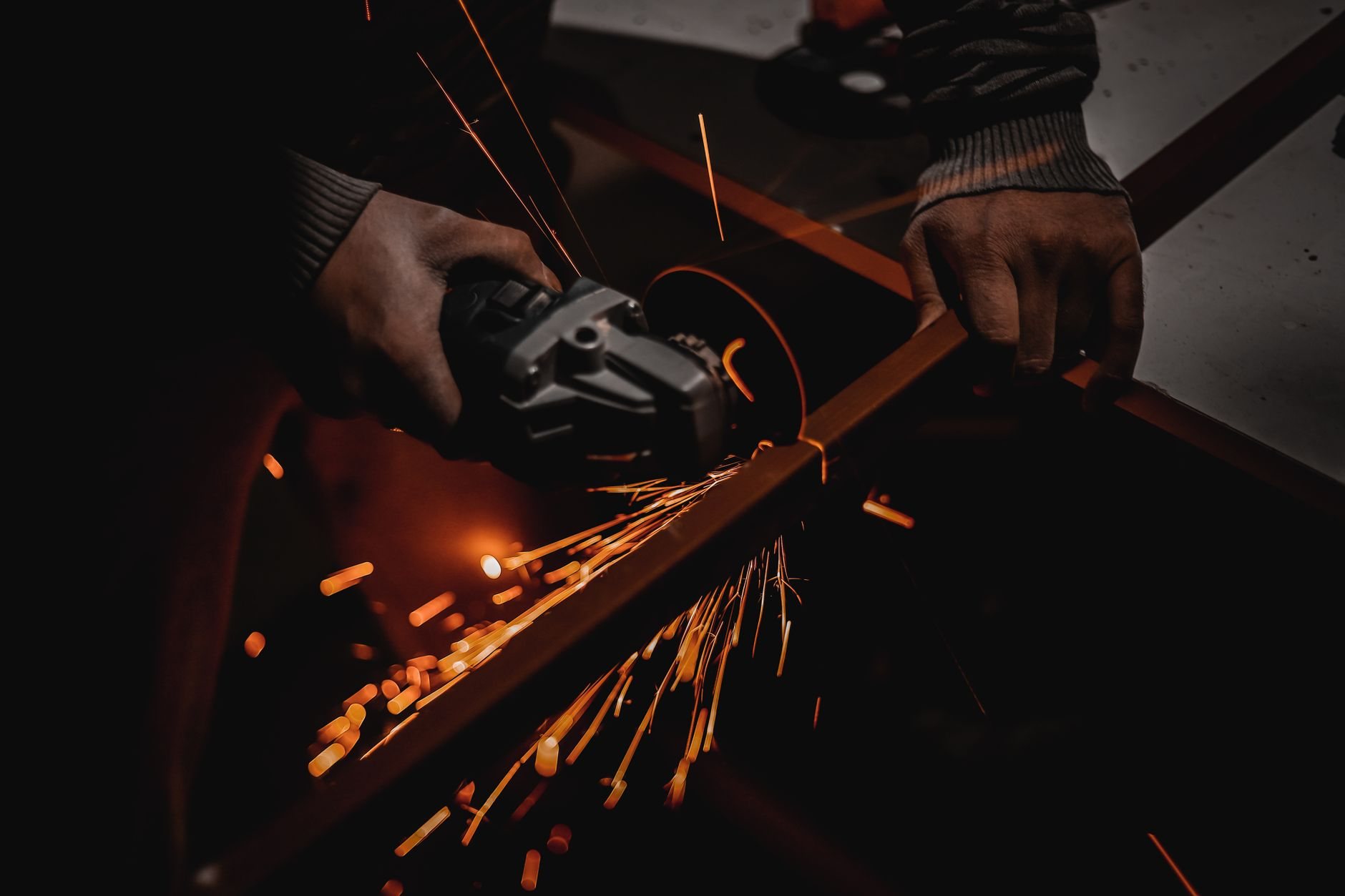
- Surface prep. Steel that lives outside is painted, galvanized, or rusted. We grind the joint to bright metal and strip galvanizing well back from the weld — burning zinc makes fumes nobody should breathe and a weld nobody should trust. Rust pits get ground out, not welded over.
- Temperature. Below about 32°F, cold steel pulls heat from the weld fast enough to crack it. Wasatch Front winters put us there for weeks, so cold-weather work gets a torch preheat and stacked passes rather than one hot bead.
- Fire safety. Every job is hot work. We clear or shield combustibles within the spark radius, carry extinguishers, stay for a fire watch after the last arc, and follow the building’s hot-work permit process on occupied commercial properties.
- Finish. Field welds get wire-brushed, and exterior joints get a zinc-rich cold-galvanizing compound or rust-inhibiting primer the same day. Utah’s high-elevation UV is hard on exposed steel, and an unprimed weld rusts first.
One boundary we hold: if the steel carries a building, a floor, or a roof, we stop and get an engineer’s detail first, and the work moves to a permitted scope with special inspection. Welded connections on primary structure are where seismic performance lives in Wasatch fault country, and current Utah-adopted code requires inspection of them. Problems happen. Surprises should not.
What does mobile welding cost in Utah?
For planning purposes, on-site welding along the Wasatch Front runs as a trip charge plus an hourly rate, with a two-hour minimum common. A single-visit repair — a cracked gate hinge, a broken handrail post, a torn dock plate — most often lands between $350 and $900 all in. Multi-day commercial field work is priced by scope. Ballpark planning numbers, not quotes.
What moves the price:
- Drive time. A Provo job and a Herriman job are the same weld with different windshield time.
- Prep. Thick paint, heavy rust, or galvanizing adds grinding time before any welding starts.
- Position and access. Overhead welding from a ladder is slower than flat welding at waist height. Lifts and scaffolding add cost.
- Material to add. A new post, sleeve, or gusset plate fabricated and brought along — a photo ahead of time lets us arrive with it.
- Weather. Winter preheat, wind screens, and rained-out return trips during a July monsoon cloudburst.
Send a photo and a rough measurement with your request. Most jobs get a range by return call.

Questions we actually get
Can you weld a handrail or gate that’s already installed, without removing it?
Yes; that is what field welding is for. We grind the joint clean, add a sleeve or gusset if the original section is too thin to hold a weld, and prime it the same visit. The piece stays anchored. The exception is a base rusted through at the concrete, which calls for a new post and a core-drilled anchor.
Does welding outside in wind or cold hurt the weld?
It can, which is why process matters. Wind strips shielding gas from MIG welds and leaves porosity; cold steel cracks hot welds. We run wind-tolerant stick or flux-core outdoors, screen the joint when it has to be gas-shielded, and preheat below freezing. Work that can’t be done sound in the day’s weather gets rescheduled rather than rushed.
Do I need a permit for on-site welding?
For repairing or attaching non-structural steel — railings, gates, bollards, equipment frames — usually no building permit, though occupied commercial buildings often require an internal hot-work permit, which we follow. Anything carrying a building load needs an engineer’s detail, a permit, and special inspection. We’ll tell you which side of that line your job sits on; verify specifics with your city’s building department.
What keeps a field weld from costing more than the quote?
Information up front. A photo, a measurement, and a note about the material (painted, galvanized, rusty) let us bring the right rod, plate, and prep tools on the first trip. The surprises that raise cost are almost always hidden corrosion or a section too thin to weld, which turns a repair into a replacement part.
Mobile welding is one piece of Grandview’s structural steel and welding work, inside the specialty capabilities family alongside metal railings and handrails and custom steel gates. For property managers it pairs with an ongoing property maintenance arrangement, so the welder shows up on a schedule instead of after a complaint. Our license is verifiable at dopl.utah.gov.
Tell us what needs welding
Send a photo, an address, and a sentence about what broke or what needs joining. We reply within a couple of hours during business hours — a day at most — with a straight read on whether it’s a single visit, what it’ll run, and when we can be there.