
TIG & aluminum precision welding in Utah County
TIG is the slow, clean, tightly controlled process for aluminum, stainless, and thin-wall parts where the bead must be strong and finished without grinding. Grandview TIG welds aluminum and stainless for railings, ramps, equipment, and architectural pieces across Utah County and Salt Lake County, under Utah DOPL B100 license #14282236-5501.
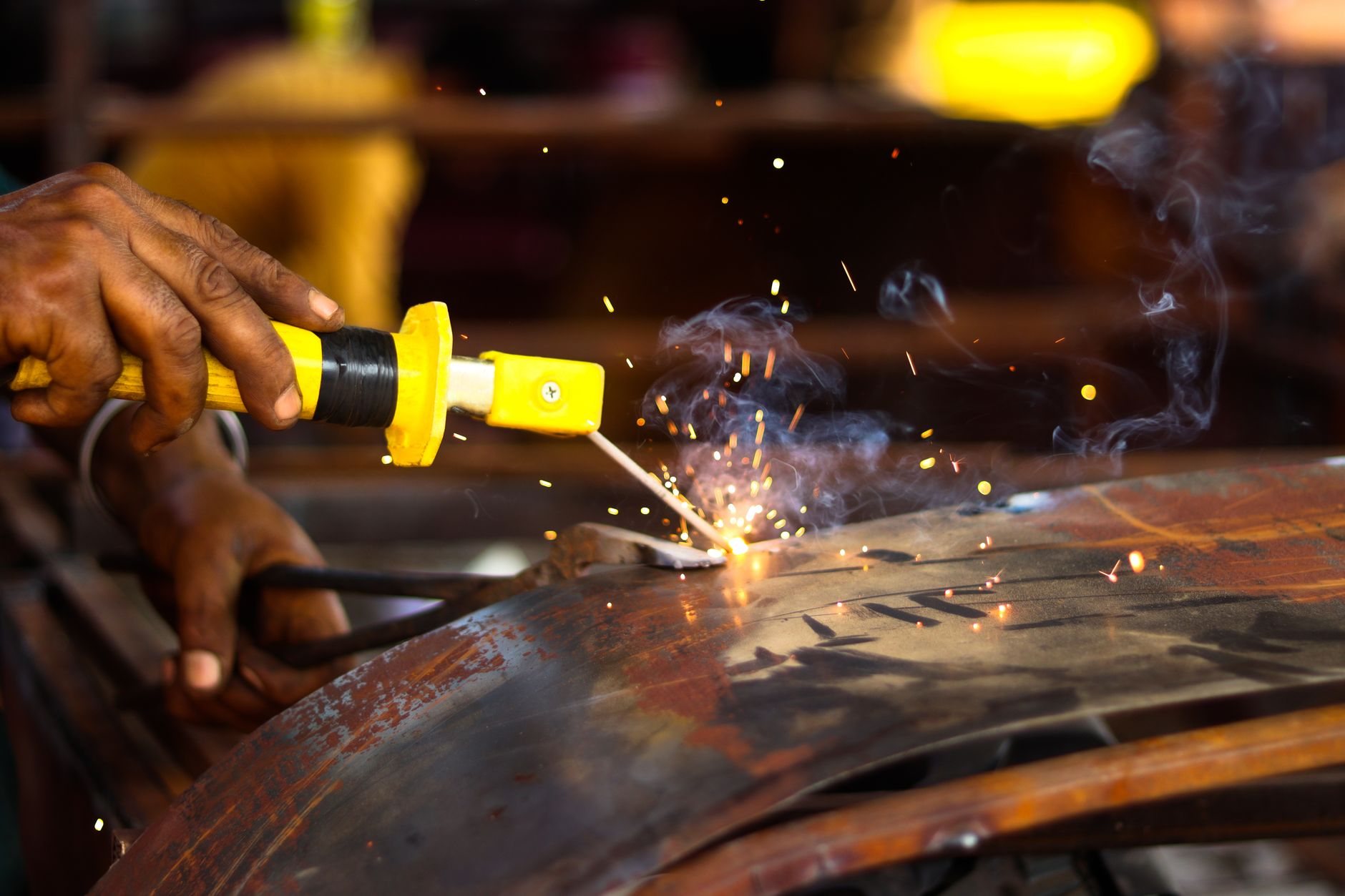
When TIG is the right process, and when it isn’t
Most welding is carbon steel by MIG or stick: fast, forgiving, strong. TIG earns its place when the material or the finish rules those out. Aluminum is the clearest case: its oxide skin melts at roughly three times the temperature of the metal beneath, so it needs an AC arc that scrubs oxide while it welds, and precise heat control or the part warps or burns through. Stainless is the second: TIG keeps the bead small and tidy on handrails people touch and surfaces that get wiped down.
If your job is a cracked steel bracket, a gate hinge, or a bent bollard, on-site mobile welding is the faster, cheaper answer. If an engineer has flagged a load-bearing connection, that’s structural weld repair, with its own inspection regime. TIG is for parts where a grinder can’t fix what a hot, fast weld leaves behind.
What we TIG weld
- Aluminum railings, ramps, and gates. 6061-T6 tube and angle, 6063 extrusions, and 5052 sheet for guards, ADA ramps, and pool fencing where weight or corrosion rules out steel.
- Stainless handrails and trim. 304 and 316 tube, bar, and plate for handrails, wall caps, and the exposed details on architectural metalwork.
- Equipment and repairs. Aluminum frames, tanks, trailer cracks, and the aluminum or stainless pieces inside a larger miscellaneous metals package.
What the work actually involves
Aluminum TIG is mostly preparation. A bead over oxide, oil, or shop dust looks fine and then cracks, so every joint is degreased, brushed with a stainless brush that has never touched steel, and welded within the hour.
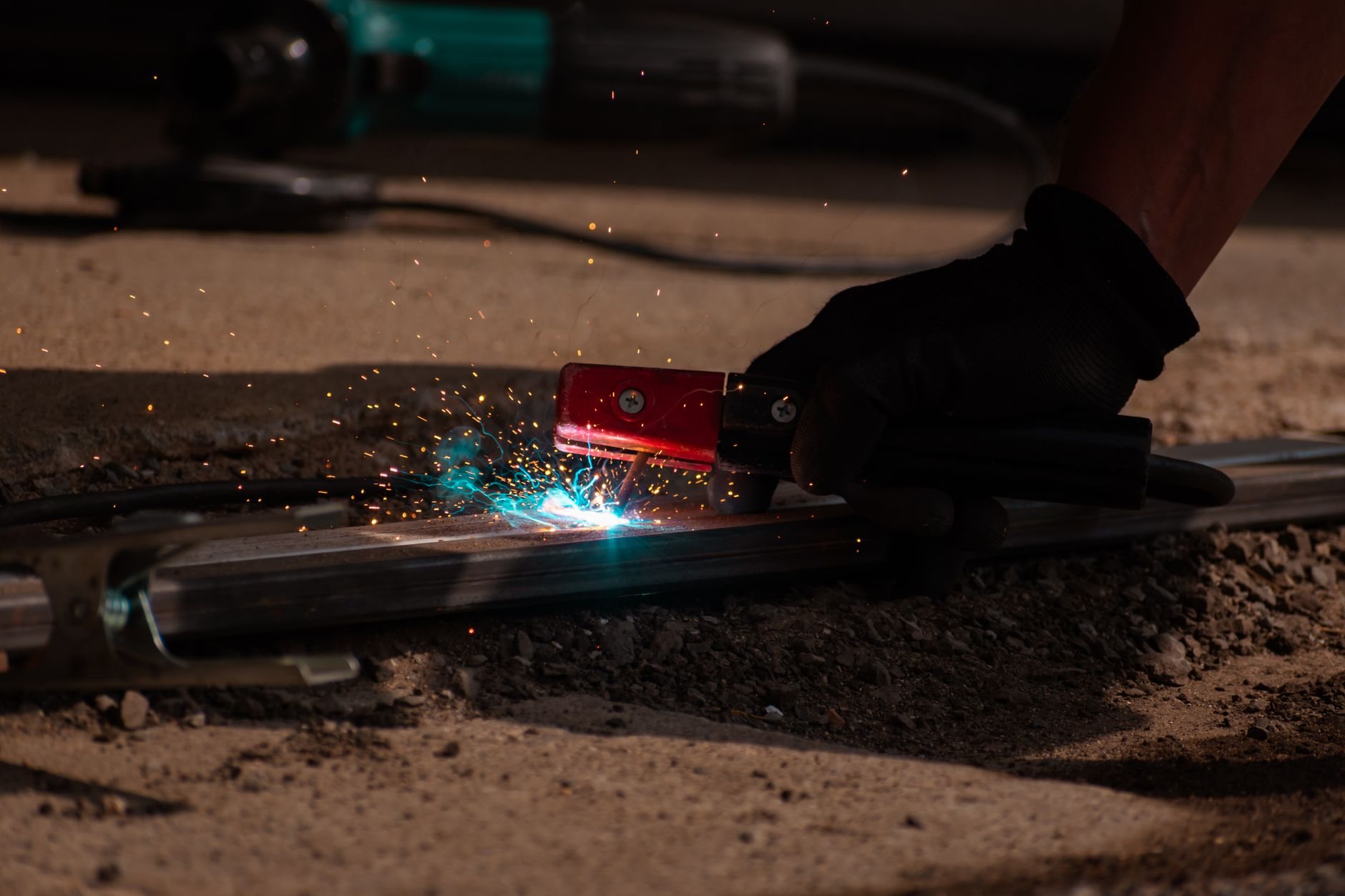
- Identify the alloy. 6061, 5052, and 6063 each want a different filler; we match 5356 or 4043 rod to the base metal, the service, and the finish that follows.
- Fixture and tack. Aluminum moves about twice as much as steel under heat. Parts are clamped flat, tacked in sequence, and welded in a pattern that balances the pull so a railing arrives straight.
- Set the machine. AC output with balance and frequency tuned to thickness, 100% argon, and preheat on sections over about 3/8 inch so the first inch of weld fuses instead of skating.
- Weld and inspect. Full fusion at the root, consistent bead, no undercut. Stainless is back-purged where the inside will show, then cleaned and passivated so it doesn’t rust-streak.
One engineering truth: welding 6061-T6 softens the heat-affected zone, and the metal beside the bead loses a meaningful share of its tempered strength. A guard or ramp that carries people needs that designed for, so without stamped drawings we bring an engineer in before fabrication, not after. Where a project calls for it, we work to the American Welding Society D1.2 aluminum and D1.6 stainless codes.
Aluminum outdoors along the Wasatch Front
Two Utah conditions shape the details. First, de-icing salt: a ramp or railing beside a walkway salted through a hundred-plus freeze-thaw days a winter sits in brine. Aluminum handles that alone, but bolted to steel or set into concrete it becomes a galvanic cell, so every aluminum-to-steel joint gets isolating washers or coated fasteners, and embedded posts are sleeved so the base doesn’t pit out of sight.
Second, elevation and sun. UV at 4,500 feet is harder on finishes than at sea level; mill aluminum just dulls, and anodizing holds up well if the filler was chosen for it. A 4043 weld on clear-anodized aluminum turns dark gray against silver metal, so anything headed to the anodizer gets 5356. And field TIG is the one process canyon wind genuinely disrupts: argon shielding scatters in a breeze a stick welder wouldn’t notice, so exposed sites get a wind screen or shop fabrication with on-site bolt-up.
What does TIG welding cost in Utah?
Planning numbers only: TIG shop time in Utah County typically runs $95 to $150 per hour, and aluminum takes roughly half again as long per inch as MIG on steel because of the preparation. A simple aluminum repair is often a one- to two-hour ticket; railing and handrail runs are priced per linear foot from drawings. Budget range after we see the part or site, then a firm proposal.
- Thickness. Thick sections need preheat; thin sheet needs slower passes. Both cost more than the middle.
- Finish grade. As-welded costs less than welds blended for anodizing or polished stainless.
- Shop versus field. Field TIG means a generator, bottles, a wind screen, and setup. Bringing the part in is almost always cheaper when it can travel.
Questions we actually get
Can you weld my cracked aluminum trailer frame or boat part?
Usually, yes. Extruded and sheet aluminum repairs well once the crack is ground out and the metal around it is clean. Cast aluminum is case by case: porous or oil-soaked castings won’t hold a weld, and we’ll say so after a look. Bring the part in if it travels; it’s cheaper than field work.
Why not just MIG weld aluminum?
You can, with a spool gun, and on thick production work it’s common. For railings, repairs, thin sections, and anything visible, TIG gives tighter heat control, cleaner beads, far less burn-through, and no spatter to grind off before finishing.
Does an aluminum railing or ramp need engineering and a permit?
If it guards a drop or carries a wheelchair, treat it as yes. Guards and ramps carry load and dimensional requirements under current Utah-adopted code, and the softened heat-affected zone of a 6061 weld affects the design. Confirm with your city building department; on commercial and multifamily work we handle it as part of the job.
Will the welds show after powder coat or anodizing?
Powder coat hides a blended weld completely. Anodizing hides nothing: filler alloy, heat tint, and grind marks all read through, which is why anodized parts get 5356 rod and an agreed finish standard before we start. Name the final finish when you ask for pricing.
TIG is one process inside our structural steel and welding work; the rest of the metal trades live on the specialty capabilities hub, and the license is verifiable at dopl.utah.gov.
Tell us what you’re working on
Send a photo of the part or the drawings. We reply within a couple of hours during business hours, a day at most, with a straight read on whether TIG is the right call and what it should cost.