
Structural Weld Repair & Retrofit in Utah County
Structural weld repair removes a cracked, porous, corroded, or impact-damaged weld from an existing steel member and re-welds it to an engineer-approved procedure, then proves the fix with non-destructive testing. Grandview performs this work on occupied homes, commercial buildings, and industrial steel across Utah County and Salt Lake County under Utah DOPL B100 license #14282236-5501.
When weld repair is the right call
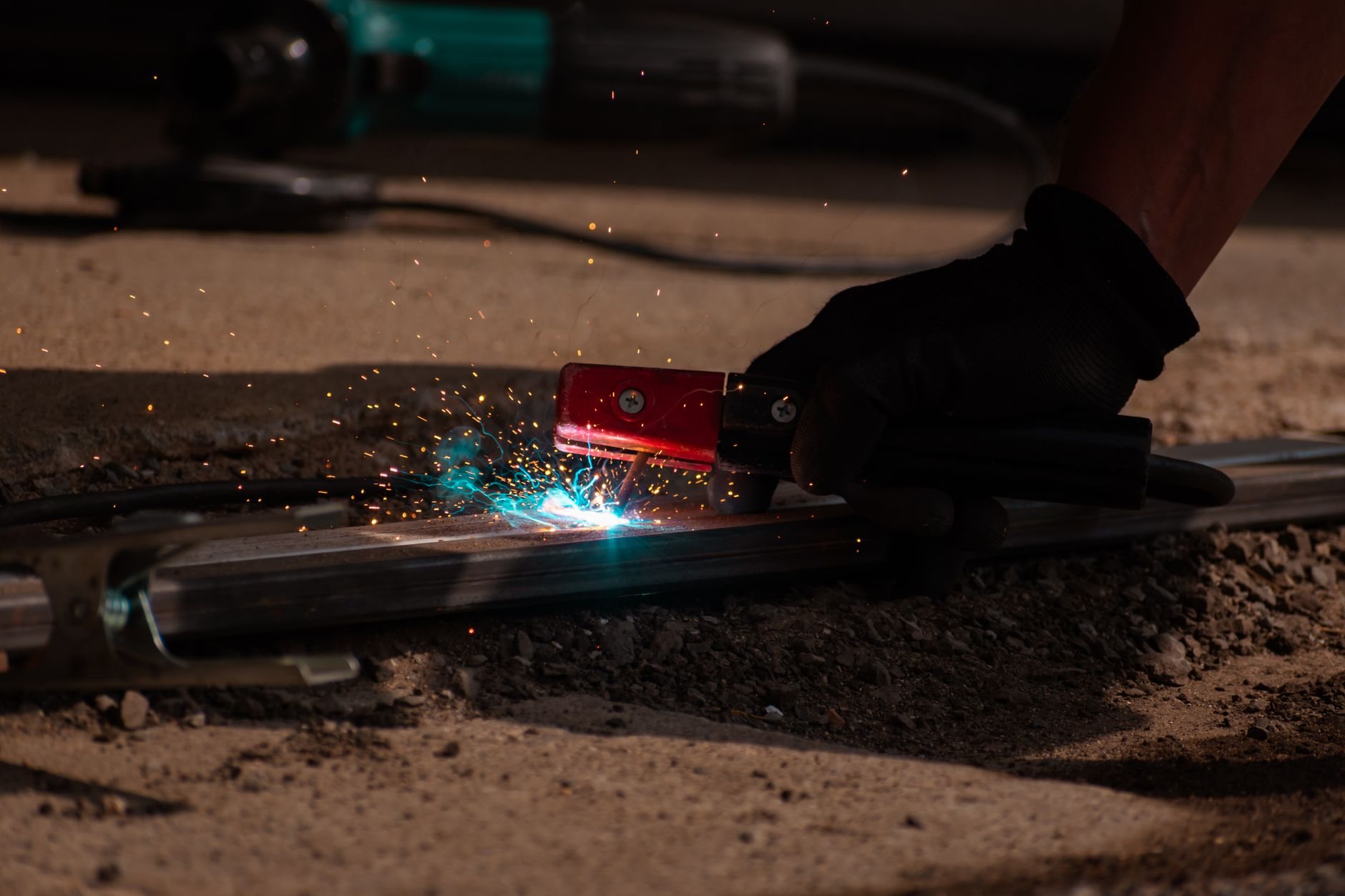
Weld repair starts with a weld that failed, not a structure that needs more capacity. The member is the right size and the joint was detailed correctly; the weld itself is wrong. A crack found in a seismic review. A rejected weld on an inspector’s report. Section loss where water sat on an exterior connection for twenty winters. A forklift that found a column.
That line separates this page from its neighbors. If the engineer says the joint was never strong enough, that’s a steel connection retrofit — plates, stiffeners, or bolts added to a sound joint. If the member is bent, buckled, or undersized, it’s beam and column replacement. Our mobile welding service covers non-structural fixes with no engineer involved. Weld repair sits between: the steel stays, the detail stays, the weld is removed and done again, with a paper trail.
What a structural weld repair involves
A repair weld is harder than the original: the joint is painted, loaded, and often above a ceiling.
- Characterize the defect. Crack, porosity, undercut, incomplete fusion, and corrosion thinning each get a different fix. Magnetic-particle or dye-penetrant testing finds the true crack length, usually longer than the eye sees.
- Get the repair in writing. The engineer approves a repair detail and a weld procedure suited to the existing steel. Pre-1960s material can run higher in carbon and needs preheat and low-hydrogen electrodes, so we confirm the grade from drawings, mill marks, or a lab coupon first.
- Arrest and remove. A crack gets a drilled stop hole at each tip so it can’t run while we work. The defective weld is ground or carbon-arc gouged to sound metal, and the excavation is tested again to prove the crack is gone, not buried.
- Control load and heat. Welding on a loaded member is allowed when the engineer approves it; otherwise we shore first. Small staggered passes keep heat input low, and below freezing the steel is warmed before the first pass — relevant on an exterior stair stringer in a Provo January.
- Re-weld and prove it. Preheat and interpass temperatures logged, root passes photographed, then an independent special inspector verifies the finished repair — visually, plus ultrasonic or magnetic-particle testing per the engineer — and files with the building department before paint and fireproofing go back.
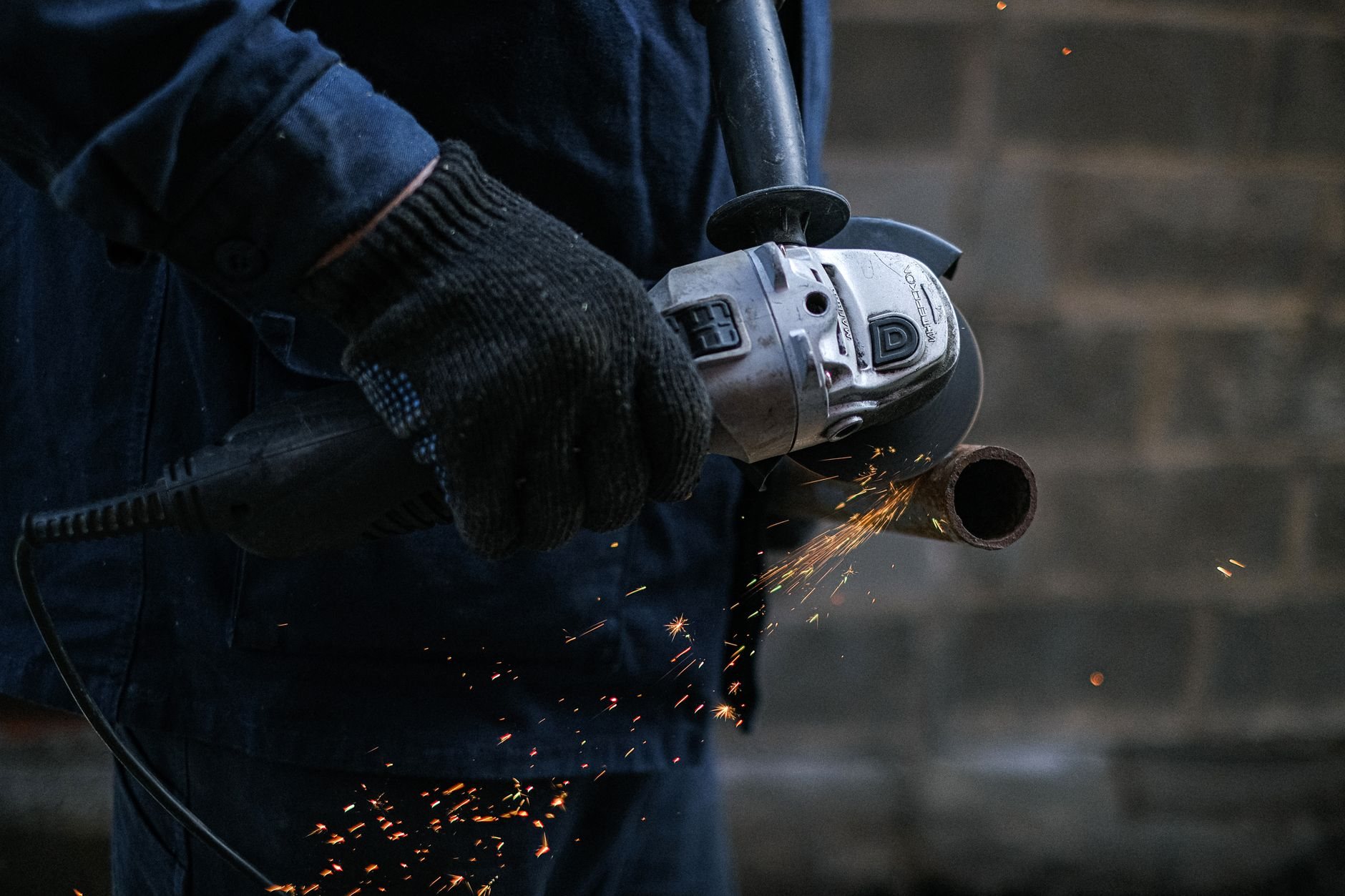
Removal is where repair welds go wrong. We would rather spend an extra hour with a grinder than do the joint twice.
The weld defects we see most along the Wasatch Front
Corrosion at exterior connections. Balcony, canopy, and exterior stair steel here cycles through freeze and thaw roughly a hundred days a year; water wicks into a fillet-weld toe, freezes, and opens it a little more each season. We measure remaining throat and base-metal thickness before deciding whether the weld is repairable or the connection needs a plate.
Cracks found in seismic reviews. The Wasatch fault runs beneath the most densely built corridor in the state, and the Utah Geological Survey documents it as capable of large earthquakes. Lenders increasingly order a seismic review before a sale, and those reviews find hairline cracks at older moment connections, column base plates, and brace gussets.
Fatigue cracks at vibrating or wind-loaded steel. Crane runways, equipment supports, and tall sign frames load their welds thousands of times a year, and canyon-wind corridors like Centerville and Farmington add gust cycles a static calculation never counted. Fatigue cracks start at weld toes, so the repair includes grinding the toe profile smooth so the crack doesn’t restart.
Impact damage. A forklift or delivery truck hits a column, rack upright, or dock canopy post. We inspect the base-plate and nearest beam-connection welds, not just the dent, because the energy goes somewhere. Member plumb and within tolerance: welds get repaired. Otherwise the member comes out.
What does structural weld repair cost in Utah County?
For planning purposes: repairing one to a few accessible defective welds — engineer’s repair detail, crack removal, re-welding, non-destructive testing, and finish repair — most often lands between $2,000 and $8,000. Corroded or impact-damaged connections that become member replacement run higher. Planning ranges, not quotes.
- Testing scope. Visual inspection is cheap. Ultrasonic testing of a full-penetration repair, before and after, adds inspector time per joint.
- Access and fire watch. A weld above a drop ceiling in an empty suite is straightforward. One inside fireproofing above an operating restaurant means after-hours work, fire watch, and fume control.
- Existing-steel unknowns. Coupon testing, lead-paint testing on pre-1978 coatings, and a custom procedure add cost up front.
We’ll give a budget range from photos and the inspector’s report, and a firm proposal once the repair detail is stamped.
Questions we actually get
Can you just weld over the crack?
No. A crack welded over keeps propagating under the new metal and fails ultrasonic testing or fails in service. Proper repair means stop-drilling the crack tips, excavating to sound metal, testing the excavation, and re-welding to an approved procedure.
Does a weld repair need an engineer, a permit, and special inspection?
Usually yes to all three. Repairing a weld on a structural member is permitted structural work in every Utah city we serve, and engineered repair welds get special inspection by an independent certified inspector. Non-structural welds on gates or railings don’t; we’ll tell you which you have.
What drives the cost of one repair up fastest?
Testing and access. A full-penetration weld needing ultrasonic testing, above an occupied space with fireproofing, can cost several times a simple fillet-weld repair in an open warehouse. Unknown steel chemistry adds a testing step.
Can the building stay open while you repair the weld?
Most of the time. Welding on a loaded member is routine when the engineer approves the sequence and heat input is controlled; otherwise we shore first. Fumes, fire watch, and grinding noise usually push the work after hours or one zone at a time.
Weld repair sits inside our structural steel and welding service and the specialty capabilities hub. When a cracked base-plate weld traces back to a settling footing, foundation repair joins the contract; when a corroded anchor is the real problem, see embed plates and anchor bolts. Our B100 license is verifiable at dopl.utah.gov.
Send us the inspector’s report or a photo of the crack
We reply within a couple of hours during business hours — a day at most — with a straight read on whether it’s a repair, a retrofit, or a replacement, and a planning budget.