
Single-source miscellaneous metals in Utah County
Miscellaneous metals is the Division 05 50 00 package of loose steel between the big members: lintels, bent plates, ladders, bollards, grate frames, equipment supports, and railings. Grandview fabricates, finishes, and installs the whole list under one contract and one submittal, as a Utah DOPL B100 general contractor, for commercial and multifamily projects across Utah County and Salt Lake County.
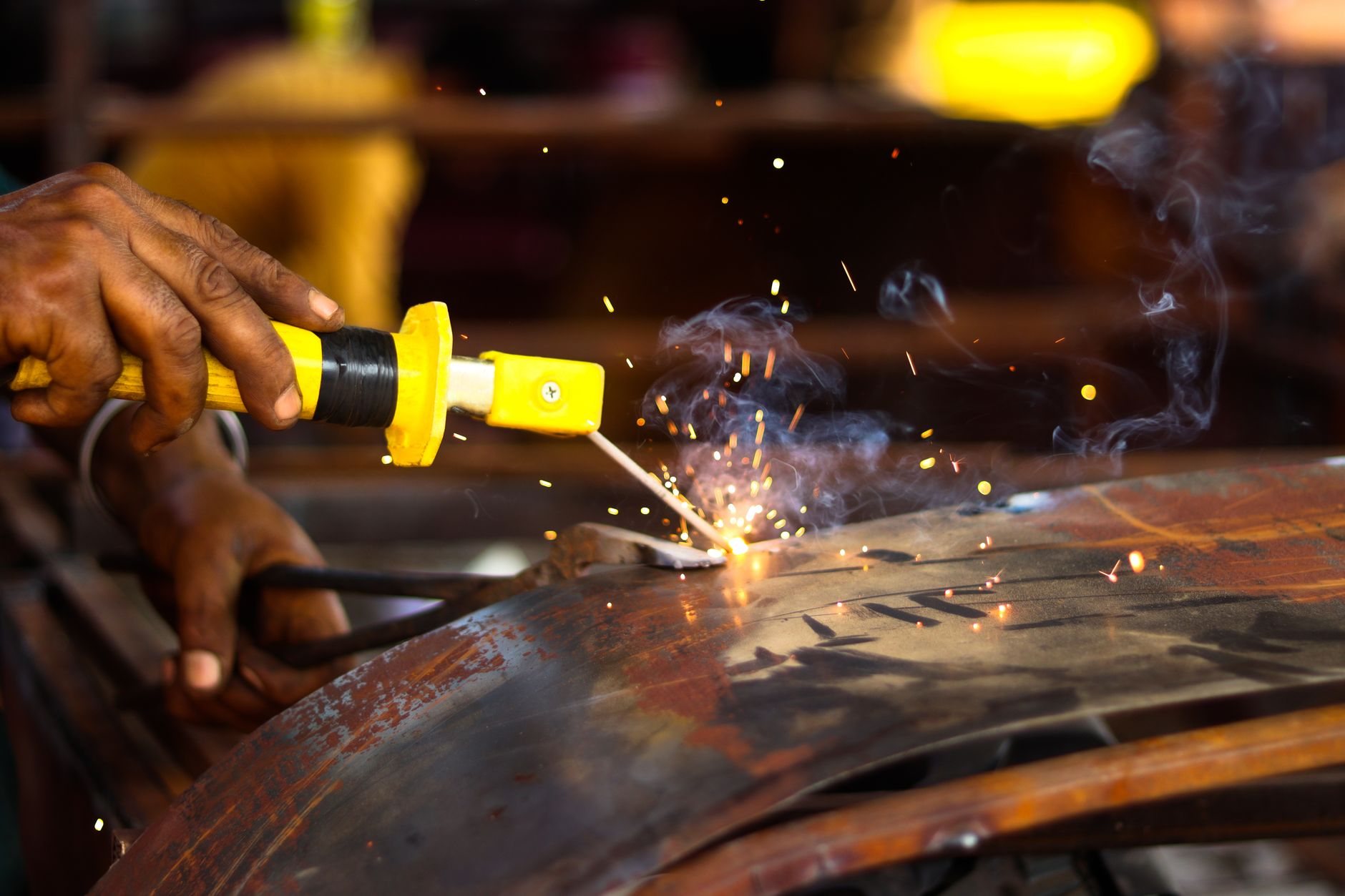
What a miscellaneous metals package actually covers
The drawings for a warehouse, an apartment building, or a clinic tenant improvement carry dozens of small steel items that belong to no single trade:
- Loose lintels and shelf angles over masonry and storefront openings.
- Bent plates, closure angles, and pour stops at slab edges and deck perimeters.
- Trench drain and pit frames, grates, and cover plates in mechanical rooms and loading docks.
- Equipment support frames and rooftop unit rails, with the seismic anchorage that goes with them.
- Bollards, pipe guards, and corner guards wherever vehicles meet building.
- Ladders, stair nosings, checkered-plate landings, and the guardrails that finish them.
Each item is small. Together they touch masonry, roofing, mechanical, paving, and finishes, which is why a fragmented package produces more change orders per dollar than any other division. One fabricator holding the list means one submittal, one finish standard, and one phone number.
When a single-source package beats buying the pieces separately
If your project is primary structure, you want structural steel erection; if it’s only the plates cast into concrete, see embed plates and anchor bolts. Decorative work with its own finish schedule lives under architectural metalwork, and freestanding shade structures under canopy and awning steel. The miscellaneous metals package is the right call when:
- The drawings show twenty or more loose steel items spread across several sheets and trades.
- The general contractor or owner wants one Division 05 50 00 bid instead of chasing lintels, rails, and ladders from three shops.
- Items must arrive in phases: lintels before masonry, pour stops before the deck pour, railings after the stairs are finished.
- Finish consistency matters: galvanized outside, shop-primed inside, stainless at food-service areas.
The same scope rides inside Grandview’s own ground-up and tenant-improvement projects as one line in a larger specialty capabilities schedule.
How we run a miscellaneous metals package
- Take off the list. Every sheet, not just the S-series, becomes an itemized schedule: mark number, quantity, material, finish, and the trade each piece serves. Items drawn but never specified get flagged now.
- Submit once. One shop-drawing package, anchorage details included, so the engineer of record reviews it in one pass.
- Field-measure what depends on others. Lintels come from the drawings; grate frames and railing posts get measured against what was actually built.
- Fabricate and finish by phase. Cut, drilled, and welded in the order the site needs, then galvanized, primed, or powder coated per each item’s exposure.
- Deliver on the schedule. Lintels staged for the mason, pour stops before the deck inspection, equipment rails before crane day, railings last.
- Close out the list. Every mark number signed off and inspection reports filed.
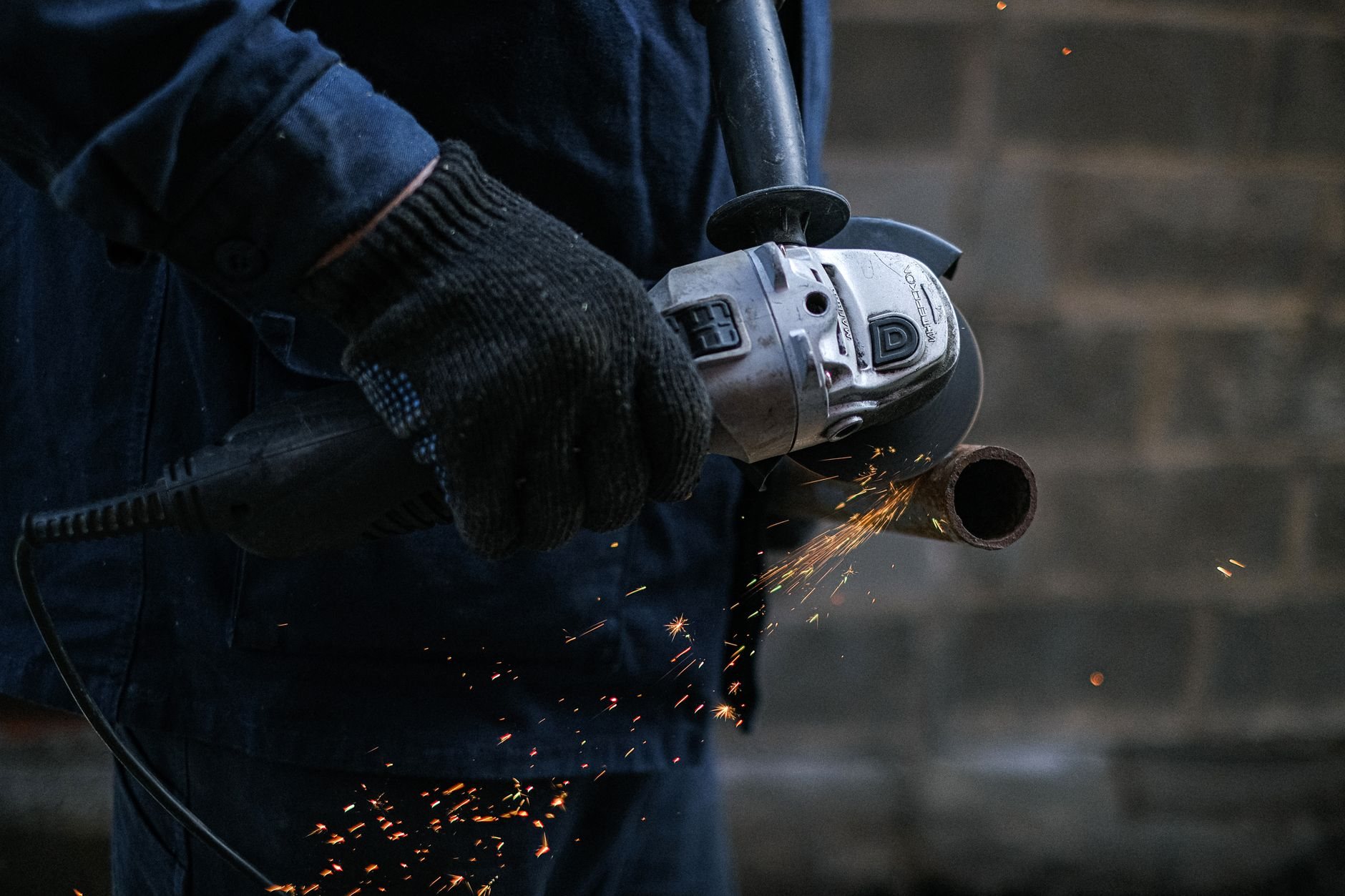
Finish and anchorage choices that matter along the Wasatch Front
Two Utah realities drive most of the detailing. The first is corrosion. Exterior lintels, bollards, dock angles, and nosings see roughly a hundred freeze-thaw days a year plus de-icing salts, so exterior items get hot-dip galvanized rather than shop-primed, with galvanized or stainless anchors to match. Powder-coated guards also take more ultraviolet at 4,500 feet than the data sheet assumes, so we favor a zinc-rich primer under anything facing south.
The second is seismic anchorage. Rooftop unit rails, pipe-support frames, and equipment stands near the Wasatch fault aren’t simply set on the deck; the engineer details their anchorage for the lateral loads the USGS earthquake hazards program maps for this corridor, and those anchors get special inspection like any engineered connection. We detail them in the submittal and keep them accessible until the inspector signs.
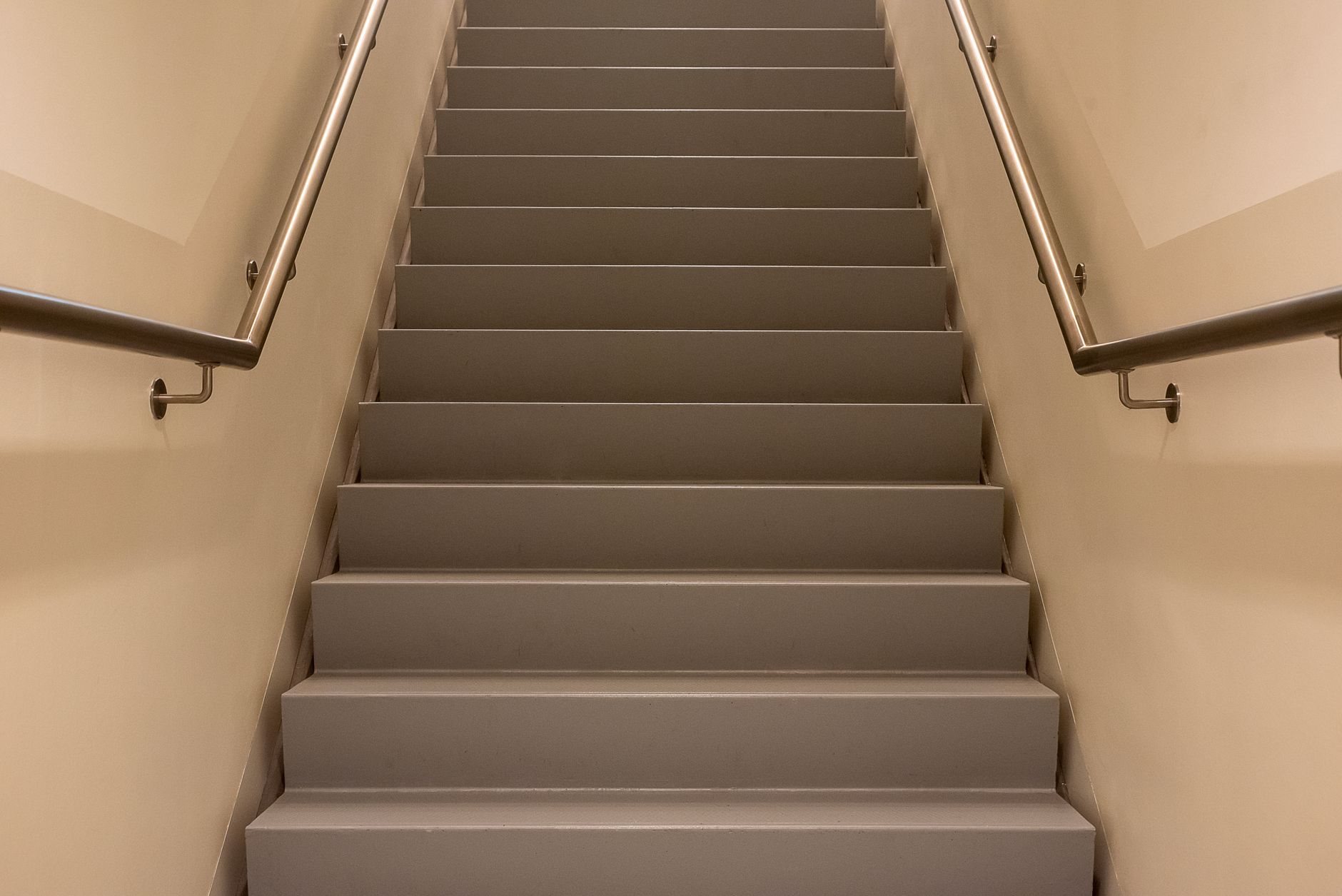
Railings are the last item delivered and the first thing an inspector measures; larger runs are covered under metal railings and handrails, and dock protection under bollard installation.
What does a miscellaneous metals package cost in Utah?
It’s priced per line item. A tenant improvement with a few lintels, a ladder, and a grate frame is a few thousand dollars; a multifamily or industrial building with a hundred-plus mark numbers, galvanizing, and phased deliveries runs well into five figures. Planning descriptions, not quotes. What moves the number:
- Item count and variety. Fifty identical lintels price better than fifty different items.
- Finish. Shop primer is the baseline; galvanizing, powder coat, and stainless each step up.
- Engineered anchorage. Seismic anchorage carries engineering review and special inspection fees that a loose lintel doesn’t.
- Field measurement and deliveries. Each item measured against built conditions adds a site visit; each phased drop adds a trip.
We’ll give you a budget range from the drawings, then a firm proposal once the item schedule is agreed, and say plainly which is which.
Questions we actually get
Can you bid just the miscellaneous metals on a job another contractor is building?
Yes. Most of this work is a Division 05 50 00 subcontract to another general contractor or a direct package for an owner. We take off the drawings, submit to the engineer of record, and deliver by phase to the site’s schedule. Grandview’s B100 license is verifiable at dopl.utah.gov.
What’s the difference between miscellaneous metals and structural steel?
Structural steel is the primary frame: columns, beams, braces, and the connections the building stands on. Miscellaneous metals are the loose items that attach to that frame or to concrete and masonry: lintels, frames, ladders, supports, guards, and rails. Both are engineered; the misc package simply has far more pieces at smaller sizes.
Which items hold up the schedule if they’re late?
Loose lintels and pour stops. Masons can’t lay over an opening without the lintel, and a deck pour can’t pass inspection without edge closures in place. We fabricate those first and stage them ahead of need. Railings, hatches, and bollards install later without stopping anyone.
Do exterior items really need to be galvanized?
Along the Wasatch Front, yes, unless the spec says otherwise. Freeze-thaw cycling and de-icing salts rust through shop primer on a lintel or bollard within a few winters. Hot-dip galvanizing adds cost and about a week for the plant round trip, but it’s the difference between a 40-year item and a 10-year one.
Tell us what you’re working on
Send the drawings and we’ll return an itemized take-off and a budget range, usually within a couple of business hours and never more than a day. The rest of our structural steel and welding work is one page up.