
Stucco painting
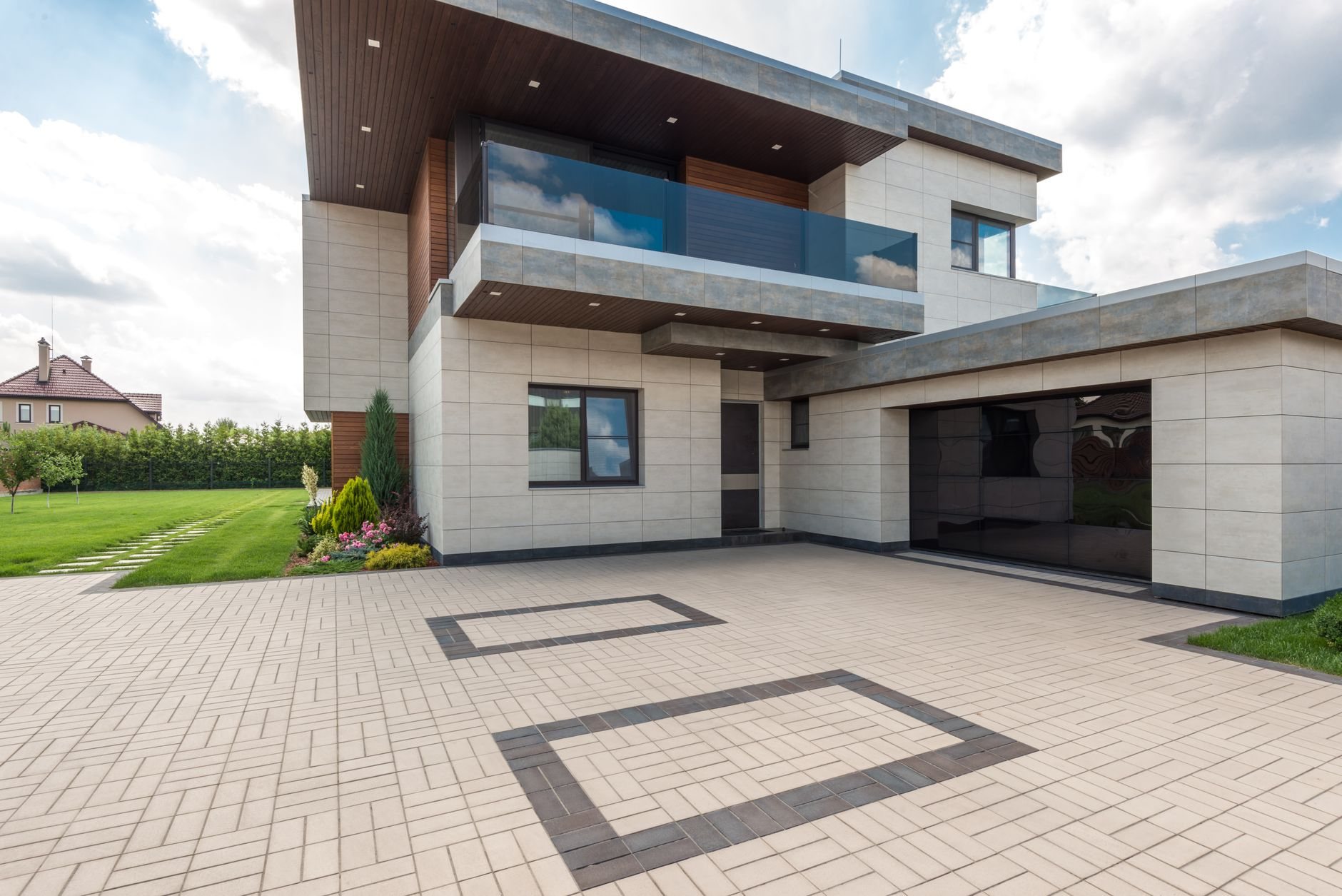
Stucco painting is the repaint of a cement or acrylic stucco wall with a vapor-permeable masonry coating, after the cracks are filled and the wall is confirmed dry. It’s the right fix for stucco that has faded, chalked, or stained but is still sound underneath, and Grandview does it across Salt Lake County and Utah County under a B100 general contractor license.
When paint is the right fix for stucco, and when it isn’t
Stucco fails differently than siding. It doesn’t peel in sheets; it fades unevenly, chalks until your hand comes away white, picks up rust streaks below weep screeds, and grows a spiderweb of hairlines as the house works through a hundred-plus freeze–thaw days each winter. Most of that is cosmetic, and paint fixes cosmetic. The job is sorting out what it can’t fix before anything gets sprayed.
If the hairlines are scattered and narrow, a breathable acrylic masonry paint is the honest answer and this page is for you. If the cracking is dense across whole elevations, you’re better served by an elastomeric coating, which is thicker and bridges movement that standard paint will telegraph through in a season. Cracks wider than a credit card, hollow-sounding patches, or stains that keep returning are a repair question first: stucco crack repair or a finish-coat recoat from our stucco group. And if the whole house is tired, an exterior house repaint folds the stucco body in with the trim and doors. We’ll tell you which you have on the site walk. We are fond of straight lines and straight answers.
What stucco painting actually involves
- Moisture and chalk check. We meter suspect areas below windows and at the base of walls and rub-test for chalk. Wet stucco gets diagnosed, not painted; heavy chalk changes the primer spec.
- Low-pressure wash. Stucco is porous and the finish coat is soft, so it gets a fraction of the pressure a deck would take. A high-pressure wand erodes texture and drives water into the wall. More on that under exterior prep and washing.
- Dry time. Washed stucco typically needs two to three warm, dry days before coating. We don’t spray ahead of a July cloudburst either.
- Crack fill and patch. Hairlines get a flexible elastomeric patching compound worked in and textured to match. Rust stains get treated at the source — usually an exposed lath edge or screed — not just covered.
- Conditioner or masonry primer. Chalky walls get a penetrating masonry conditioner that binds the loose surface so the topcoat has something to grab. Fresh stucco gets cure time and a pH check before any acrylic goes on.
- Spray and back-roll, two coats. Spraying alone leaves pinholes on textured stucco; rolling behind the sprayer pushes paint into the texture. The second coat is what buys the color depth and the ten-year life.
Why does stucco paint need to breathe?
Because stucco is a cement product that absorbs and releases water vapor through the seasons. A coating with low vapor permeability traps that moisture behind the film, and in a freeze–thaw climate it blisters, peels, or pops the finish coat off the brown coat underneath. A 100 percent acrylic masonry paint rated for vapor permeability lets the wall dry outward while still shedding rain.
A premium siding paint on stucco can fail in two winters while a mid-grade masonry paint lasts ten. We spec by substrate.
Color and sheen matter more here than on most surfaces. UV at 4,500 feet pulls deep reds, charcoals, and saturated earth tones toward chalk faster than the chip suggests, and dark walls run hotter, which works hairlines open. Flat or very low sheen is the standard: anything glossier highlights every trowel mark and patch. In HOA-governed neighborhoods across Lehi, Saratoga Springs, Eagle Mountain, and Herriman, the approved palette usually settles the color anyway, so we build that approval into the schedule.
What moves the price of stucco painting
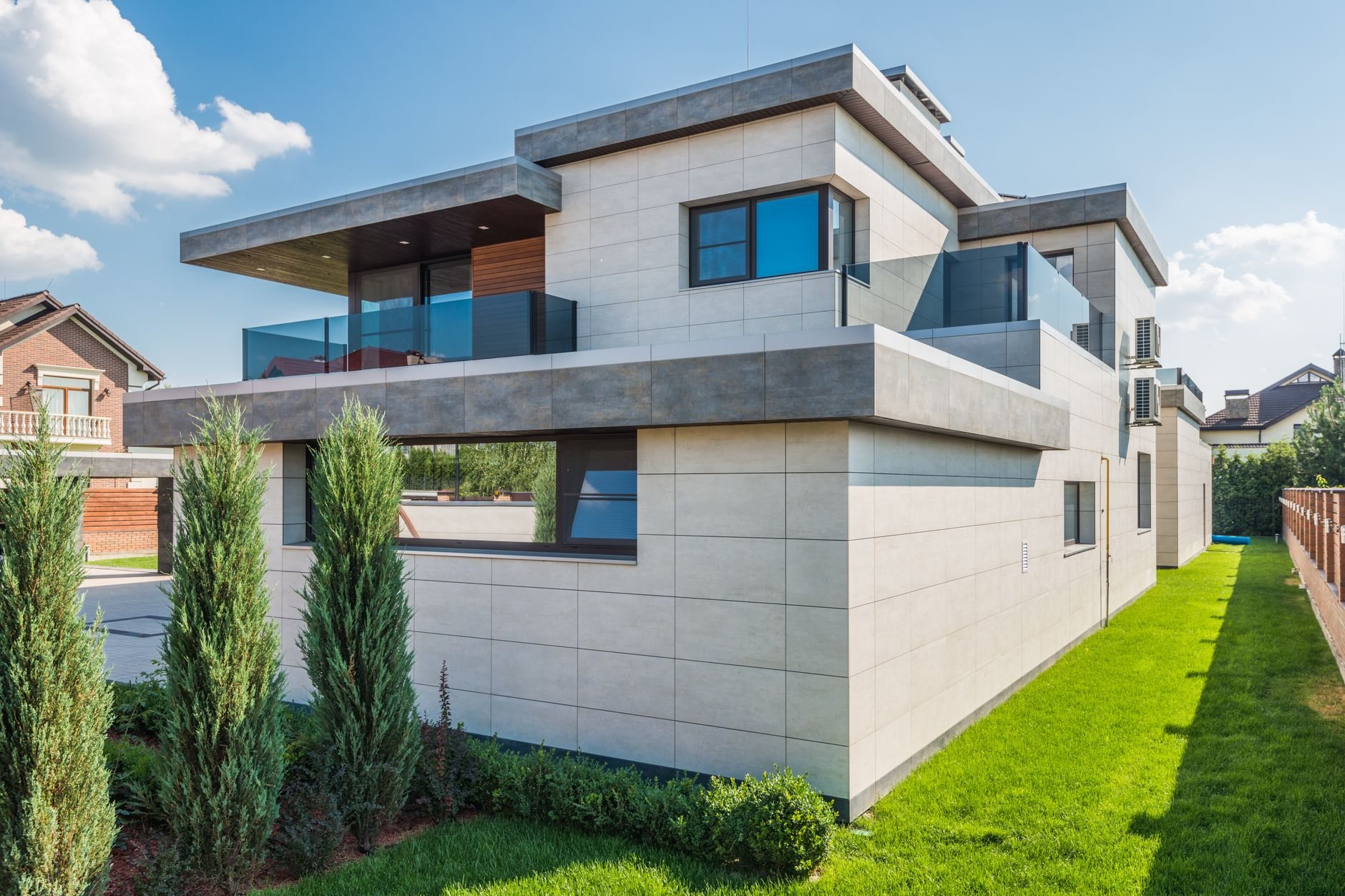
Texture, first. A heavy lace or dash finish soaks up noticeably more paint than a smooth sand finish and takes longer to back-roll, so the same wall area can price very differently. After that: crack density, whether the wall is chalky enough to need conditioner, stories and access, and the size of the color change — dark body to light can mean a third coat.
Most single-family stucco repaints across Salt Lake County and Utah County land in the $3,500 to $9,500 range, strictly as a planning number; a two-story with dense hairlines and a dark-to-light change sits at the top. You get a firm estimate after we walk every elevation, from a contractor you can verify at dopl.utah.gov. This is one scope within our exterior painting services, part of the site, structure & envelope family.
Questions we actually get
How long after new stucco can it be painted?
Conventional cement stucco should cure before it takes acrylic paint, which in practice means about four weeks in warm weather and longer in cool or damp conditions. We check surface moisture and pH before coating, because fresh stucco is alkaline enough to burn through a standard topcoat. Acrylic-finish stucco generally doesn’t need painting at all.
Will paint hide the hairline cracks in my stucco?
Properly filled and textured hairlines disappear under two coats of masonry paint. Unfilled hairlines don’t; paint flows into them and the shadow line stays. If cracking covers whole walls, we’ll recommend an elastomeric coating instead, which is thick enough to bridge small movement. Cracks you can slide a card into are a repair item, not a paint item.
Can stucco be painted after it rains or gets washed?
Not immediately. Stucco holds water, and coating it wet traps that moisture behind the film, where freeze–thaw turns it into blisters. After washing or a monsoon storm we typically wait two to three dry, warm days and meter the wall before spraying. In a Utah summer that means planning the sequence around the afternoon forecast.
How often does stucco need repainting in Utah?
A properly prepped, two-coat acrylic masonry paint on sound stucco usually goes eight to twelve years along the Wasatch Front, with south and west walls fading first under high-elevation sun. Dark colors shorten that. Chalking, uneven fade, and a fresh crop of hairlines are the usual signals, and painting before the chalk gets heavy saves a conditioner step.
Tell us what you’re working on
Send a few photos of the stucco, cracks and stains included, or just the address. We reply within a couple of hours during business hours, a day at most, with a straight read on whether it’s a paint job, a coating job, or a repair.