
Corrugated & standing seam metal siding
Corrugated and standing seam are the two profiled-steel claddings that give a wall the shop, barn, or modern-farmhouse look while shrugging off hail, UV, and decades of weather. Grandview installs both on homes, shops, and light commercial buildings across Utah County and Salt Lake County under a B100 general contractor license.
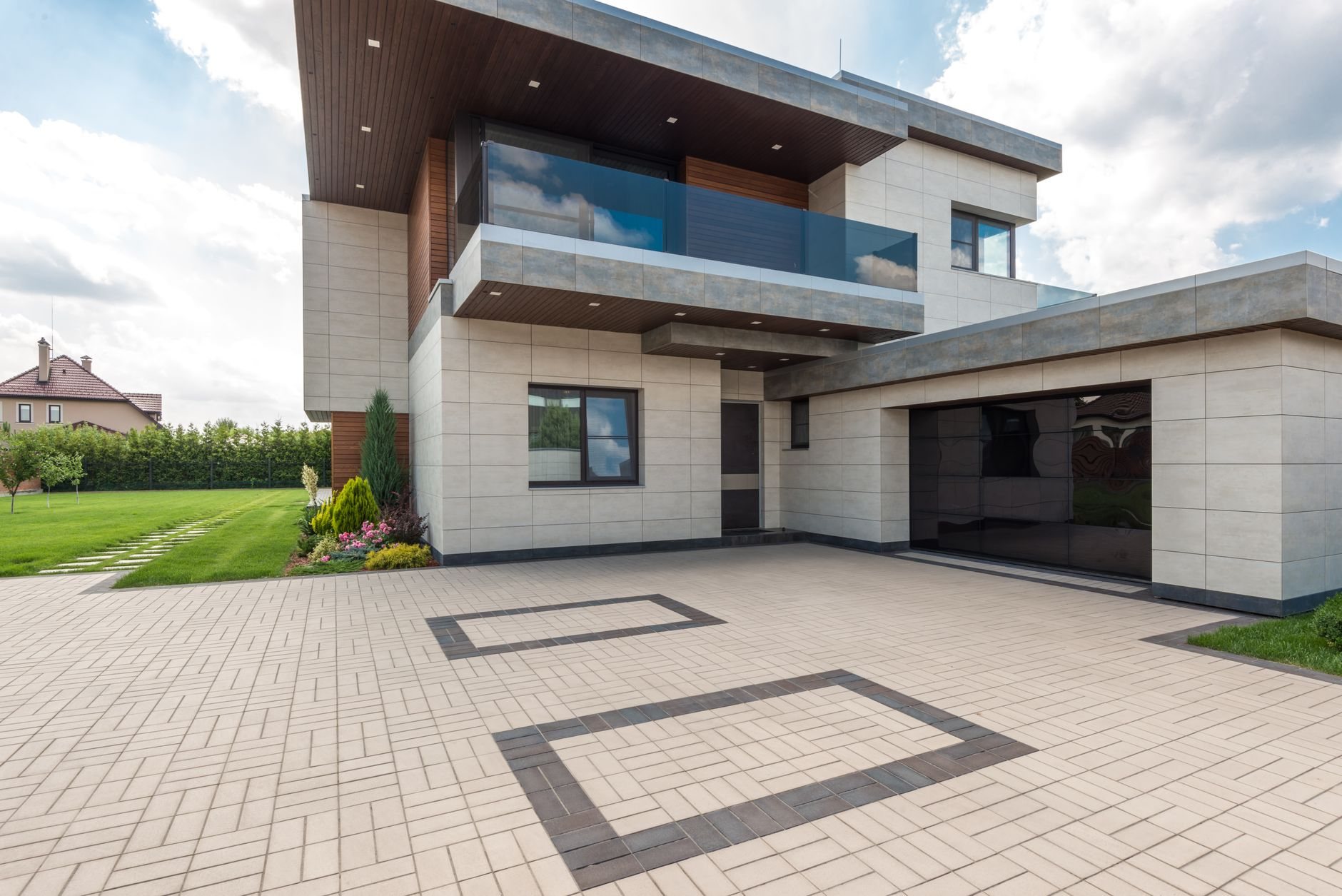
Corrugated or standing seam: which profile fits your wall
Both are roll-formed steel that behave differently on a wall. Corrugated is the wavy, through-fastened sheet from agricultural buildings: the cheapest metal cladding per square foot, fast to hang, exposed screw heads part of the look. Standing seam is a flat pan with raised vertical ribs that lock over hidden clips, so you see no fasteners. It costs more, reads as architectural rather than utilitarian, and is the profile HOAs in newer Lehi, Saratoga Springs, and Eagle Mountain developments will usually approve when they allow metal at all.
Shop, barn, or accent gable: corrugated earns its keep. Primary elevation on a house: standing seam is worth the premium. A flat, fastener-free panel with reveals instead of ribs is a different product, covered on our steel and aluminum panel siding page, and fiber cement vertical panel gets you the vertical look without metal.
Gauge, coating, and finish: the three specs that matter
Metal siding is sold by gauge, substrate coating, and paint system, and the cheap version of each shows within a few years on a Utah wall. We hold 26 gauge as the floor and 24 gauge for standing seam pans over 16 inches wide, because thin panels oil-can: the waviness flat metal shows under thermal stress. On a shaded shop nobody minds. On a south-facing house wall in Provo it looks like a mistake.
The substrate should be Galvalume rather than plain galvanized. Paint matters more than people expect: siliconized polyester (SMP) finishes suit outbuildings but chalk and fade under our elevation’s UV, especially in dark colors. PVDF (Kynar-type) finishes hold color far longer and are what we recommend on any residential elevation, particularly the charcoals and deep bronzes that fade hardest.
Behind the panel: metal sweats. On a cold night the back face drops below the dew point, so we hang both profiles on vertical furring or a rainscreen mat over the weather-resistive barrier, never tight to the sheathing, with vented closure strips at base and top.
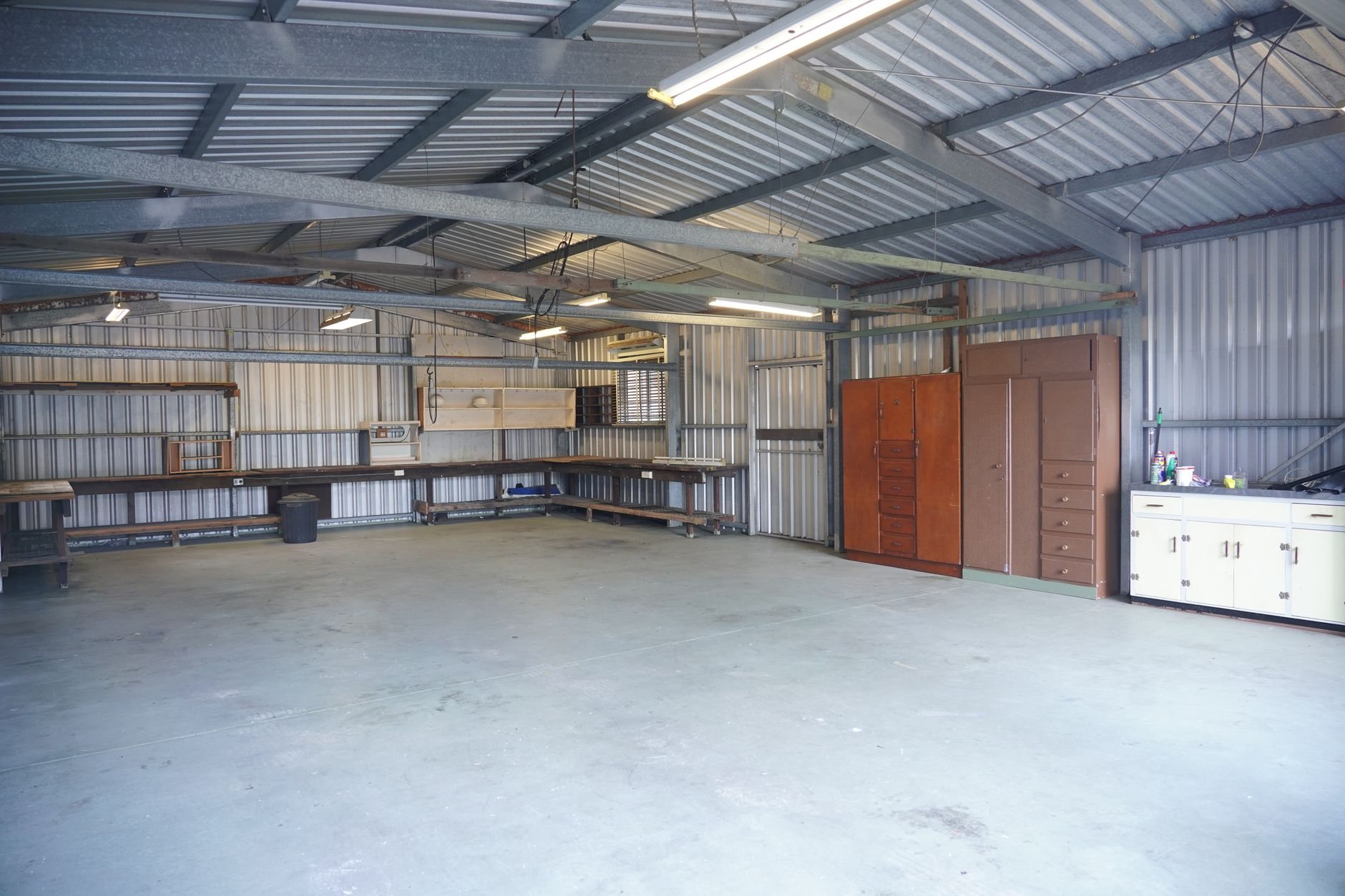
How we install metal panel on a wall
- Measure and order. Standing seam pans are cut to length at the roll-former, so we field-measure every wall and order full-height panels. A horizontal seam means someone ordered short.
- Flatten the wall. Metal shows every bump in the sheathing. Furring gets shimmed to a string line first.
- Trim first. Base flashing, corners, and window trim go on before the field panels, the reverse of lap siding, so the trim has something to tuck behind.
- Hang panels. Corrugated gets gasketed screws in the flat of the wave, seated and no tighter. Standing seam gets a clip at every rib, the first panel plumbed carefully because every one after follows it.
- Cut clean. Shears or a nibbler, never an abrasive wheel, whose hot filings embed in the finish and rust within a season.
- Close out. Top trim, color-matched touch-up on scratches, magnetic sweep for screws and swarf.
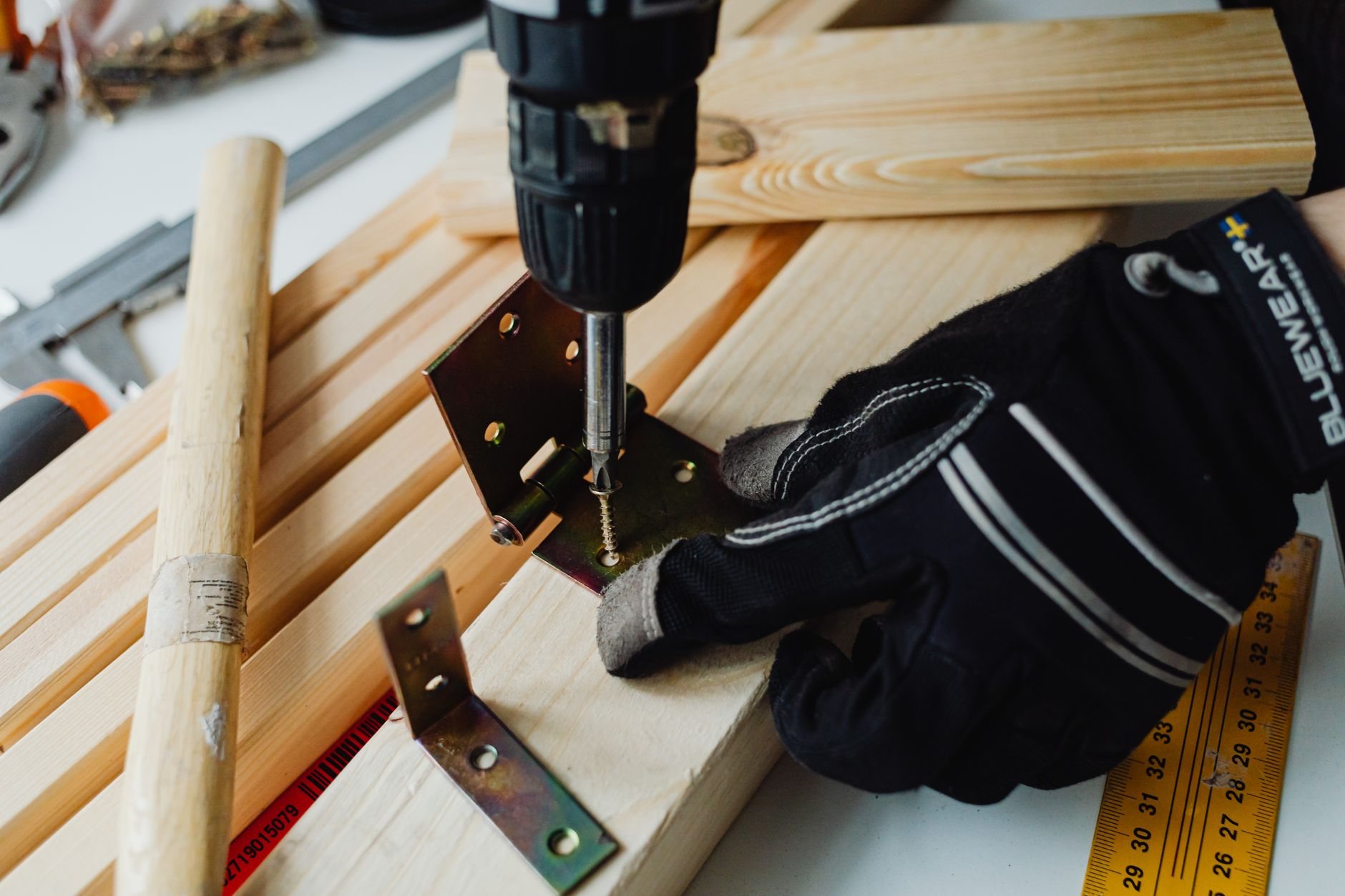
Wind, snow, and the Utah details that change the spec
Canyon wind first. Corrugated is strong across the wave, but a long sheet with a loose edge becomes a sail, so in gust corridors we tighten screw spacing at edges and eaves and fasten at every girt. Standing seam is more forgiving because the clip grips the whole rib.
Then snow and thermal movement. A cut steel edge at grade eventually rusts, so the panel bottom stays well above grade and above the snow-shed line under any roof edge, with a drip-edge base flashing. A 20-foot steel panel also grows and shrinks measurably between a January night and a July afternoon: standing seam clips float by design; corrugated screws must be driven straight and seated, not over-tightened, or the hole elongates and the washer stops sealing.
If the same building is getting a metal roof, the two scopes share trim stock, color lots, and crew; see standing seam metal roofing. Metal walls are also the default skin on a metal or pole-frame shop. All of it is envelope work we perform under a DOPL-verifiable B100 license.
What does corrugated or standing seam metal siding cost in Utah?
As ballpark planning numbers only: installed corrugated steel siding on the Wasatch Front typically runs about $7–11 per square foot including furring, house wrap, and trim, and standing seam wall panel roughly $14–22. Ranges to plan with, not quotes.
- Profile and gauge. Standing seam in 24 gauge costs roughly double corrugated in 26 gauge before labor.
- Paint system and color. PVDF adds a modest premium over SMP; matte black and specialty finishes add more.
- Wall complexity. Every window, corner, and penetration is a flashing assembly.
- Mixed materials. Metal fields next to fiber cement or wood need transition trim that’s planned, not improvised.
Questions we actually get
Can corrugated roofing panel be used as siding?
Yes, and it often is. The same 7/8-inch or 2.5-inch corrugated sheet works on walls, run vertically or horizontally. The differences are in detailing: closure strips at base and top, fasteners in the flat rather than the crown, and trim designed for vertical drainage rather than roof trim parts.
Does metal siding make the house hotter or louder?
Not when it’s installed over a vented gap. The furring space lets heat convect out the top rather than into the sheathing; the panel has no insulation value either way, your wall insulation does that work. Rain on vertical metal walls is far quieter than on a metal roof because the surface isn’t catching drops head-on.
Will my HOA allow corrugated or standing seam metal?
It depends on the community. Many newer Utah County and Salt Lake County HOAs allow standing seam as an accent or on a modern elevation and prohibit exposed-fastener corrugated on the front facade. We submit panel samples and color chips and get approval in writing before ordering, since custom-color panels are not returnable.
How long does a metal wall last, and what maintenance does it need?
Galvalume steel with a PVDF finish is commonly warranted by manufacturers for 30 to 40 years on finish and longer on the substrate. Maintenance is a seasonal rinse, a check of exposed fasteners on corrugated every few years, and touch-up on deep scratches. There’s no painting or caulking cycle like wood or primed fiber cement.
Tell us what you’re working on
Send a photo of the wall and the look you’re after. Metal is one option within our siding installation and replacement service and the wider site, structure & envelope family. We reply within a couple of hours during business hours, a day at most, with a straight read on profile, finish, and budget.