
3-Tab Asphalt Shingle Roofing
A 3-tab shingle is the flat, single-layer asphalt shingle with three evenly cut tabs per strip — the lowest-cost pitched-roof system that still carries a Class A fire rating and a manufacturer warranty. It fits rentals, outbuildings, and short ownership horizons, and Grandview installs it across Salt Lake County and Utah County under a B100 general contractor license.
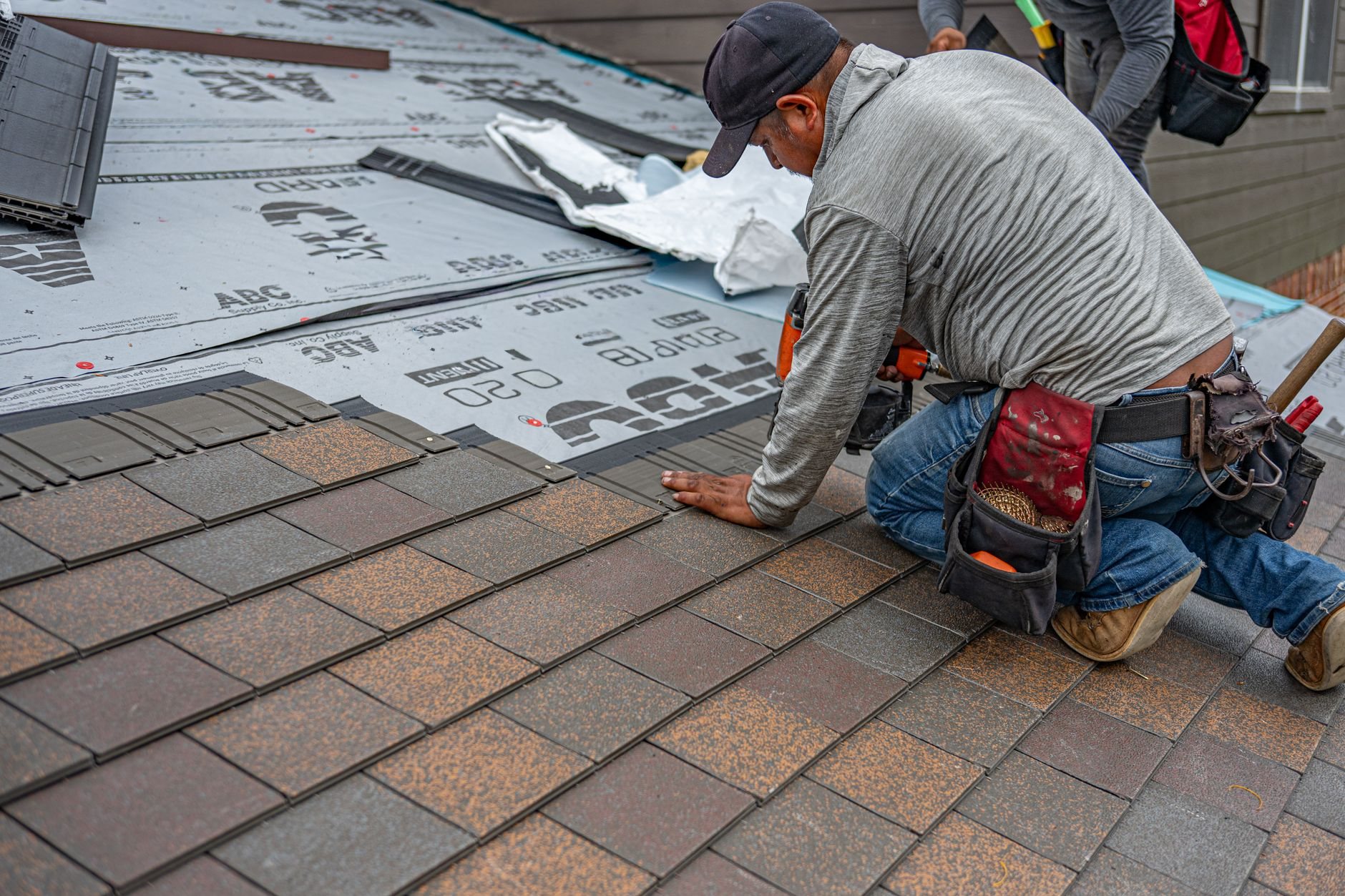
When a 3-tab shingle is the right call, and when it isn’t
Three-tabs earn their place on a short list: a rental or a flip, where the math is cost per year of ownership rather than years of roof life; a detached garage or shop; a one-slope re-roof where the other slopes are already 3-tab and a thicker shingle would telegraph the patch from the street; and older subdivisions in West Valley or Taylorsville where the neighbors’ roofs set the look.
They are not the right call for a roof you’ll live under for twenty-five years. A 3-tab is one layer of fiberglass mat and asphalt, roughly 200 to 240 pounds per square, where a laminated architectural shingle runs two bonded layers and about half again the weight. That thinness is the savings, and it’s also why the standard 3-tab wind rating sits at 60 mph — fine on the valley floor, not enough for canyon-mouth gusts at Centerville, Farmington, or the east bench, where we’d steer you to architectural or a Class 4 impact-resistant shingle.
The other caveat is sun. At 4,300 feet and up, Utah’s UV load ages asphalt faster than at sea level, and a thin shingle has less asphalt to give. Plan on 15 to 20 years here, not the 25 on the wrapper. If the roof already carries two layers or the deck is suspect, a full replacement with tear-off is the starting point whichever shingle goes back on.
What goes on the roof: materials and sequence for a 3-tab install
A 3-tab roof done right costs less than an architectural roof. One done cheaply leaks at year six. The difference lives in the layers under the shingle and the nailing on it.
- Tear off to the deck. Any cupped shingle or proud nail head beneath a 3-tab prints through, so the deck gets renailed flat and soft sheathing replaced at a unit price you see first.
- Ice and water shield at eaves, valleys, and penetrations. Self-adhered membrane from the eave edge to 24 inches inside the warm wall line. Wasatch Front winters run 100-plus freeze–thaw days a year and build ice dams; we use the same underlayment and ice-and-water spec on a 3-tab as on a premium roof. The savings don’t live here.
- Synthetic underlayment and drip edge. Drip edge under the underlayment at the eaves, over it at the rakes.
- Starter strip and layout. A manufactured starter course with the adhesive strip at the eave — not an inverted 3-tab with its tabs cut off — because that sealant line holds the first course down in wind. Courses snap at a 5-inch exposure with joints offset, usually 6 inches, so cutouts never stack.
- Nailing. Four galvanized nails per strip in the nail line, driven flush, never overdriven into the thin mat. On bench lots the six-nail high-wind pattern lifts most 3-tab lines from 60 to 70 mph at almost no added cost.
- Flashing, ventilation, and ridge. New step and counter-flashing, pipe boots, and balanced attic ventilation — a hot attic cooks a thin shingle from underneath. Ridge is capped with cut 3-tab pieces or matching hip-and-ridge.
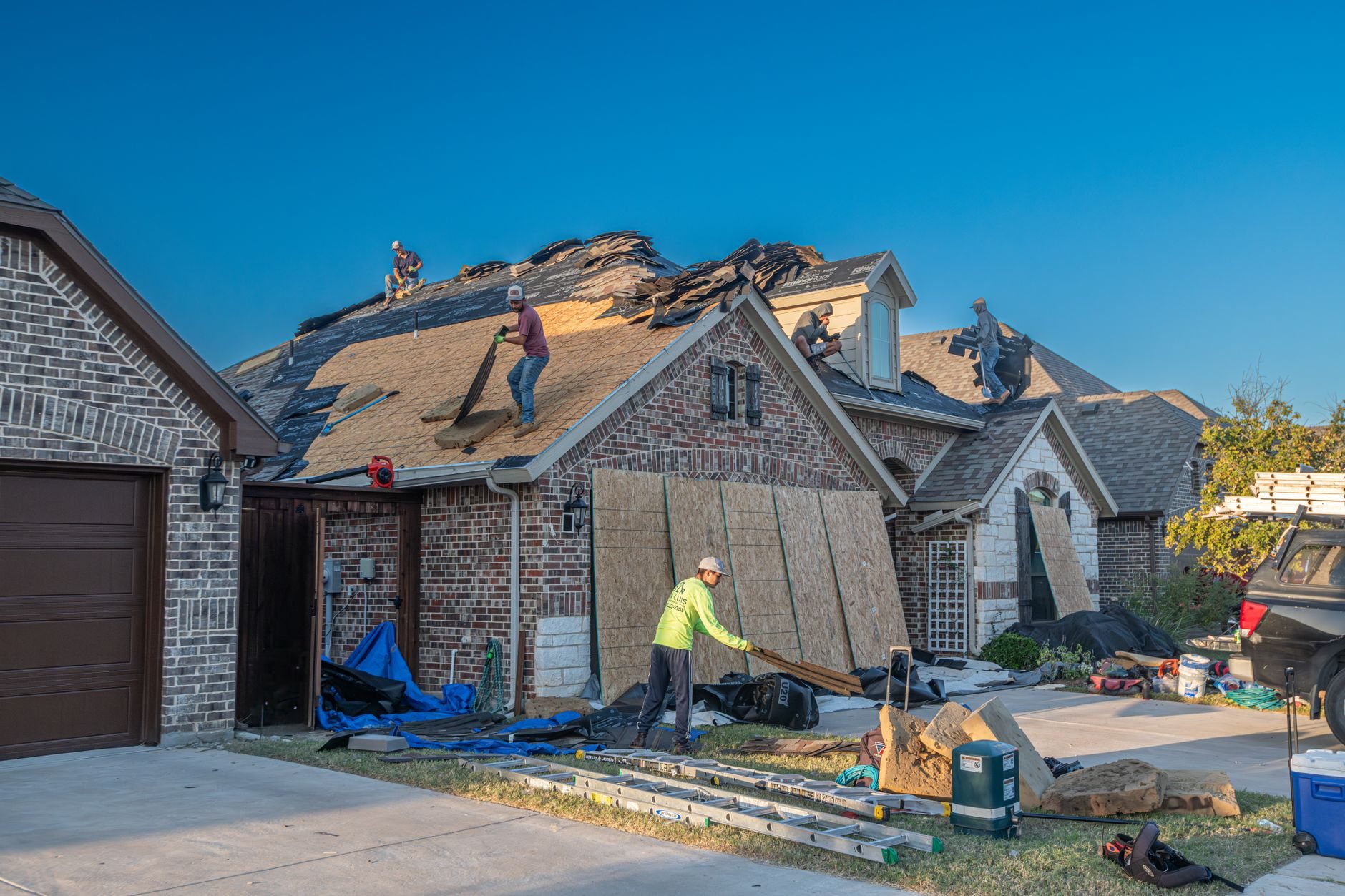
Grandview holds the contract, sequences tear-off and dry-in so the roof is watertight before the day ends, and checks nailing and flashing before anyone calls it done. One accountable contractor, one warranty conversation, and a license you can verify at Utah DOPL.
What does a 3-tab shingle roof cost in Utah?
As a ballpark planning number, a 3-tab asphalt shingle roof in Salt Lake County or Utah County typically runs about $3.50 to $5.50 per square foot of roof area installed, tear-off included — roughly $9,000 to $16,000 for many single-family homes. A firm estimate follows an inspection.
The savings versus architectural are real but smaller than most people expect. Tear-off, membrane, flashing, labor, and disposal cost the same on either roof, so the total usually lands 10 to 20 percent below an architectural quote — not half. What moves a 3-tab price:
- Layers coming off. A second old layer roughly doubles tear-off and disposal.
- Pitch and cut-up. Valleys, dormers, and hips add flashing labor and make a 3-tab’s flat look less forgiving.
- Color and availability. Fewer manufacturers still make 3-tab and colors are narrowing, so matching an existing slope can mean a special order.
- Deck repair and permit. Sheathing is priced per sheet; most cities here require a permit for full replacement, and we pull it.
This page is one branch of our roofing services, within the site, structure, and envelope work Grandview manages.
Questions we actually get
Can you match the 3-tab shingles already on my roof for a one-slope repair?
Usually, within reason. We identify the manufacturer and color from a sample and order the closest current match, but a shingle that has weathered ten Utah summers won’t match a new one exactly. On a street-facing slope, we hold the sample against the roof before you commit.
Is a 3-tab roof strong enough for wind on the east bench?
With the six-nail pattern and a proper starter course, a 3-tab holds a 70 mph rating, which covers most of the valley floor. On bench lots and near canyon mouths we recommend architectural or Class 4 instead — gusts there exceed what a single-layer shingle is built to hold, and one blown-off slope erases the savings.
How much do I really save by choosing 3-tab over architectural?
Typically 10 to 20 percent of the total job, not half, because everything under the shingle costs the same. On a short ownership horizon that’s worth taking; on a roof you’ll keep for decades, an architectural shingle’s longer life usually costs less per year.
Can you lay 3-tab shingles over my existing roof to save the tear-off?
Some cities allow a layover on one existing layer, but we don’t recommend it with 3-tab. The shingle is thin enough that every cupped tab below it prints through, wears early, and voids many manufacturer warranties. Tear-off also lets us inspect and renail the deck, where most early failures start.
Tell us what you’re working on
We reply within a couple of hours during business hours — a day at most. You’ll get a straight read on whether a 3-tab fits your roof and your horizon, with the alternative priced beside it.