
Timber Retaining Walls in Utah
A timber retaining wall is a stacked, pinned, and anchored wall of ground-contact pressure-treated timbers, the right fit for grade changes under about four feet where a wood face and a low budget matter more than a fifty-year lifespan. Grandview builds timber walls across Utah County and Salt Lake County under a B100 general contractor license, with the deadmen and drainage that keep a wood wall straight through our winters.
When timber is the right wall, and when it isn’t
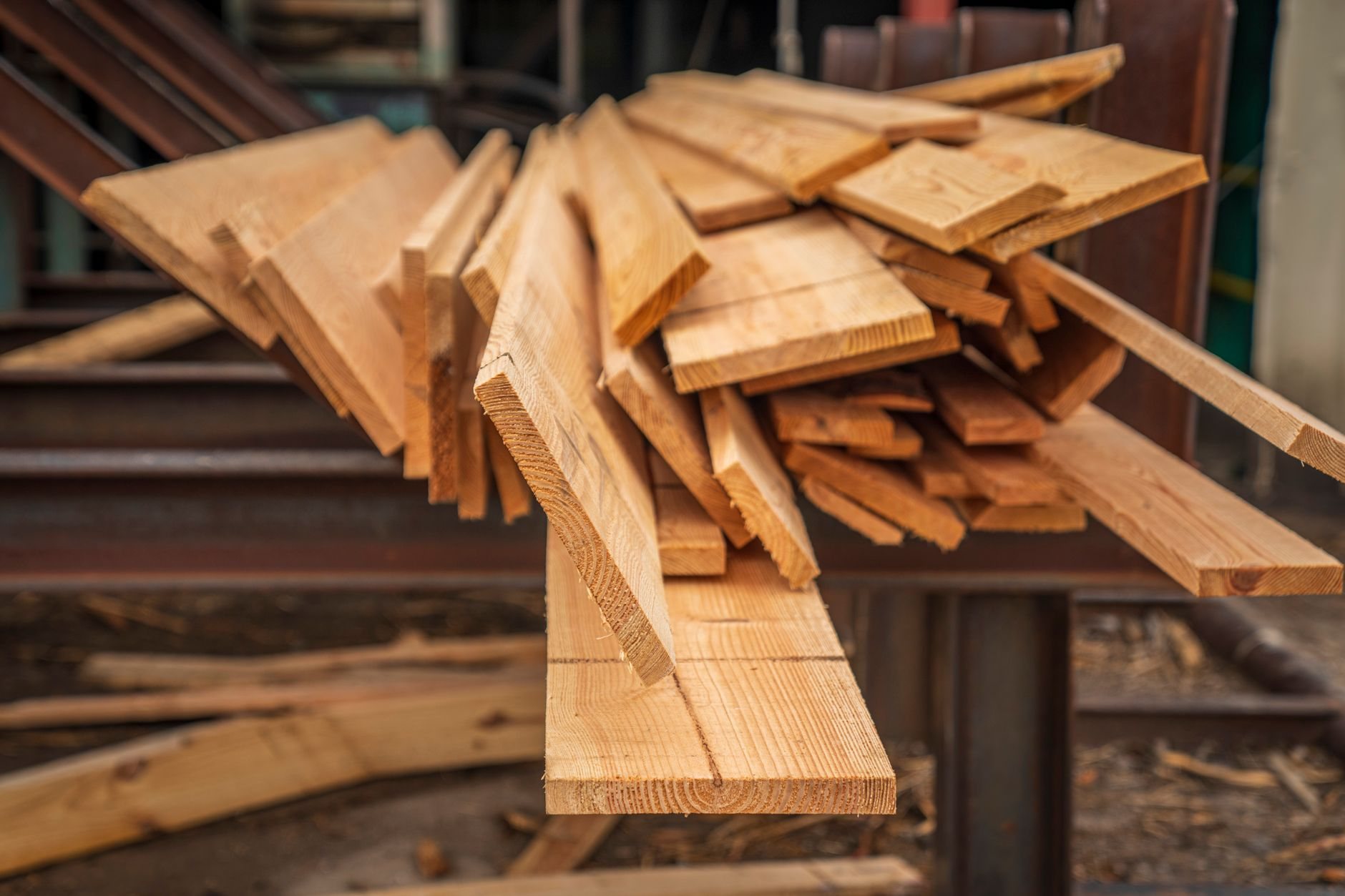
Timber is the honest budget choice for low walls: a two- or three-foot terrace behind a walkout, a garden step on a bench lot, a raised play area beside a cedar fence. It costs less than any masonry option, goes in faster, and pairs naturally with a deck above it.
The trade-off is lifespan. Treated timber in wet soil is a 15- to 25-year wall along the Wasatch Front; a segmental block wall or boulder wall on the same cut should outlast the house. Above four feet, under a driveway or structure, or tied to a foundation, we steer you to a poured concrete wall or engineered masonry. Timber can be engineered that tall, but by then it rarely beats block on price.
Timber also shines as two or three short tiered walls, each under the permit threshold. Our page on retaining wall construction covers how we size and permit every system.
What goes into a timber wall that stays straight
Most failed timber walls we replace were 4x4s spiked together and backfilled with dirt from the cut; they bow because nothing ties them into the hill. A timber wall stands because of what’s buried behind it:
- Ground-contact-rated timbers. 6×6 pressure-treated timber at ground-contact retention levels (UC4A or UC4B), not the lighter above-ground treatment sold for fences. Cut ends get field-treated with copper naphthenate, since an untreated cut is where rot starts.
- A buried first course. The base timber sits below grade on compacted crushed gravel, pitched slightly into the slope. A wall that starts on topsoil ends up in the lawn.
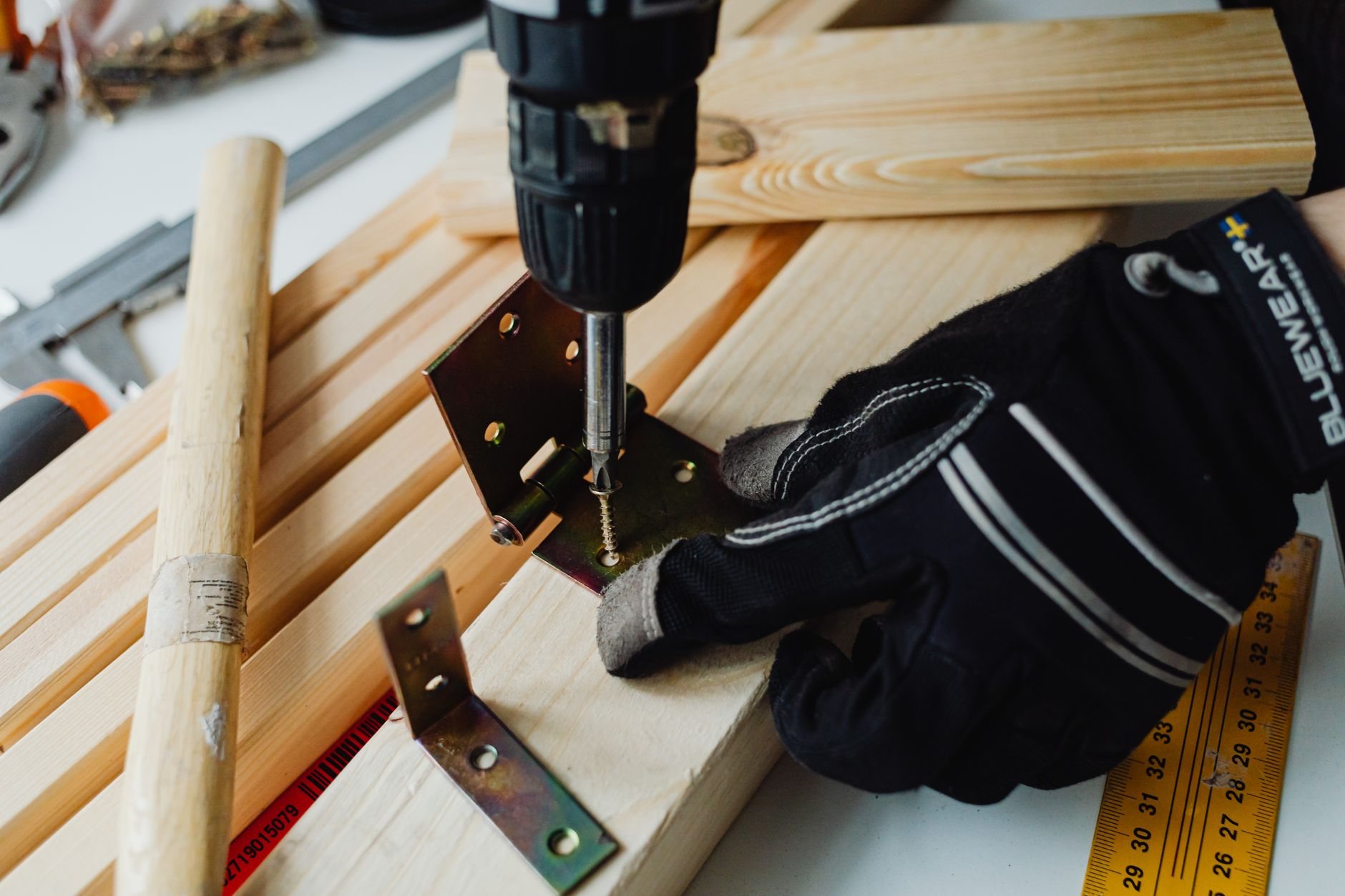
- Pinned courses. Courses offset like brick and pinned to the one below with 12-inch galvanized spikes or half-inch rebar through pre-drilled holes.
- Deadmen. Perpendicular timbers run back into the fill at roughly 4- to 6-foot spacing every course or two, anchored by a cross-timber at the buried end. Without them a timber wall is a fence lying against dirt.
- Batter. Each course steps back a half inch to an inch, so the wall leans into the hill from day one rather than away from it in year five.
- Drainage behind the face. Perforated pipe at the base, clean drain rock behind the timbers, filter fabric against native soil, all daylighted. Wood in saturated clay rots from the back.
Utah soil works against wood two ways. Much of the Wasatch Front sits on expansive clay documented by the Utah Geological Survey, which swells wet and shrinks dry in a rhythm no spike resists unless the wall is tied back and drained. And our 100-plus freeze–thaw days a year heave a shallow base course a little each winter, which is why the first timber sits on gravel below grade. Summer cloudbursts add the surge case: an inch of rain in an hour has to leave through the pipe or it sits against the wall.
Railroad ties: the honest answer
People ask for railroad-tie walls because they’re cheap, heavy, and look like they’ve always been there. We’ll build with them, with two cautions. Used ties carry creosote, which the EPA regulates as a restricted-use pesticide and does not recommend for residential landscaping, especially near vegetable beds, play areas, or anywhere people and pets touch the wood. And salvaged ties vary wildly: some are sound oak with decades left, some are rotten inside. We sort the pile before stacking and won’t put a crumbling tie in a wall you’re paying us to stand behind.
For most homeowners the better path is new 6×6 ground-contact treated timber: a little more per foot, consistent, safe around a garden, and it takes stain. If the weathered face is the whole point, say so; there are ways to get it without the creosote.
What does a timber retaining wall cost in Utah?
As ballpark planning numbers, not quotes: a timber wall built with deadmen and drainage along the Wasatch Front typically runs $20 to $40 per square foot of wall face, installed. That’s the lowest entry point of any wall system we build. A site walk gets you a budget range; a defined length and height gets you a firm estimate.
- Timber grade. Ground-contact 6×6 costs more than fence-grade lumber and is the only kind that belongs in soil. Salvaged ties are cheaper per piece but cost more to sort and handle.
- Deadman count. Taller or longer walls need more tiebacks, each one extra excavation into the slope.
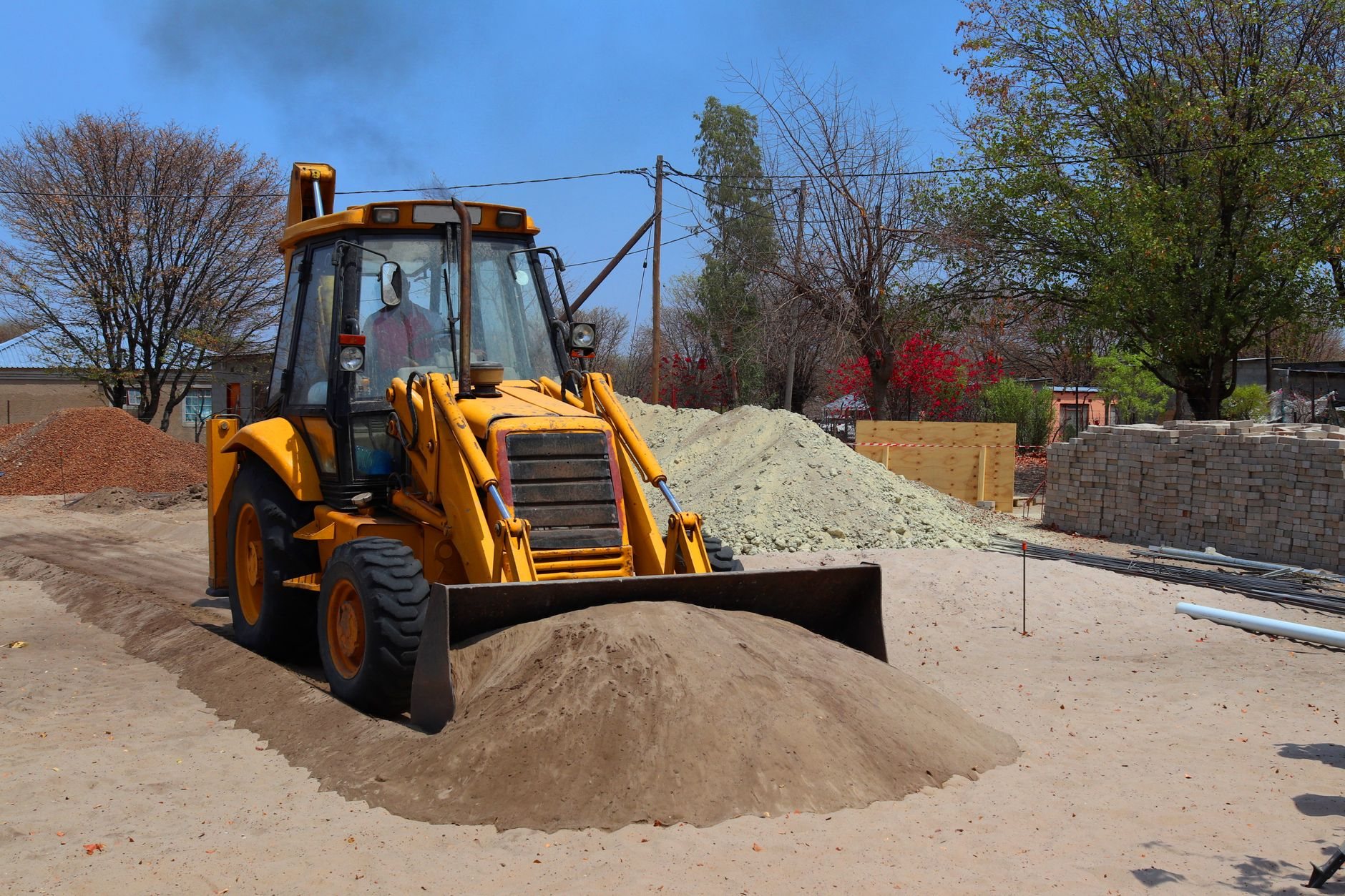
- Access. A wall a skid steer can reach is a two-day job; one behind a 36-inch gate is hand-dug and hand-carried.
- Removal. Hauling out a failed tie wall, with proper disposal of creosote ties, is priced separately and up front.
Questions we actually get
How long does a timber retaining wall last in Utah?
Plan on 15 to 25 years for a wall built with ground-contact 6×6 timber, drainage, and deadmen. Fence-grade lumber or native-clay backfill often bows or rots in under ten. Utah’s high-elevation UV grays and checks the exposed face quickly; a penetrating stain every few years slows that down.
Does a timber wall need a permit or engineering?
Usually not under four feet with no surcharge, which is where timber makes sense anyway. Most Utah cities apply the same height threshold to wood as to block or concrete, and a slope or driveway above can trigger engineering lower. We confirm with your building department before pricing, and we’ll say plainly if your wall has outgrown timber.
Can you build a timber wall against an existing fence or deck?
Yes, and it’s one of timber’s best uses, since the materials match. The wall still needs its own base and deadmen; it can’t lean on fence posts or deck piers, and deck footings have to sit below the wall’s influence zone or be designed for the load. We sort that out on the site walk.
Is it cheaper to repair a bowing timber wall or replace it?
Almost always replace. A bowed timber wall has usually rotted at the pins or never had deadmen, and the only way to add them is to take it apart. Timber is the least expensive wall to rebuild, and the second version, with gravel, fabric, and tiebacks, is the one that lasts.
Tell us what your slope is doing
Send a few photos and rough dimensions, or ask us to walk the site. You’ll get a straight read on whether timber is the right wall and what it should cost, within a couple of hours during business hours. This work lives in our site, structure and envelope family.