
Historic Masonry Restoration
Historic masonry restoration repairs pre-war brick, canyon-quarried sandstone, and pioneer-era adobe with the materials they were built from — lime mortar, salvaged units, breathable finishes — not the hard modern products that destroy them. It’s for owners of older Salt Lake City and Utah County buildings, and Grandview performs the work under a Utah DOPL B100 general contractor license.

When restoration is the right scope, and when a sibling service is
The dividing line is age and material. Brick laid after the 1930s with portland-cement mortar belongs to standard brick repair and tuckpointing — the mortar matches from a bag and the brick can take it. Anything older is almost certainly lime-bedded, softer, and survives only if the new work is softer than the old. That is historic masonry restoration.
A leaning chimney on an old house is still chimney repair and rebuilds; soot and mineral bloom on a sound wall are masonry cleaning. When an entire historic home is being brought back, the masonry becomes one chapter of masonry and facade restoration in our renovation family. This page is the trade itself within our masonry services.
Three historic Utah materials, three different repairs
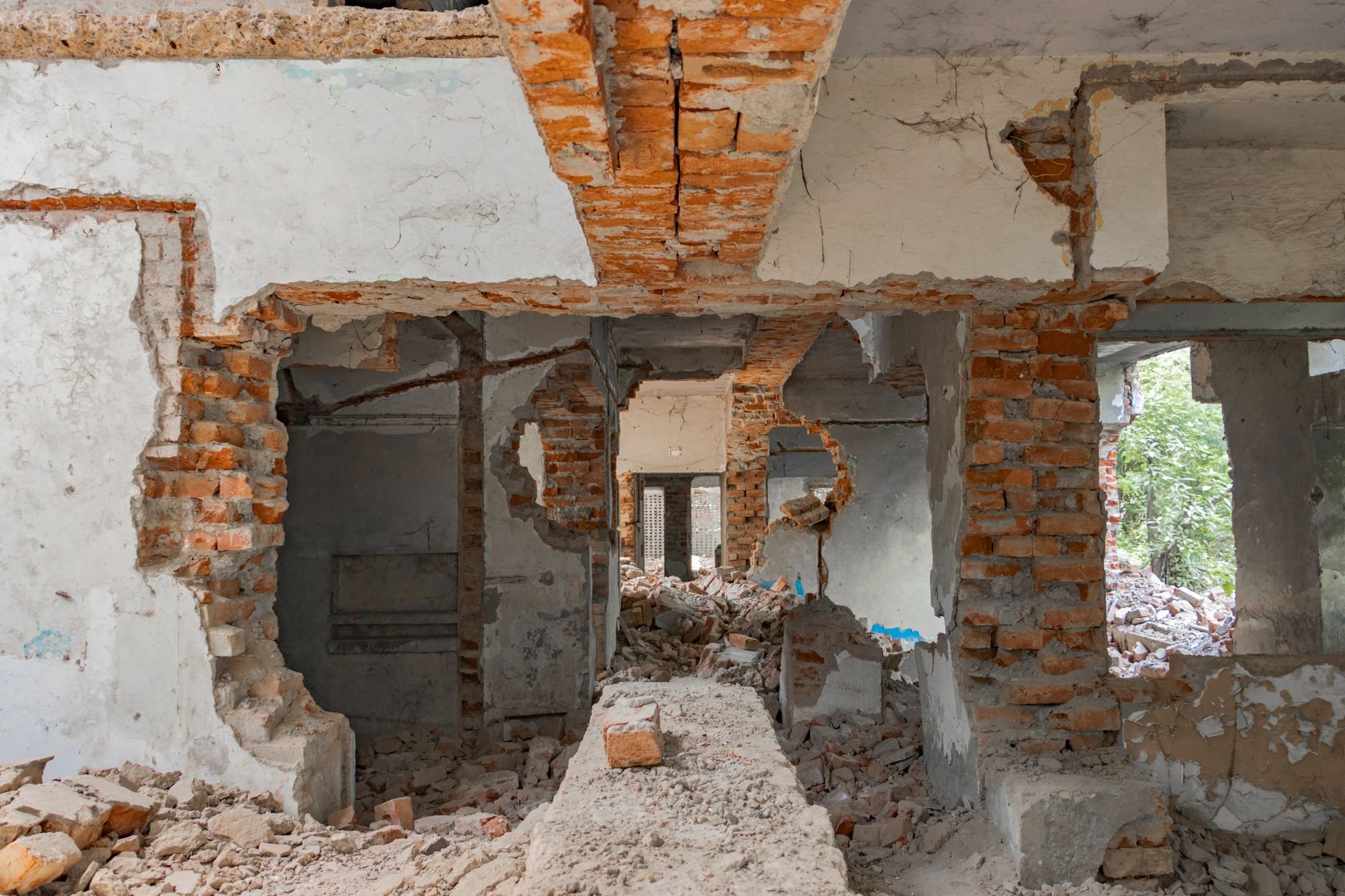
Soft brick. Much of the brick in the Avenues, Capitol Hill, and downtown Provo came from small local kilns: more absorbent and weaker than anything made today. Repoint it with Type S mortar and moisture locks into the brick; across a Wasatch Front winter’s hundred-plus freeze–thaw days, the face pops off while the joint stays perfect. We rake joints by hand, repoint with a lime-rich mix built to a sample cut from an original joint, and replace failed units with salvaged brick matched for size, color, and absorption, following the National Park Service’s Preservation Brief 2 on mortar selection.
Local sandstone. Early Salt Lake foundations, sills, and water tables were often cut from canyon sandstone, which weathers in layers — faces delaminate, sills hollow out, and a hard joint on either side accelerates it. A split stone gets a dutchman repair: the failed section cut back square, a matching piece let in and pinned, the joint pointed in lime so the patch weathers with the wall.
Pioneer adobe. Utah County towns built heavily in sun-dried adobe from the 1850s on, and many of those houses still stand under a later skin of brick or stucco. Adobe fails when it gets wet at the base and when cement stucco seals the moisture in. Restoration means correcting grade and drainage, rebuilding eroded coursing with compatible adobe, and finishing in lime plaster that breathes — never portland stucco, however convenient the bag.
What historic masonry restoration involves
- Document. Elevation photos, a crack map, moisture readings at the wall base, and a sounding pass for hollow faces. On a listed building, this record is what preservation review wants to see.
- Analyze the mortar. A sample from an original joint gives binder ratio, sand color, and grain size. The replacement mix is built to it, typically Type O or Type K, and a test panel goes on the wall for approval before scaffold goes up.
- Stabilize first. Bowed wythes get stainless helical ties into sound backing. If stair-step cracks trace a settled corner, common on collapsible bench soils, the footing is corrected through foundation repair before any joint is touched.
- Repair in kind. Rake, wet, pack in lifts, tool to the original profile. Dutchman stone, salvaged brick, adobe patching. No sandblasting, and never a grinder on adobe.
- Protect and cure. New copings and through-wall flashing, slow damp curing under burlap in dry Utah air, and a breathable repellent only after the lime has carbonated — weeks, not days.
The plans may change. The standard does not.
What does historic masonry restoration cost in Salt Lake City?
More per square foot than modern repointing, because it is slower and nothing comes off the shelf. Ballpark planning numbers, not quotes: repointing one elevation of soft brick in lime mortar is often a four-figure to low-five-figure job; a whole two-story house with unit replacement lands in the low-to-mid five figures; sandstone dutchman work and adobe stabilization are priced by skilled hours and vary widely.
What moves the number: scaffold height, units needing cutting out, lintels or sills that must come out, salvage sourcing time, and whether the building sits in a local historic district, where exterior work needs review before a permit — see landmark and preservation-compliant work. One line we price every time on pre-1930s buildings: the Utah Geological Survey has mapped the Wasatch fault beneath most of this unreinforced housing stock, and open joints with scaffold up are the cheapest moment to add wall-to-floor anchors and parapet bracing. Related scopes in the site, structure & envelope family run under one contract.
Questions we actually get
How do you know my mortar is lime-based and not cement?
We cut a small sample from an inconspicuous original joint and test it. Lime mortar scratches with a nail, fizzes in dilute acid, and shows the sand it was mixed with; cement mortar is hard, grey, and inert. It takes minutes and decides the whole mix design.
Can I restore an adobe house that was bricked or stuccoed over?
Usually, if the adobe has stayed reasonably dry. We open a small inspection area at the base and check whether the outer skin is protecting the wall or trapping water in it. Cement stucco over adobe is the common culprit; the fix is drainage first, then adobe repair and a lime plaster finish that lets the wall dry.
Why can’t you start until spring?
Lime mortar cures by slowly absorbing carbon dioxide and must stay above freezing and damp for weeks; a hard freeze in that window ruins the joint. On the Wasatch Front that makes late April through October the working season. Winter work under heated enclosure is possible but adds cost.
Will the restored areas look new next to the old?
Not for long, if the match is right. Salvaged brick and matched sand give the correct color from day one, and lime mortar weathers to blend within a season or two. The test panel is where you approve the match before an elevation is committed — we’d rather redo a panel than a wall.
Tell us what you’re working on
Spalling brick, a crumbling sandstone sill, or an adobe wall nobody has looked at in a century — you’ll get a straight read on scope and budget. We reply within a couple of hours during business hours, a day at most.