
Water features & fountains in Utah
Pondless waterfalls, bubbling urns, wall fountains, and small ponds — built with a sealed basin, a correctly sized pump, and a code-compliant circuit so the water stays where it belongs. Grandview builds them across Utah County and Salt Lake County under a B100 general contractor license.
When a water feature is the right choice
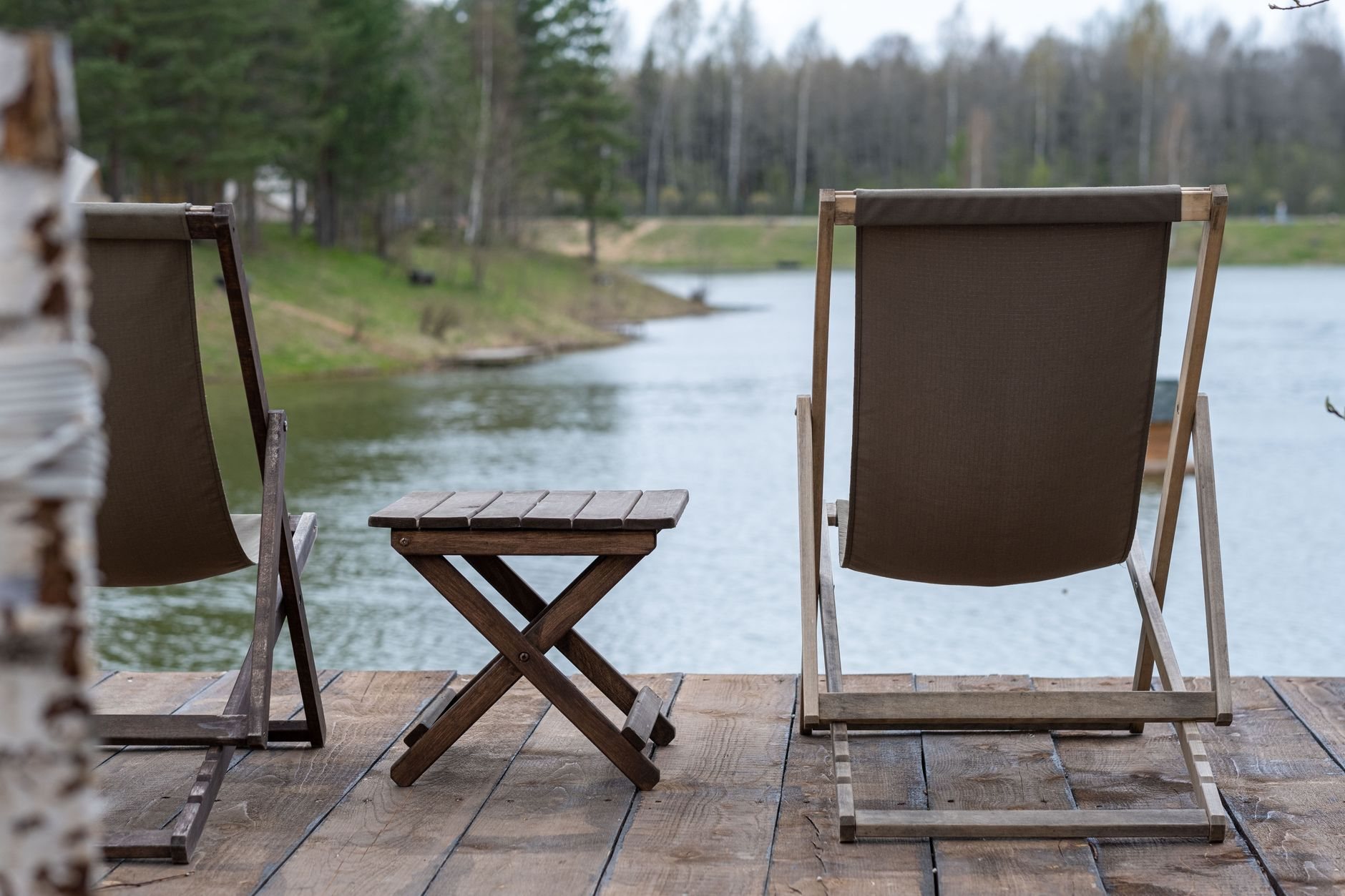
A water feature earns its place when the yard needs sound and movement more than another surface. Moving water covers road noise, draws birds, and gives a patio a focal point that still works at night under landscape lighting. It is the wrong choice if what you want is a gathering spot: a fire pit seats people, a fountain is something people sit near. If you want a natural element with no upkeep, boulder placement delivers mass without a pump.
Within water features the decision tree is short. A pondless waterfall gives you sound and stone without open water — the fit for families with small children. A bubbling urn or basalt column is the compact version, suited to courtyards and entries. A wall fountain suits tight patios. A pond makes sense only if you want fish and plants and accept the filtration they bring.
What the work involves
Every water feature is four systems: a basin that holds water, a liner that keeps it there, a pump loop that moves it, and stone or a vessel that shapes the fall. Get the hidden three right and the visible one takes care of itself.
- Set the location against the grade. A waterfall needs real elevation change, so it goes on the high side of the yard or we build the rise. The basin sits at the low point of the feature, never of the yard, and clear of the foundation.
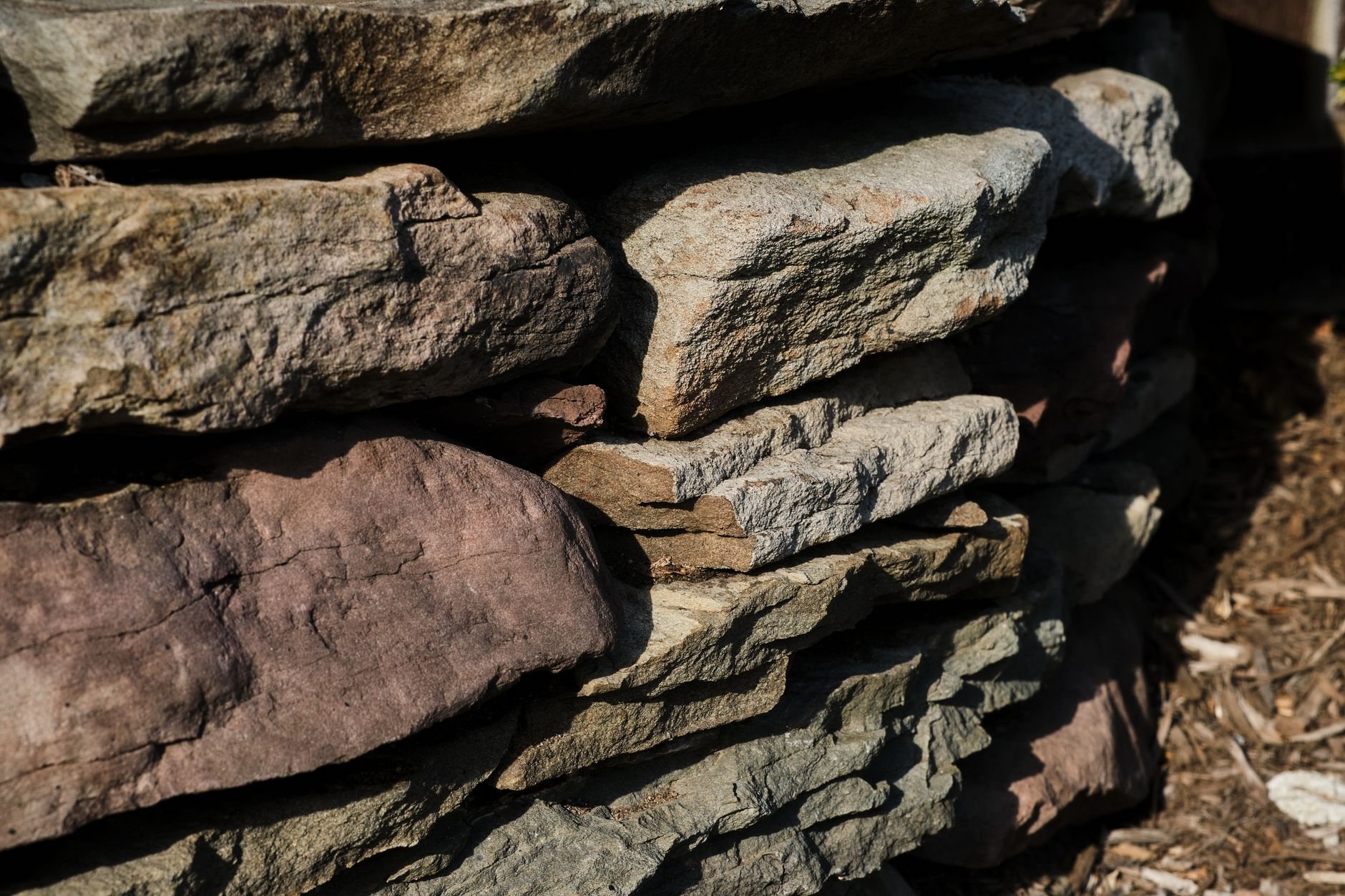
- Excavate and line the basin. A pondless basin holds more than the stream carries when running, plus a reserve for evaporation. We compact the subgrade, lay underlayment, then 45-mil EPDM rubber liner with generous overlap. On the collapsible bench soils the Utah Geological Survey maps across much of the Wasatch Front, we compact harder and oversize the basin — uneven settlement pulls a liner tight and tears it.
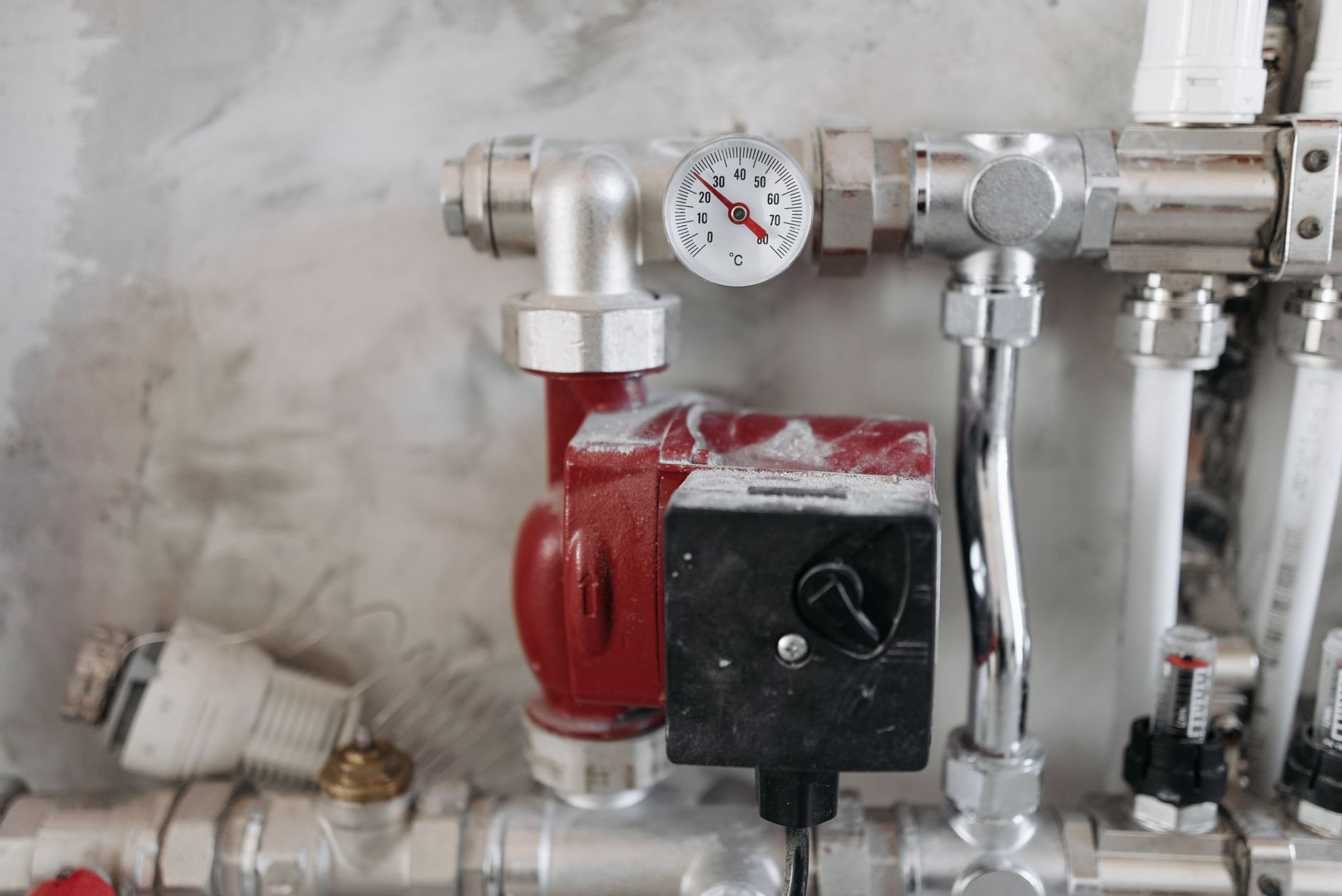
- Install the vault and water matrix. Structural storage blocks fill the basin so you can walk on it; the pump sits in a vault with a service lid. Pump size comes from vertical lift to the spillway and the width of the water sheet — a one-inch sheet needs roughly 100 gallons per hour per inch of spillway width.
- Run the plumbing and the circuit. Flexible PVC with a check valve so the stream doesn’t back-siphon when the pump stops. The pump needs a dedicated GFCI-protected outdoor circuit; Grandview holds the contract and manages licensed electricians for that work, sequencing their trench with ours and inspecting before stone covers anything. An autofill valve keeps the basin topped up through Utah’s dry summers.
- Set the stone and tune the flow. Spillway stone is set level and keyed so the sheet falls cleanly instead of running back under the lip; stream rock is seated with waterfall foam so water goes over the stones, not under them. Then we run it, adjust the valve, and listen — a feature that sounds like a running toilet gets turned off.
Fountains are the same logic smaller: a basalt column or urn on a grate over a buried basin, pump below, supply tube up the drilled core.
Winter, hard water, and overflow
Winter first. Water left in a fountain vessel freezes, expands, and cracks ceramic, cast stone, and concrete. Pondless features fare better because the water sits below grade, but the pump still needs a plan: pull it and store it, or keep it running so the water stays in motion.
Hard water second. Wasatch Front tap water leaves a white scale line on stone within a season. Dark basalt hides it; light cast stone shows it. We spec with that in mind.
Overflow last. A summer cloudburst can overfill a basin in minutes. We tie the overflow into the yard’s drainage — and if the yard has none yet, grading and drainage gets solved first.
What a water feature costs in Utah
As ballpark planning numbers, not quotes: a bubbling urn or basalt column with pump, autofill, and circuit commonly runs $4,000–$9,000 installed. A pondless waterfall with a short stream typically lands in the $10,000–$25,000 range, scaling with stream length, stone size, and the rise we build. Ponds with filtration start higher.
What moves the number most isn’t the water. It’s machine access (a basin dug by hand costs more than by skid steer), distance to power and water supply, tonnage of stone, and whether the feature is standalone or part of a larger yard where the trenching is already happening.
Water features are one scope within our landscaping and hardscaping work, part of the site, structure and envelope family. They cost least planned alongside the patio, walls, and irrigation around them, so trenches get dug once. Our license is verifiable at dopl.utah.gov; the firm estimate comes once design and stone are chosen.
Questions we actually get
Do I need a permit for a water feature in Utah?
Usually not for the feature itself, but the dedicated outdoor circuit for the pump needs an electrical permit and inspection in most cities, and a new water connection may need a backflow device. We pull the permits that apply; verify thresholds with your city’s building department.
Does a water feature add much to the water or power bill?
Not much. A recirculating feature replaces only what evaporates and splashes out — a few gallons a day for a small urn in a hot Utah July, more for a long stream. The pump is the real running cost, which is why we size it to the spillway rather than oversizing it.
Can a water feature go next to the house or on a patio?
Yes, with two conditions. The basin needs an overflow route that drains away from the foundation, and the splash zone has to land on stone, gravel, or pavers, not siding or a deck edge. On a patio, we plan the circuit and catch basin into the base before pavers go down.
What maintenance does a pondless waterfall need?
Less than people expect. Clear leaves off the spillway and basin grate in fall, check the pump intake a few times a season, pick a winter plan, and do one spring cleaning for scale. A pond adds filter cleaning and water-quality work; a pondless feature doesn’t.
Tell us what you’re working on
An urn by the front door or a waterfall for the backyard — we’ll walk the site and give you a straight read on placement, power, and budget before anyone commits to anything. We reply within a couple of hours during business hours, a day at most.