
Helical Pile Foundations in Utah County
A helical pile foundation carries a building on galvanized steel shafts screwed into the ground until installation torque proves the bearing capacity the engineer specified. Grandview installs them under a DOPL B100 general contractor license for homes, additions, and light commercial buildings across Utah County where near-surface soil can’t be trusted to hold a footing.
When helical piles beat the other deep-foundation options
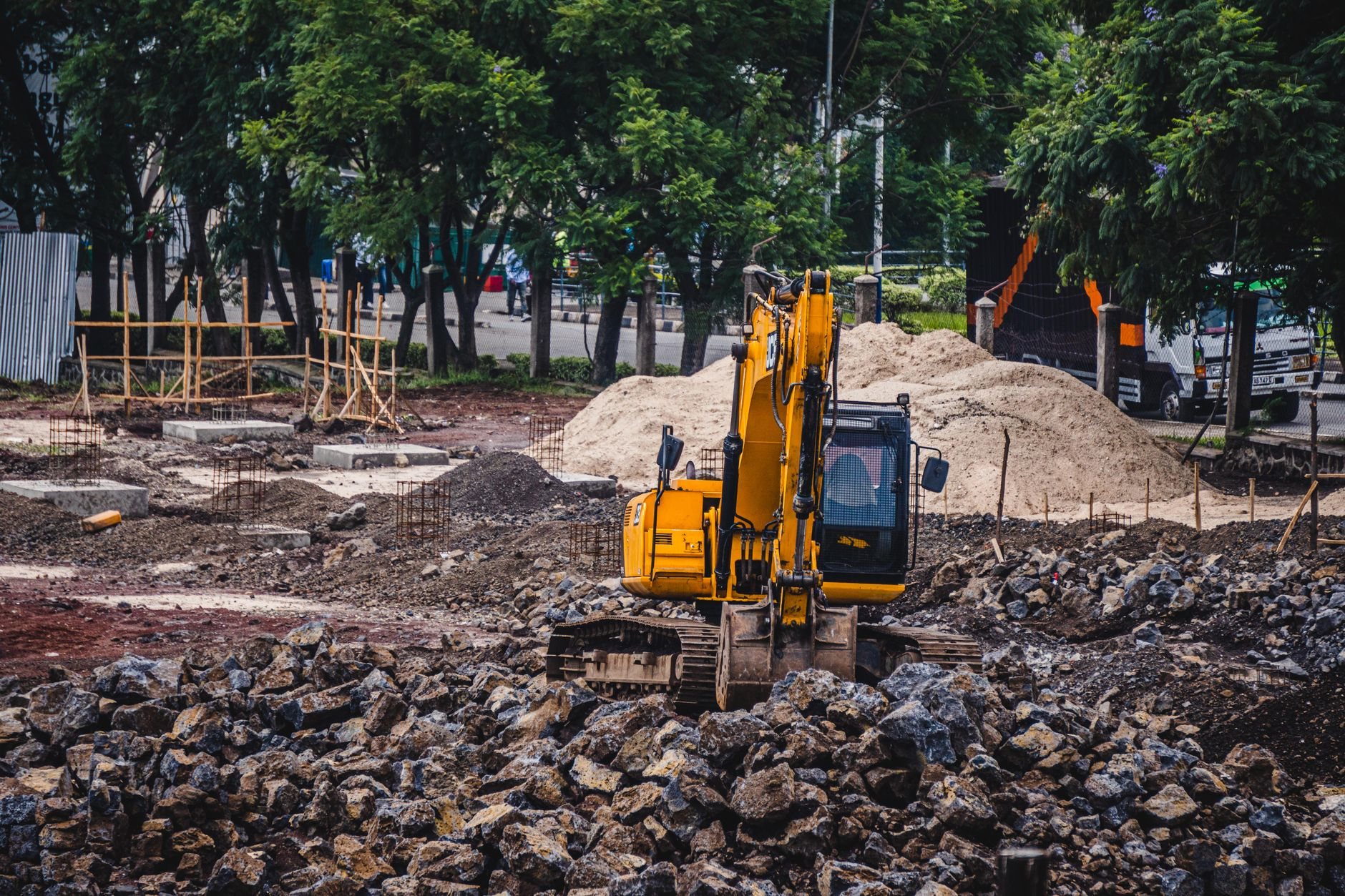
Every deep foundation carries load past weak upper soil to a layer that can hold it. A driven pile is hammered in: economical at high pile counts, but it shakes the neighbors and needs a rig. A drilled pier or caisson is bored and filled with concrete: right for the heaviest loads, but it makes spoils and waits on cure. A helical pile is screwed in with a hydraulic torque head on a compact excavator: no vibration, no spoils, no cure time, and frozen ground doesn’t stop it. It is the right call when:
- The site is tight. Additions and infill, where the machine fits through a side yard and works a few feet from an existing footing.
- Collapsible bench soils. East-bench lots from Alpine to Mapleton often sit on silt and alluvial-fan deposits that compress when they finally get wet; the Utah Geological Survey (geology.utah.gov) maps them. A helix seated below the collapse-prone zone sidesteps the problem instead of over-excavating it.
- Soft valley-floor deposits. Old Lake Bonneville clays and silts near Utah Lake give low bearing near the surface; a helical pile reaches firmer strata without mass excavation.
- Loads are light to moderate. Houses, ADUs, decks, small commercial. In the hundreds of kips per column, a drilled pier usually pencils better.
If the structure already exists and is settling, the same hardware bracketed under the footing is helical pier foundation repair, not this page. This is new construction within our foundation construction service and the wider site, structure & envelope family.
What installing a helical pile foundation involves
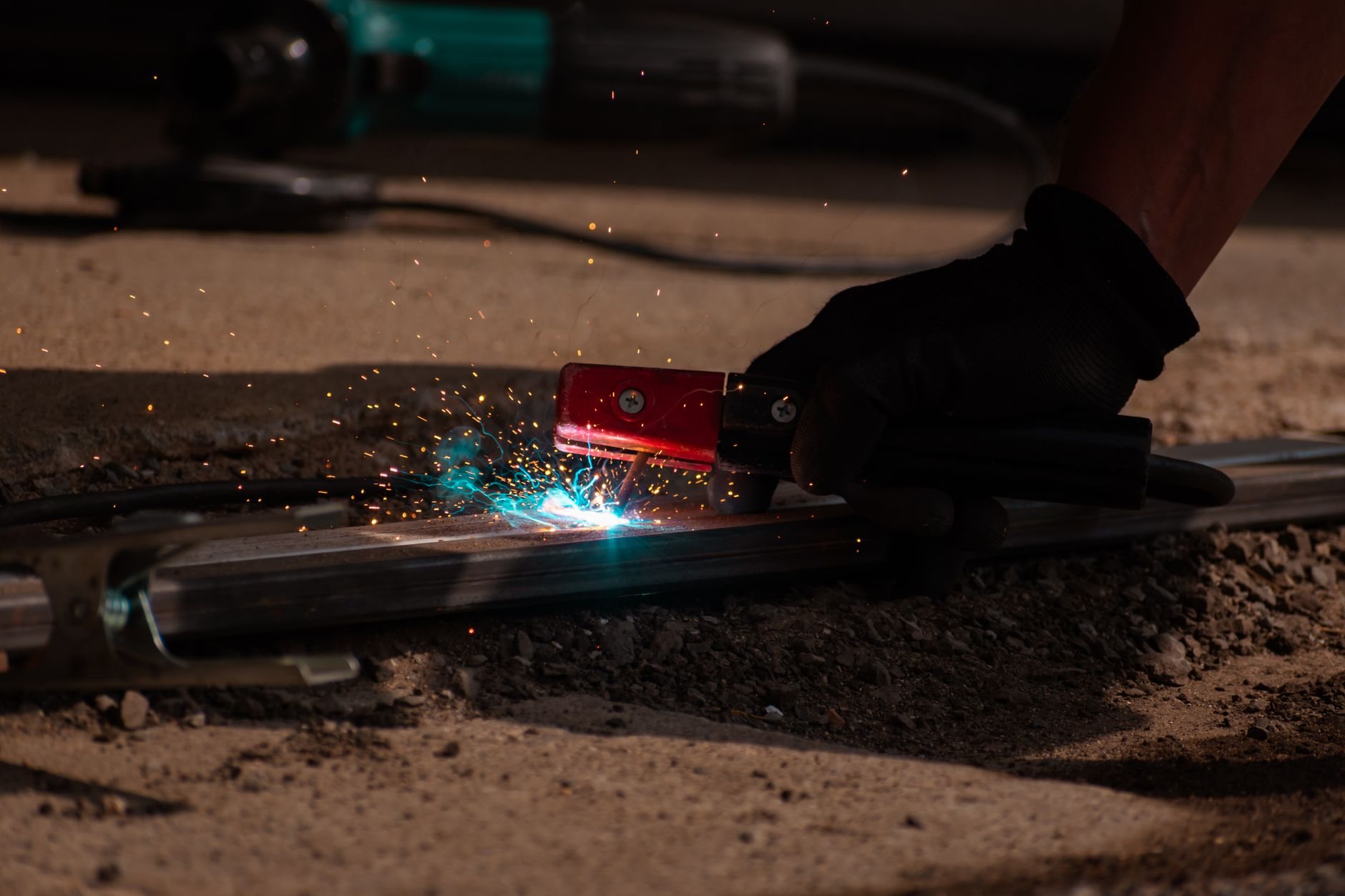
A helical pile is a lead section with one to three steel helix plates welded on, followed by bolted extensions until it reaches depth. Square solid-bar shaft (1.5 to 1.75 inches) is cheaper and penetrates dense soil well but has little lateral stiffness. Round hollow shaft (2.875 to 4.5 inches) costs more per foot and resists bending, which matters wherever seismic design asks the piles to take lateral load. Hot-dip galvanizing is standard.
- Design to the soil report. The geotechnical engineer gives bearing strata; the structural engineer sizes helix diameters, shaft type, and spacing, and sets the target torque. We prefer systems with an ICC-ES evaluation report under AC358, which is what Utah County plan reviewers expect on the drawings.
- Layout and pre-drill where needed. Where cobble is expected, a pilot hole keeps the helix from being chewed up before it reaches depth.
- Install to torque, not to depth. A calibrated gauge logs torque at every foot; capacity is confirmed by an empirical correlation, roughly 10 times final torque for square shaft, lower for round. Hit target torque early and the pile is done; reach design depth without it and we add extensions.
- Cut, cap, and tie in. Shafts are cut to elevation and fitted with new-construction caps embedded in a grade beam or pile cap that gathers wall and column loads.
- Load test when the engineer asks. On larger jobs a jack test on one or two piles verifies the torque correlation.
Two Utah realities shape the engineering. The Wasatch fault puts most of the county in a high seismic design category under current Utah-adopted code, and a slender steel shaft alone is a poor lateral element; the engineer usually answers with a stiff grade beam or battered piles. And bench alluvial fans carry cobble that can stop a helix cold, which is why we want the soil report before pricing the pile count. Problems happen. Surprises should not.
What does a helical pile foundation cost in Utah County?
For planning purposes, a residential helical pile installed and capped in Utah County usually lands in the low-to-mid four figures per pile, with the grade beam priced on top. That is a ballpark, not a promise. It moves on:
- Pile count. Set by loads and soil. Weaker ground means more piles or bigger helices, the largest single swing.
- Depth to torque. Every extension is more steel and machine time. A pile that reaches torque at 12 feet costs noticeably less than one that needs 35.
- Shaft type. Round shaft sized for lateral load costs more than square bar sized for compression only.
- Access and obstructions. One trip for a compact machine is cheap; pre-drilling through cobble or a jack load test is an added line.
Helical piles usually cost more per pile than driven piles on a large job and less than drilled piers on a small one. On an addition a drill rig can’t reach, or a bench lot where a spread footing would need ten feet of over-excavation, they are often the cheapest competent answer. Budget range after a site walk; firm estimate once the geotech report and pile schedule are in. Site preparation runs through excavation & grading.
Questions we actually get
How deep do helical piles go in Utah County?
Wherever torque says. On the valley floor that is often 15 to 30 feet to get past soft lake deposits; on the bench it can be shorter, or stop early on cobble. The engineer sets a minimum depth and a target torque; the pile is finished when both are met.
Can helical piles be loaded right after installation?
Yes. The steel carries load the moment it reaches torque, the main schedule advantage over drilled piers. The building still waits on the grade beam to cure, so plan days between the last pile and framing, not weeks.
Do I need a soils report before you can price helical piles?
For a firm number, yes. Pile count, helix size, and expected depth all come from the geotechnical report, and most Utah County cities require one with the permit for an engineered foundation. We can give a budget range from a site walk, but it stays a range until the report is in.
What happens if a pile hits a boulder before it reaches torque?
We stop, log it, and call the engineer. Options are pre-drilling through the obstruction, shifting the pile and adjusting the grade beam, or a shallower pile with revised spacing. Cobble on alluvial-fan lots is common enough that we price a contingency for it up front.
Tell us what you’re building on
Send the plans, the soils report if you have one, or just the lot address. You’ll get a straight read on whether helical piles are the right system and a planning budget before anyone commits to anything. We reply within a couple of hours during business hours, a day at most.