
Driven Pile Foundations in Utah County
A driven pile foundation hammers steel H-piles, pipe piles, or timber piles through weak upper soil until they reach refusal or a design depth that can carry the building. Grandview builds driven pile foundations under a DOPL B100 general contractor license for commercial, multifamily, and lakebed-soil projects across Utah County.
When a driven pile beats a helical pile or a drilled pier
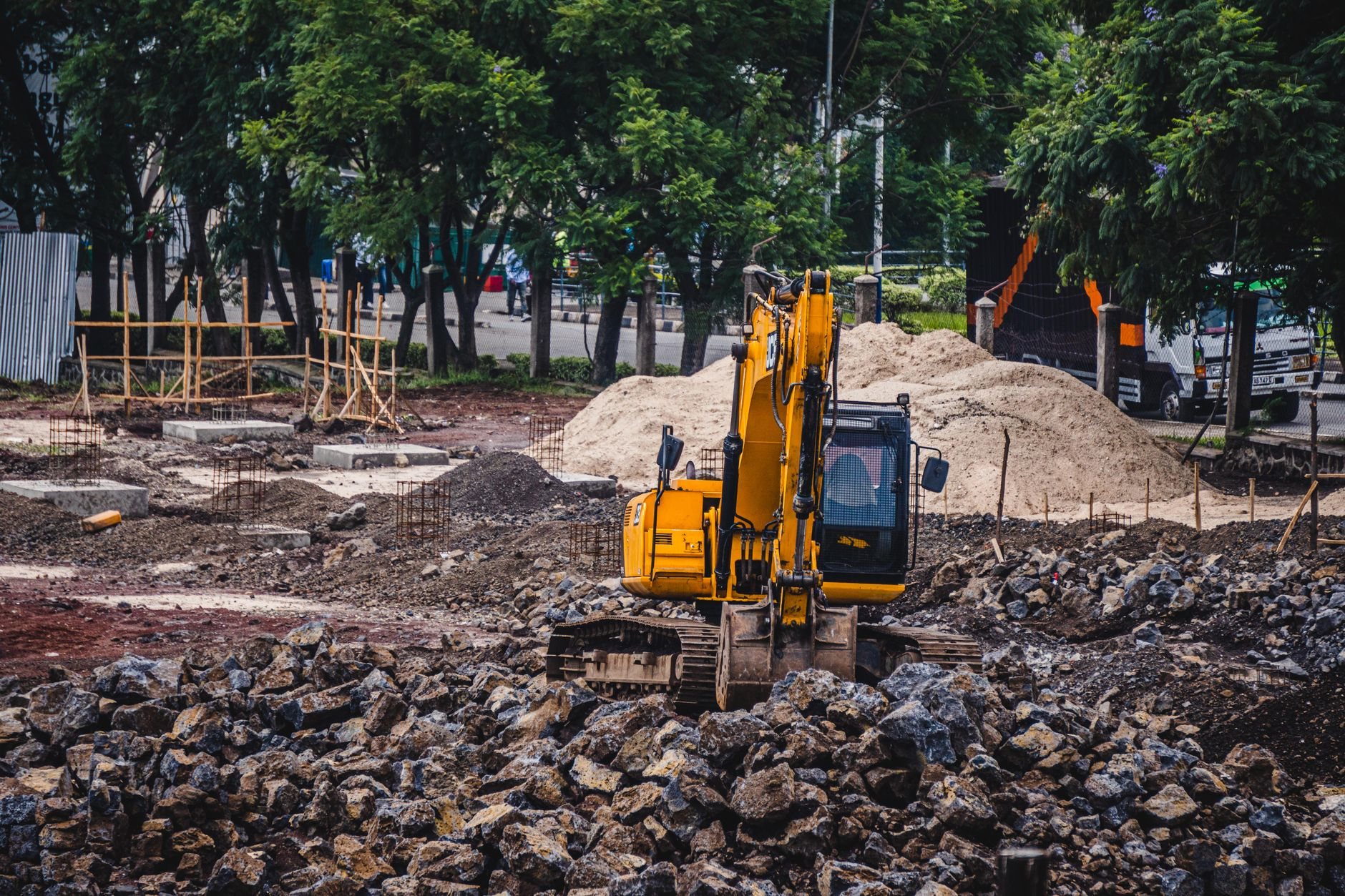
Three deep systems compete for the same jobs, and the ground usually picks the winner. A driven pile is the right call when the bearing layer is deep, the soil above it is soft and saturated, and the structure is heavy enough to justify mobilizing a hammer rig. Each blow is a load test: when the pile stops advancing under a known energy, you have direct evidence of what it carries.
A helical pile foundation wins on tight sites, lighter loads, and additions beside occupied buildings, because a torque head makes almost no vibration. A drilled pier or caisson wins when loads are very high and the soil will hold an open shaft. Driven piles win in between: long lengths, soft or liquefiable soils that would cave a drilled hole, and enough pile footage to make mobilization pay.
The flats around Utah Lake — Vineyard, west Provo, parts of Saratoga Springs and Lehi — sit on deep Lake Bonneville silts and clays with a shallow water table. The Utah Geological Survey (geology.utah.gov) maps much of this ground as high liquefaction potential. Drilled shafts struggle there without casing; a driven pile displaces the soft material and ends in the dense sand or gravel beneath it.
What goes into a driven pile foundation
The engineer’s specification covers section, length, driving criteria, splices, and the cap that ties everything together.
- Pile type. Steel H-piles (HP10 through HP14 are common) for end-bearing on dense strata; closed-end steel pipe piles, often concrete-filled, where soft soil can be displaced; treated timber piles for lighter loads and lower budgets.
- Driving criteria. The spec gives a target depth, a refusal blow count — hammer blows per inch of penetration — or both.
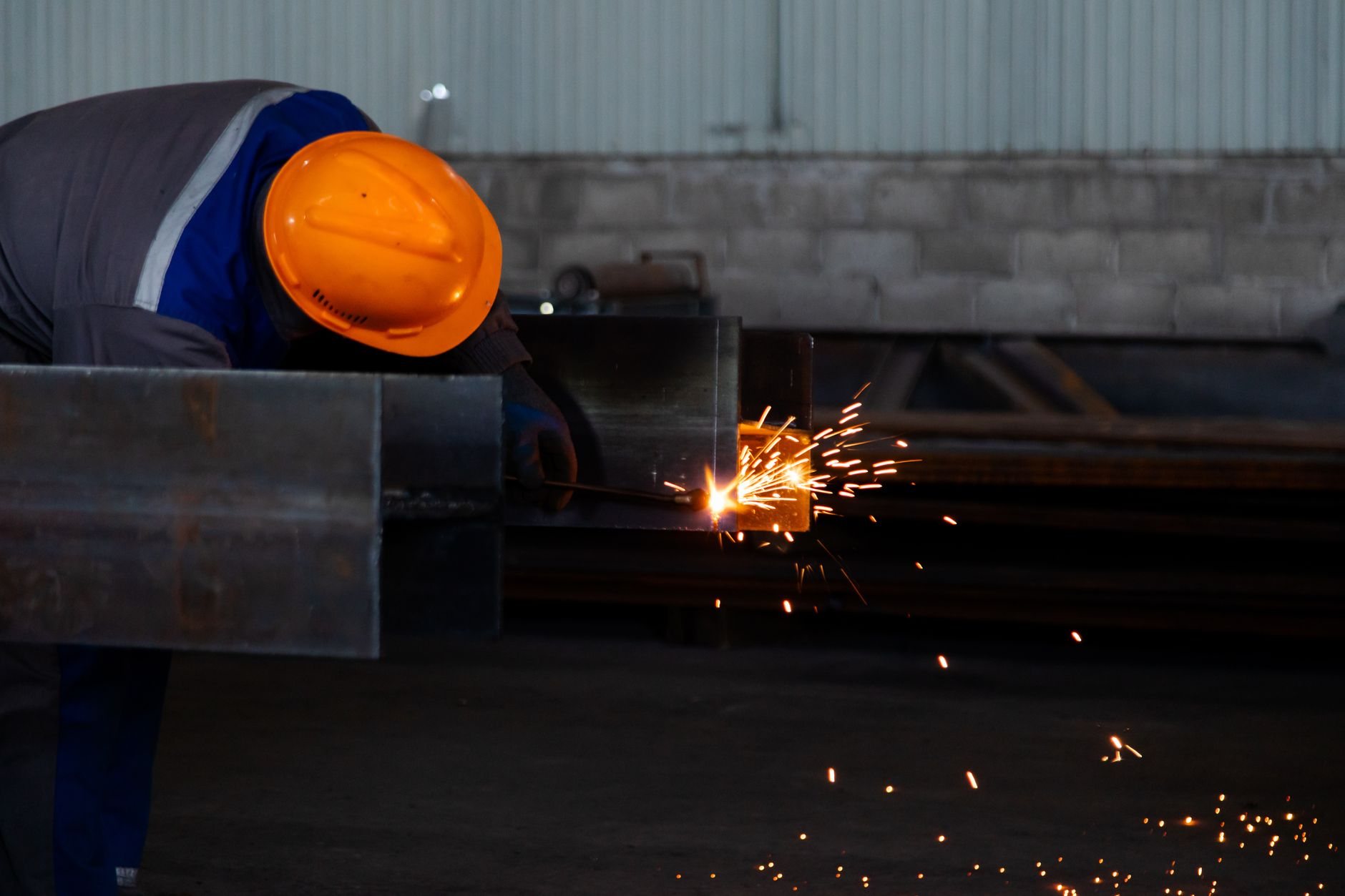
- Splices. Steel piles ship in 40-to-60-foot lengths. Longer piles are field-welded end to end with full-penetration welds under special inspection — the Wasatch fault seismic design category makes that inspection non-negotiable.
- Testing. On larger jobs the engineer calls for dynamic testing with a pile driving analyzer, which confirms capacity during driving without a separate static test.
- Caps and grade beams. Piles are cut off at elevation, the top embedded in a reinforced concrete pile cap, and the caps connected by grade beams that carry walls and columns to the piles.
How we sequence a driven pile job
Pile driving is loud and fast. The planning around it matters more than the driving.
- Geotech and pile design. The soils report locates the bearing layer; the engineer sizes piles, lengths, and driving criteria. We review both before pricing so estimated pile footage reflects real depth, not an optimistic one.
- Pre-drive survey and notifications. We document nearby structures and pavement before the hammer starts and arrange vibration monitoring where the engineer or city asks for it. Most Utah County cities limit construction noise to daytime hours, so driving is scheduled inside that window and neighbors hear about it first.
- Layout and rig setup. Pile locations are surveyed and staked, the working pad is graded and compacted for the crawler rig, and pile stock is staged in driving order.
- Drive, log, splice. Every pile gets a driving log — blows per foot, final set, cutoff elevation. Piles that reach criteria early are cut; piles that don’t are spliced and driven on.
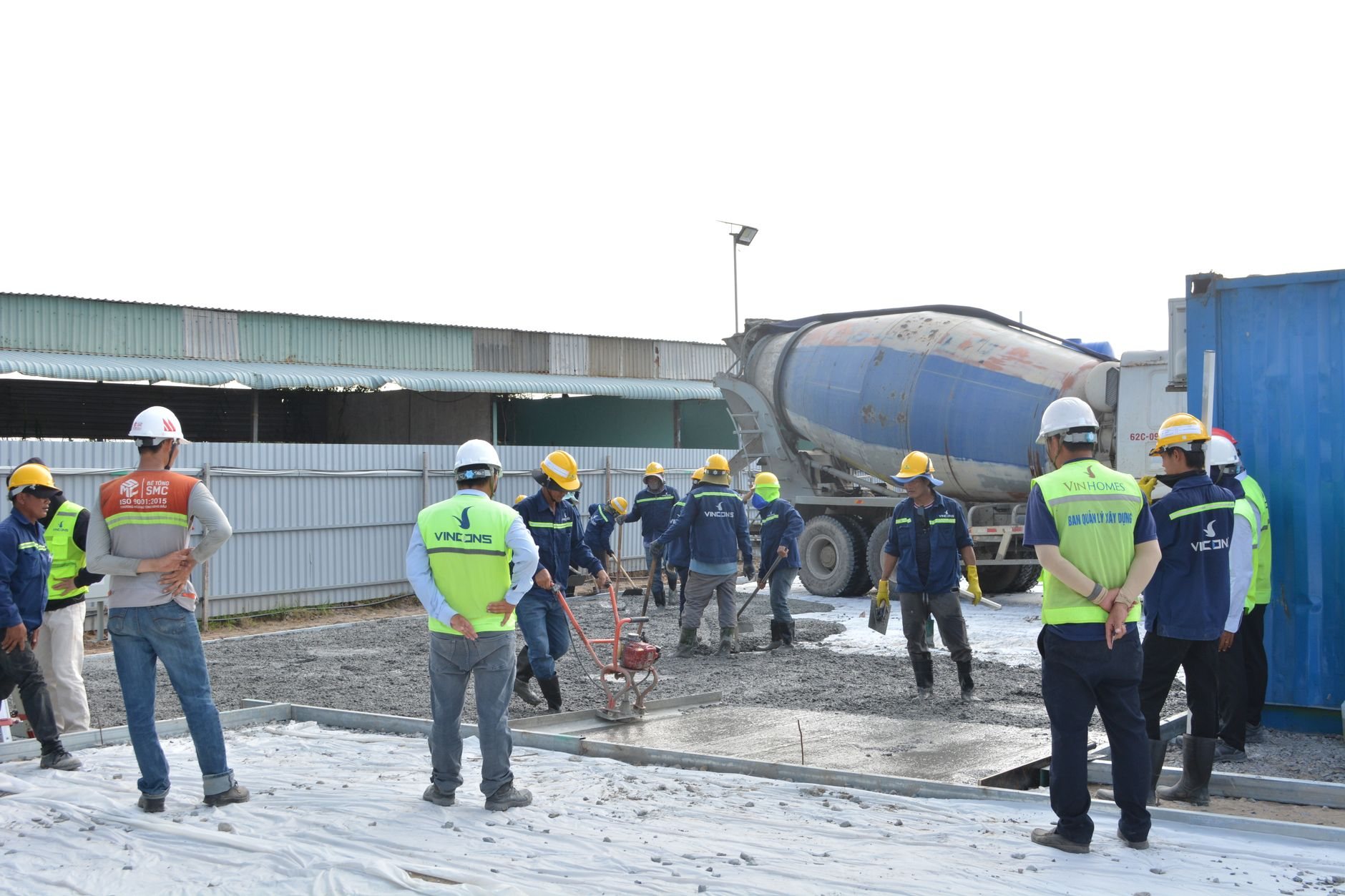
- Cut off, cap, and tie in. Pile heads are cut to elevation, cap reinforcement is placed around them, and caps and grade beams are poured in air-entrained concrete so exposed tops survive Wasatch Front freeze–thaw winters. Site work around this lives under excavation & grading.
What does a driven pile foundation cost in Utah County?
As a ballpark planning number — not a quote — installed steel piles on Wasatch Front projects commonly run from the mid tens into the low hundreds of dollars per linear foot, with rig mobilization as a separate five-figure line. The levers that move it:
- Depth to bearing. A pile that refuses at 30 feet costs a fraction of one that needs 80 feet and two splices.
- Pile count and section. Heavier columns mean more piles or larger H-sections.
- Mobilization. A crawler hammer rig arrives on a lowboy and needs a stable pad. Small jobs carry a disproportionate share, which is usually where helical piles start to win.
- Vibration and noise constraints. Monitoring, restricted hours, or a vibratory hammer near sensitive neighbors adds days and dollars.
Budget range after the soils report; firm estimate once pile design and driving criteria are set.
Questions we actually get
Will pile driving damage my neighbor’s building?
Properly managed, no — but we take it seriously. We survey adjacent structures before driving, set vibration limits with the engineer, and monitor when the distance is short. Where a neighbor is very close or fragile, the design often shifts to helical piles, and we’ll flag that before pricing.
How do you know the pile is actually carrying the load?
The driving log is the evidence. The engineer sets a refusal criterion in blows per inch at a known hammer energy, and each pile either meets it or gets driven further. On larger projects a pile driving analyzer measures capacity during driving, and the engineer signs off on the logs before any cap is poured.
What happens if a pile hits bearing early or never reaches it?
Both are normal. A pile that refuses early is cut to elevation and the surplus goes back to stock. One that reaches design length without meeting criteria is spliced with an inspected weld and driven on. The estimate carries a unit price per foot for exactly this reason.
Are driven piles overkill for a house?
Usually. A single-family home rarely needs the capacity or the rig; helical piles or a footing on over-excavated ground handle most residential sites. Driven piles earn their mobilization on commercial, multifamily, and industrial buildings — and on lakebed lots where nothing shallower will hold.
Driven piles are one deep system within our foundation construction scope and the wider site, structure & envelope family. License #14282236-5501, verifiable at dopl.utah.gov.
Tell us what you’re building on
Send the soils report, the plans, or just the lot address. You’ll get a straight read on whether driven piles are the right system and roughly what they’ll run.