
Commercial Exterior Painting
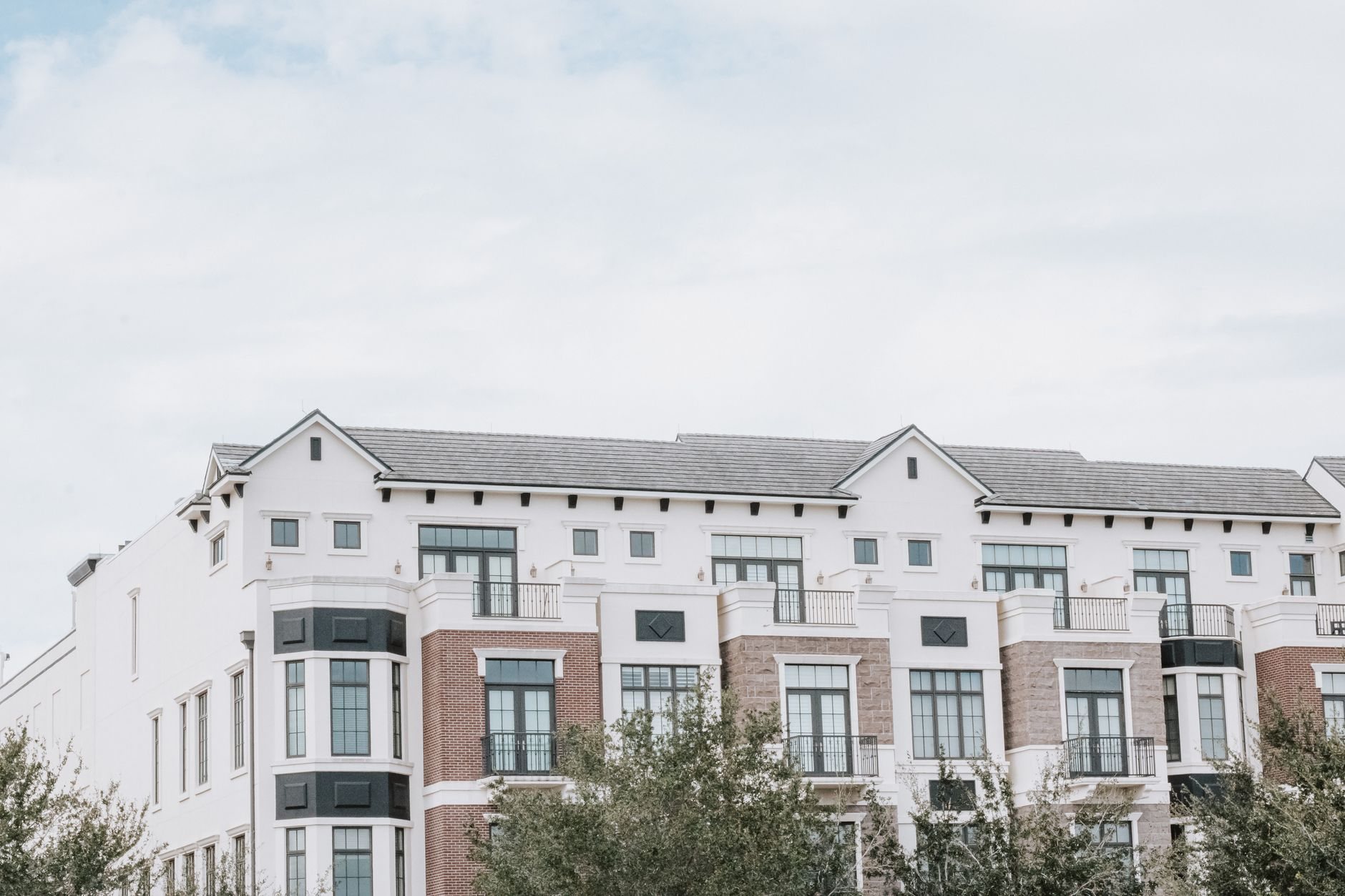
Commercial exterior painting is the repaint of an occupied business property — storefronts, offices, multifamily, light industrial — done on a phased schedule so tenants and customers keep operating. Grandview scopes, preps, and paints commercial buildings across Salt Lake County and Utah County under a B100 general contractor license, with substrate repairs handled inside the same contract.
When commercial exterior painting is the right scope
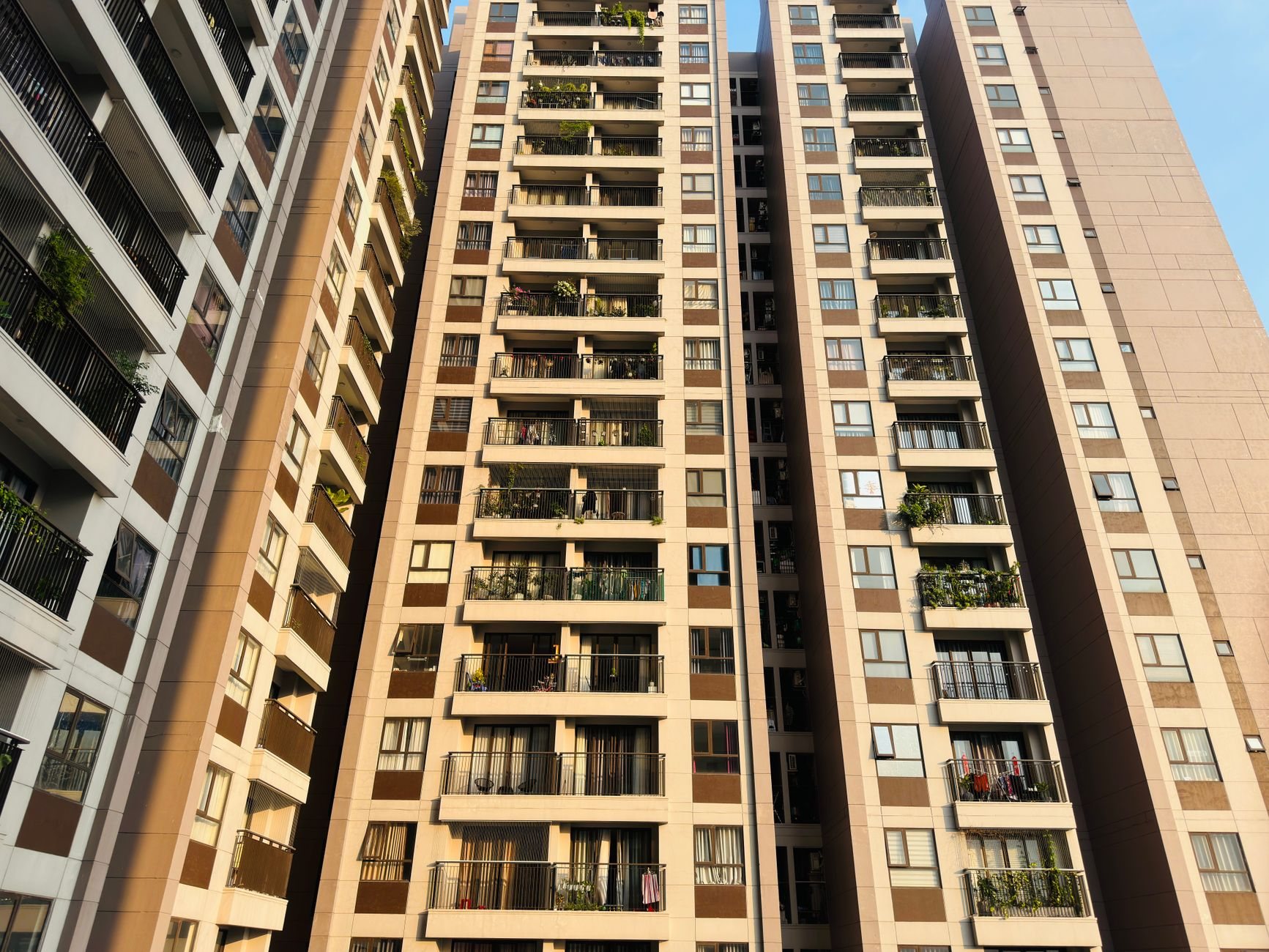
The difference between a commercial repaint and a house repaint isn’t the paint. It’s that the building has to stay open while we work. A strip center with eight tenants, an office with a leased parking lot, a 40-unit apartment building with balconies on every elevation — each needs a plan for access, overspray, noise, and who gets notified when. That planning is the service.
This is the right page if you own or manage a leased property or are planning a capital repaint across a portfolio. If the building is a single-family rental, the exterior house repaint page fits better. If the problem is cracked stucco or EIFS specifically, start with stucco painting or elastomeric coatings.
Much of this work is for property managers who need one contractor to carry the contract, the certificate of insurance, tenant notices, and lien waivers — not a painting crew that needs a manager.
Commercial substrates need commercial specs
Commercial buildings along the Wasatch Front are usually a mix of CMU block, tilt-up concrete, stucco or EIFS, pre-finished metal panel, and aluminum storefront — often three of them on one elevation. We write the spec per substrate, not per building.
- Walk every elevation with the manager. We photograph control joints, failed sealant, efflorescence on block, and rust bleed at steel lintels and bollards. Repairs get priced as line items you can approve or defer.
- Wash to a clean substrate. Commercial walls carry years of parking-lot exhaust, irrigation overspray, and north-side mildew. We power wash at pressures matched to the material — CMU can take it, EIFS can’t.
- Repair and seal. Re-caulk control joints and dissimilar-material transitions with polyurethane or silicone sealant, patch spalled concrete, prime rusted steel with a rust-inhibitive primer, and fill porous block with block filler before any topcoat.
- Prime and coat by substrate. Acrylic or elastomeric on masonry and stucco, direct-to-metal (DTM) acrylic or urethane on steel and pre-finished panel, bonding primer on aluminum storefront. Two full coats, applied inside the manufacturer’s temperature and humidity window.
- Close out by elevation. Each face is walked and signed off as it finishes, so an east-side tenant isn’t waiting on the west side to get their frontage back.
Scheduling around tenants, customers, and the weather
A commercial repaint is sequenced by elevation and by tenant hours. Restaurant frontages get painted before the lunch open or after close; medical and office suites get their entrance on a weekend. The manager gets a dated elevation-by-elevation schedule before we mobilize, plus a plain-language tenant notice: where the lift will be, which stalls are coned off, and when to keep cars and signage clear of overspray.
Access drives the schedule as much as the calendar. Anything above about two stories moves from ladders to a boom or scissor lift, which means staging on the parking lot, protecting the asphalt, and sometimes a sidewalk or lane obstruction permit — Salt Lake City and Provo handle those through their engineering or right-of-way offices, and we confirm before booking the lift.
Weather is the third constraint, and it’s a Utah one. Canyon-wind days along the North Salt Lake bench will carry overspray across a lot full of cars, so we switch to roll-and-brush or stand down. Summer monsoon cloudbursts can hit a freshly sprayed wall by mid-afternoon, so we stop spraying early on those days. And the high-elevation UV that chalks a south-facing stucco wall in six or seven years is why we specify a better resin package on sun-facing elevations instead of one product everywhere.
What commercial exterior painting costs in Utah
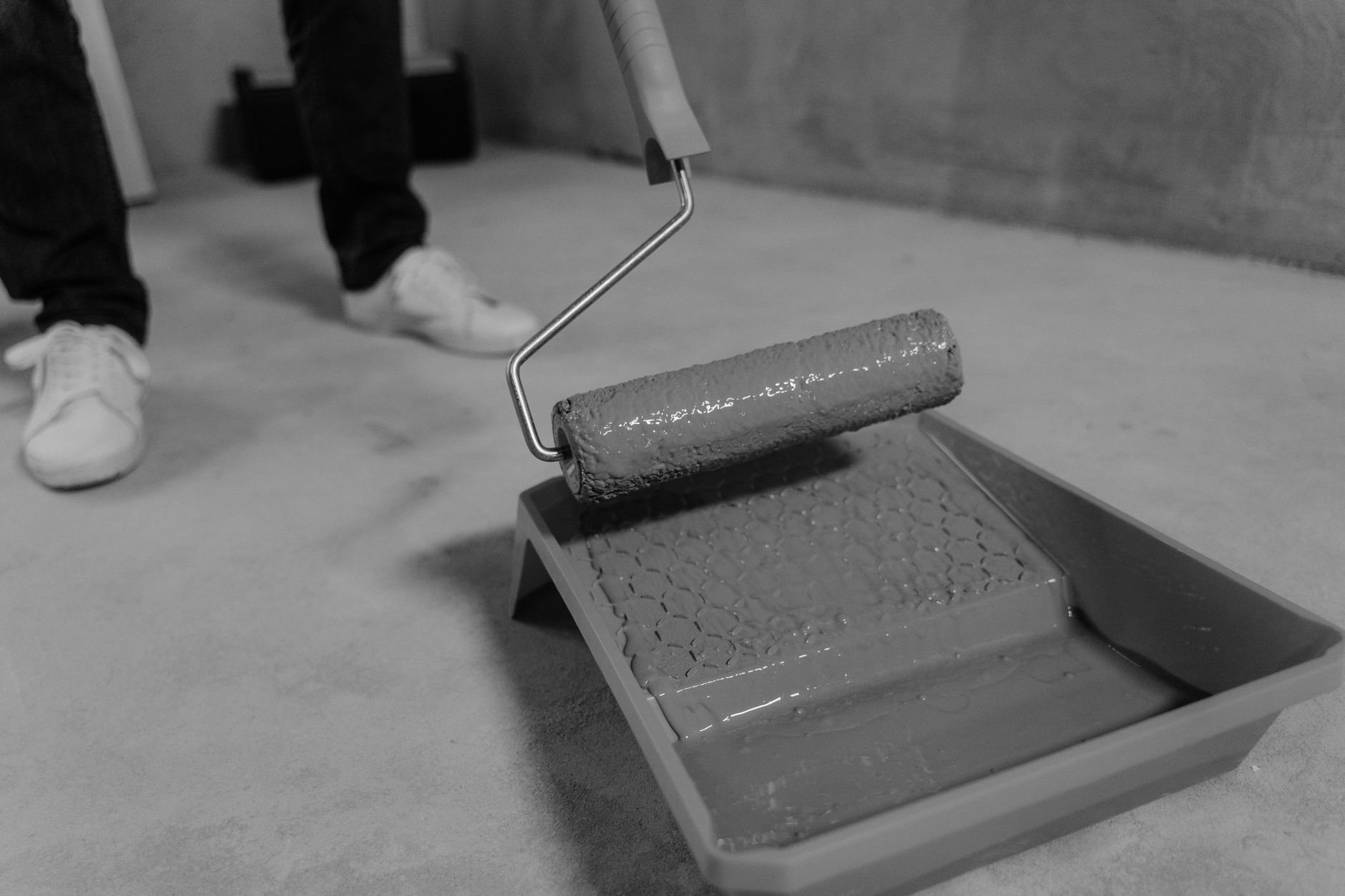
Commercial exteriors are priced per square foot of wall area, not per building. Along the Wasatch Front, a single-story strip center with sound stucco or block typically lands around $1.50–$3.00 per square foot of wall; multi-story buildings needing lift access, heavy sealant replacement, rust remediation, or an elastomeric system push toward $3.00–$5.00. Those are ballpark planning numbers for a capital budget line, not a quote.
What moves the number: substrate mix (metal and EIFS cost more to prep than CMU), stories and lift days, linear feet of sealant and concrete repair, off-hours or weekend work to protect tenant trade, and the number of accent colors in a brand scheme. Repairs are quoted as separate line items so a deferred roof coating can be sequenced before the walls rather than painted around. You’ll get a firm proposal after the site walk, from a contractor you can verify at dopl.utah.gov.
Questions we actually get
Can you paint the building without closing our tenants?
Yes. We sequence by elevation and by tenant hours, paint frontages before open or after close, and cone off only the stalls the lift needs that day. Tenants get a written schedule before we mobilize. The one thing we ask is that cars and sidewalk signage stay clear of the active elevation.
How often should a commercial building be repainted in Utah?
Plan on roughly 7–10 years for sun-facing stucco and block elevations, longer on shaded sides, assuming a proper two-coat system. High-elevation UV and 100-plus freeze–thaw days a year shorten the cycle here. Resealing control joints at the midpoint of that window usually buys several more years.
Do you match an existing brand or franchise color?
Yes. Send the brand standard or a chip from an existing building and we spec the closest formula in a commercial exterior line, then put a sample on the wall for approval before ordering. For portfolios, we keep the formula on file so the next building matches the last.
What’s the biggest cost surprise on commercial repaints?
Sealant. Control joints and the transitions between stucco, block, and storefront fail first, and a repaint over split sealant lasts about one winter. We measure linear feet of joint on the walk and price replacement as its own line, so the number is visible up front instead of arriving as a change order.
Where this work usually leads
Commercial exterior painting is one scope in our exterior painting services, part of the site, structure & envelope family. It often pairs with commercial interior painting at tenant turnover, or with siding painting on multifamily buildings with lap siding.
Tell us what you’re working on
Send the address and a few photos of the worst elevation. We reply within a couple of hours during business hours — a day at most — with a straight read on scope, sequence, and budget.