
Epoxy & elastomeric coatings
Elastomeric and epoxy coatings are high-build systems for surfaces ordinary exterior paint can’t hold: cracked stucco and block walls that move with every freeze, and concrete or steel that takes traffic, salt, and standing water. Grandview specifies and applies both across Utah County and Salt Lake County under a B100 general contractor license, with substrate repair done first instead of buried.
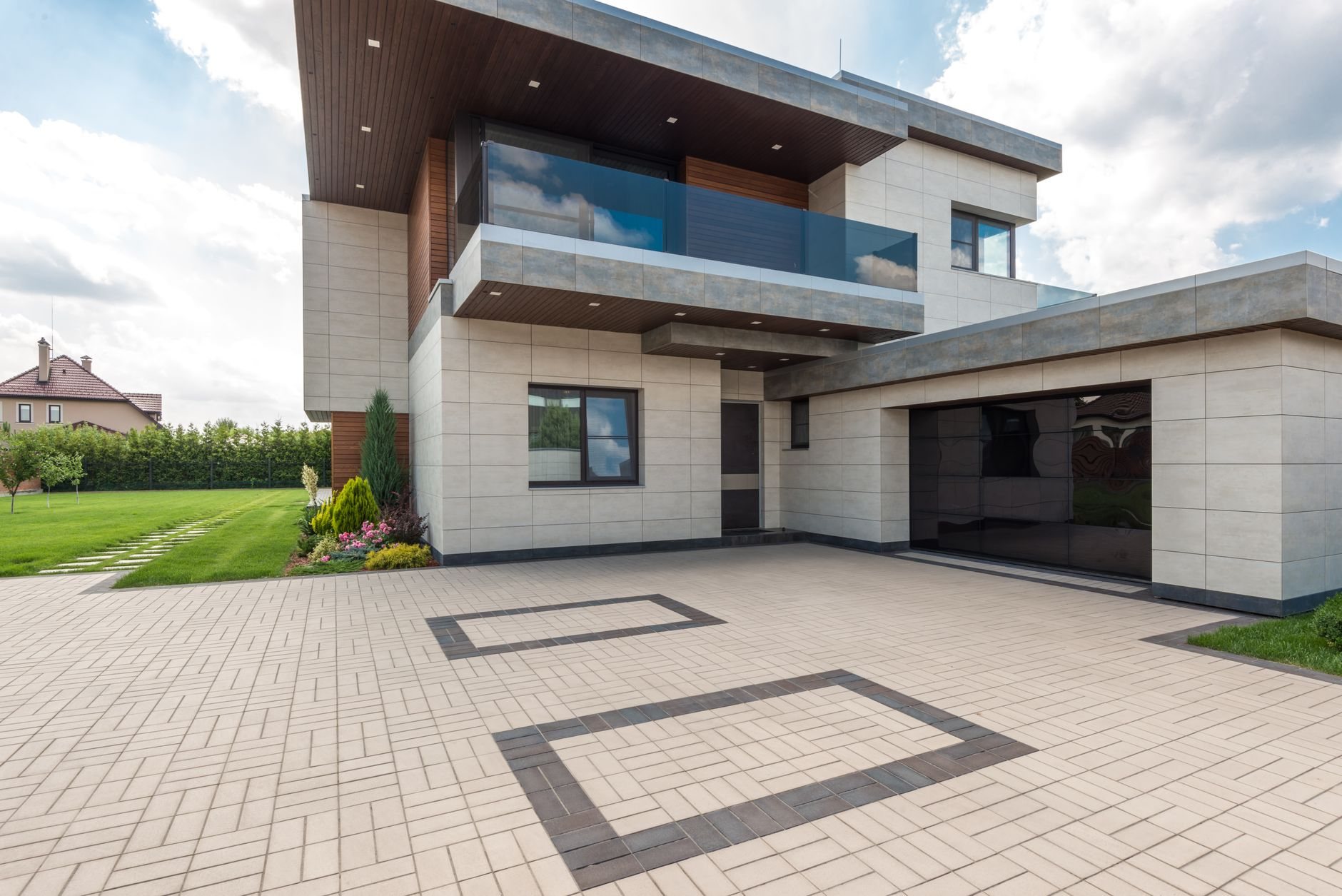
When a coating beats paint
Standard exterior acrylic goes on at roughly 2 to 4 dry mils per coat. Elastomeric goes on at 10 to 20 dry mils and cures to a rubbery membrane that stretches several hundred percent before it tears. Paint sits on a wall; elastomeric bridges it.
So the question is whether the wall is moving. Stucco with a few isolated hairlines is a job for breathable masonry paint, covered on our stucco painting page. Stucco mapped with hairline cracks across whole elevations, or CMU block that stains at every mortar joint after a storm, will keep cracking any film that can’t flex with it. That wall wants elastomeric. Painted brick is a different case, with a caution covered below.
Epoxy answers a different problem: abrasion and chemistry rather than movement. Garage and shop slabs, loading docks, exterior stair treads, and outdoor steel take wear no architectural paint survives. For those, a two-part epoxy base is right, topped with a UV-stable coat wherever the sun reaches, because bare epoxy ambers and chalks in high-elevation sunlight within a season or two.
Typical callers: owners of 1990s and 2000s stucco homes in Lehi, Draper, and South Jordan whose walls cracked as the bench soils settled, HOAs with block buildings that leak at the joints, and commercial owners who need a dock coated over a weekend. If the building just needs a repaint, we’ll say so.
What an elastomeric wall job involves
- Moisture check first. Elastomeric is low-permeability by design; over damp stucco or block it traps water and blisters within a year. We meter the walls, and after a monsoon cloudburst we wait for the readings, not the calendar.
- Repair what the membrane can’t bridge. Elastomeric bridges hairlines up to roughly 1/16 inch. Wider cracks get routed and filled with elastomeric patching compound; hollow stucco gets cut out and re-based as stucco crack repair first. Coating over hollow stucco is paint over a drum.
- Wash and prime. A pressure wash removes chalk and efflorescence, then a masonry conditioner locks down the surface. Chalky walls that skip this step shed the whole membrane later in a sheet.
- Two heavy coats, cross-rolled. Sprayed and back-rolled in two passes at right angles so the film reaches full build with no thin spots. We gauge wet-film thickness as we go; the manufacturer’s dry-mil target, not “it looks covered,” is the standard. Sherwin-Williams and other makers publish those targets with the temperature and dew-point windows that go with them.
The Wasatch Front’s hundred-plus freeze–thaw days a year are why the membrane earns its cost. Each cycle works a hairline open and closed; only a film that stays elastic at 10 degrees in January keeps water out through that.
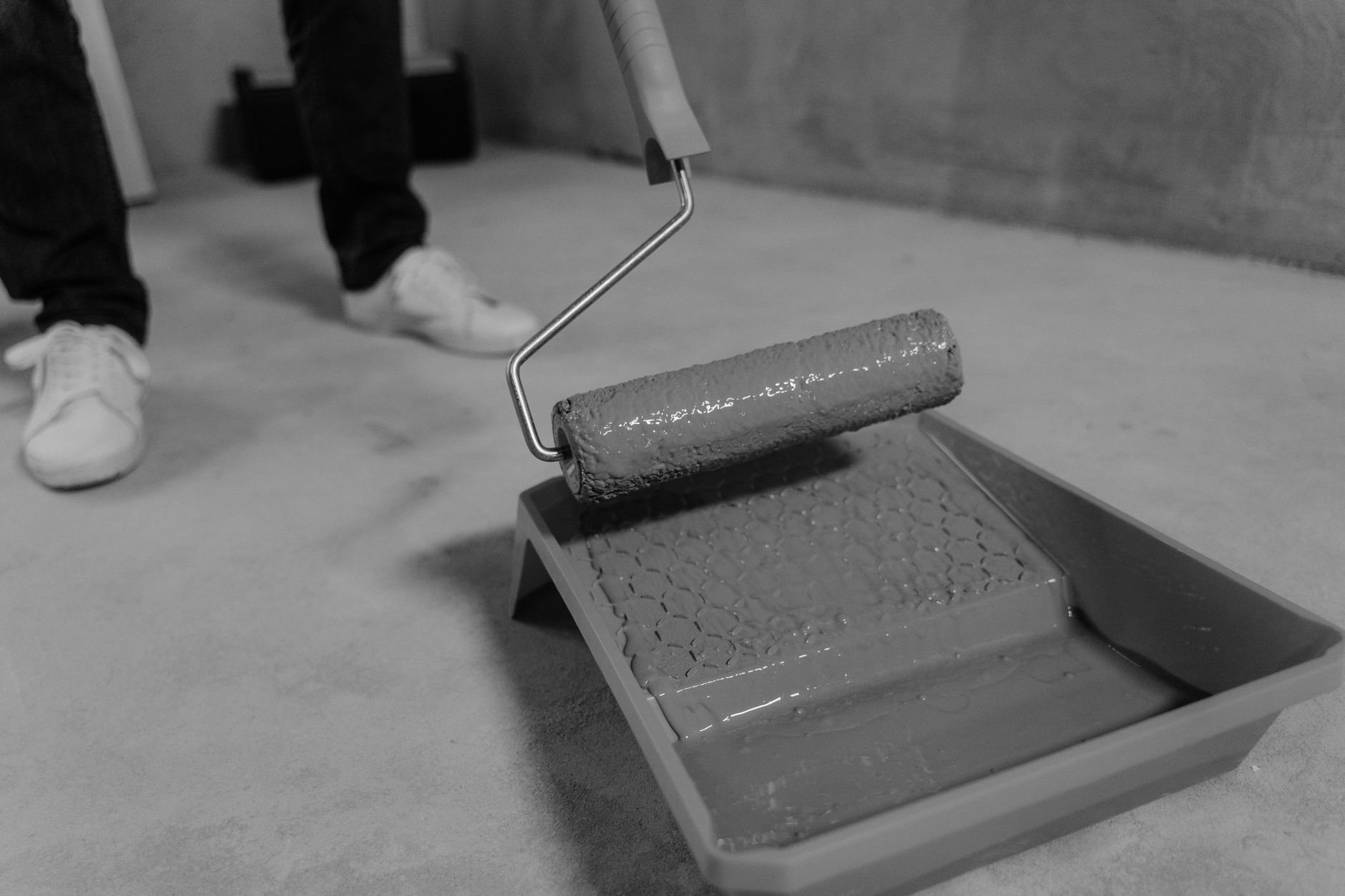
Epoxy and polyaspartic on exterior concrete and steel
Exterior epoxy lives or dies on two things: moisture coming up through the slab and UV coming down on the finish. We test slabs for vapor before coating; a garage floor slab poured without a vapor barrier can push enough water through to lift anything. Slabs that test high get a moisture-mitigating epoxy primer; slabs that test very high get an honest conversation instead.
Prep is mechanical, not chemical: diamond grinding or shot blasting opens the concrete to a sandpaper profile so the epoxy keys in. Acid etching doesn’t get there and we don’t rely on it. Cracks and control joints get a semi-rigid polyurea fill so the floor stays monolithic. Then the system: an epoxy base coat, optional flake or quartz broadcast for traction, and a polyaspartic or aliphatic urethane topcoat. Outdoors that topcoat is non-negotiable. Straight epoxy at Utah elevations yellows and chalks fast; the aliphatic layer holds color under the sun and shrugs off the magnesium chloride deicer that drips off vehicles all winter.
Exterior steel follows the same logic: clean to bright metal, a zinc-rich or epoxy primer before flash rust forms, then the same UV-stable urethane top.
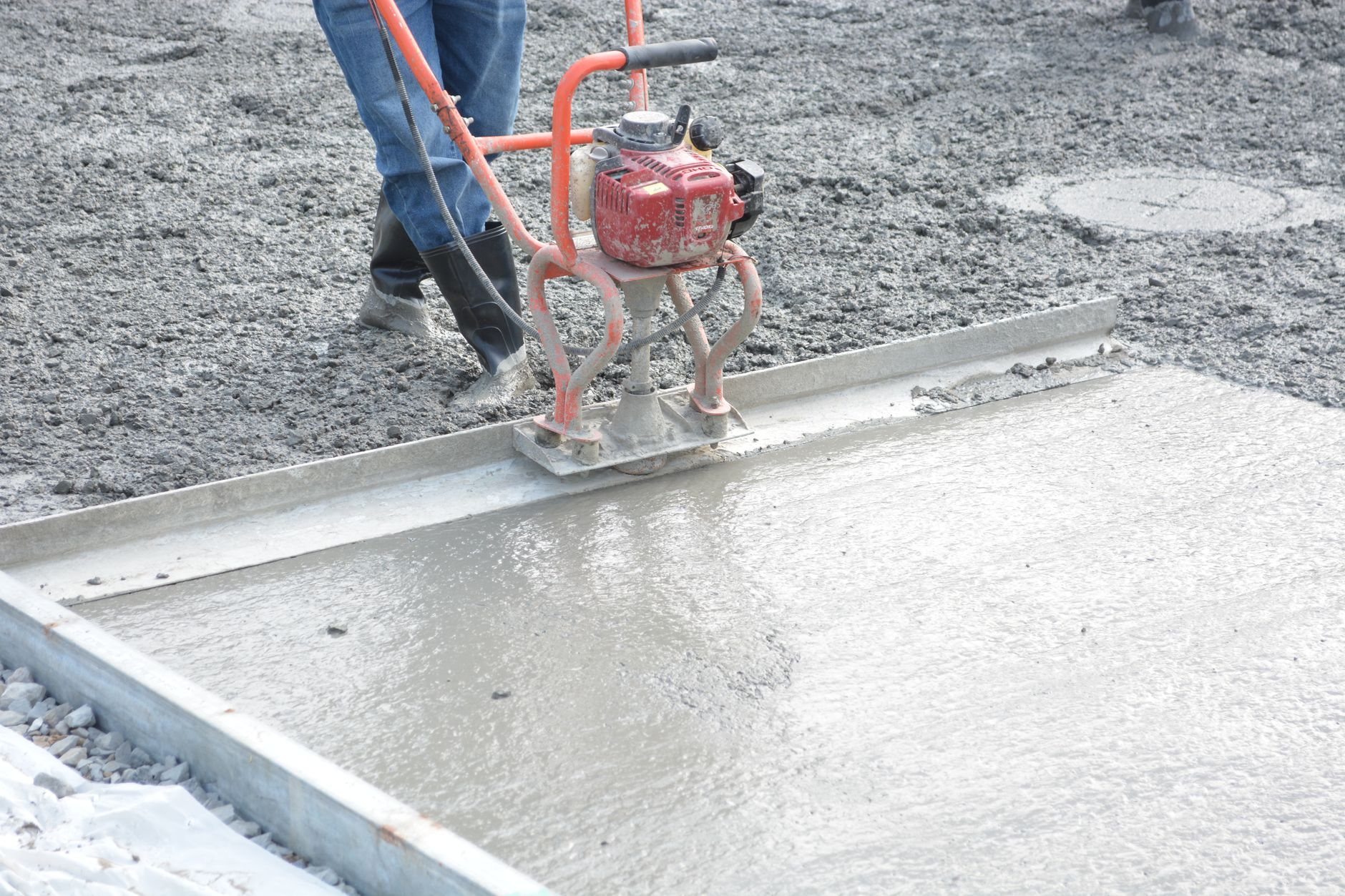
What does an elastomeric coating cost in Utah?
Roughly one and a half to two times a standard stucco repaint, because the product is thicker, coverage per gallon is lower, and the crack repair ahead of it is real work. Most single-family stucco or block homes along the Wasatch Front land in the $7,000–$16,000 range for a full elastomeric system; epoxy and polyaspartic floor systems typically run $6–$12 per square foot, so a two-car garage lands near $3,000–$6,000. Ballpark planning numbers, not a quote.
What moves the price: linear feet of cracks wider than a hairline, hollow stucco that has to be re-based, slab moisture readings that call for a mitigating primer, how much grinding the concrete needs, and flake broadcast versus a solid color. Stories and access matter as they do for paint. You’ll get a firm estimate after we meter the walls or slab, from a contractor you can verify at dopl.utah.gov. This is one scope in our site, structure & envelope family; if water is coming through the wall rather than sitting on it, above-grade wall waterproofing may be the better conversation, and the exterior painting hub covers everything a coating isn’t needed for.
Questions we actually get
Can elastomeric coating go over brick?
It can, but we rarely recommend it. Brick needs to dry outward, and a low-permeability membrane holds moisture in the masonry where freeze–thaw turns it into spalling. For brick we usually specify a breathable masonry or mineral paint, and reserve elastomeric for stucco and block that are cracking rather than wet.
How long does elastomeric last compared to regular paint?
Applied at full thickness over a sound, dry wall, elastomeric systems are commonly warranted by manufacturers for 10 years and often last longer; standard acrylic on sun-facing Utah walls is usually tired by year 7 to 10. The build thickness buys the extra life, which is why we measure it.
Why does my old garage epoxy peel in sheets?
Almost always one of three things: the slab was acid-etched instead of ground, so the epoxy never keyed in; moisture vapor from below pushed the film off; or straight epoxy was used outdoors and UV chalked it until it let go. Grinding, a moisture test, and a polyaspartic topcoat address all three.
What’s the weather window for these coatings?
Elastomeric wants surface temperatures above about 50 degrees, a dew point at least 5 degrees below the surface, and no rain for 24 hours after, which puts the reliable season roughly May through early October here. Polyaspartic floor coatings cure fast and tolerate colder air, so floors can run later into fall.
Tell us what you’re working on
Send a photo of the cracking or the floor, and the address. We reply within a couple of hours during business hours, a day at most, with a straight read on coating versus paint and what either costs.