
Brick & masonry painting
Brick painting changes the color of a masonry exterior without replacing it, using vapor-permeable paint, limewash, or mineral stain so the wall can still dry out. Grandview preps and coats brick and block facades across Utah County and Salt Lake County under a B100 general contractor license, repairing mortar and cracked units first when the wall needs it.
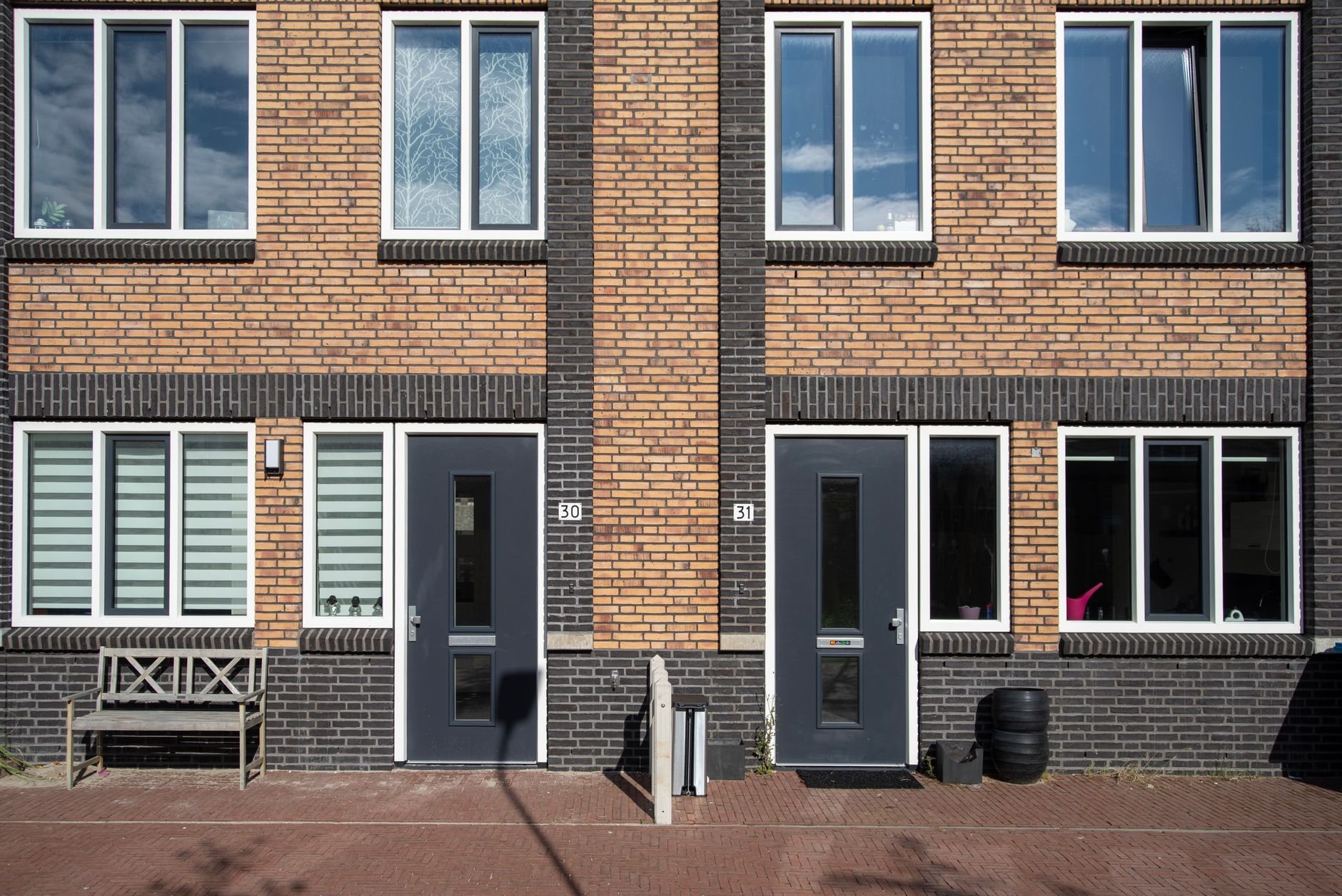
When painting brick is the right move, and when it isn’t
Brick is a different animal from the siding and stucco on our other exterior painting pages. Fired clay is porous: it wicks water from rain and splash-back and dries by letting it evaporate back out through the face. Seal that face with a film that can’t pass vapor and the water stays inside. Along the Wasatch Front, with roughly 100 freeze–thaw days a year, it freezes and pops the brick face off in flakes. That’s spalling, and it’s why a cheap brick paint job can do more harm than leaving the wall alone.
Painting is the right call when the brick is sound but the color is wrong: the orange 1970s brick on a Provo or Orem rambler, an addition that never matched, a red-brick storefront that needs to read as newer. It’s also the practical path for brick that has been painted before, where stripping to bare clay isn’t realistic.
It isn’t the right call when the brick is failing. Crumbling joints, cracked units, bowing, or a white salt bloom across the surface are repair problems, not color problems. We handle those through tuckpointing and brick repair and masonry cleaning and efflorescence removal before a coat of anything goes on. And if you own an older brick home in Salt Lake City or Provo that may be unreinforced masonry, paint changes nothing about how it behaves in an earthquake; we’ll say so plainly if we see cracking that points to a structural question.
Soft, historic, or hand-molded brick is usually better left bare. Unpainted brick is close to maintenance-free; painted brick is a recoat every decade or so, and effectively a one-way decision.
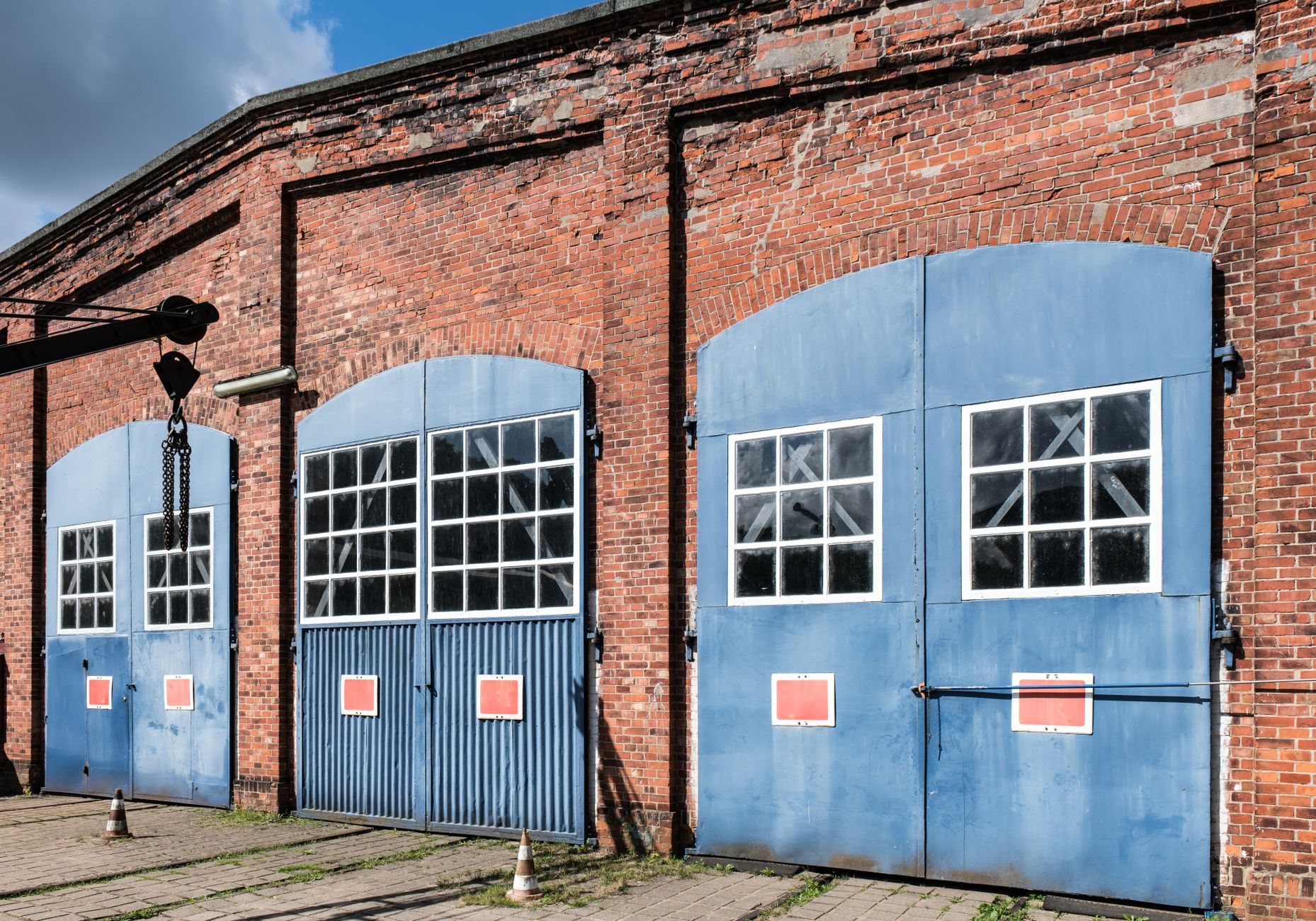
Paint, limewash, or mineral stain: three ways to change brick
Masonry-rated acrylic paint. A breathable 100-percent acrylic over an alkali-resistant masonry primer gives a uniform, opaque finish in any color, and it’s the only option for brick that has already been painted. Even good masonry acrylics pass less vapor than bare brick, so the wall must be dry and sound before it’s sealed, and sills need to shed water rather than hold it.
Limewash. A slurry of slaked lime and mineral pigment that soaks into the brick and cures into the surface instead of sitting on top as a film. It stays fully breathable, weathers gently rather than peeling, and can go on at full opacity or be partially washed back for a mottled, aged look. It only bonds to unpainted, absorbent masonry. Manufacturers such as Romabio publish mineral-based limewash and masonry paint systems formulated for exactly this use.
Mineral silicate stain. A potassium-silicate coating that chemically bonds with the brick, leaves the pores open, and is as close to permanent as exterior finishes get. It costs more per gallon and demands clean, bare masonry, but at 4,500 feet, where UV fades pigmented films faster than product literature assumes, a mineral finish holds color longer than a surface film.
Whichever system fits, we test a sample patch on the actual wall before anyone commits to a whole elevation.
How we prep and coat brick
- Inspect and moisture-check. Every elevation walked, joints probed, efflorescence, spalled faces, and cracked lintels noted, moisture content checked. Wet brick doesn’t get coated.
- Repair the masonry. Repointing, replacing broken units, and resealing flashing at windows and the roofline come first, with mortar matched to the brick’s age. New mortar cures for a few weeks before coating.
- Clean, not blast. Low-pressure washing and a masonry cleaner remove dirt, mildew, and salts. High-pressure blasting erodes the fired skin of the brick, so we don’t do it.
- Prime or wet, depending on product. Acrylic systems get masonry primer. Limewash and mineral stain get the wall misted with water so product soaks in evenly instead of flashing dry on the hot side of the house.
- Apply in the right window. First coat brushed or rolled so product works into the mortar joints, with back-rolling after any spray coat. Not in direct afternoon sun, not ahead of a monsoon cloudburst, not below the product’s minimum surface temperature.
What does it cost to paint brick in Utah?
Most full-house brick exteriors along the Wasatch Front land between $6,000 and $16,000 to paint or limewash, somewhat above a comparable siding repaint because brick drinks more product and the joints take more labor. Those are ballpark planning numbers; a firm estimate follows a site walk and a sample patch.
What moves the price: masonry repair found on inspection, the biggest variable by far; product system, with mineral stain costing the most per gallon; bare versus previously painted brick; stories, access, and how much of the facade is brick versus trim; and any HOA color-approval step, common in newer Lehi and Saratoga Springs developments, which adds weeks to the calendar more than dollars to the bill. A painted facade pairs naturally with trim and fascia painting in one mobilization, from a licensed contractor you can verify at dopl.utah.gov.
Questions we actually get
Does painting brick cause moisture problems?
It can, if the wrong product goes on or the wall is wet when it’s sealed. A non-breathable film traps water that then freezes and spalls the brick face. We use vapor-permeable masonry paint, limewash, or mineral stain, confirm the wall is dry, and fix leaking sills and flashing first.
Can you limewash brick that has already been painted?
No. Limewash and mineral stain need bare, absorbent masonry to soak into and bond with; they won’t adhere to an existing paint film. Previously painted brick gets a masonry-rated acrylic recoat after cleaning and spot-priming. Stripping to get the limewash look is possible on some brick but rarely cost-effective on a whole house.
How often does painted or limewashed brick need recoating?
A well-prepped acrylic masonry paint job typically goes 10 to 15 years before a recoat; sun-facing south and west walls at Utah elevations fade first. Limewash and mineral stain don’t peel, so they get refreshed for appearance rather than failure. Bare brick never needs any of this, which is worth weighing before you start.
Brick painting is one scope in our site, structure & envelope family, next to masonry construction and repair. If your wall is actually stucco over block, see stucco painting; widespread hairline cracking may call for an elastomeric coating instead.
Tell us what you’re working on
Send a few photos of the brick and the color you have in mind. We reply within a couple of hours during business hours, a day at most, with a straight read on whether the wall is ready to coat, which product fits, and a planning budget.