
Trim & fascia painting
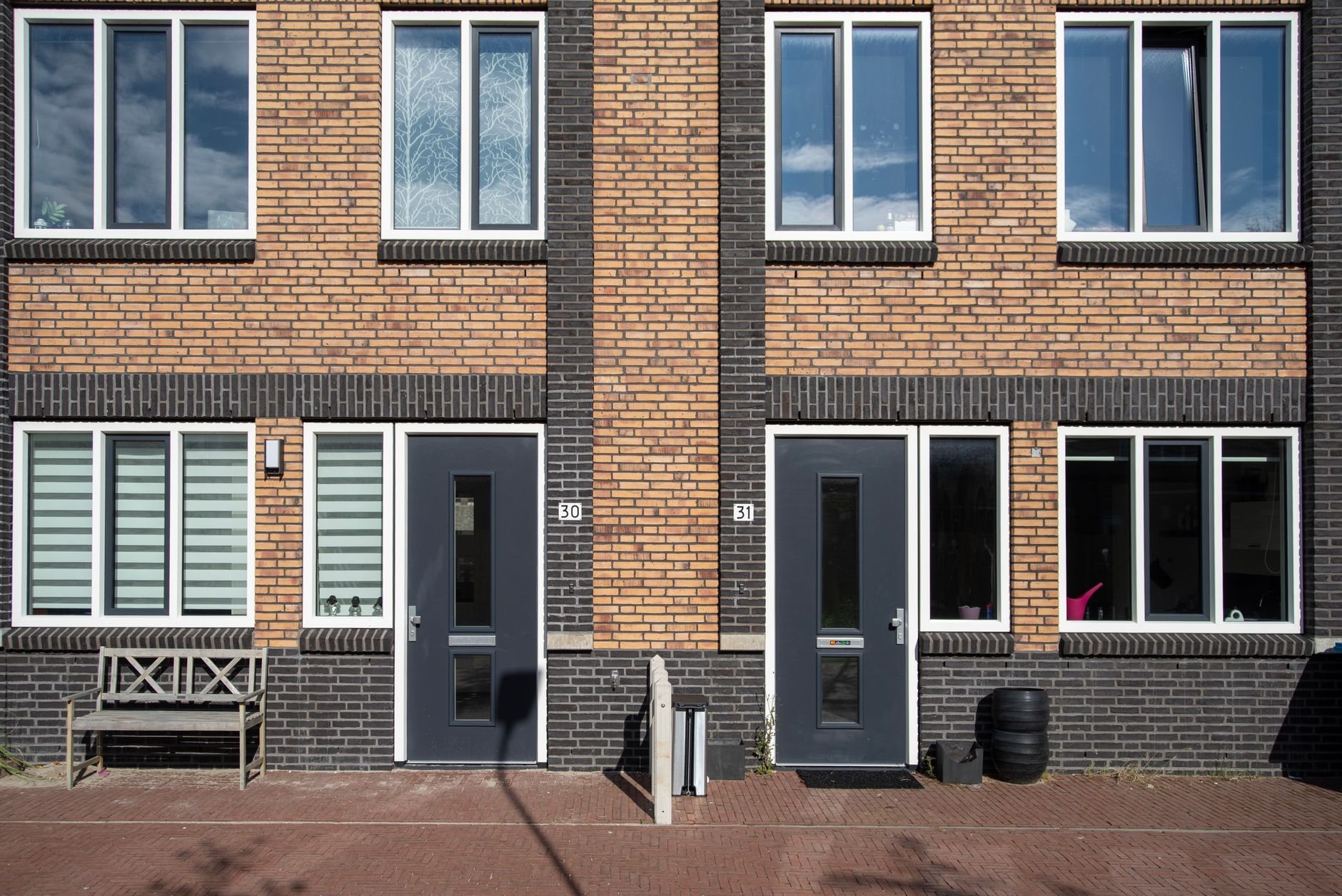
Trim and fascia painting is a focused repaint of the boards that frame a house — fascia, rakes, soffits, casings, corner boards, and frieze — including the rot repair they usually need first. It’s the right scope when the body still looks fine but the edges are peeling, and Grandview does it across Salt Lake and Utah counties under a B100 license.
When trim deserves its own project
Trim painting is one of our exterior painting scopes in the site, structure & envelope family, and it fails on a different clock than siding. Fascia takes every gutter overflow and ice-dam melt, sills hold water, and corner boards split where two beads of caulk meet. So a house painted eight years ago often has a sound body and peeling trim, and a full repaint would be money spent on walls that didn’t need it.
Choose trim-and-fascia painting when the body coat is intact and the trouble is confined to the edges. Choose a full exterior house repaint when the body is chalking too. If boards are rotten more than a few feet at a stretch, you’re past paint and into soffit and fascia replacement — we’ll say so rather than paint over it. Brick homes are natural trim-only candidates, and a color change — cream to black on a brick or painted-siding house — is a trim-only project that changes the whole building.
What the work actually involves
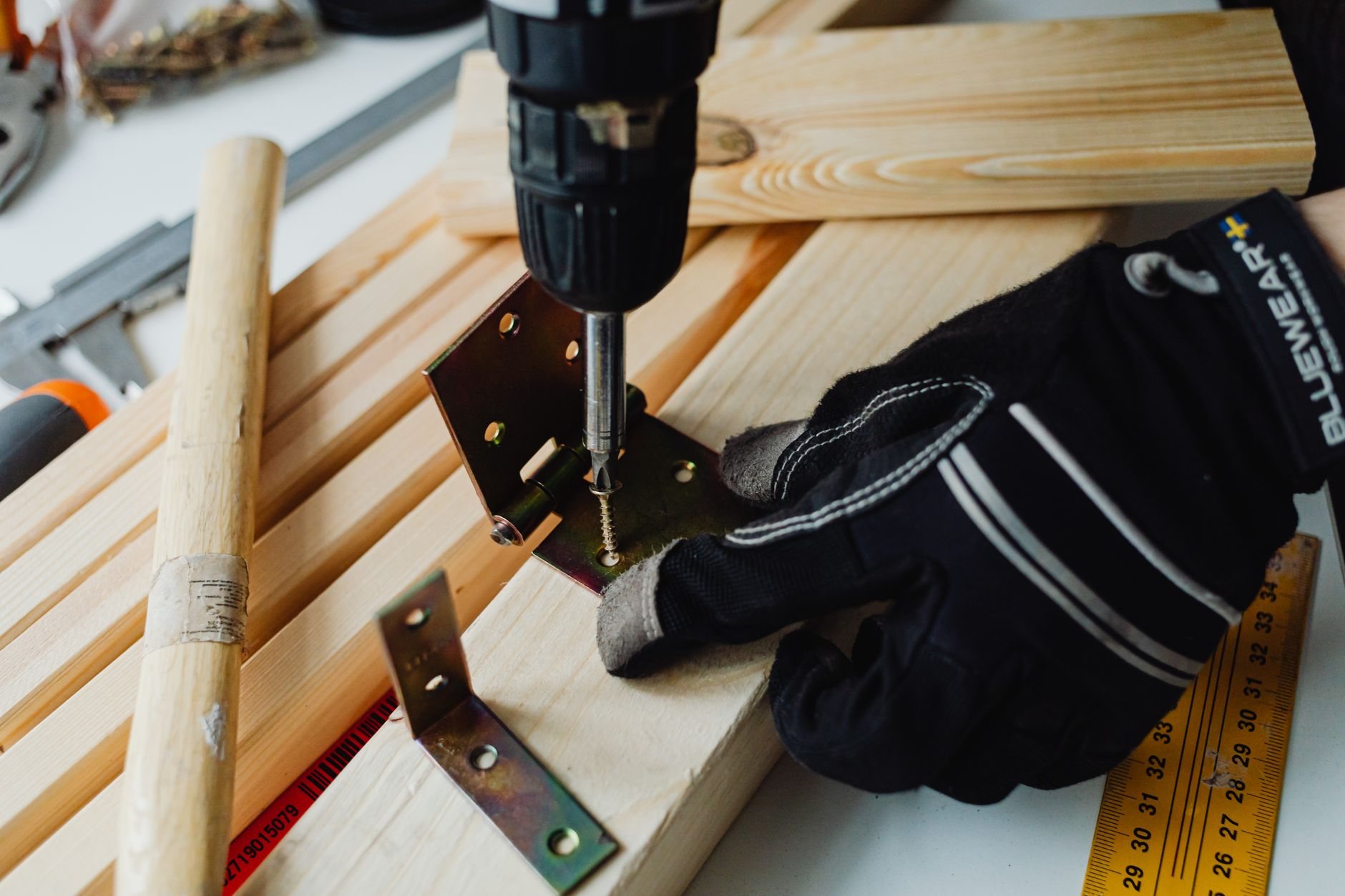
Mostly carpentry, caulk, and brushwork. Soffit fields get sprayed; nearly everything else is brushed, because a brush pushes paint into the joints and end grain where fascia fails first.
- Probe every board. An awl along the roofline — behind gutter brackets, at downspout outlets and rake corners, and on sills and casing ends. Soft spots get marked, not painted.
- Repair before paint. Short rotten sections are cut back to sound wood and scarf-spliced; longer runs get full boards, back-primed and end-primed before they go up.
- Wash, scrape, sand. A light wash, not siding pressure — blasting a rake board drives water into the roof edge. Peeling paint is scraped to a firm edge and feathered with 80–120 grit.
- Prime for the material. Bare wood gets an alkyd primer to seal tannins and end grain; fiber-cement and engineered-wood trim get the acrylic primer the manufacturer specifies; aluminum wrap and vinyl trim get a scuff, solvent wipe, and bonding primer.
- Cut out old caulk. Failed caulk is removed, not bridged, and joints get a paintable urethane or high-elongation acrylic. The bottom edge of lap siding stays uncaulked — that gap is how the wall drains.
- Two finish coats. A 100 percent acrylic trim enamel in satin or semi-gloss, brushed. The harder sheen sheds water and dirt better than a flat body coat.
Dark trim comes with a caution: fiber-cement, vinyl, and engineered-wood trim makers set light-reflectance limits on paint colors, so we check a color’s LRV against the material before ordering rather than void a warranty or warp a casing.
Why fascia fails first along the Wasatch Front
Snow sits on roof edges for weeks, melts in afternoon sun, and refreezes overnight — a hundred-plus freeze–thaw days a year here — and the fascia is the board the meltwater runs over. Any pinhole in the film at the gutter line becomes a wick the freeze pries wider. Bench lots carry more snow than the valley floor and show it in the fascia first.
High-elevation UV at 4,300 to 5,000 feet chalks south- and west-facing casings faster than product literature expects, which is why the sunny side of a Draper or Lehi house looks five years older than the north side. The spec that survives here: sealed end grain, a primer rated for the material, a topcoat with a real UV package, and dry wood to start. Painting fascia still damp from spring runoff loses the job in one winter.
What trim and fascia painting costs in Utah
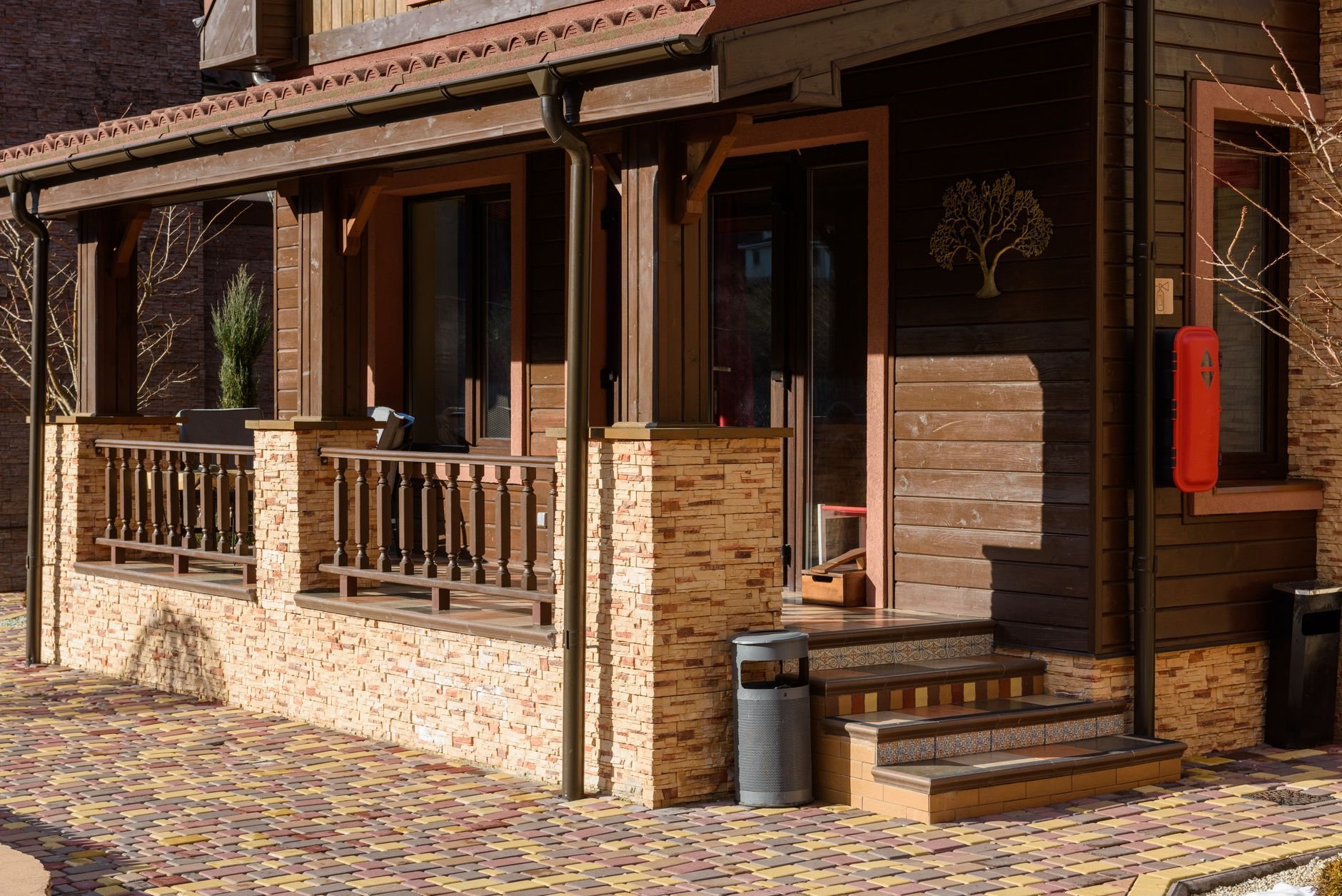
Trim-only painting is priced by linear footage and condition rather than wall area. Most single-family trim-and-fascia repaints along the Wasatch Front land roughly between $1,500 and $5,000 — planning numbers, not a quote. The low end is a single-story ranch with sound boards; the high end is a two-story with peeling fascia, spliced boards, gutters rehung, and a dark color change that needs an extra coat.
The drivers, in order: scraping and sanding hours, feet of rot repair, stories and roof pitch, gutter removal, number of trim colors, and whether the material needs a bonding primer. Doors are a separate line — see exterior door refinishing — and a full-house wash first is a modest add. Trim work pairs with window and door replacement and with gutter work when the damage traces to overflow. After a site walk you’ll get a firm estimate from a contractor you can verify at dopl.utah.gov.
Questions we actually get
Do the gutters have to come off to paint the fascia?
Not always. If the fascia behind the gutter is sound, we paint the exposed face and the gutter stays. If that board is soft, the gutter comes down so we can replace the fascia and rehang it on new hangers, correcting any pitch that was dumping water on the fascia.
Can you paint aluminum-wrapped fascia or vinyl trim?
Yes, with the right prep: a scuff sand, a solvent wipe to remove oxidation, and a bonding primer before an acrylic topcoat. Skip the primer and it peels within a season or two. Vinyl also has a color limit — dark paint absorbs enough heat to warp it — so we keep vinyl to lighter shades or a vinyl-safe formula.
What if you find more rot than expected?
We stop and show you. Short sections get added as repair carpentry; if a whole elevation is gone, you get an honest comparison between patching and replacing the run. Either way, paint goes on after the wood is fixed, not instead of fixing it.
How long does trim paint last compared to body paint?
Done right, five to eight years before the sunny side wants attention — shorter than a body coat, because fascia and sills take more water and UV per square foot. Sealed end grain, the right primer, and two full coats push it long; painting over soft wood or old caulk pushes it toward two.
Tell us what you’re working on
Send a photo of the worst corner of fascia, or just the address. We reply within a couple of hours during business hours — a day at most — with a straight read on repair, prep, and budget. We are fond of straight lines and straight answers.