
Investment Property & BRRRR Rehabs
An investment property rehab is a renovation scoped to two numbers: the rent the unit will command and the value an appraiser assigns at refinance. Grandview Contractors builds buy-rehab-rent-refinance projects across Utah County and Salt Lake County under a Utah DOPL B100 license (#14282236-5501), with tenant-grade scope documented for the lender.
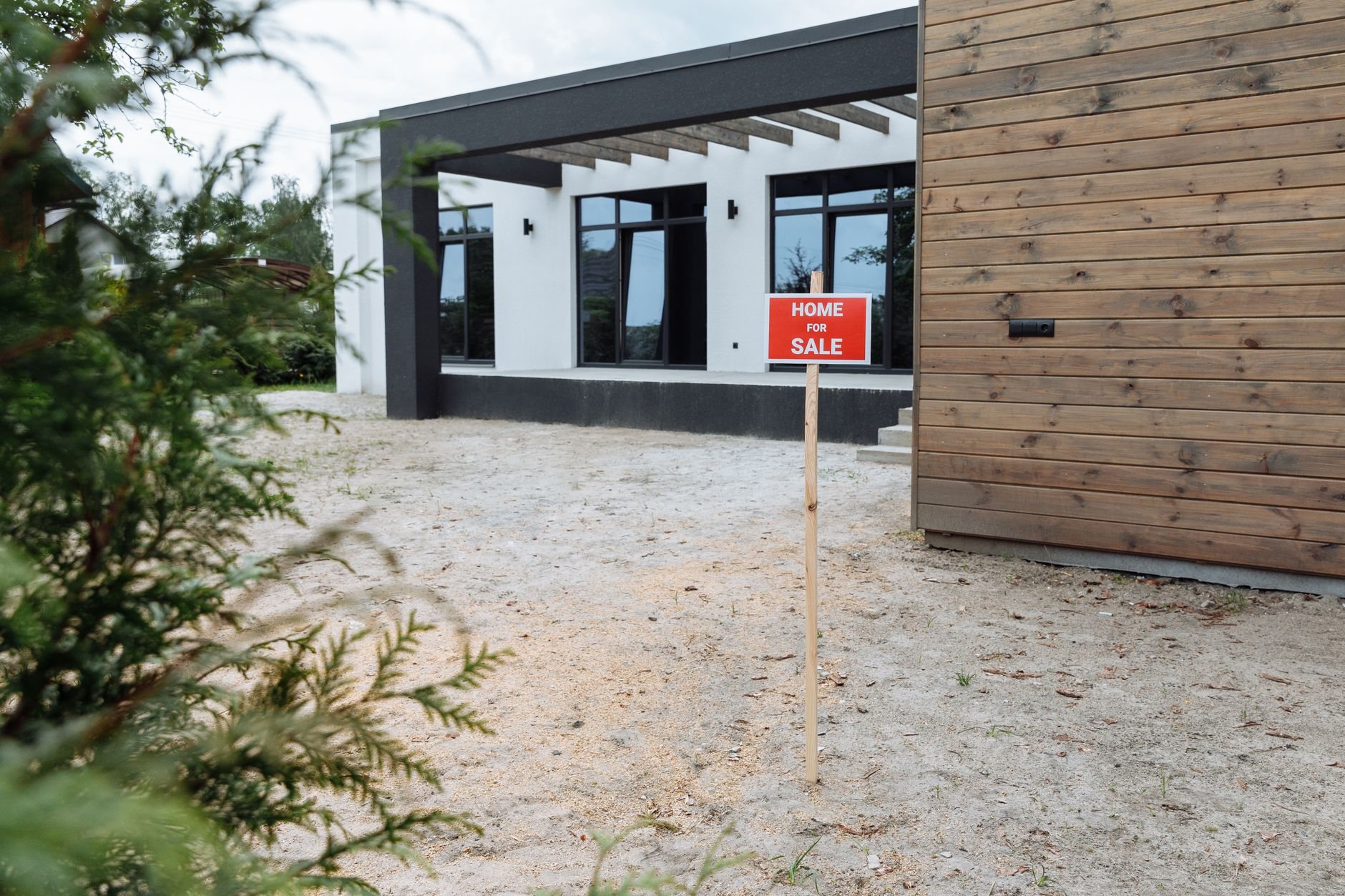
When a BRRRR rehab is the right scope, and when it isn’t
The defining fact of a buy-rehab-rent-refinance project is that nobody buys the house at the end. A tenant moves in and a lender orders an appraisal. A fixer-upper or flip renovation spends on what a retail buyer falls for in a showing. A rental rehab spends on what survives five turnovers and what an appraiser can defend on a comparable-sales grid: bedroom and bathroom count, sound systems, a roof with life left in it.
It’s also narrower than a gut renovation, which a rental needs only when plumbing or wiring is genuinely failing. A house you’ll live in belongs on whole-home modernization; several units on one repeatable spec belong on value-add unit renovation. Bring a closing date, a target rent, and a rough after-repair value; we’ll scope to those numbers and say so early if they don’t pencil.
What investment property rehab work involves
We scope a rental rehab in three tiers. First, what the appraisal and the lender’s condition requirements demand: roof life, a furnace and water heater that pass inspection, egress and smoke and CO protection in each bedroom, a panel that can carry the house. Second, what moves rent and vacancy: bedroom count, laundry hookups, finishes that photograph well. Third, what lowers turnover cost for a decade — where rental spec parts ways with flip spec.
That spec is concrete. Luxury vinyl plank throughout, because carpet in a rental is a two-tenant material. One scrubbable paint color across the unit, so a turn is a touch-up rather than a repaint. Mid-grade shaker cabinets with solid boxes, quartz or solid-surface counters, standard-size appliances replaceable from stock, and the same fixture valves in every bathroom so your property manager keeps one part on the shelf. A tenant-proof house is mostly a consistent house.
Grandview manages demolition, framing, drywall, flooring, and finish work directly. Electrical, plumbing, and HVAC are performed by licensed trade contractors; Grandview holds the contract and manages those electricians, plumbers, and HVAC crews — we coordinate, sequence, and quality-check their work inside your project. Utah’s hard water is a rental-specific line item: we price the water heater and valves as wear items, because scale generates the service calls your manager bills you for.
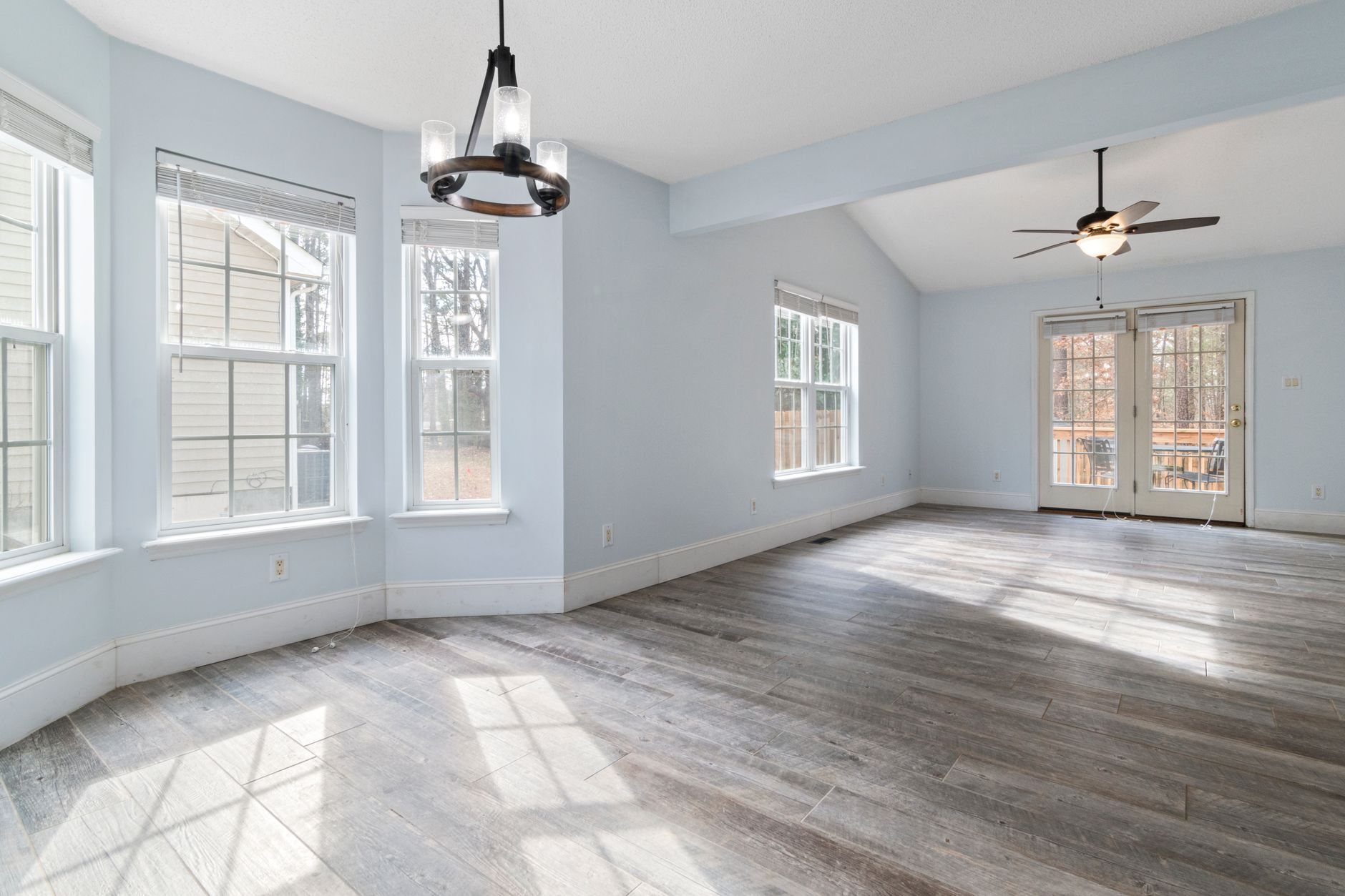
How we run a rehab against a draw schedule and a refinance clock
Most BRRRR projects run on a hard-money or renovation loan that releases funds in draws against inspected progress, then refinance into long-term debt after a seasoning period the new lender sets. The paperwork is part of the schedule.
- Underwrite the scope. Before closing when we can: a walkthrough, a sewer camera on anything older, and a line-item budget against target rent and after-repair value, formatted as your lender’s draw schedule.
- Permit and order. Permits filed and cabinets, windows, and the water heater ordered the week you close. Provo, Orem, and Salt Lake City run predictable reviews; fast-growing Lehi, Saratoga Springs, and Eagle Mountain can queue on some permit types, so the schedule reflects your city.
- Open, decide, rough in. Selective demolition, a short discovery walk, written change orders, then plumbing, electrical, and HVAC each signed off by a city inspection — the proof your draw inspector wants.
- Finish, document, hand off. A photo set, permit record, and materials list with model numbers — the packet your appraiser, property manager, and refinance lender all ask for.
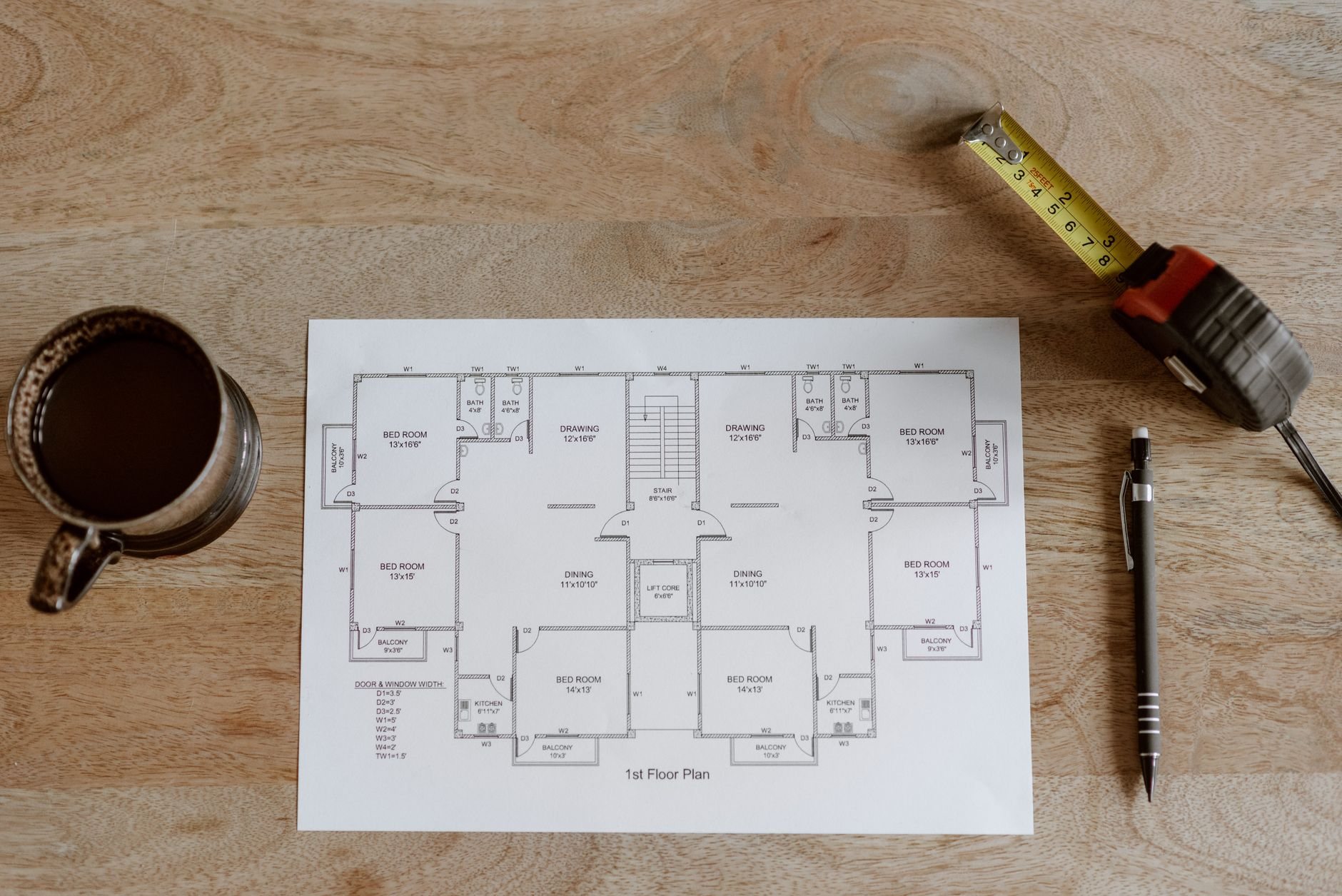
One Utah-specific lever belongs in scoping: if the basement has or can get its own entry, a basement apartment conversion turns one rent into two. State law has pushed many Utah cities to allow internal accessory dwelling units, but parking, owner-occupancy, and egress conditions vary, so we verify with your building department before it enters the budget. Any basement unit gets a radon test first; Utah’s geology runs high, and a mitigation rough-in is cheap before the ceiling closes.
What does an investment property rehab cost in Utah?
As ballpark planning numbers, not a quote: a cosmetic rent-ready rehab — paint, flooring, fixtures, minor repairs — typically runs $20–$45 per square foot along the Wasatch Front. A moderate rehab replacing kitchen, bathrooms, flooring, and paint lands between $45 and $90. A heavy rehab with a re-pipe, panel upgrade, roof, or new basement unit runs $90–$150 or more.
- Systems and roof. Galvanized supply lines, a 60-amp panel, or a roof at end of life add real money and are rarely optional for a lender.
- Bedroom and bathroom count. Adding a bath or a conforming bedroom costs more per foot than anything else in the house, and usually returns the most at appraisal.
- Holding time. A month of slip is a month of interest, taxes, insurance, and lost rent. Lead-time items ordered at closing are the cheapest schedule insurance there is.
A consultation gets you a budget range, a defined scope an estimate, and a locked selection list a proposal or fixed price. Lenders prefer the last one. So do we.
Questions we actually get
Can you work with my hard-money lender’s draw schedule?
Yes. We format the budget as line items the lender can map to draws, keep inspection cards and dated photos as progress proof, and schedule work so each draw milestone closes cleanly. Tell us the inspection cadence up front.
How long does a BRRRR rehab take in Utah?
A cosmetic rent-ready rehab usually runs three to six weeks. A moderate rehab with kitchen, baths, and flooring runs six to twelve weeks; a heavy rehab with systems work or a basement unit runs three to five months plus permit time. City review and cabinet lead times are the biggest variables.
Should I spend on a flip-quality kitchen if I’m renting the house?
Usually not. Appraisers credit a functional, updated kitchen but don’t pay a premium for custom cabinetry on a comparable-sales grid, and tenants rarely pay rent for it either. We spec solid mid-grade cabinets and put the saved money into systems.
Can the rehab add a basement rental unit?
Often. If the basement has or can get its own entry, egress windows in bedrooms, and separate heating and sound control, a conforming unit is usually achievable. Some cities require owner-occupancy or added parking, so we confirm with your building department during scoping.
Investment rehabs sit under whole-home renovation on the renovation and build-outs hub; for portfolios, bulk unit renovation runs the same spec at scale.
Tell us what you’re working on
We reply within a couple of hours during business hours — a day at most. You’ll get a straight read on scope, sequence, and budget before anyone commits to anything.