
Tub surround tile in Utah County
A tub surround is the three tiled walls around an alcove bathtub, built over a waterproofed backer and sealed at the tub flange so the splash zone never reaches the framing. Grandview Contractors installs tub surround tile across Utah County and Salt Lake County under a Utah DOPL B100 general contractor license, on its own or inside a bathroom remodel.
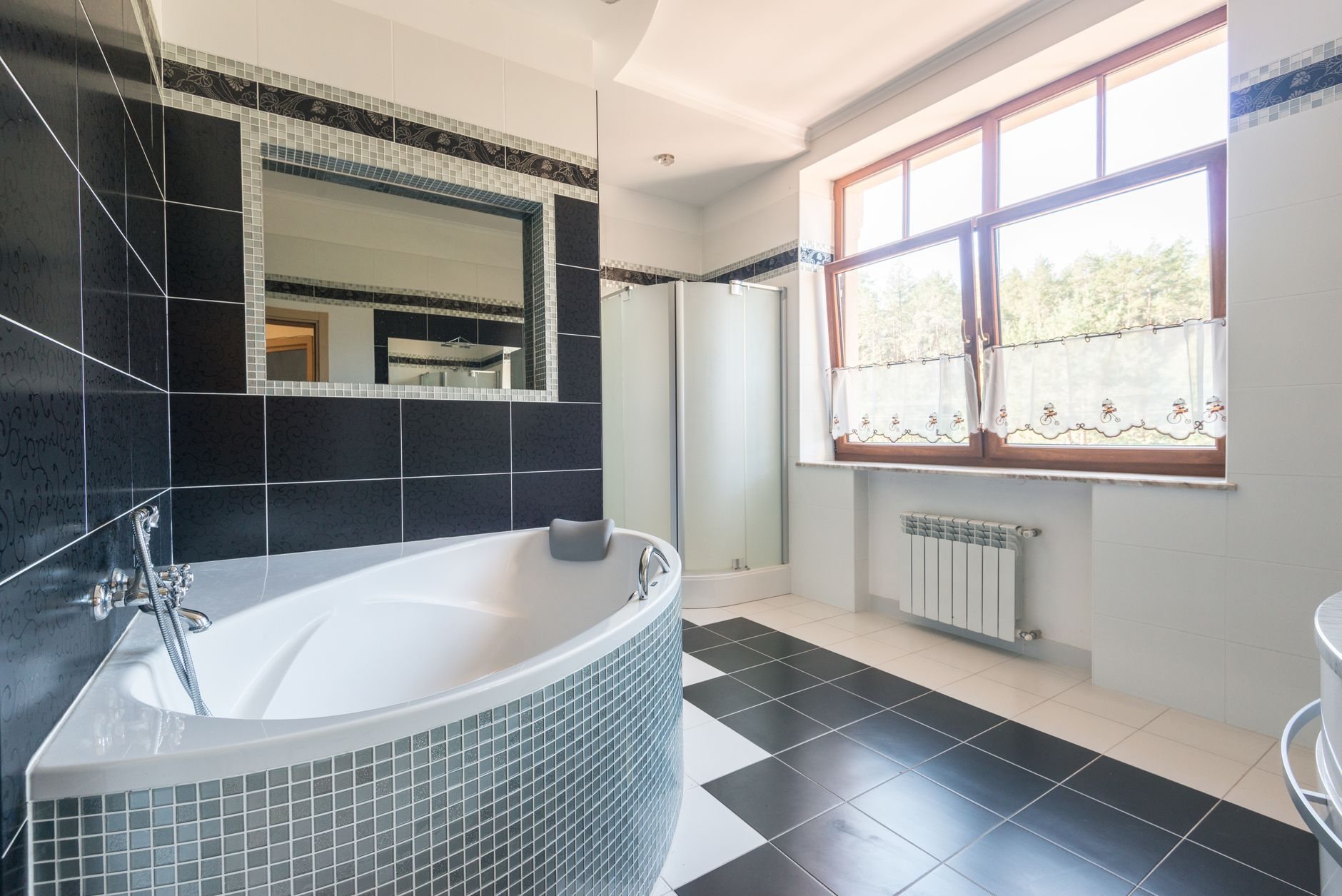
When a tiled tub surround is the right call
A tub surround is the right scope when the tub is staying: families with young kids, a second bathroom that needs its bathtub for resale, anyone who likes a bath. If the tub is going away, you want a tub-to-shower conversion instead, and the tile work becomes a shower tile and surround job with a pan, a curb, and a drain to slope toward.
The most common version of this project is replacing a one-piece fiberglass or acrylic tub-and-surround unit. Builder-grade units went into most of the tract homes built in Lehi, Saratoga Springs, and Eagle Mountain over the past two decades, and they yellow, scratch, and flex at the seams. In older Provo and Orem homes, the surround is often original mud-set tile on a cast-iron tub with a window in the wet wall.
If the existing tile is sound and only the joints have failed, regrouting and re-caulking the tub line is the smaller job. Soft drywall at the tub edge or hollow-sounding tile means regrouting won’t be enough.
How we build a tub surround that stays dry
Nearly every tub surround that fails leaks where tile meets tub. The sequence below is built around that joint.
- Demo and tub decision. The old surround comes out to the studs. A sound cast-iron or steel tub stays and gets protected; a fiberglass unit comes out whole. A new tub is set level in a mortar bed with its flange fastened to the studs first.
- Plumbing rough-in. With the wall open, this is the moment to replace a worn tub-and-shower valve, spout, and diverter. Grandview holds the contract and manages the licensed plumbers who do that work; it’s tested before the wall closes.
- Backer board over the flange, not behind it. Cement board or a foam backer like Schluter’s Kerdi-Board is held about a quarter inch above the tub flange and furred out so its face sits flush with it, never pushed down behind it. Current Utah-adopted code requires a water-resistant backer in tub surrounds; moisture-resistant drywall is not it.
- Waterproofing lapped onto the flange. A sheet or liquid membrane covers the backer and laps over the tub flange, so water that gets past the tile sheds into the tub, not the wall cavity. Corners, the valve penetration, and any window get the most attention.
- Layout, then tile. We dry-lay to put a full tile at eye level on the back wall, balance cuts at both end walls, and center any niche between studs. Tile runs to at least 6 feet above the floor, often to the ceiling.
- Fill the tub, then caulk. Grout goes in the field joints; the tub-to-tile joint and both inside corners get 100% silicone. We fill the tub with water first so it’s deflected under load while the silicone cures. Caulking an empty tub is why so many surrounds split at the seam within a year.
Windows in the wet wall, common in Utah County’s older homes, get a waterproofed jamb, a sill tiled to slope back toward the tub, and usually a vinyl replacement while the wall is open.
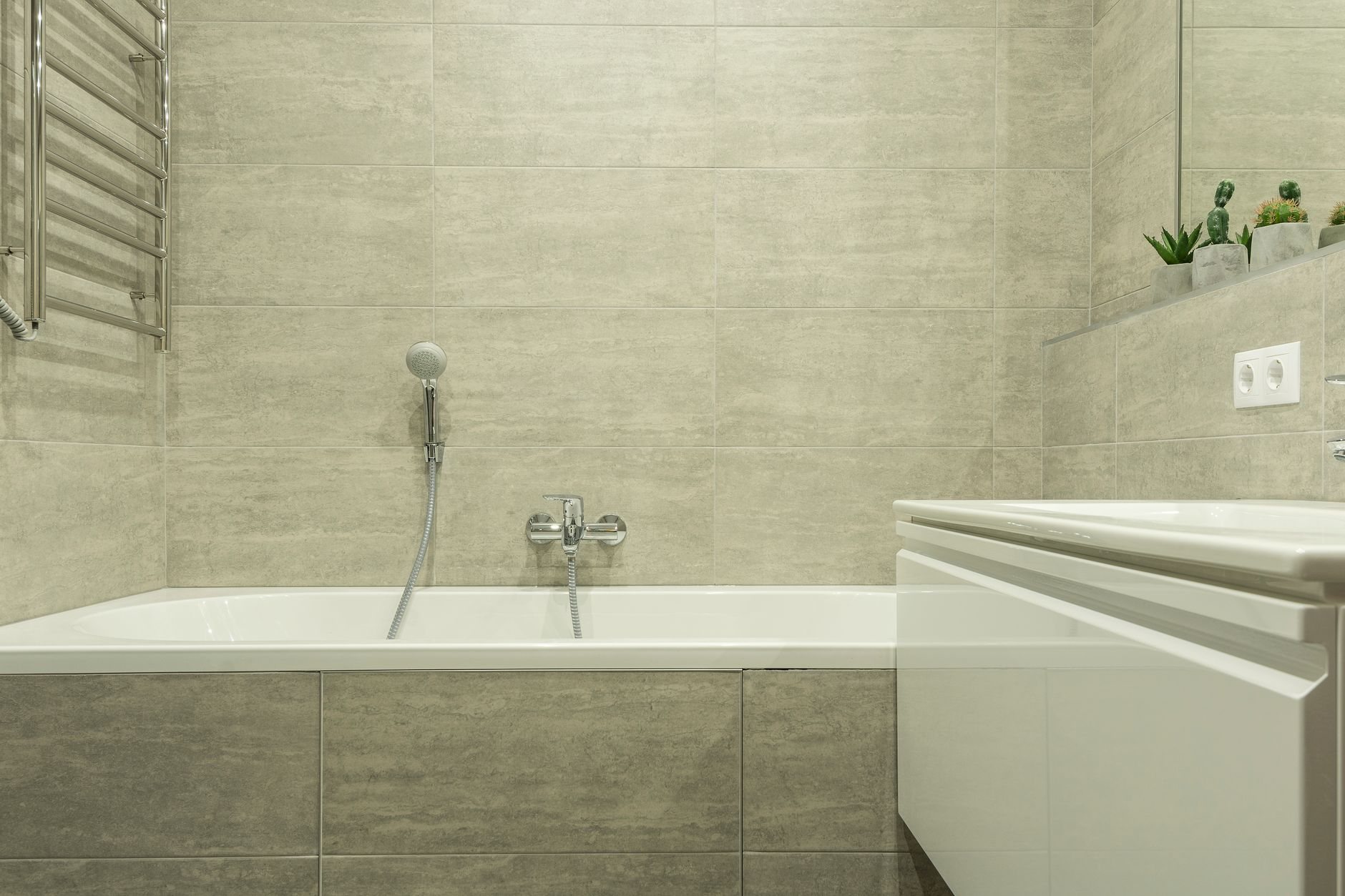
What a tub surround tile job costs in Utah
As ballpark planning numbers, not a quote: tiling a standard 60-inch alcove surround in Utah, with demo, backer, waterproofing, and mid-range porcelain, typically runs about $2,500 to $6,500. Replacing the tub adds roughly $1,500 to $4,000; a new valve sits on top of that. A real estimate follows a site visit.
- Whether the tub stays. Keeping a sound tub is the single biggest saving. Hauling a cast-iron tub out of a second-floor bathroom is a two-person job.
- Tile height. Stopping at 72 inches versus running to a 9-foot ceiling changes the tile count by a third or more.
- Tile size and grout choice. Standard 3×6 or 4×12 porcelain sets fast; mosaics and 24-inch planks set slower. Wasatch Front hard water leaves scale on grout lines, so many clients choose epoxy grout on the surround: more up front, less scrubbing for years.
- What’s hiding in the wall. Rotten studs or a soft subfloor at the tub apron from the old leak are a common extra once the surround comes down. We price them when we see them, not before.
When the bathroom floor is also due, bundling the surround into a bathroom remodel costs less than doing the pieces a year apart.
Questions we actually get
Can you tile over my existing fiberglass tub surround?
No. Fiberglass flexes and tile doesn’t, so an overlay cracks at the seams within a season, and the unit hides whatever is behind it. The right path is removing it to the studs and building a backer-and-membrane assembly the tile can bond to for decades.
Do I have to replace the tub to retile the surround?
Not if it’s sound. A cast-iron or enameled-steel tub with a good finish stays; we protect it through demo and build the new surround onto its flange. A fiberglass unit comes out whole because tub and surround are one piece.
How long is my bathtub out of service?
Typically five to eight working days for a surround alone: demo, plumbing, backer and waterproofing, setting, grouting, and cure. Silicone at the tub line needs about 24 hours before the first bath, and we build that into the schedule rather than hand the tub back early.
Should the tile go all the way to the ceiling?
Usually, if the budget allows. Stopping short leaves a drywall ledge that catches shower spray and is the first place paint peels. Running to the ceiling removes that ledge and makes a 5-foot alcove read taller. Code only requires the nonabsorbent surface to reach 6 feet; the rest is durability and looks.
Tub surround tile is one scope within Grandview’s tile and stone installation work, inside our renovation and build-out services. The membrane detailing above follows the same standard as our Schluter and Kerdi shower waterproofing. Grandview’s B100 license is verifiable at dopl.utah.gov.
Tell us what you’re working on
We reply within a couple of hours during business hours — a day at most. You’ll get a straight read on scope, sequence, and budget before anyone commits to anything.