
Grout repair & regrouting in Utah
Grout repair and regrouting replaces cracked, crumbling, or stained grout in showers, tub surrounds, and tile floors, and swaps failed caulk for silicone where the tile changes plane. Grandview Contractors does this work across Utah County and Salt Lake County under a Utah DOPL B100 general contractor license, starting with why the old grout failed.
When regrouting is the right call, and when it’s a rebuild in disguise
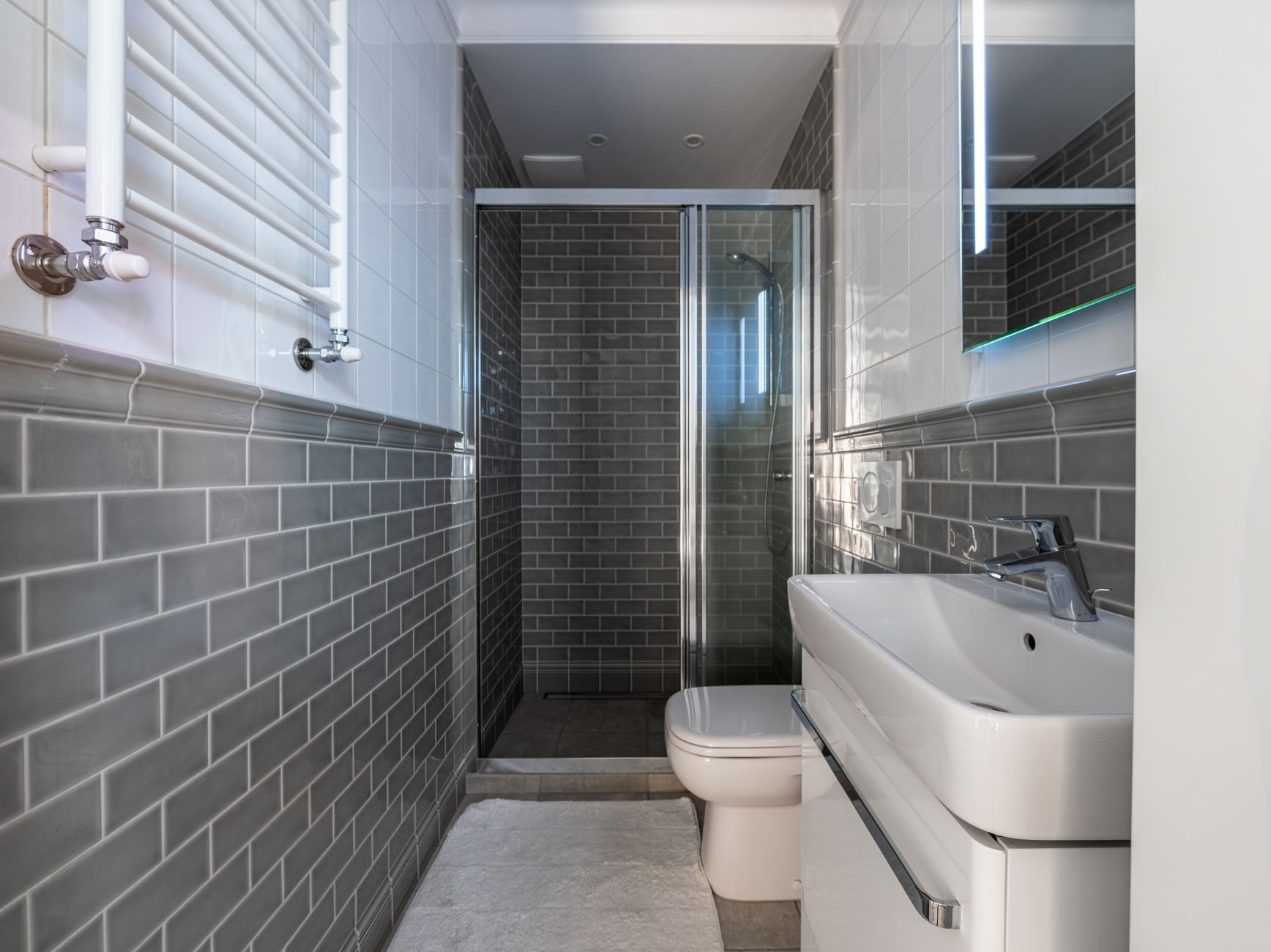
Regrouting makes sense when the tile is sound, the bond underneath is solid, and only the joint is failing: hairline cracks in scattered grout lines, grout that’s gone dark and won’t come clean, caulk pulled away from the tub lip, floor joints powdered out in the traffic lane. Those are grout problems, and a regrout fixes them for a fraction of a new installation.
It’s the wrong fix when the grout is a symptom. Hollow-sounding tiles, a shower floor that stays damp for a day, grout failing along one whole wall, or soft drywall on the other side all point below the surface, where new grout would only seal the water in. That’s when the honest answer is a shower tile rebuild over a tested membrane or a new tub surround, and we’ll say so before you spend money on the wrong scope.
What a proper regrout and re-caulk involves
The difference between a regrout that lasts and one that cracks within a year is almost entirely in the removal.
- Diagnose first. We tap the field, check slope and drain, and look at where the joints failed. Along the Wasatch Front, a lot of cracked floor grout traces back to slabs moving on expansive clay or collapsible bench soils; if so, we plan soft joints around the movement instead of pretending it will stop.
- Remove to depth. Old grout comes out with an oscillating tool and carbide blade to at least two-thirds of the joint depth, so new grout has a real cavity to bond in. Old caulk is cut out completely and the residue solvent-cleaned.
- Clean, then grout the field. Joints are vacuumed and the surface washed and dried, because grout packed into a dusty joint fails early. Then joints are packed full, struck to a consistent profile, and sponged once the grout firms. Utah’s dry air pulls water out of cement grout fast, so we keep joints damp through the early cure rather than letting them flash-dry, shrink, and haze.
- Silicone at every change of plane. Inside corners, the tub-to-tile seam, tile-to-pan, and around fixtures get 100 percent silicone, color-matched to the grout. Grout in those joints is why they cracked in the first place.
- Seal and hand off. Cement grout gets a penetrating sealer once cured, and you get a plain sheet on cleaners to avoid.
Which grout goes back in?
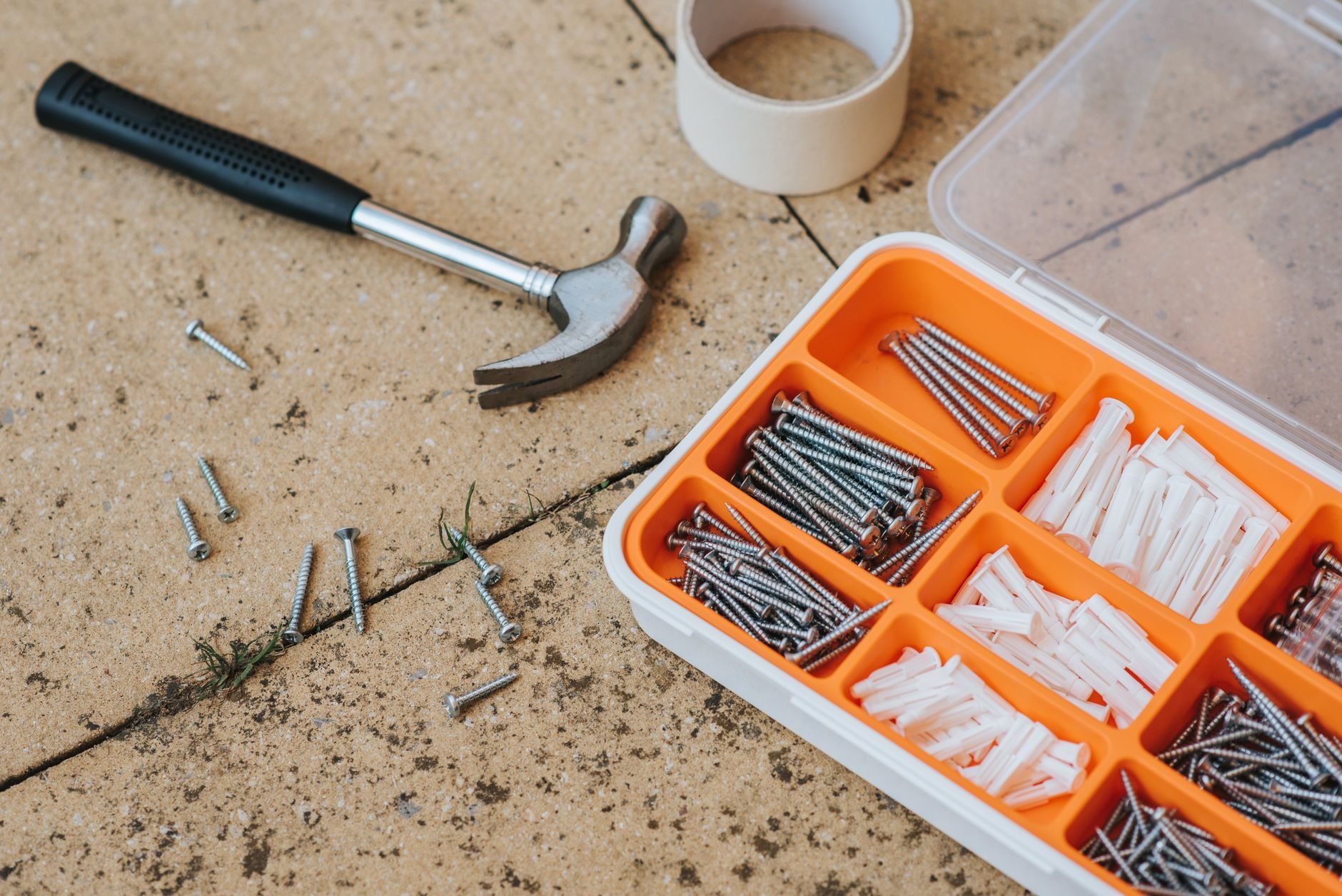
Usually not the one that failed. Sanded cement grout is the standard for joints an eighth of an inch and wider. Unsanded grout belongs in narrow joints and on polished natural stone or glass, where sand would scratch. High-performance cement grouts with polymer additives resist staining and shrinkage better than basic mixes and are our default for shower regrouts. Epoxy grout is the long answer for shower floors: it doesn’t absorb water, doesn’t need sealing, and doesn’t support mold. It costs more and is unforgiving to install, so we recommend it where it earns the premium.
Hard water is the Utah wrinkle. Wasatch Front water leaves mineral deposits that read as stained grout, and the acid cleaners people reach for to remove them eat cement grout, so the cleaning routine is part of the handoff. On exterior entry landings the wrinkle is freeze-thaw: with roughly 100 or more freeze-thaw days a year, exterior joints need frost-rated grout and a sealed, well-drained assembly or they spall out every spring.
What grout repair and regrouting costs in Utah
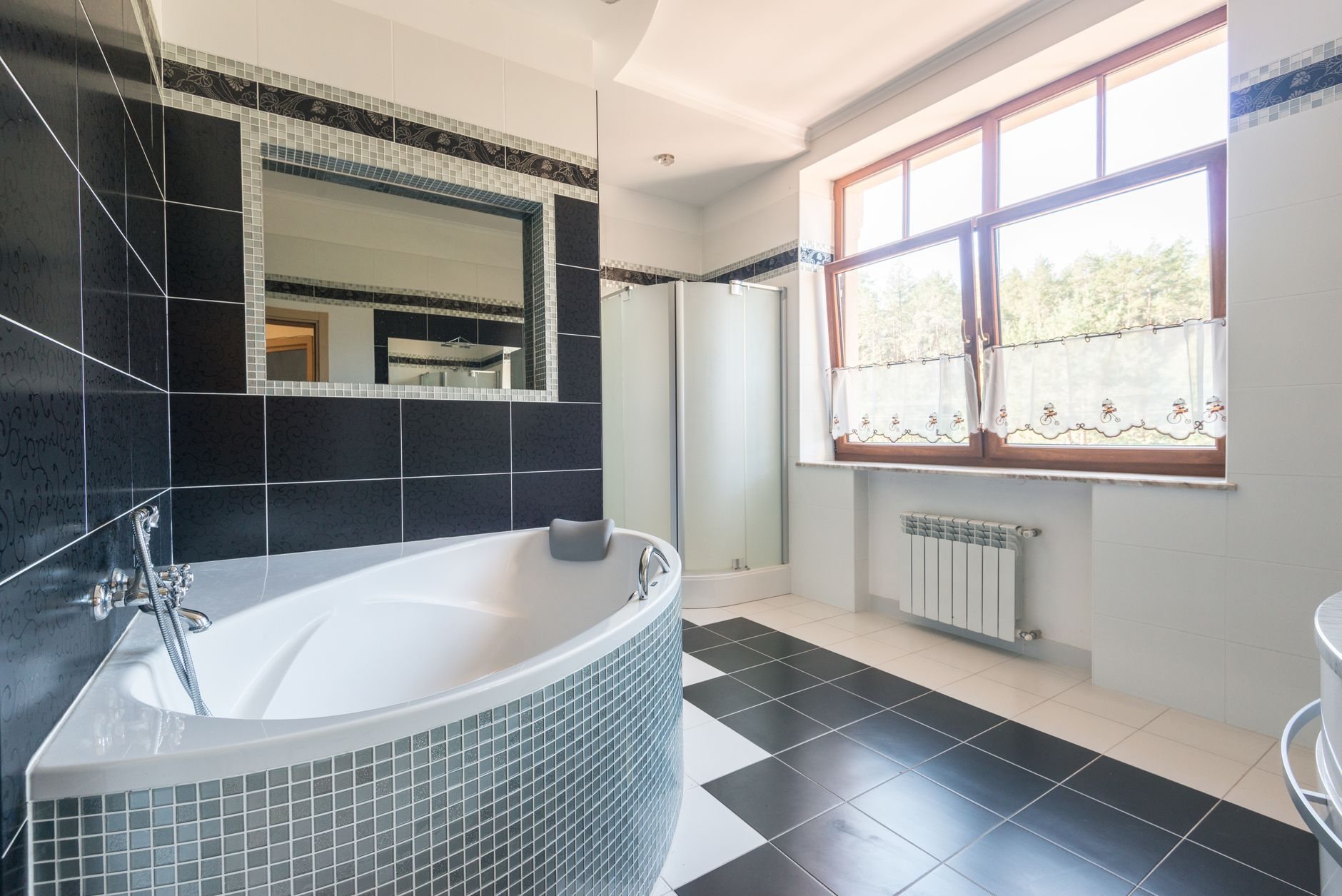
As ballpark planning numbers rather than a quote, a full regrout and re-caulk of a standard tub surround or shower in Utah typically lands between a few hundred dollars and about $1,500, and floor regrouting usually runs a few dollars per square foot. Epoxy roughly doubles material cost and adds labor. A firm number follows a look at the actual tile.
- Tile size. Mosaics and penny tile carry far more linear feet of joint per square foot than 12-by-24 porcelain, and removal time follows the joint, not the area.
- Grout type. Basic cement is the baseline; high-performance cement adds a little, epoxy adds a lot.
- What’s underneath. If removal reveals a wet backer or failed pan, the regrout stops and becomes a waterproofing and rebuild conversation. We’d rather pause than grout over it.
Where the tub, valve, and layout are all due, a coordinated bathroom remodel can cost less over ten years than a sequence of patches. We’ll give you both numbers.
Questions we actually get
Can you regrout over the existing grout instead of removing it?
No. New grout needs a cavity at least two-thirds of the joint depth to bond; spread thin over old grout, it delaminates within months. Removal is most of the labor on a regrout, which is why it’s the step that gets skipped.
Why does the grout keep cracking in the corners of my shower?
Because corners move and grout doesn’t. Where two tiled planes meet, or tile meets a tub or pan, the joint flexes with the house and rigid grout cracks. The fix is cutting the grout out and replacing it with color-matched 100 percent silicone. Regrouting those corners repeats the original mistake.
How long until I can use the shower after regrouting?
Plan on about 72 hours for cement grout and silicone to cure before the shower goes back into service, and a few days longer before sealing. Rushing it is the most common way a good regrout goes bad, so the curing days are built into the schedule.
Can regrouting fix a shower that’s leaking into the room below?
Usually not. Grout was never the waterproofing layer; it’s porous by design. A leak reaching the ceiling below means the pan or membrane behind the tile has failed, which calls for a rebuild over a new, flood-tested membrane. We’ll tell you plainly which problem you have before quoting either.
Grout repair sits inside Grandview’s tile and stonework work, part of our renovation and build-out services, and often pairs with bathroom floor tile repairs in the same visit. Our B100 license is verifiable at dopl.utah.gov.
Tell us what you’re working on
We reply within a couple of hours during business hours — a day at most. You’ll get a straight read on whether it’s a regrout or a rebuild, and what each costs, before anyone commits to anything.