
Grease interceptor installation for restaurants
A grease interceptor is the tank, inside or outside the building, that catches fats, oils, and grease from kitchen drains before they reach the sewer — and nearly every restaurant that cooks is required to have one sized to its fixtures. Grandview Contractors installs and replaces them across Utah County and Salt Lake County under a Utah DOPL B100 general contractor license, managing the licensed plumber, the excavation or slab cut, the sewer-district approval, and the concrete that closes it back up.
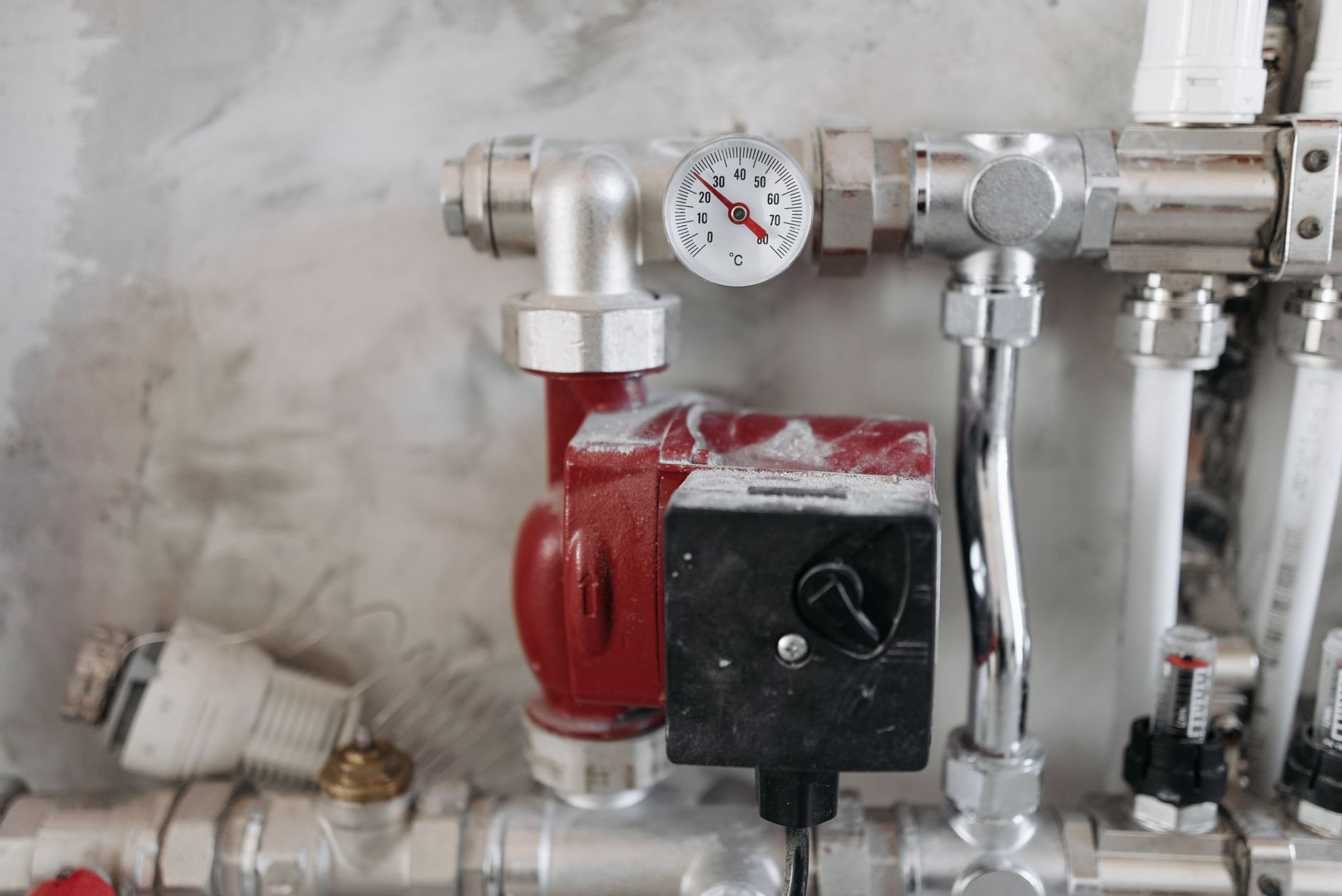
When the interceptor is the project, not a line item
This page is for operators whose grease interceptor is the whole job: a sewer-district letter after a Fats, Oils and Grease (FOG) inspection; a second-generation space with a tank that’s undersized, cracked, or undocumented; a fryer line added to a space approved for a café; or a health reviewer holding approval until the interceptor is sized and on the drawings.
If you’re building the whole kitchen from a shell, the interceptor is one scope inside a commercial kitchen build-out or a complete restaurant build-out, sequenced with the underslab plumbing and the hood and exhaust. A delivery-only conversion is covered under ghost kitchen build-outs. If the plumbing problem is wider than grease, start with commercial plumbing. All of it sits under our restaurant build-out service and the wider renovation family.
Hydromechanical unit or in-ground gravity tank?
A hydromechanical grease interceptor is a compact unit rated by flow (20 to 100 gallons per minute), set in a floor recess or under a three-compartment sink, with a flow-control fitting and vented inlet. It suits cafés, small QSR lines, and leases that forbid a slab cut. The trade-off is maintenance: small units fill fast and get pumped often.
A gravity grease interceptor is the precast concrete tank, 750 to 2,000+ gallons, buried in the drive aisle, parking lot, or landscape strip with manhole access at grade. It’s sized by retention time against fixture load, holds far more grease between pump-outs, and is what most full-service kitchens and most Wasatch Front sewer districts prefer. A pump truck has to be able to reach it.
Both are sized under the Utah-adopted International Plumbing Code as amended by the local sewer authority. The sewer district, not the building department, usually has the final say on size and type, and districts across the two counties don’t all agree. We confirm the governing standard before anything is drawn, so the first submittal is the last.
What a grease interceptor installation involves
- Fixture survey and sizing. We list every fixture that drains to the interceptor — three-compartment sink, pre-rinse, floor sinks under cook equipment, the dish machine where the district requires it — and route around what shouldn’t: restrooms, hand sinks, most mop sinks. A toilet piped through an interceptor is a code violation, and second-generation spaces turn them up more often than you’d think.
- Sewer-district and health submittal. Sizing calculation, product data, and a site plan showing tank, cleanouts, and sampling point go in with the plumbing permit. Provo, Orem, and Salt Lake City run predictable FOG reviews; fast-growth Lehi and Saratoga Springs can be quick on the permit and slower on the pretreatment letter, so we file early.
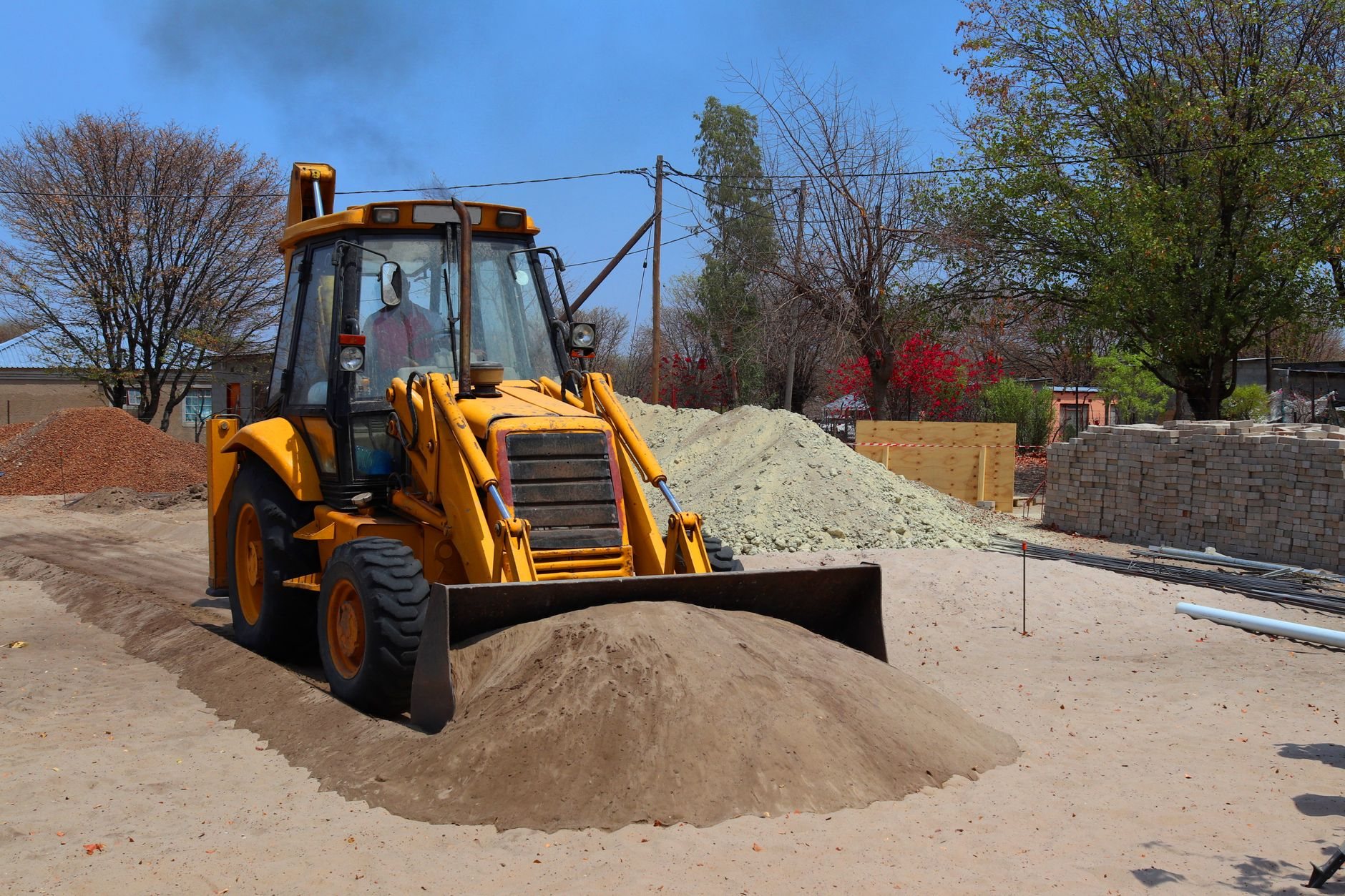
- Opening the ground. Outside: saw-cut pavement, excavate to the invert the lateral allows, bed the pit. On bench lots with collapsible or clay soils we bed the tank on compacted crushed stone so it doesn’t settle and shear the inlet joint. Inside: a slab cut, trench, and recess sized to the unit and its lid.
- Set and connect. A licensed plumber, working under Grandview’s contract and quality-checked by us, sets the tank, installs the inlet and outlet tees, ties into the kitchen waste line and the sewer lateral, adds the sampling well, and vents the line. We sequence that plumber with the excavation and concrete crews so no one waits on anyone.
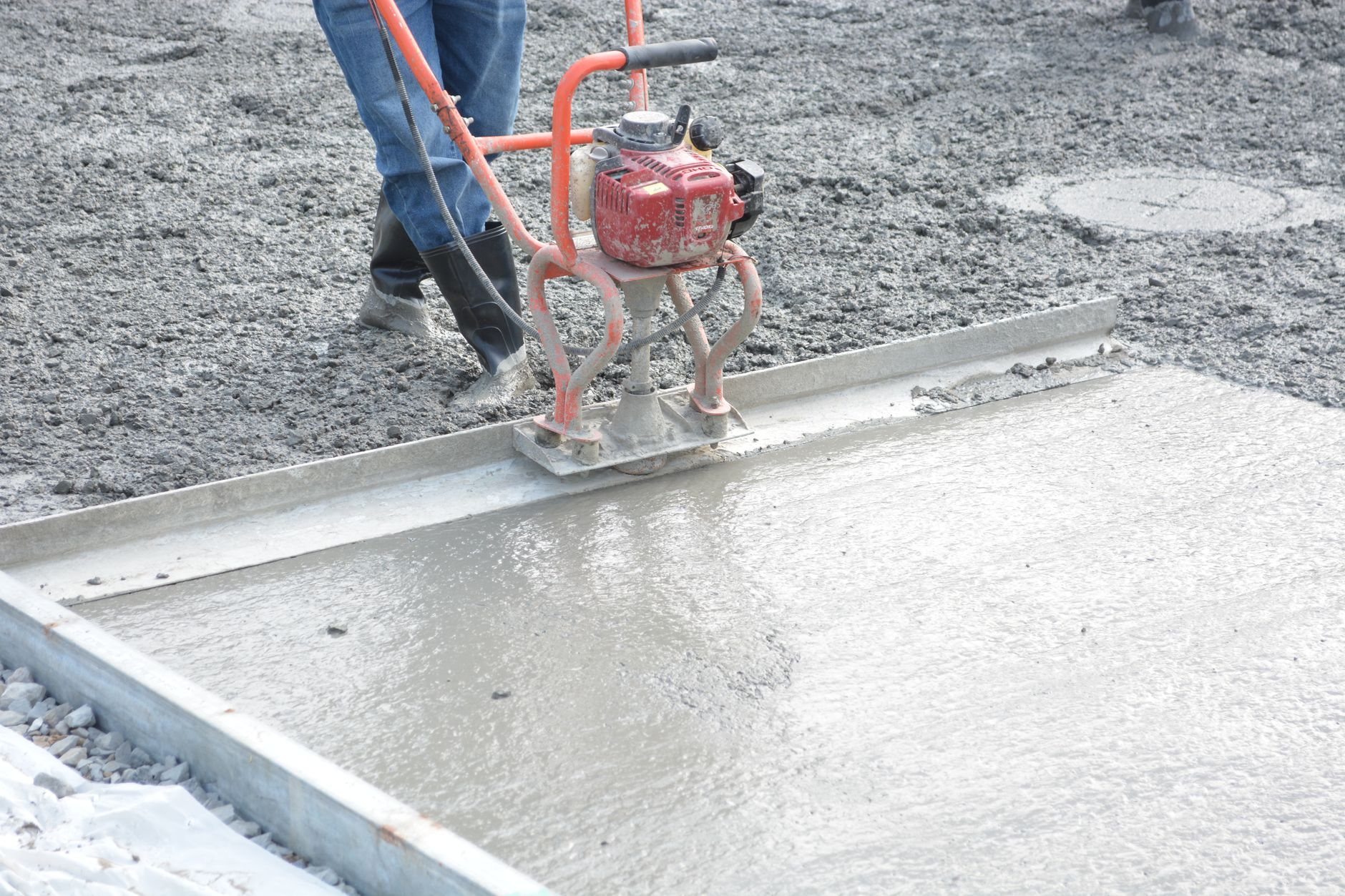
- Inspection, backfill, restoration. Inspections happen with the pit open. Then backfill in lifts, traffic-rated lids and risers brought to grade, and the slab, asphalt, or sidewalk restored. Wasatch Front winters bring well over a hundred freeze–thaw cycles, and a lid left proud of grade is the first thing a snowplow finds.
- Commissioning. Tank filled with water, flow control verified, and you receive the as-built, the district’s approval, and a pump-out schedule — most districts require a pumping log.
What does grease interceptor installation cost in Utah?
As ballpark planning numbers only: an indoor hydromechanical unit with slab cut, plumbing, and patch commonly lands between the low four figures and about ten thousand dollars. An in-ground gravity interceptor with excavation, sewer tie-in, and surface restoration more often runs from the mid-teens into the thirty-thousand-dollar range, and higher under a drive aisle or with a deep lateral.
- Where the sewer lateral is. A shallow lateral at the kitchen wall is a short trench. A deep one across the parking lot means shoring and a lot more asphalt.
- Inside or outside. Interior work trades excavation for slab cutting, dust control, and kitchen downtime. Exterior work trades those for paving, traffic lids, and landlord coordination.
- The size the district demands. A 1,500-gallon requirement where you planned on 750 roughly doubles the precast and the pit.
You get a budget range at the walkthrough, an estimate once the district confirms sizing, and a proposal with excavation, plumbing, and restoration as separate line items.
Questions we actually get
Can I keep operating while the interceptor is installed?
Often, if the tank goes outside. Exterior installations keep the kitchen running until the one-day tie-in, scheduled for a closed day or overnight. Interior installations through the slab usually mean several days without those drains, so we plan them around a closure or slow week and give you the shutdown window up front.
Who decides what size interceptor I need?
The local sewer authority, applying the Utah-adopted plumbing code and its own FOG rules. The health department checks that the kitchen plan shows it; the building department issues the plumbing permit. We run the fixture calculation, submit it, and don’t order a tank until the district’s concurrence is in hand.
Does a second-generation space already have a usable interceptor?
Sometimes, and it’s worth checking before the lease is signed. We locate it, pull the district’s records, and have it pumped and inspected for cracks, baffle condition, and size against your fixture list. A sound, correctly sized tank saves real money; a cracked or undersized one belongs in your tenant-improvement negotiation.
What drives the cost up most?
Distance and depth to the sewer lateral, then what has to be cut and restored to reach it. A tank in a landscape strip near a shallow lateral is a straightforward job; the same tank under a drive aisle with a deep lateral means shoring, traffic-rated structure, and repaving, which can double the price.
Tell us what you’re working on
Send us the address, your fixture list or menu, and any letter the sewer district has sent. We reply within a couple of hours during business hours, a day at most, with a straight read on tank type, sizing, and budget.