
Distillery Build-Outs
A distillery build-out turns a shell into a licensed spirits plant: a still room that handles flammable liquid under the fire code, a boiler or gas-fired heat source, bonded barrel storage, and usually a tasting room that answers to Utah DABS. Grandview Contractors builds distilleries across Salt Lake County and Utah County under a Utah DOPL B100 general contractor license, carrying the hazardous-occupancy review, the licensed trades, and every inspection in one contract.
When a distillery build-out is the right scope, and when a sibling is
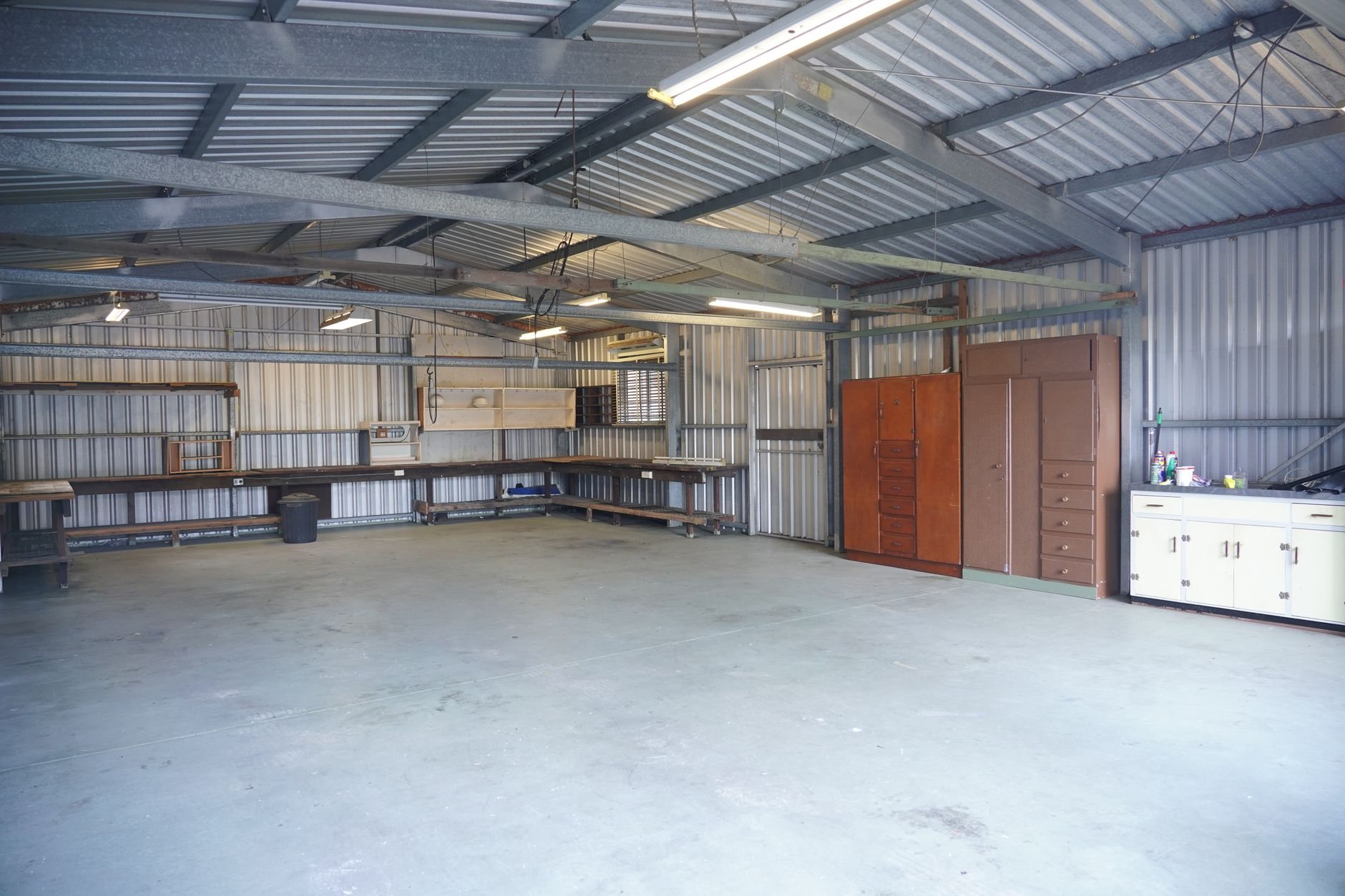
If you are producing spirits on site, this is your page. A distillery shares a lot with a brewery and taproom build-out: wet floors, trench drains, CO2 from fermentation, a public room out front. The difference is that a brewery’s product is not flammable and a distillery’s is. That one fact changes the occupancy, the electrical, the ventilation, the floor, and the fire review. A distillery is never a brewery with a still in the corner.
If your product is wine, a winery and tasting room build-out is the closer fit: cold process, no boiler, no high-proof storage. If you pour spirits but do not make them, see bar and lounge build-outs. All three sit under our restaurant and commercial kitchen build-out work.
What the still room actually requires
Ethanol is a flammable liquid, and the fire code limits how much can be present in a control area before the room must be classified and built as a hazardous occupancy. Some small operations stay under the limit by splitting storage across control areas; most build one rated still-and-storage room with fire-rated walls, spill containment, and classified electrical. We settle that question with the fire marshal first, because it sets the budget for everything downstream, and where a rule is city-specific we will tell you to verify it rather than guess.
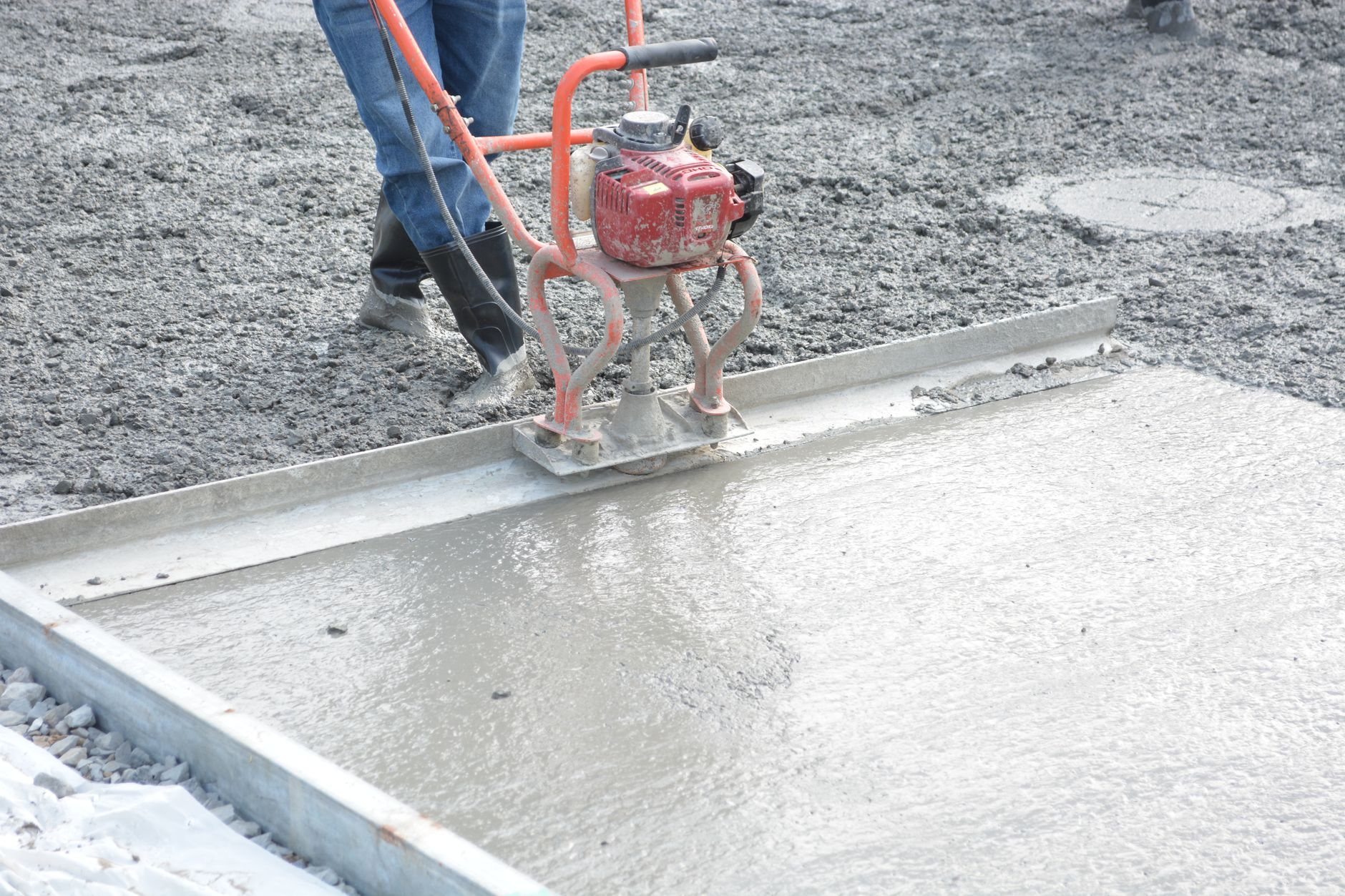
Inside that room, floors get curbs or a recessed slab and trench drains that route spills to containment rather than the sanitary sewer. Ethanol vapor is heavier than air, so exhaust pulls low, not from the ceiling. Fixtures, switches, and motors in classified zones are explosion-rated, so the electrical fit-out is designed around the zone map, not classified after the fact. A still, a mash tun, and fermenters concentrate serious weight on a small footprint, so we check the existing slab before equipment is ordered.
Heat is its own decision. A steam-jacketed still needs a boiler room with combustion air, a dedicated gas supply, and boiler permitting that runs separately from the building permit. A direct-fire still moves the demand to the gas line and the hood. Either way, burners lose capacity at Wasatch Front elevation, so boiler and gas-line sizing use altitude-corrected numbers, not the sea-level cut sheet. If you mill your own grain, the mill gets a dust-collected enclosure; grain dust is a hazard the fire authority will ask about.
Licensed subcontractors perform the electrical, plumbing, boiler, and sprinkler modification work. Grandview holds the contract and sequences and quality-checks each trade inside your project.
Where Utah changes the drawing
Wasatch Front water is hard, and that matters twice here: boiler feed water scales a steam system, and proofing water goes into the product. Softening and reverse osmosis need floor space, a drain, and power, so they go on the plan early instead of onto a utility wall later.
Barrel storage is a structural question. A full barrel weighs roughly 500 pounds, and racked three or four high it adds up to real slab loading. Along the Wasatch fault, tanks and racks also need seismic anchorage to current Utah-adopted code: engineered attachment to the slab, not a rack standing on its own feet. Bonded storage must be secured the way your federal permit describes it. The TTB distilled spirits plant permit reviews your floor plan, and so does the state manufacturing license, so we build to the drawing you submitted.
The tasting room is where Utah’s control-state rules show up. What a manufacturer can pour and sell on site runs through Utah DABS, and the layout we build, where product is stored, where it is served, how the public side separates from production, should be the one DABS reviewed. A view window into a hazardous-occupancy still room is a rated opening and a budget line, not a finish detail.
What drives distillery build-out cost in Utah
As a planning point, not a promise: the gap between a distillery and a same-size brewery build-out is almost entirely the flammable-liquid scope. Rated walls, containment, classified electrical, and sprinkler upgrades together commonly rival the cost of the still itself, and the building you choose moves that number more than any finish decision.
- Sprinklers. An unsprinklered building that needs coverage sized for flammable liquid is the largest surprise we see. Ask before you sign the lease.
- Slab and drains. Cutting a slab for trench drains and containment is routine; replacing one that cannot carry the equipment is not.
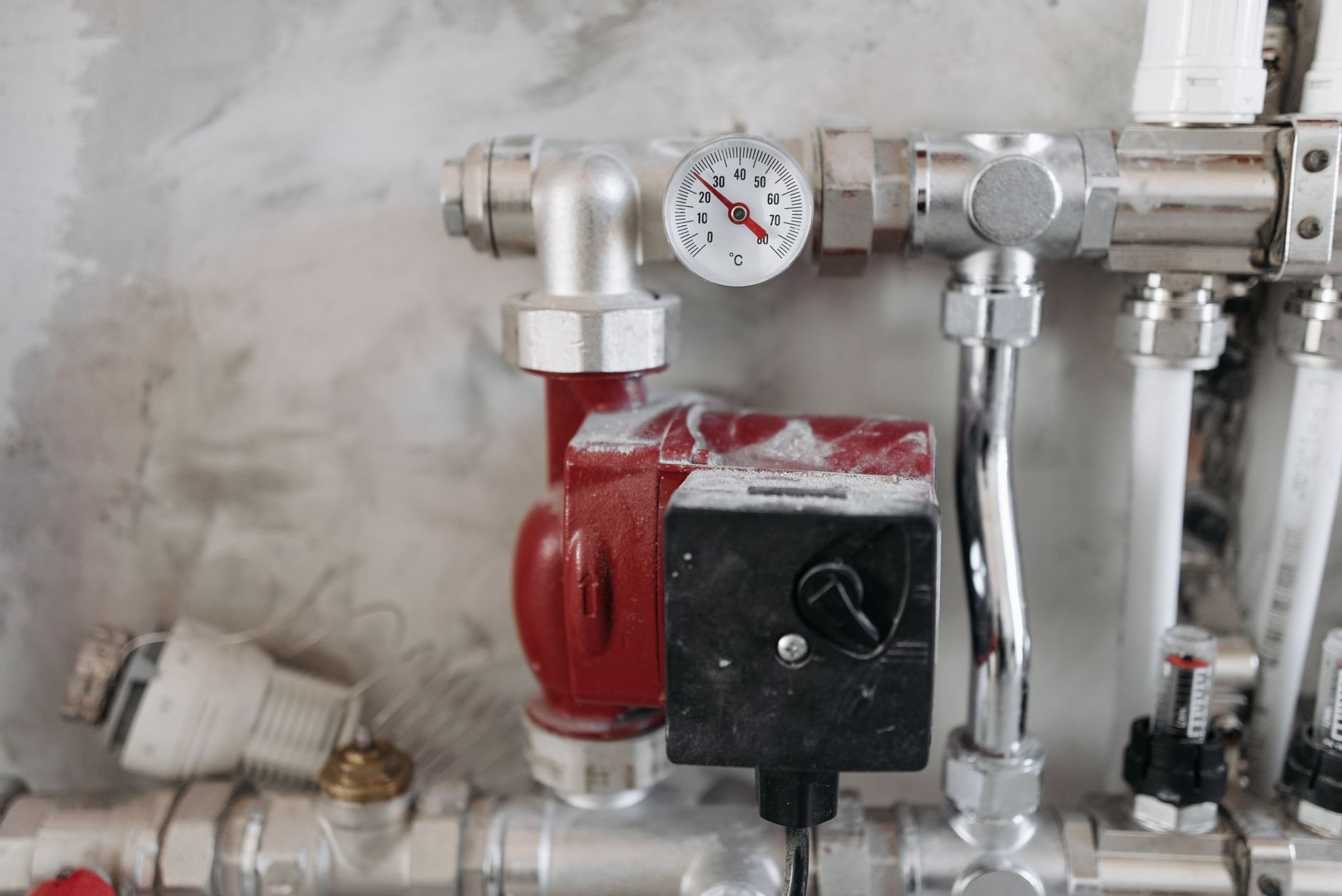
- Boiler and gas. A steam boiler adds a room, a gas-service upgrade, and a permit track, and altitude sizing pushes equipment up a size more often than owners expect.
- Electrical classification. Explosion-rated fixtures and wiring methods cost several times their ordinary equivalents, so the size of the classified zone matters.
You get a budget range at consultation, a real estimate once the occupancy approach is settled, and a proposal you can take to a lender. Larger plants that need a dedicated schedule and cost manager fit our construction management service.
Questions we actually get
Does my distillery have to be a hazardous occupancy?
Not always. The fire code sets a maximum quantity of flammable liquid per control area; stay under it and the room can remain an ordinary factory occupancy. Most distilleries that barrel-age product exceed it quickly, which is why we settle this with your fire authority before design, not during plan review.
Can I put a distillery in a strip center or shared building?
Sometimes, but it is harder than a brewery. Flammable-liquid storage next to other tenants raises separation, sprinkler, and landlord questions that an industrial or flex building usually avoids. We walk candidate spaces with the equipment list and tell you which ones will fight you before you sign.
What is the most common cost surprise on a distillery build-out?
Fire protection. A building that is unsprinklered, or sprinklered for ordinary hazard, often needs upgrades once flammable liquid enters the picture, and that can reach six figures depending on the building. Boiler and gas-service upgrades are next, and both are visible at the first walkthrough.
How long does a distillery build-out take?
Construction typically runs several months after permits, with still and boiler lead times often the constraint. Building, fire, and boiler reviews run together; the TTB and Utah DABS applications run on separate clocks and do not wait for construction, so start them the week the lease is signed.
Tell us what you’re working on
Send the candidate space, the still you have in mind, and your target opening date. We reply within a couple of hours during business hours, a day at most, with a straight read on occupancy, sequence, and budget.