
Kitchen Hood Suppression Systems (ANSUL)
A kitchen hood suppression system is a pre-engineered wet-chemical system (ANSUL R-102 is the common brand) inside a commercial Type I hood that floods the cooking surfaces, plenum, and duct when a fusible link melts. Any Utah kitchen cooking with grease needs one; Grandview Contractors holds the contract and manages the licensed fire-protection installers who fit it, under our B100 general contractor license.
Who needs a hood suppression system, and who doesn’t
The trigger is grease-laden vapor. If a fryer, char-broiler, griddle, wok, or open-burner range is producing it, current Utah-adopted code and NFPA 96 require a Type I hood, and a Type I hood requires an automatic extinguishing system. Restaurants, cafés with a flat-top, church and school kitchens, ghost kitchens, and food halls all qualify; a residential range under a residential hood does not.
This page is the suppression system itself: cylinder, piping, nozzles, detection line, and the gas and electrical shutoffs it controls. The hood, exhaust fan, and makeup air are a separate scope under restaurant hood installation; the room around them is a commercial kitchen build-out. It is not a substitute for building sprinklers: dining room, storage, and corridors are still covered by fire sprinklers, and the hood system only talks to the fire alarm panel when one exists.
The scope reaches us three ways: a new kitchen with a new hood, a second-generation restaurant space where the system no longer matches the appliances under it, and a tenant who swapped a griddle for a fryer and failed the service tag.
What’s inside an ANSUL R-102 system
- Appliance-by-appliance nozzle layout. The system is designed from the cook line, not the hood size. A fryer gets a fryer nozzle, a char-broiler its own, each range section coverage sized to its burners, and the plenum and duct nozzles of their own. The listing dictates nozzle type, height, and aim point, so the equipment schedule has to be final before the design is.
- Detection line and fusible links. A stainless cable runs through the plenum carrying fusible links rated for the hood temperature. When one melts, the cable goes slack and mechanically trips the release. No power is needed, which is the point.
- Cylinder, release module, and piping. The agent tank and expellant cartridge mount in a cabinet or on a wall within the manufacturer’s piping limits. Distribution pipe runs from the release to each nozzle, with hood penetrations sealed to keep grease out.
- Manual pull station. A pull handle sits on the egress path from the cook line, usually at a doorway, so a cook can trip the system on the way out.
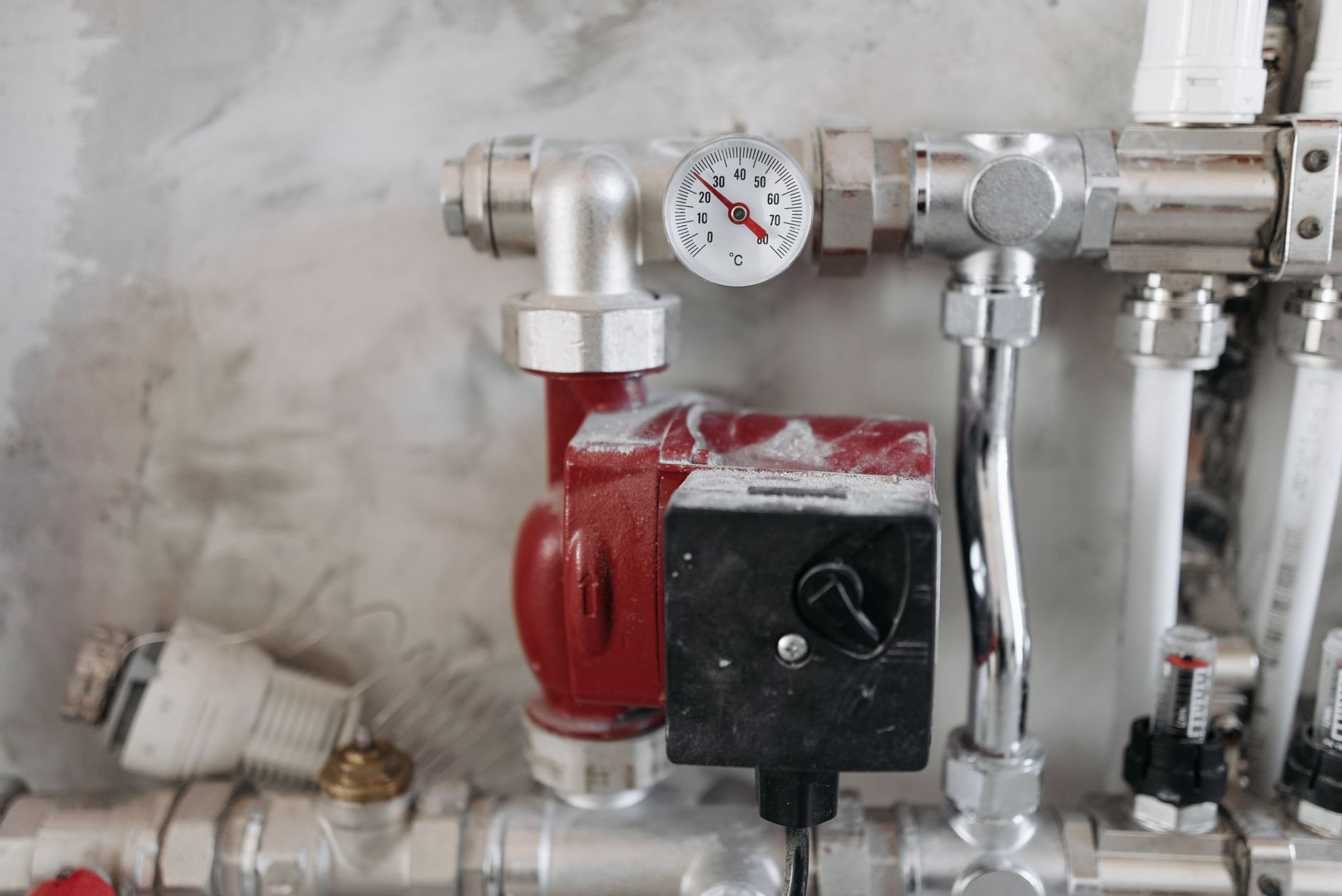
- Fuel and power shutoffs. A mechanical or electric gas valve on the cook-line supply closes on discharge; electric appliances drop out through a shunt-trip breaker or contactor wired to the release module’s microswitch. The exhaust fan keeps running to pull smoke and agent out.
- Fire marshal acceptance. The installer runs a functional trip test with the marshal present: links released, gas valve closed, shunt trip opened, alarm signaled, nozzle flow checked with nitrogen rather than live agent. Then the cylinder is armed and the first service tag goes on.
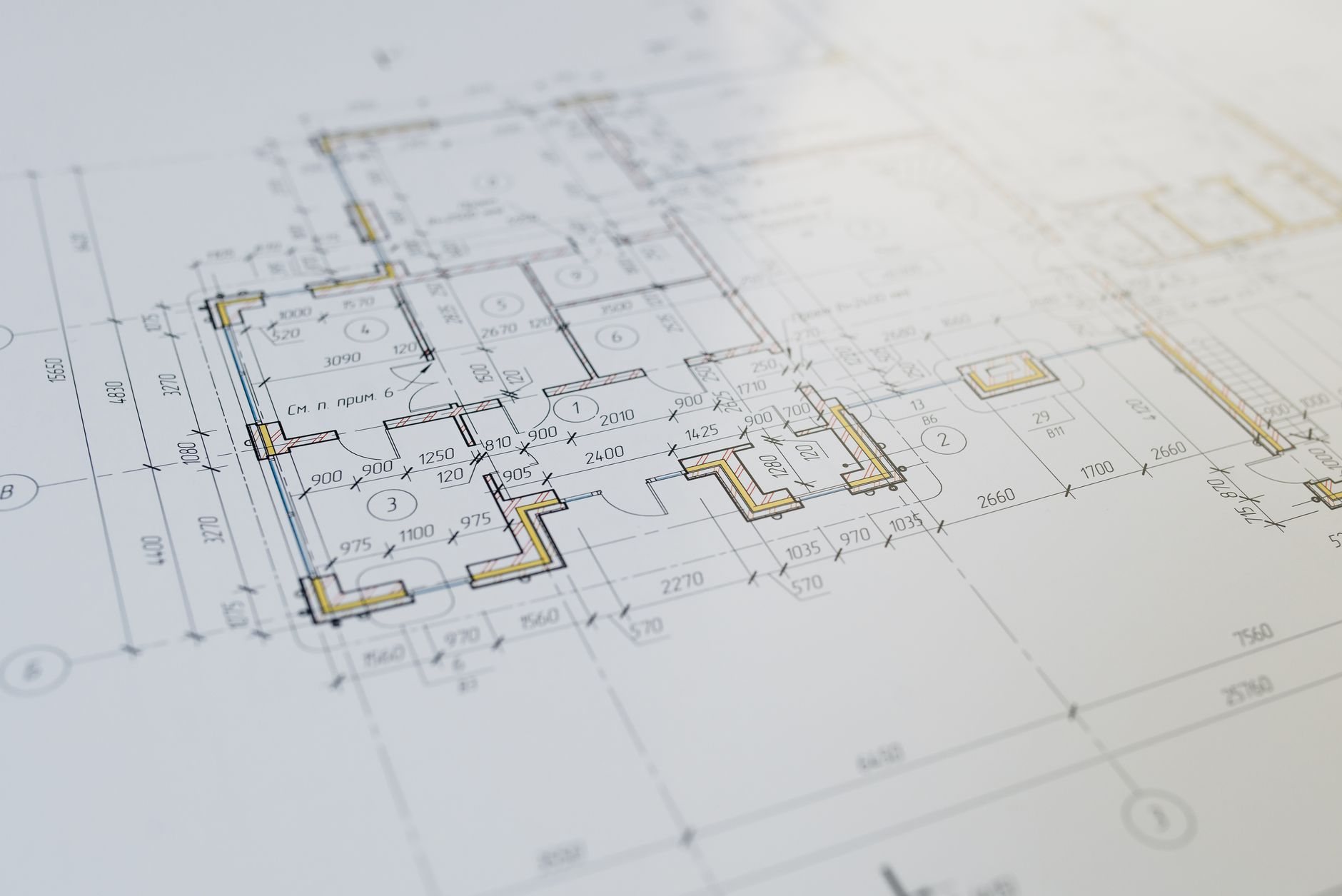
Submittals go to the fire marshal before any pipe is ordered. In fast-growing Lehi, Saratoga Springs, and Eagle Mountain, fire review often runs on a different calendar than building review, so we file the suppression submittal with the hood drawings, not after them. Provo, Orem, and Salt Lake City are more settled but still want the two packages to agree.
Why the gas valve and shunt trip are the usual holdups
The suppression installer owns the cylinder, piping, and nozzles. The gas valve sits in the plumber’s line, the shunt-trip breaker in the electrician’s panel, and the alarm relay in the alarm contractor’s panel. When each trade is hired separately, nobody owns the four-way handoff, and the acceptance test fails because one of them wasn’t ready. Grandview holds the contract and manages all four: the gas line and valve, the electrical shutoff, the alarm tie-in, and the suppression system itself. We sequence them and schedule one acceptance test.
Two sequencing rules: appliances are confirmed before the nozzle layout is finalized, and the gas valve goes in before the gas test so the line isn’t opened twice. Every licensed trade partner is verifiable at dopl.utah.gov, same as our license.
What does a kitchen hood suppression system cost in Utah?
As a ballpark planning number, a single-hood ANSUL R-102 system on a typical restaurant cook line usually lands in the low-to-mid four figures installed, with the gas valve, shunt trip, and alarm tie-in added on top. A long line with two cylinders or a second hood runs higher. Planning figures, not a quote; the proposal follows the appliance schedule.
- Appliance count and type. Each fryer, broiler, and range section needs its own nozzle and flow points; fryers and char-broilers consume the most.
- Hood length and cylinder count. Once the line exceeds one cylinder’s flow-point capacity, a second tank and a second release come with it.
- Existing versus new hood. Most new hoods arrive pre-piped for ANSUL, which cuts field labor. Retrofitting an older hood means field-drilled penetrations and more ladder time.
Questions we actually get
Can we reuse the existing ANSUL system when we take over a restaurant space?
Often, but only after a licensed installer re-evaluates it against your appliances. Nozzle coverage is appliance-specific, so a system designed for the last tenant’s griddle may not cover your fryer, and moving an appliance a foot sideways can take a nozzle out of its listed aim point. Expect re-aiming, new nozzles, and fresh links.
How often does a hood suppression system have to be serviced?
Every six months by a licensed fire-protection company, with the service tag on the cylinder as proof. Fusible links are replaced on that schedule, and the cartridge and agent have their own intervals. Your fire marshal and your insurer both look at the tag, so build the semi-annual visit into operating costs.
Does the system need electricity to work?
No. Detection and release are mechanical: the fusible link melts, the cable releases, and the cartridge pressurizes the tank. Electricity only matters for accessories such as an electric gas valve, the shunt-trip breaker, and the alarm relay, so a power outage during a fire does not disable the suppression itself.
Tell us what’s going under the hood
Send the appliance schedule and hood drawings, or just the menu if that’s where you are. We reply within a couple of hours during business hours, a day at most, with a straight read on scope, sequence, and budget. Related systems work runs through MEP coordination inside your renovation or build-out.