
Electrical Code Corrections & Troubleshooting
Electrical code correction is the targeted repair of specific violations — the items on a failed inspection, a home-inspection report, or an insurance letter — plus the diagnosis of circuits that trip, flicker, or go dead for no clear reason. Grandview Contractors holds the contract and manages licensed electricians who find the fault, fix it to current Utah-adopted code, and get it re-inspected, with patching handled under our B100 general contractor license.
Correction, not replacement — when that’s the right call
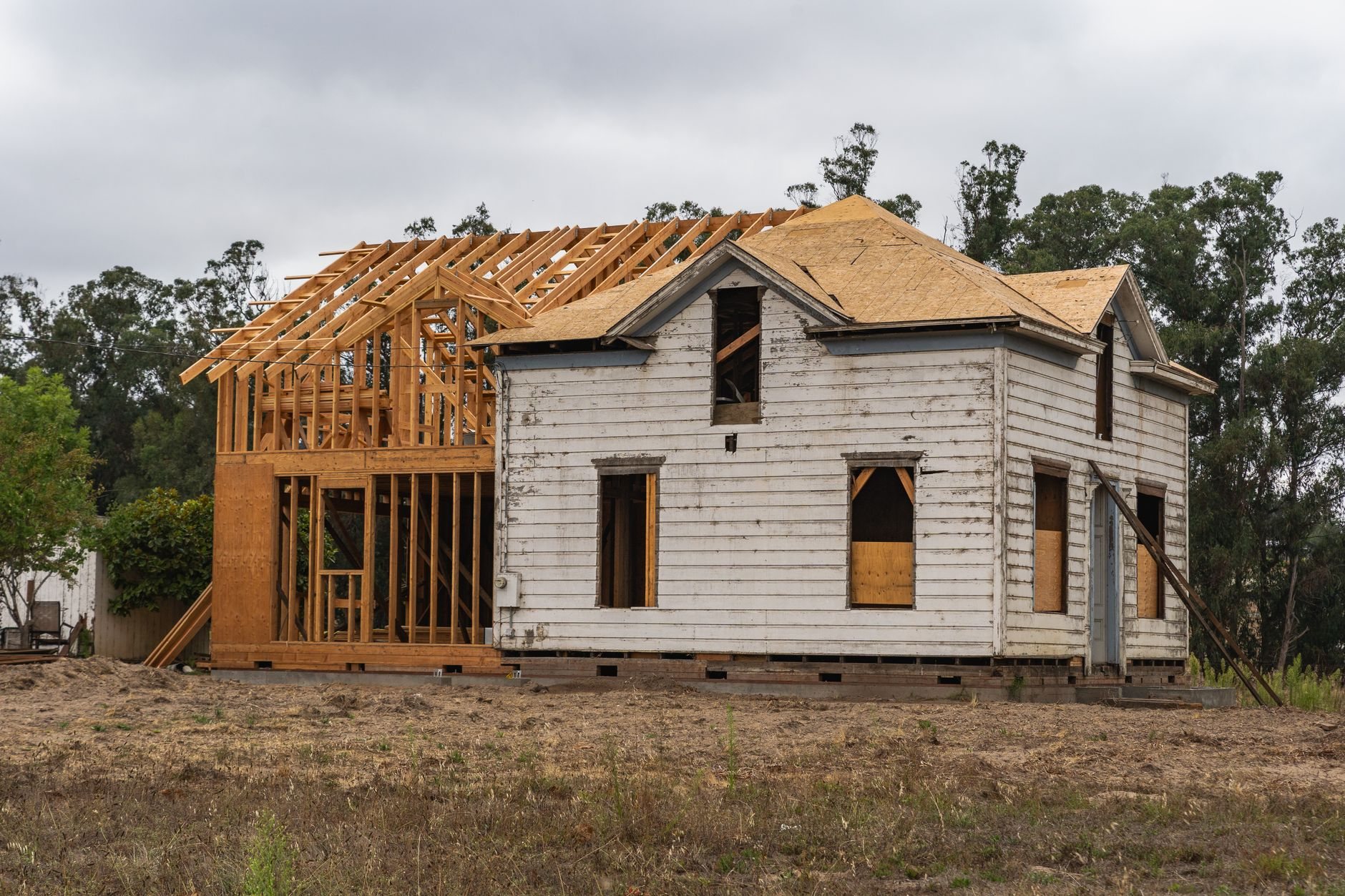
A code correction is the right scope when the system is basically sound and a defined list of items is wrong: a city inspector red-tags a remodel, a buyer’s inspection report lists a dozen electrical findings before closing, an insurer wants proof a problem was fixed, or a circuit misbehaves and nobody can say why. The job ends when the list is cleared and the paperwork says so.
It stops being the right scope when the list is a symptom of the whole system. If corrections keep pointing back at an undersized or failing service, you’re looking at an electrical panel upgrade. If the findings are cloth or knob-and-tube wiring throughout, piecemeal fixes are money spent twice and a whole-home rewire is the honest answer. If the violations exist because a basement was finished without permits, re-permitting that space as remodel electrical work usually beats chasing items one at a time. We tell you which one you have before anyone prices anything. Good work should not require detective work — troubleshooting sometimes does, and we’re fine with that.
How we diagnose and clear a correction list
- Get the list in writing. The correction notice, inspection report, or insurer’s letter is the scope document. For a mystery fault, the licensed electrician’s diagnostic visit produces one — thermal readings at the panel, circuits traced box by box.
- Find the cause, not the symptom. A flickering circuit is usually a loose neutral, a backstabbed receptacle, or a corroded connection — not the fixture. A breaker that trips every January is usually a space heater sharing a 15-amp circuit with half the bedroom.
- Correct to current Utah-adopted code. Each item is fixed the way an inspector expects to see it: proper box fill, listed connectors, nail plates where cable passes framing, GFCI and AFCI protection where required.
- Re-inspect and document. We schedule the re-inspection, meet the inspector, and hand you the closed permit or a written correction summary — what a buyer, lender, or insurer actually wants.
- Patch what we opened. Access holes, drywall, and paint are in the same scope, so a two-item fix doesn’t leave six holes.
The corrections that come up most in Utah County and Salt Lake County
- Double-tapped breakers and overfilled boxes. Two conductors under one breaker screw, or a box holding more wire than it’s rated for. Common in homes that gained a basement, hot tub, or shop circuit one weekend at a time.
- Missing GFCI and AFCI protection. Kitchens, baths, garages, unfinished basements, and exterior outlets are the usual gaps. Current Utah-adopted code requires protection in more places than older editions did, so a house that passed in 2005 can have a legitimate list today.
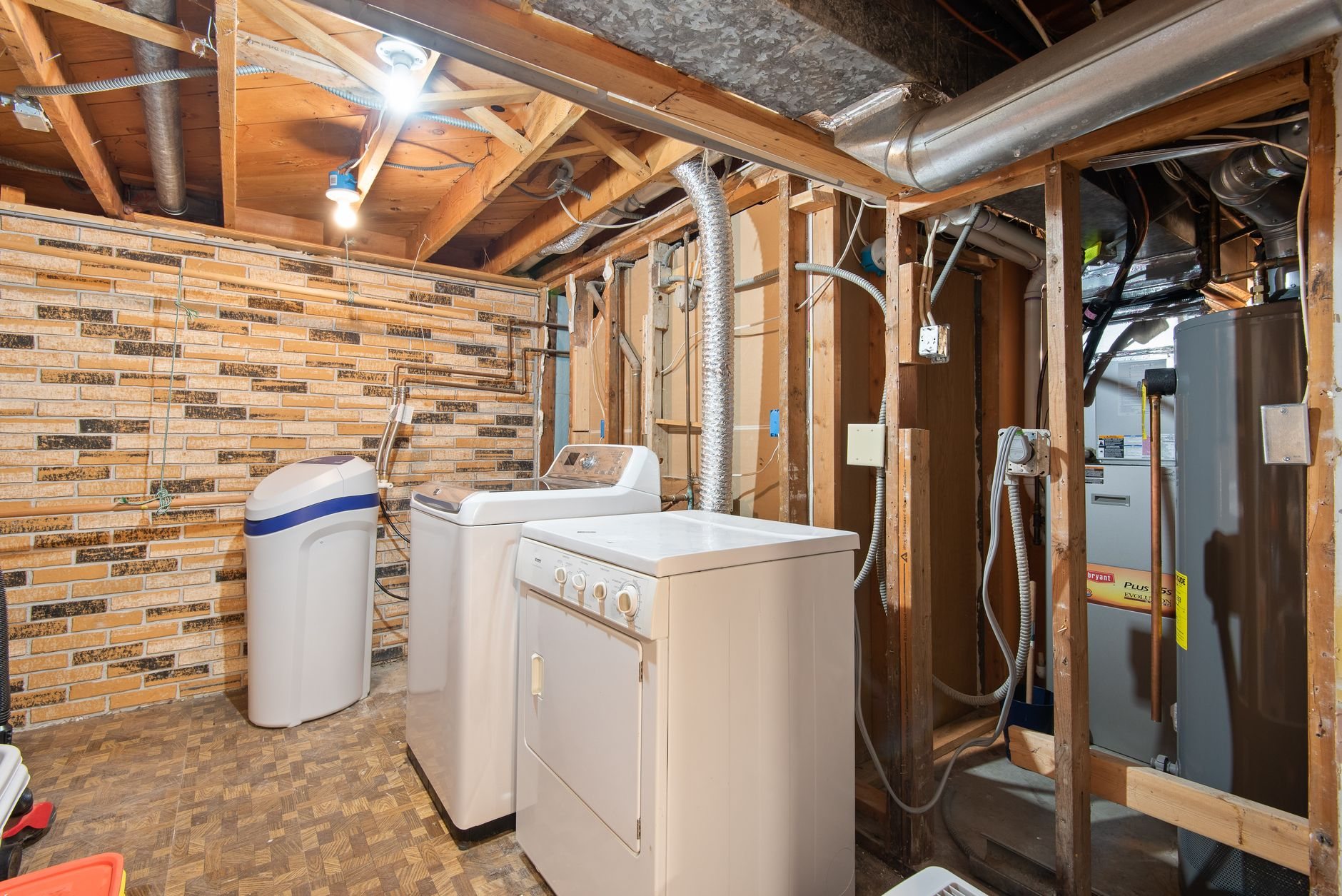
- Buried or uncovered junction boxes. Splices hidden behind drywall or left open in a crawl space. Frequent in unpermitted basement finishes — and Utah has a lot of finished basements.
- Ungrounded three-prong receptacles. Older Provo, Orem, and Salt Lake City homes with two-wire circuits and modern outlets on top. Corrected with GFCI protection and labeling, or a grounded circuit.
- Aluminum branch-circuit wiring. Homes from roughly the mid-1960s to early 1970s. Corrected at every termination with listed connectors or aluminum-rated devices — not just the one outlet that’s warm.
- Weather-damaged service masts. Canyon-wind events along the Wasatch Front — the Centerville and Farmington gusts especially — bend masts and pull weatherheads loose. The utility owns the drop; the mast, meter base, and attachment are yours to correct.
Every electrician we bring in is a Utah-licensed specialty contractor, verifiable — like us — at dopl.utah.gov. If the list grows into a capacity problem, a sub-panel or service upsize gets scoped as its own line, not slipped in.
What does electrical code correction cost in Utah?
As ballpark planning numbers, not a quote: a diagnostic visit for a mystery fault typically runs $150–$400 along the Wasatch Front; single corrections like a GFCI swap or a double-tap fix land around $100–$400 each; clearing a home-inspection punch list of eight to fifteen items usually falls between $800 and $3,500 depending on access. It becomes a written estimate once the list is in hand.
What pushes it up: finished ceilings opened to reach splices, aluminum wiring needing every termination addressed, and corrections that reveal a panel at end of life. What keeps it down: an itemized report, open access, and bundling corrections with work already planned — a basement finish under our renovation umbrella is the cheapest time to fix what’s behind the walls.
Questions we actually get
Do you do the electrical corrections yourselves?
No. Utah requires electrical work to be performed by licensed electrical contractors. Grandview holds the contract, brings in licensed electricians, and coordinates, sequences, and quality-checks their work — including the patching and re-inspection scheduling the correction creates.
Can you clear the electrical items on my home-inspection report before closing?
Yes — it’s one of the most common reasons we’re called. Send the report; we price the electrical findings as an itemized list, fix them with a licensed electrician, and return a written correction summary for the buyer, agent, or lender. Closing timelines are tight, so call early.
Does fixing a code violation need a permit in Utah?
Usually, if it involves new circuits, a panel, or correcting work that was itself unpermitted. Like-for-like device swaps often don’t. If the violation came from a city inspection, the fix happens under the open permit. Rules vary by city, so we confirm with your building department — Provo and Salt Lake City run differently from Lehi or Saratoga Springs.
What if the troubleshooting finds something bigger?
We stop and tell you before spending your money. If the diagnostic points at a failing panel, aluminum wiring throughout, or a service that can’t carry the loads you’ve added, we scope it honestly as a systems project with its own estimate rather than billing corrections that won’t hold.
Tell us what you’re working on
We reply within a couple of hours during business hours — a day at most. You’ll get a straight read on scope, sequence, and budget before anyone commits to anything.