
Basement Waterproofing + Finishing Combos
A waterproofing-and-finishing combo is one contract that first stops water at the foundation — grading, drainage, sump, membrane — then finishes the basement on a verified-dry slab. It’s for Utah County and Salt Lake County basements that have already shown water; Grandview builds both halves under a Utah DOPL B100 license.
When waterproofing and finishing belong in one contract
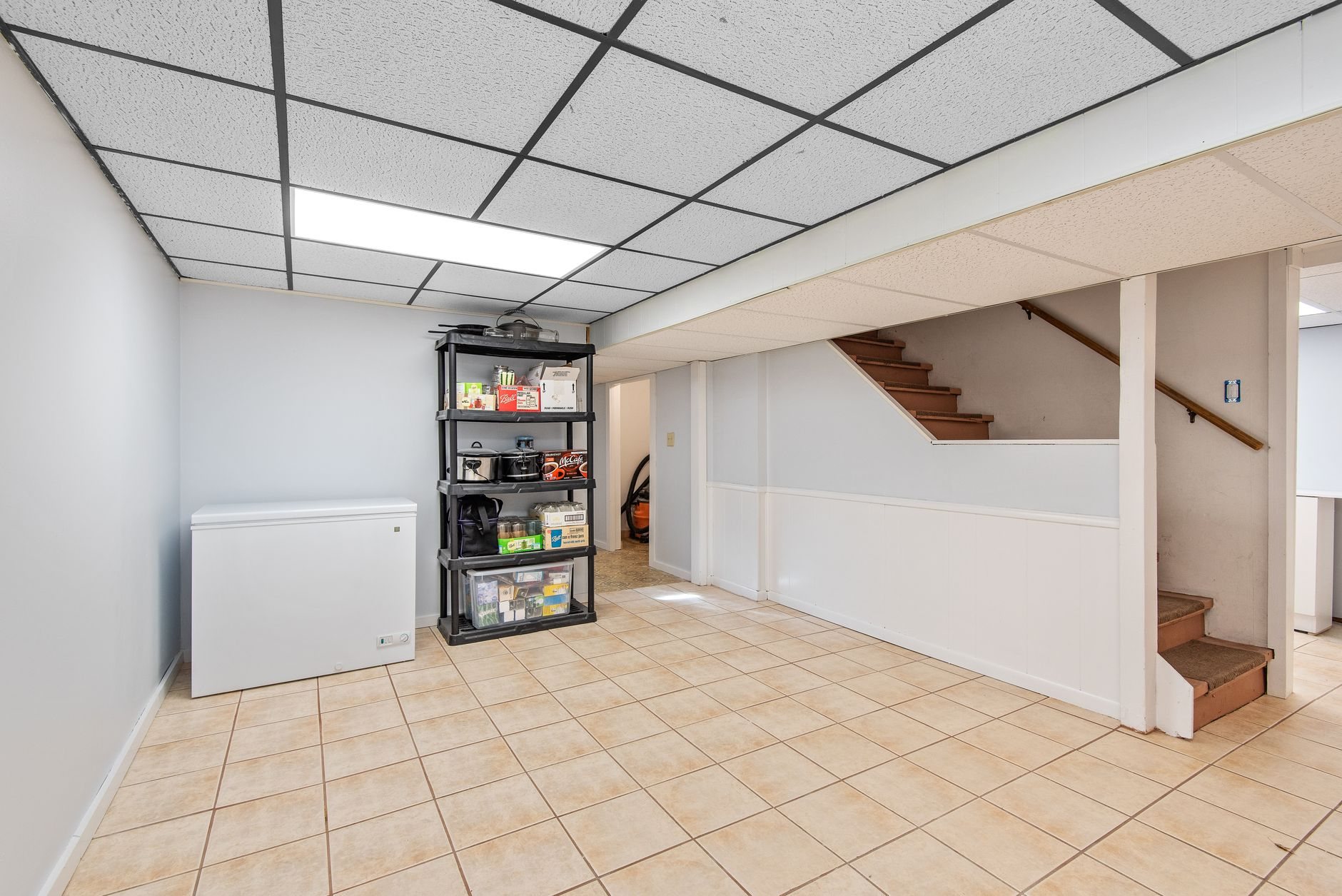
Every basement we finish gets a moisture check. The combo is for basements that have already failed one: a damp line at the base of the wall each April, a crack that weeps after a cloudburst, a sump that runs for weeks in spring. That’s a water path, and a water path gets rebuilt, not painted over.
If your basement has stayed dry through a couple of springs, a standard unfinished basement finish is the better fit and the cheaper one. If water shows up only at a window well, the well drain is usually the culprit, and our egress window work handles that alone. If the lower wall is exposed on a sloped lot, a walkout basement finish has its own drainage logic at the threshold. The combo is for water reaching the slab from more than one direction, or from nowhere anyone can name.
Bundling matters because the finish depends on the waterproofing: where the drain runs decides where framing sits, and where the sump goes decides where the mechanical room wall goes. One scope, one party responsible if the carpet ever gets wet.
What the waterproofing half actually involves
We start outside, because most Wasatch Front basement water is a surface-water problem wearing a groundwater costume. Downspouts dumping at the foundation, grade settled back toward the house, and window wells with no working drain cause a large share of wet basements, and fixing them is cheap.
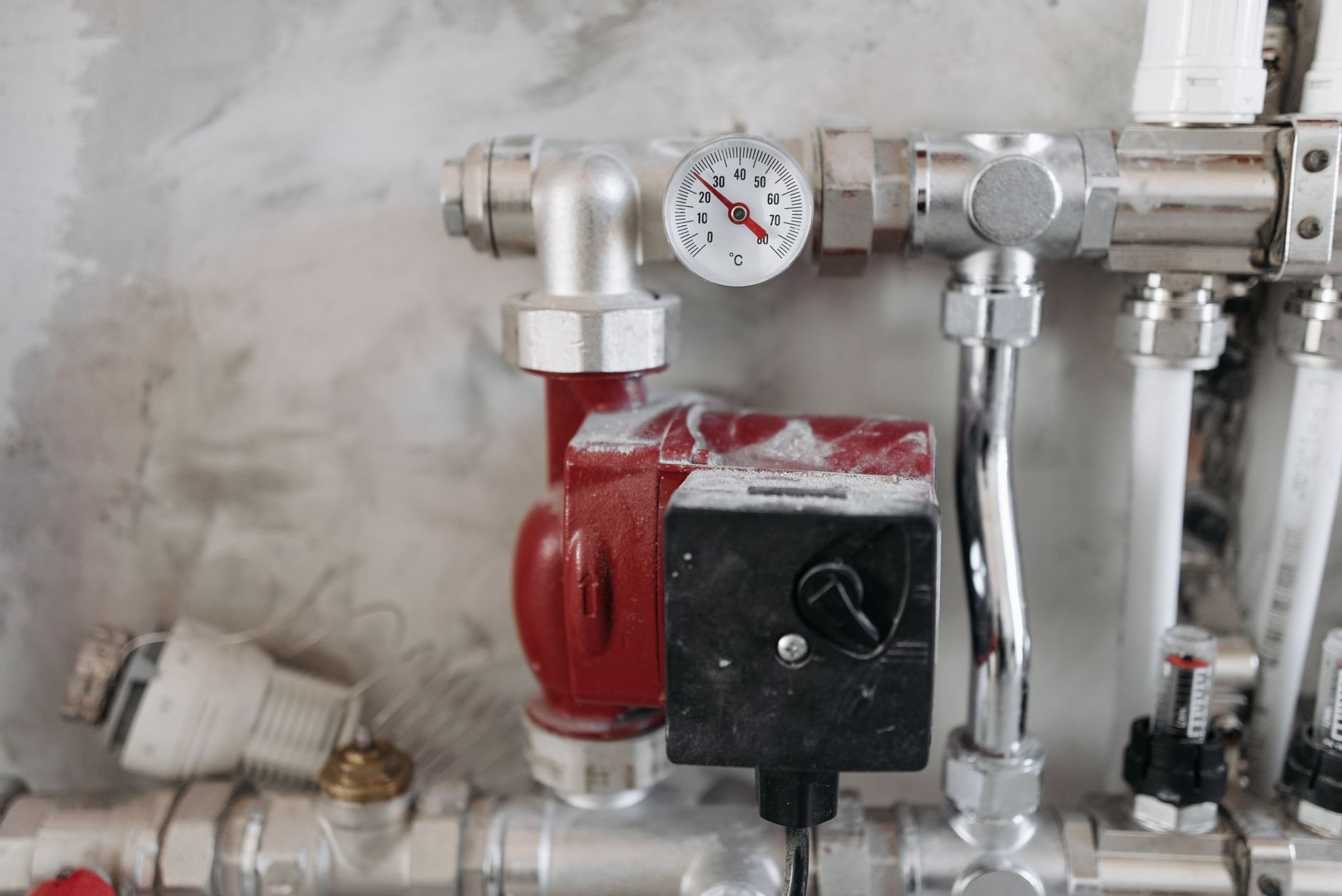
When water is genuinely coming through the wall or up at the cove joint — the seam where slab meets footing — the fix moves inside. We saw-cut a channel around the slab perimeter, set perforated drain pipe in washed rock below slab level, tie it to a sump basin, and re-pour the slab edge. Walls get a dimpled membrane that sends seepage down into the channel instead of across the room. The sump gets a cast-iron or stainless pump, check valve, sealed lid, and a discharge that daylights well away from the house. A battery backup is worth it on any lot that loses power in canyon-wind storms.
Shrinkage cracks that weep get urethane injection. Cracks that are opening, offset, or stair-stepping through block are a structural signal, and we run our foundation repair evaluation before any membrane goes on. Much of the Wasatch Front sits on expansive clay and collapsible soils that swell wet and shrink dry, which is why a crack tight in August can leak in April.
Exterior excavation and membrane is the heavier option, right when the wall itself is deteriorated; our foundation waterproofing page covers that scope.
How the two halves sequence
- Diagnose. Map where water shows up, check grade and downspouts, moisture-meter the slab, inspect the cove joint, test for radon. If the source isn’t obvious, we wait for a storm rather than guess.
- Design both halves together. Drain path, sump, and discharge go on the same plan as framing and bathroom rough-in, priced as one scope.
- Exterior corrections first. Grading, downspouts, well drains. Then we wait for weather and see what changed.
- Interior drainage and slab. Perimeter saw-cut, drain tile, sump and pump, wall membrane, crack injection, slab edge re-poured. Any bathroom drain cut happens in the same pass.
- Dry-out. Slab moisture readings have to settle before finish starts. That takes weeks, and we don’t skip it to hold a date.
- Finish on a moisture-tolerant plan. Framing held off the wall to clear the membrane, rigid or closed-cell foam instead of batts against concrete, moisture-resistant drywall on the bottom course, flooring rated for below grade.
- Close-out. Sump cycle test, discharge check, permit final, and a walkthrough on what to listen for.
A sump pit is an opening to the soil, and Utah sits on high-radon geology. We seal sump lids as standard; where tests call for it the pit becomes the suction point for a mitigation fan, a conventional approach per the EPA.
What does basement waterproofing plus finishing cost in Utah?
As ballpark planning numbers, not a quote: interior perimeter drainage with a sump typically adds roughly $8,000 to $20,000 on top of a standard finish, depending on linear feet of wall and whether the pump gets a backup. The finish half prices like any basement finish, plus a modest premium for moisture-tolerant materials.
- Interior versus exterior. Interior drainage manages water that gets in; exterior membrane stops it at the wall, at a higher price.
- Perimeter length. Saw-cutting and re-pouring are priced by the foot.
- Discharge route. A short run to daylight on a bench lot is simple; a flat valley-floor lot may need a long buried line or a dry well.
- Structural cracks. Injection is modest. Piers or wall reinforcement is a separate line item.
If the plan includes a bathroom, its slab cut belongs in the same pass as the drainage — see basement bathroom additions. This is one of the narrower scopes in our renovation and build-out work.
Questions we actually get
Can’t I just seal the inside of the wall and finish over it?
Waterproof paint holds back damp, not water under pressure. On a wall that’s actively leaking, the coating blisters, the water finds the next crack, and now it’s behind drywall. Managed drainage gives water somewhere to go, which is the difference between dry for decades and dry until the first wet spring.
How long does the slab need to dry before you can finish?
New concrete at the drain channel needs to cure and release moisture before flooring goes down — typically several weeks, longer in winter. We take slab moisture readings and start the finish when the numbers are right, not when the calendar says so. Rushing this is how a waterproofed basement ends up with cupped flooring.
What drives the cost up the most?
Going exterior. Excavating to the footing, applying membrane and drain board, replacing the footing drain, and restoring the yard costs considerably more than interior perimeter drainage. After that: discharge distance on flat lots, structural crack repair, and a battery backup pump.
Tell us what you’re working on
We reply within a couple of hours during business hours — a day at most. You’ll get a straight read on scope, sequence, and budget before anyone commits to anything.