
Storm damage repair for Utah homes & rental properties
When wind, hail, or a monsoon cloudburst damages a roof, siding, or fence, Grandview repairs it under one licensed B100 contract — temporary protection first, photos and measurements throughout, and honest supplement paperwork when the damage runs deeper than the first estimate. We work with your insurance carrier, not around it.
Homeowners with a tarp, managers with a list
Storm calls come in two shapes. The first is a single property with obvious damage: shingles in the yard after a canyon-wind event, a fence flattened along the west line, a window well that took an inch of monsoon runoff into the basement. The owner wants two things — the building watertight today, and a straight answer on whether this is a claim or a checkbook repair.
The second shape is a portfolio. A property manager wakes up to the same windstorm across six buildings and needs damage triaged, documented, and repaired in an order that protects the buildings first and the budget second. We photograph every affected address, rank the urgent work, and hand back a written scope per property so the owner or carrier sees exactly what happened where.
Either way, the first move is the same: stop the loss from growing. If your roof is open right now, our emergency stabilization and board-up crew handles tarping and temporary weatherproofing, then the repair scope follows.
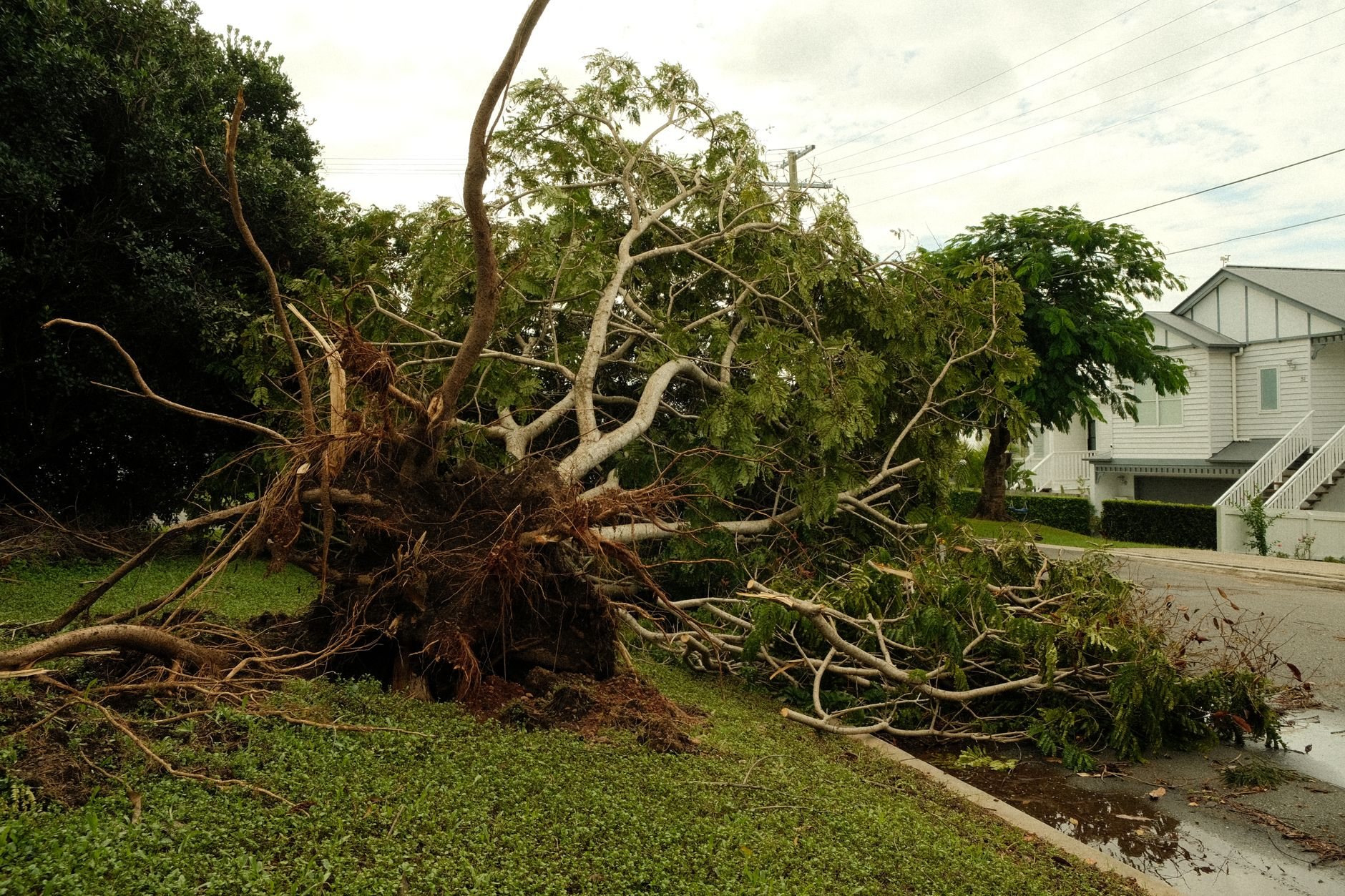
What does storm damage repair include?
Storm damage repair covers the building envelope and site elements that wind, hail, and heavy rain actually hit: roofing repair or replacement, siding and fascia, gutters and downspouts, fencing, windows, and the interior damage that follows water through a breach. Grandview scopes it as one project under one contract, so the roof, the siding, and the stained ceiling below don’t become three separate headaches.
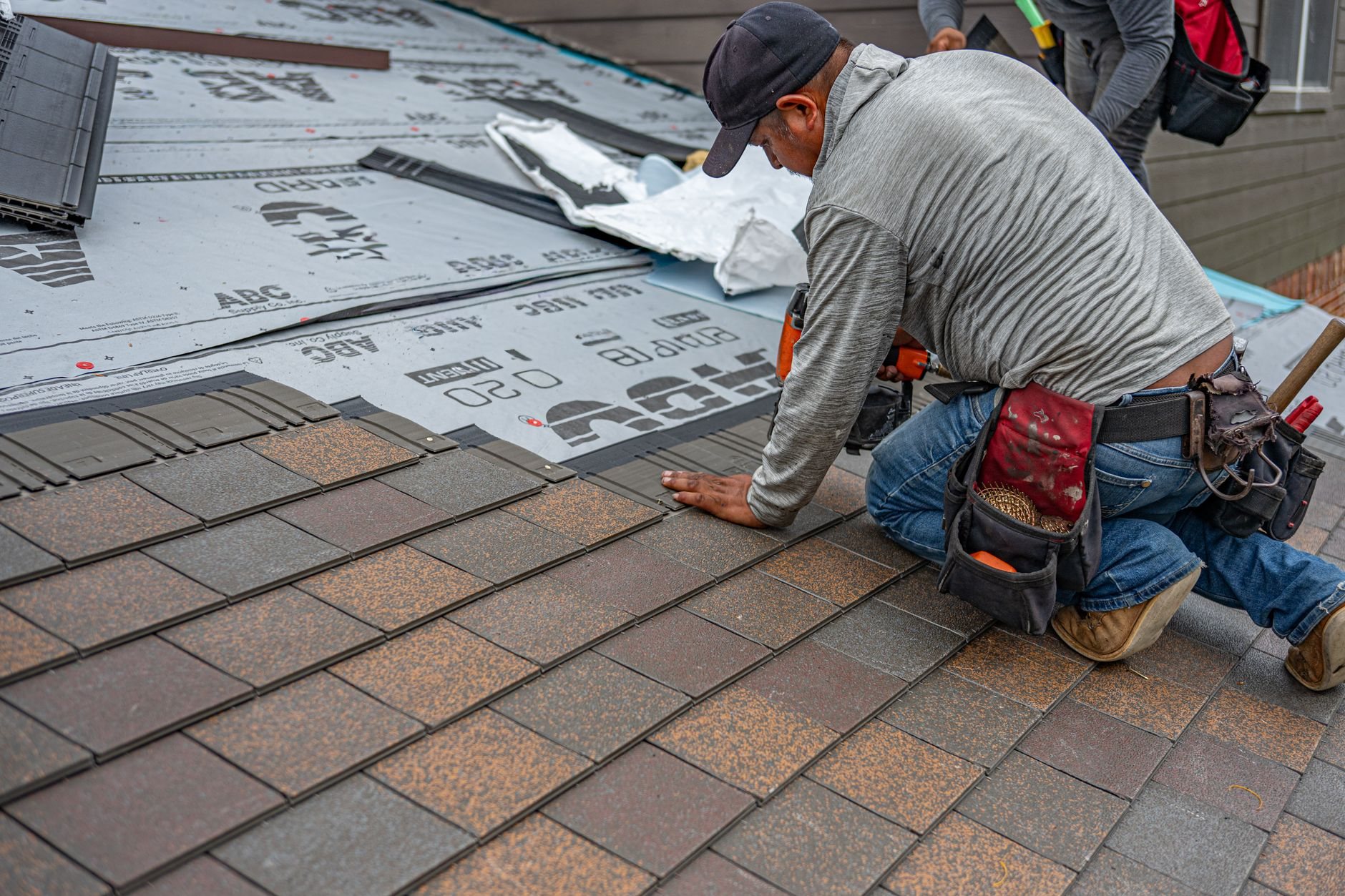
- Roof repair and full replacement — asphalt shingle, metal, and flat membrane, fastened to current Utah-adopted code rather than the schedule that just failed
- Siding, soffit, and fascia repair, including sourcing and color-matching for weathered material
- Gutter, downspout, and drainage repairs — often the quiet cause of the “storm” damage in the basement
- Fence and gate rebuilds, from a few blown-over sections to full runs
- Window, skylight, and exterior door replacement after impact or wind damage
- Interior repairs behind the breach — insulation, drywall, paint, and flooring
Where storm damage reaches electrical equipment — a service mast pulled off the house, a damaged panel — Grandview holds the contract and manages licensed electricians; we coordinate, sequence, and quality-check their work within the same repair project. If wind-driven rain or a failed window well saturated finished space, that scope moves through our water damage restoration process, still under the one contract.
How a storm repair runs, start to finish
Storm work rewards sequence. Tarping before documentation loses evidence; documentation before tarping loses drywall. Here is the order we run, and why.
- Stabilize. Tarp the roof, board the openings, and get standing water moving away from the structure. Carriers expect owners to prevent further loss, and these costs are typically claimable — keep the receipts.
- Document. We photograph and measure everything before repairs alter it: creased shingles, hail bruising, displaced fasteners, water paths inside. This record is what the claim stands on.
- Scope in writing. A room-by-room, elevation-by-elevation repair scope you can hand to an adjuster or simply approve yourself if the damage isn’t worth a claim.
- Align with the adjuster. On insured losses we reconcile our scope against the carrier’s estimate line by line before work starts, so nobody discovers a budget gap in week three.
- Repair. Permits where the work touches structure or systems, trades sequenced, and hidden damage documented as supplements the moment it surfaces.
- Close out. Final photos, a punch walk, and a documentation package for your records and your carrier’s.
One note on timing that’s specific to this climate: the Wasatch Front sees roughly a hundred-plus freeze-thaw days a year, and a lifted shingle or cracked flashing that’s merely cosmetic in October is feeding an ice-dam leak by January. Small storm damage doesn’t stay small here. Repair it in the same season it happened.
How does the insurance supplement process work?
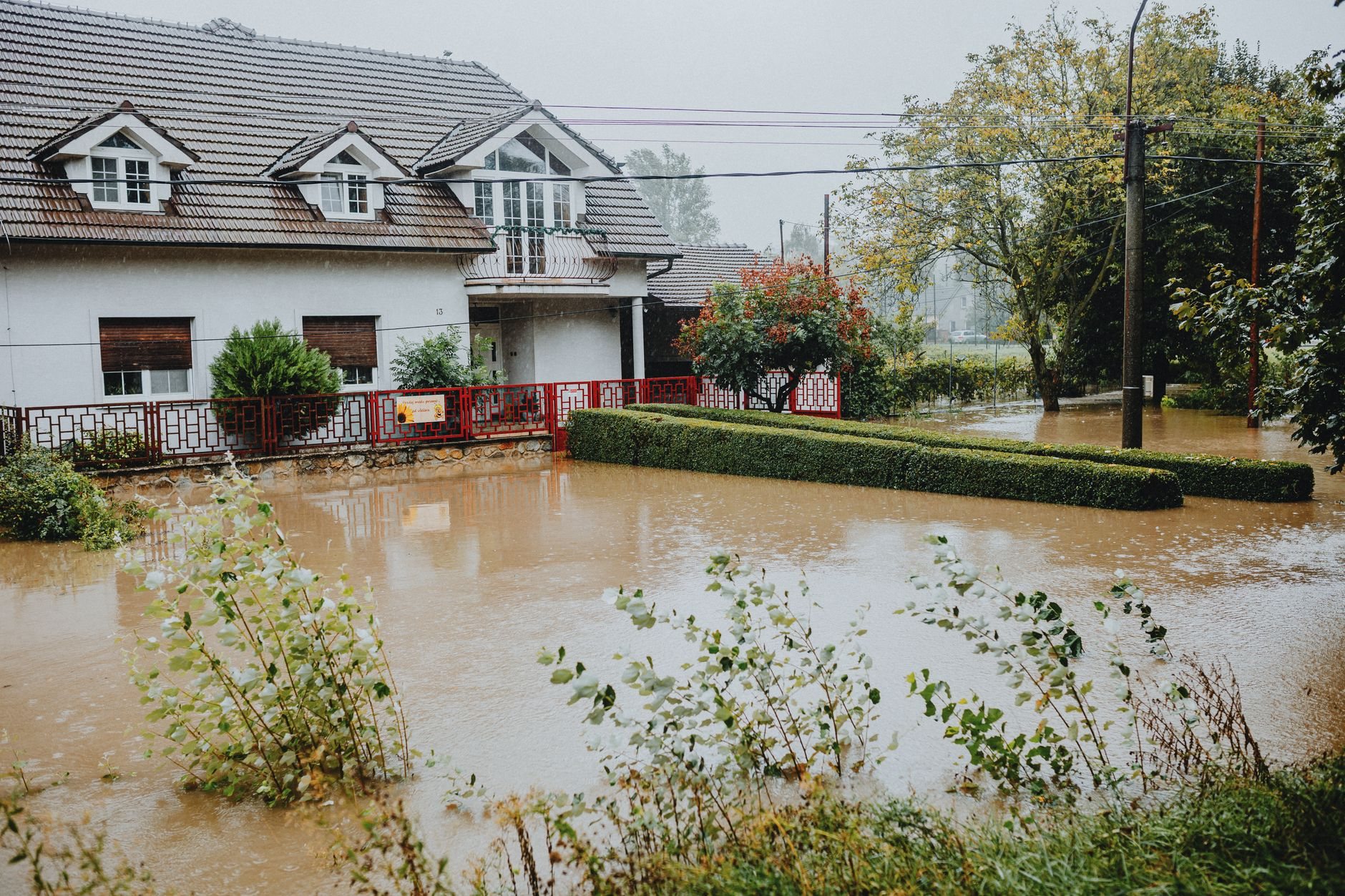
An adjuster’s first estimate comes from a walkaround, sometimes a drone pass — not from opening the roof. When repairs reveal damage the initial scope missed, such as rotted decking under wind-stripped shingles or wet insulation behind siding, we document it with photos and measurements and submit a supplement to the carrier for approval before that work proceeds. You see every page we send.
Supplements are a normal part of storm claims, not a fight. Carriers expect them; what they don’t accept is undocumented ones. Because we photograph before, during, and after, and write scopes in the same line-item language adjusters use, our supplements tend to move rather than stall. If the carrier declines an item, you get the finding in plain English and a decision to make — not a surprise on the final invoice.
A related caution, because it matters after every major windstorm here: crews canvassing neighborhoods will sometimes offer to “cover your deductible.” That’s insurance fraud with your name on the claim. Your deductible is yours regardless of who does the work. Any Utah contractor should be verifiable at dopl.utah.gov — ours is B100 license #14282236-5501 — and a bid that only works if the paperwork bends is not a bid worth signing.
What does storm damage repair cost in Utah?
As ballpark planning numbers — not quotes — localized shingle repairs typically run from several hundred dollars to around $3,000; full asphalt roof replacement on a typical Utah single-family home commonly lands between $10,000 and $25,000; and wood or vinyl fence rebuilds often price in the range of $25–$60 per linear foot. Your written scope replaces these ranges with real numbers.
What moves the price, in rough order of influence:
- Repair versus replace. Scattered wind damage on a young roof repairs economically. Widespread hail bruising or brittle, UV-aged shingles — and Utah’s elevation ages exterior finishes fast — usually argue for replacement.
- Roof pitch, height, and layers. Steep, tall, or double-layered roofs add labor, safety setup, and disposal.
- Material matching. Discontinued siding profiles or shingle colors mean sourcing hunts, larger replacement areas, or a carrier conversation about matching — all of which move cost and schedule.
- Code-required upgrades. Replacement work must meet current Utah-adopted code even where the original didn’t — underlayment, fastening, and ventilation are the usual line items. Ordinance-or-law coverage on your policy is what pays for this, if you carry it.
- Wind exposure. On lots exposed to canyon winds — the same east-wind pattern that has stripped roofs from Centerville to the point of the mountain — we spec higher-wind-rated shingles and tighter fastening schedules. It costs modestly more and it’s why the repair holds through the next event.
- Interior chase. Water that reached insulation, drywall, or flooring adds interior scope that pure exterior bids miss.
For owners who’d rather not meet us this way twice, our property maintenance programs catch the loose flashing and failing sealant that turn the next storm into a claim.
Questions we actually get
Should I file an insurance claim for storm damage?
Only if the repair cost meaningfully exceeds your deductible. A $1,200 fence repair against a $2,500 deductible is a checkbook job, and filing can still affect your record. We give you a written repair number first, so you can make the claim decision with real figures instead of guesses. The choice is always yours.
How fast can you get a tarp on the roof?
Emergency tarping and board-up run ahead of the normal schedule — call (385) 236-1741 and we’ll give you an honest arrival window based on what’s already in motion. After a widespread wind event we triage by severity: open roofs and unsecured openings first, cosmetic damage after. Temporary protection costs are typically claimable, so keep the invoice.
Does hail damage always mean a new roof?
No. Hail bruising that fractures the shingle mat shortens roof life and usually supports replacement; cosmetic granule scuffing often doesn’t. The honest answer comes from getting on the roof and looking at test squares, which is what your adjuster will do too. We document what we find either way — including when the roof is fine.
What if my siding or shingle color is discontinued?
Common after wind events, since Utah’s UV intensity fades exteriors fast enough that even available product won’t match weathered walls. Options are sourcing reclaimed or close-match material, replacing a full elevation so the transition lands at a corner, or a matching discussion with your carrier. We price the options so you choose with numbers.
Why did the repair cost more than the adjuster’s first estimate?
Because the first estimate was written before anything was opened up. Rotted decking, saturated insulation, and code-required upgrades only show themselves during work. That gap is what the supplement process exists for: we document the added scope with photos and measurements and get carrier approval before proceeding, so the difference is funded, not absorbed by you.
Do you handle fences, sheds, and detached garages too?
Yes. Fences and gates, detached garages, carports, and outbuildings are all within scope, and on insured losses they’re usually covered under the “other structures” portion of a homeowner policy. We fold them into the same documented scope as the house, so the whole property comes back in one project instead of three.
Tell us what the storm left behind
Send photos if you have them; call if you don’t. We reply within a couple of hours during business hours — a day at most — with a straight read on urgency, scope, and whether this looks like a claim. Storm repair is one part of our full repair and restoration family, from fire reconstruction to unit turns.