
Turnkey Design-Build, From Concept to Keys
Turnkey design-build is a single contract that ends with keys in your hand: design, permits, construction, finishes, appliances set, utilities live, and a certificate of occupancy — nothing left on your list. Grandview runs the whole sequence under one Utah B100 general contractor license, for owners who want to make decisions, not manage a project.
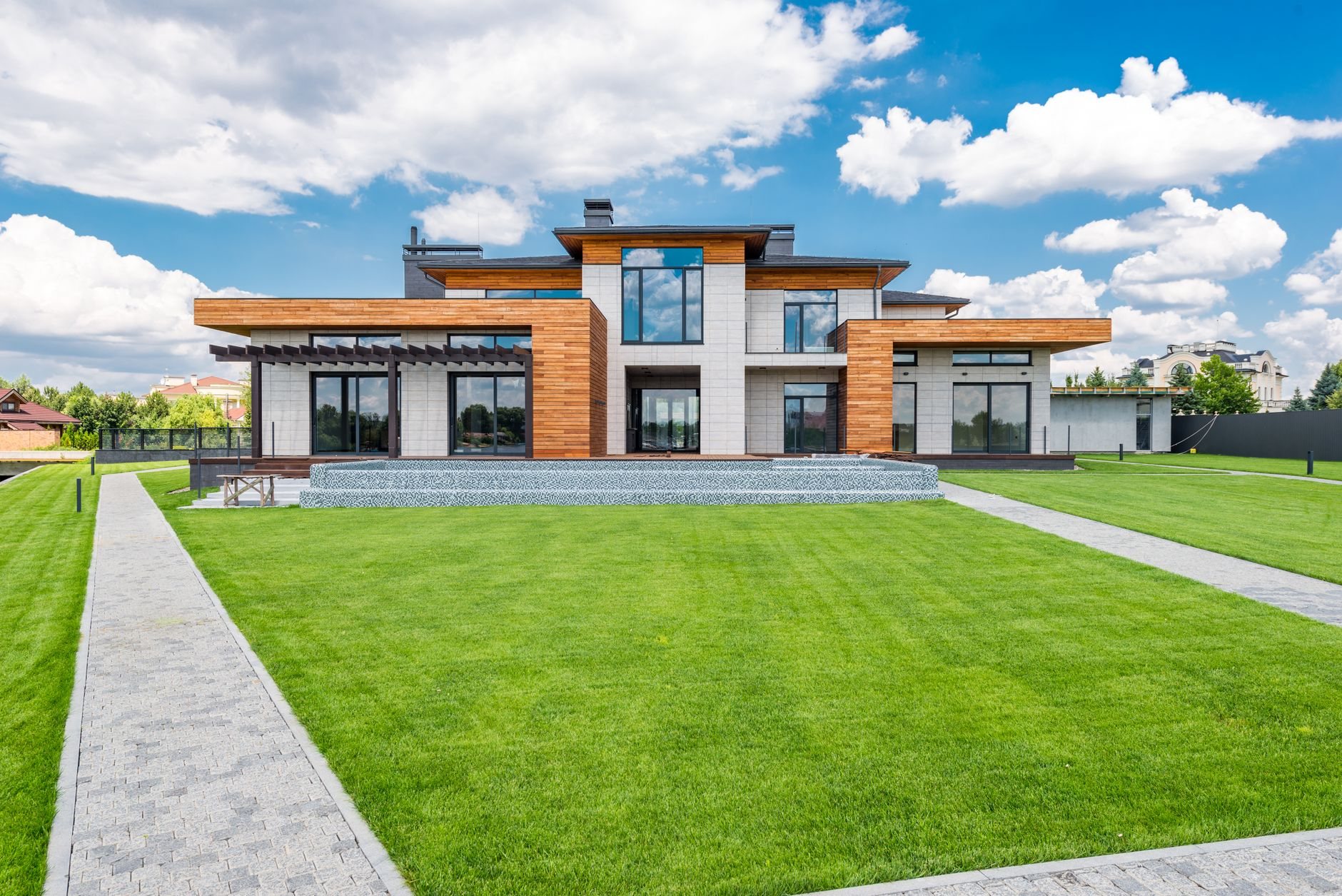
When turnkey is the right level of scope
Turnkey isn’t a different project type — it’s a completeness level. Our residential design-build and commercial design-build pages describe what we build; this page describes how far the contract reaches. A standard agreement can leave the owner holding pieces — landscaping, appliances, low-voltage, final cleaning. A turnkey agreement leaves the owner holding keys.
It fits three kinds of clients best. Owners who live out of state or travel constantly. Owners relocating on a date — a job start, a school year, a lease expiring — who need “move-in ready” to mean exactly that. And investors who count carrying costs by the day and want one accountable party between closing on a lot and collecting rent.
If you’d rather stay hands-on — hold some scopes yourself, or bring your own designer — turnkey is the wrong fit on purpose. Design-assist covers projects where your own design team leads and we price alongside. We’ll tell you which structure your project actually needs.
What “concept to keys” actually covers
The defining document of a turnkey project is the completion definition — a written list of what “done” means, agreed before design starts:
- Feasibility work up front — on raw ground, a geotechnical report first, because expansive clay and collapsible bench soils along the Wasatch Front should shape the footing design, not the change-order log
- Full architectural and structural drawings through our partnered design team, priced as they develop
- Permits, plan review, and inspections in your jurisdiction, sequenced around that city’s actual review pace
- Construction of the complete building on our Utah DOPL B100 license (#14282236-5501, verifiable at dopl.utah.gov)
- Electrical, plumbing, and HVAC by licensed trade contractors — Grandview holds the contract and coordinates, sequences, and quality-checks their work within the project
- Everything a standard contract tends to orphan: appliances delivered and installed, garage door openers programmed, low-voltage terminated, mailbox set, house numbers on
- Exterior completion — driveway and walks in air-entrained mixes suited to the Wasatch Front’s 100+ freeze-thaw days a year, final grade, and base landscaping
- Certificate of occupancy, professional cleaning, a zero-item punch list, and a handover binder: warranties, as-builts, and equipment manuals
What turnkey doesn’t include unless we add it deliberately: furniture, décor, and anything you’d take with you when you move. The line is drawn in the contract, not discovered at the end.
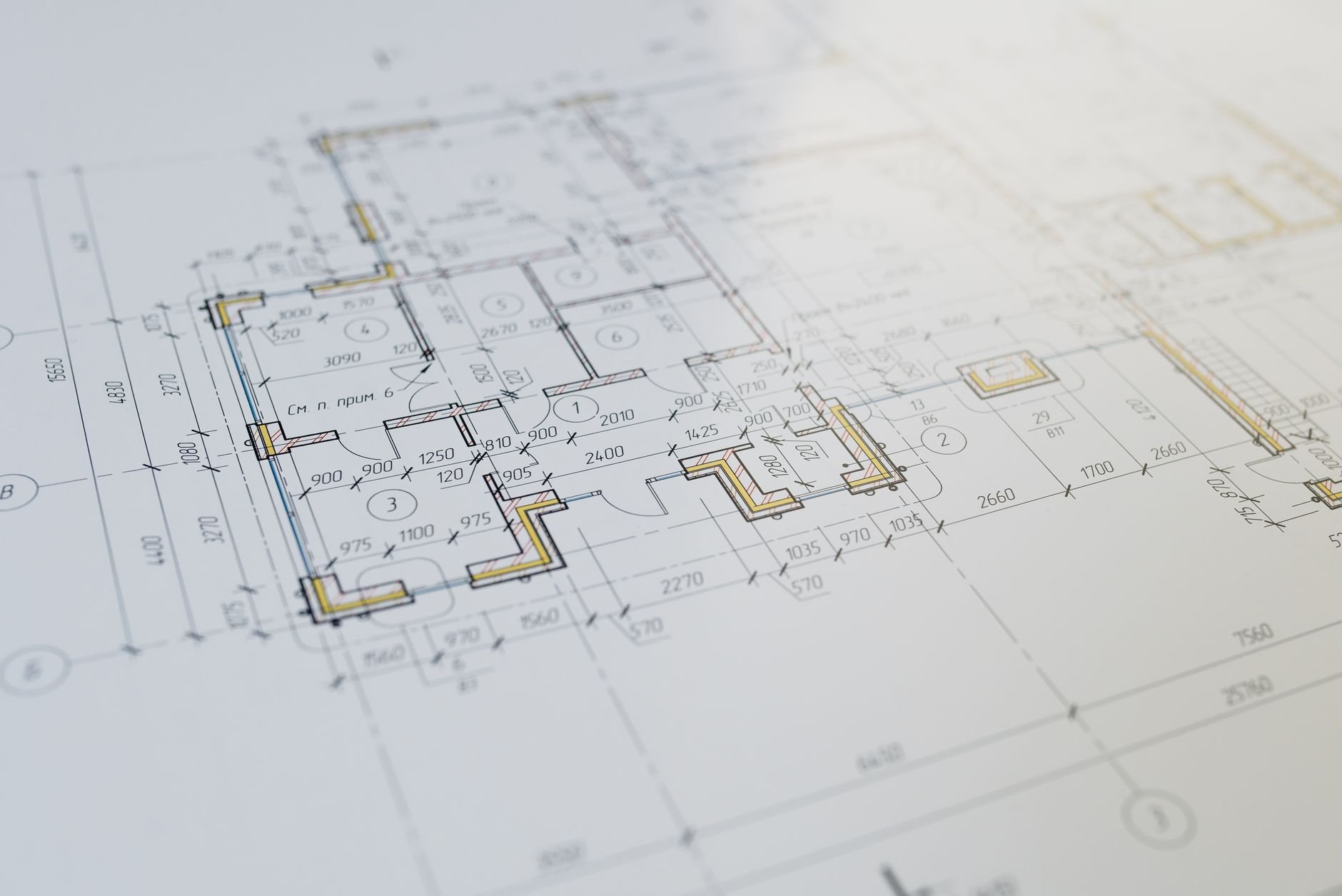
How one scope survives from sketch to occupancy
The failure mode of “turnkey” projects is scope that quietly leaks back to the owner. We prevent that with sequence, not slogans.
- Define done. The completion definition is written and signed before design money is spent. If it’s not on the list, it’s not in the price — and if it should be, we add it now.
- Batch the decisions. You get a decision calendar: every selection — from roofing to door hardware — with a date and a default. Miss a date and the default proceeds, so the schedule never waits on a faucet.
- Convert allowances early. Allowance line items become real selections during design development, while swapping is still free. An allowance that survives into construction is a budget risk wearing a nicer name.
- Close the jurisdiction loop. Occupancy needs more than a final inspection — utility releases, sometimes HOA sign-off. In HOA-dense developments around Lehi, Saratoga Springs, and Eagle Mountain, design-review approval goes into the schedule at the start, not the end.
- Hand over once. One walkthrough against the completion definition, certificate of occupancy in the binder, punch list at zero, keys across the table.
What drives turnkey cost in Utah
A turnkey contract prices the same building as a standard one, plus the scopes other contracts leave out — so it reads higher on paper while often costing less in total, because those orphaned scopes get bought once, competitively, instead of piecemeal after move-in. That’s a planning observation, not a promise.
What moves the number up: bench lots, which add snow-load design, retaining, and excavation scope the valley floor doesn’t carry; large landscaping and flatwork packages; appliance and finish tiers, which move cost faster than square footage; and winter completions, where exterior concrete and landscaping may need spring conditions to be done right. What moves it down: allowances converted to selections early, standard equipment sizes, and a completion definition that stays fixed. The interior finish package carries the densest decision set — think of a full kitchen remodel’s worth of selections — and gets the same pricing discipline.
Questions we actually get
What exactly triggers handover on a turnkey project?
Three things, together: the certificate of occupancy is issued, the punch list from your walkthrough is at zero, and every item on the signed completion definition is verified. Keys change hands once, when all three are true — not in stages, and not with a “we’ll come back for that” list.
Can I keep some scopes for myself and still call it turnkey?
You can keep scopes — but then it’s standard design-build with owner-held work, and we’ll write it that way. Turnkey pricing and turnkey schedule guarantees depend on us controlling the whole sequence. Owner-performed work is fine; it just moves accountability for those pieces, and their timing, back to you.
How do allowances affect a turnkey budget?
They’re the biggest cost variable in the contract. Each allowance is a stated dollar amount for an unselected item; pick above it and the difference is yours. We convert allowances to real selections during design development, so by construction start the turnkey price is built from actual products, not placeholders.
Does turnkey work for out-of-state owners?
It’s built for them. You get a named point of contact, scheduled photo and video updates, and decisions batched around your calendar rather than the jobsite’s. A few decision points still deserve an in-person visit — we’ll tell you which trips matter and schedule around them.
Where turnkey fits
Turnkey is the fullest-scope version of our design-build service, run by the same planning and project management team. Most turnkey projects are custom homes or complete commercial build-outs; for a lighter reach, start at the parent page.
Tell us what you’re working on
We reply within a couple of hours during business hours — a day at most. You’ll get a straight read on scope, sequence, and budget, and an honest answer on whether turnkey is the right reach for your project.