
Design-Assist Contracting
Design-assist brings Grandview into your project while your architect is still drawing — you keep your design contract, and we sit on your side of the table pricing, sequencing, and constructability-checking the drawings. It’s the right structure when the design team is already chosen but nobody has priced a line of it yet, and we carry it through construction under our Utah DOPL B100 license.
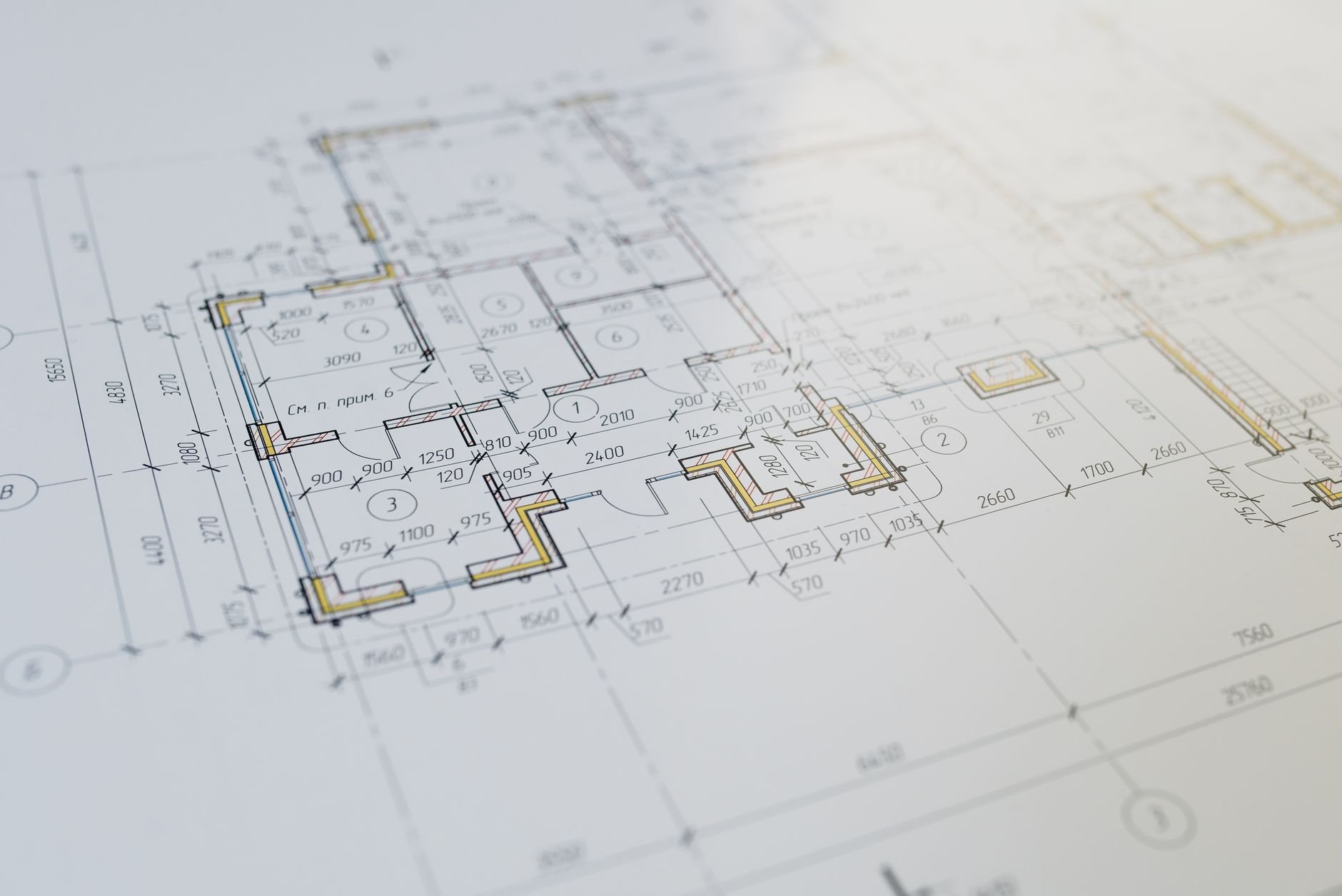
When design-assist is the right structure
The dividing line is who holds the design contract. In full design-build, Grandview holds it — architect and builder answer to you through one agreement. In design-assist, you or your architect hold it, and we join under a separate preconstruction agreement once schematic design is underway.
Choose design-assist when you’ve already engaged an architect you trust but the project hasn’t been priced and you don’t want bid day to be the first pricing it gets. If no architect is on board yet and you want one contract from sketch to keys, turnkey design-build or our in-house design-build arrangement is the cleaner path.
Design-assist also suits owners who want the option to walk. The preconstruction agreement stands alone, so you can take our estimates and comments and still bid the construction competitively. Most clients convert us to the construction contract — but the structure doesn’t force it, and we’d rather earn the build than trap it.
What the design-assist scope actually involves
Design-assist is a defined deliverable list, not a builder loitering in design meetings. A typical agreement covers:
- Milestone estimates at schematic design, design development, and construction documents — each built from real quantity takeoffs, not square-foot rules of thumb
- Constructability reviews returned as written comments on the drawing set: details that won’t survive an inspector, assemblies that fight the framing sequence, dimensions that don’t close
- A running value-engineering log — every cost-saving alternative we propose, what it saves, and what it trades away, so decisions are recorded instead of remembered
- Early trade input on mechanical, electrical, and plumbing routing; we bring our licensed trade partners’ questions into design development, when moving a chase costs an eraser instead of a change order
- Long-lead procurement flags — steel, switchgear, custom windows — caught during design so ordering can start early
- A permitting strategy matched to your jurisdiction, including whether an early foundation package makes sense
The distinction that matters legally: your architect stamps the drawings and carries design liability; we advise on cost and buildability. Design-assist doesn’t blur that line; it stops the two sides from meeting for the first time at bid opening.
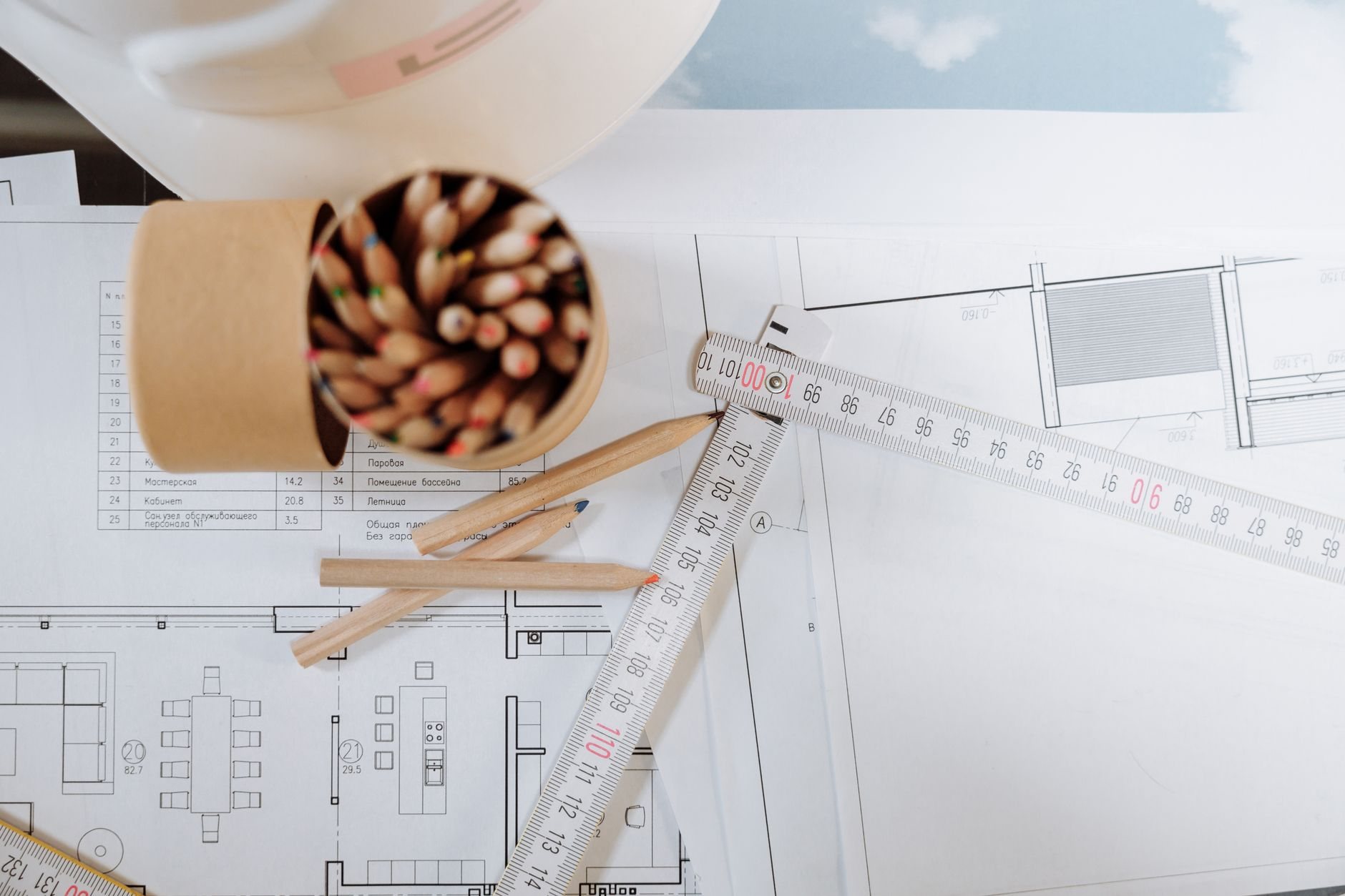
Why joining during design pays off in Utah
Design-assist is most valuable where site conditions can rewrite a design, and the Wasatch Front supplies plenty. Expansive clay and collapsible bench soils are common enough here that the Utah Geological Survey maps them as recognized hazards — so one of our first design-assist moves on raw ground is pushing the geotechnical report ahead of structural design, because a footing drawn before the soils report is a footing drawn twice. Bench lots add a second wrinkle: snow-load design requirements climb above valley-floor values, which changes roof structure and, with it, cost.
Jurisdiction pacing matters just as much. Fast-growth cities like Lehi, Saratoga Springs, and Eagle Mountain run heavy plan-review volumes while established Provo, Orem, and Salt Lake City departments tend to be more predictable — so we shape submittal strategy around your city’s actual queue while drawings are still moving. And since Utah adopted updated I-codes effective July 2026, our review comments are checked against current Utah-adopted code, which keeps plan review from becoming a correction cycle.
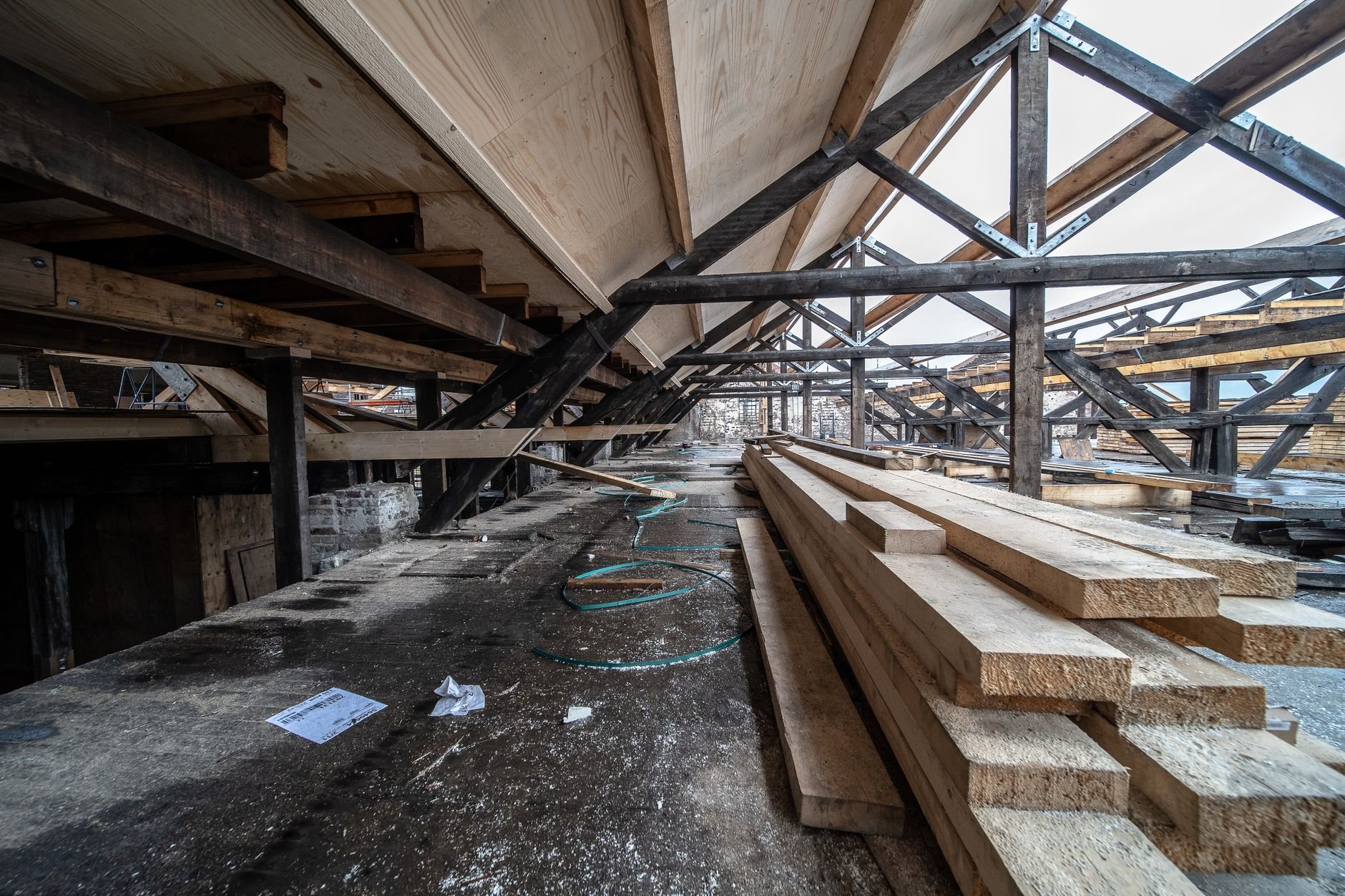
What does design-assist cost?
Design-assist preconstruction is typically a flat or hourly fee scaled to project size and design duration — on Utah residential and light-commercial work, plan on a fraction of one percent to roughly 1% of expected construction cost as a ballpark planning number, not a promise. When we convert to the construction contract, some or all of the fee is commonly credited against it; if you bid elsewhere, the fee pays for what you received.
What moves the fee up: long design schedules with many milestone re-estimates, structurally complex projects that need deeper trade-partner input, and jurisdictions with drawn-out review cycles. What keeps it down: joining at schematic design rather than mid-construction-documents, decisive owners, and a design team that answers comments quickly. If you only want numbers without the advisory role, straight preconstruction and estimating is the smaller purchase; if you want us managing the whole design-phase effort, that’s closer to construction management.
Questions we actually get
How is design-assist different from design-build?
Contract structure. In design-build, Grandview holds both the design and construction agreements. In design-assist, you keep your own architect under your own contract, and we join through a separate preconstruction agreement to price and review the drawings. Same early cost discipline, different lines of accountability.
When should the contractor join the design phase?
Schematic design is the sweet spot — early enough that structure, footprint, and systems can still respond to pricing, late enough that there’s something real to price. If you’re past schematics, call anyway; late is better than bid day.
Am I obligated to build with Grandview afterward?
No. The design-assist agreement stands alone, and you can take our estimates and review comments to competitive bid. Most owners do convert us to construction — the team already knows the drawings, and the fee is commonly credited — but the structure is built so you keep that choice.
Will design-assist step on my architect’s toes?
It shouldn’t, and run well it doesn’t. Your architect keeps design authority and the stamp; our comments arrive in writing as cost and buildability input, not redesign. Good design teams generally welcome it — a priced drawing set that clears plan review reflects well on everyone who touched it.
Where design-assist fits among our services
Design-assist is one engagement model within our design-build practice, part of the broader planning and project management family. Owners with commercial design teams often compare it against commercial design-build side by side. Construction, when we get there, runs on our B100 general contractor license — verifiable at dopl.utah.gov.
Tell us where your drawings stand
We reply within a couple of hours during business hours — a day at most. Send what your architect has so far and you’ll get a straight read on whether design-assist, design-build, or a simple estimate is the right next step.