
Pallet racking installation in Salt Lake City
Pallet racking installation is the layout, anchoring, assembly, and inspection sign-off of selective, drive-in, push-back, or cantilever rack systems inside an existing warehouse. Grandview installs new and relocated racking across Salt Lake County and Utah County under a B100 general contractor license, including the engineering, permit, and slab work a tall rack in seismic country tends to need.
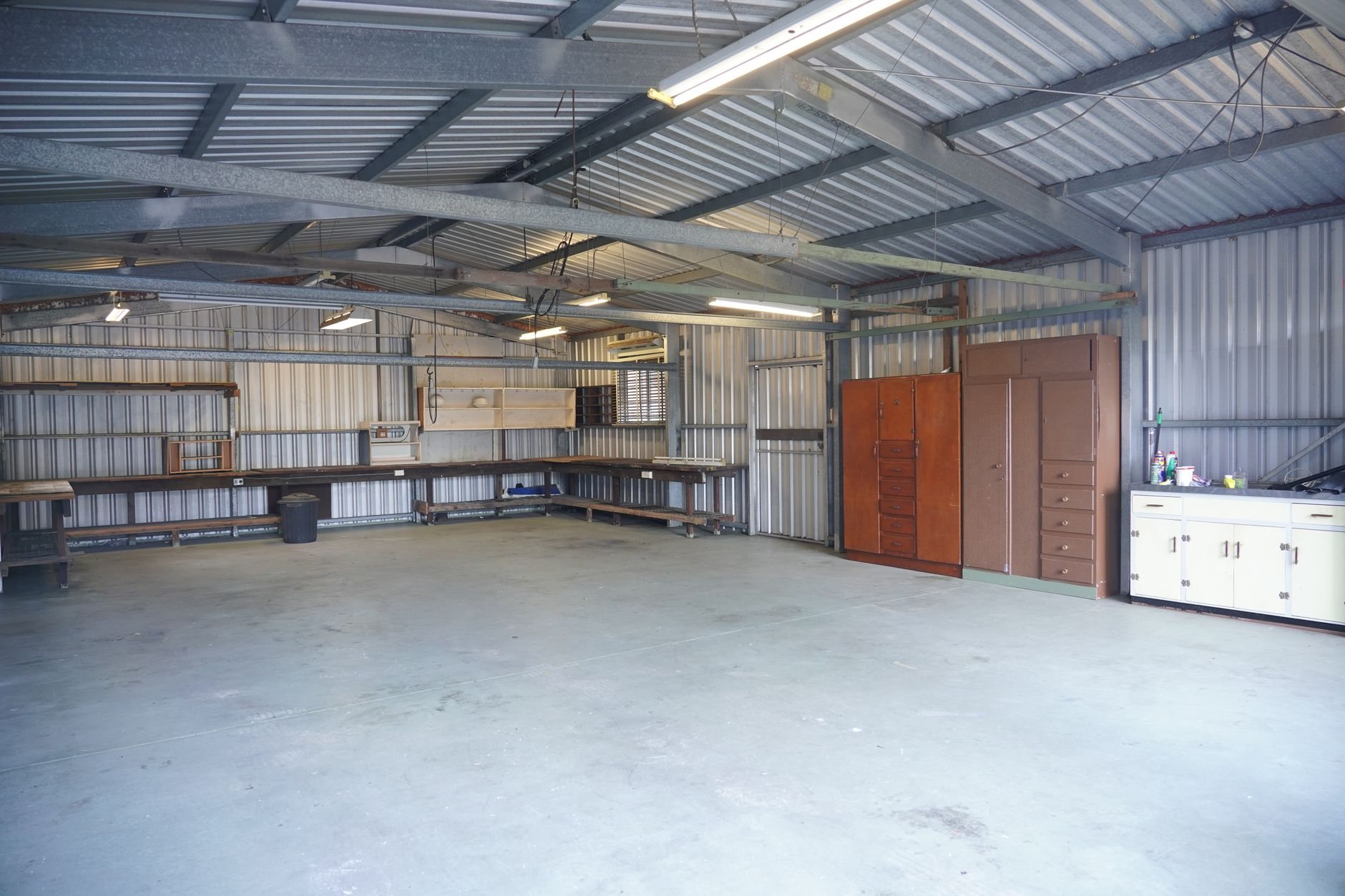
When racking is the right answer, and when it isn’t
Racking is the right move when you store palletized goods, run forklifts that can reach the top beam level, and need vertical pallet positions quickly. A selective rack row goes up in days, and when the lease ends you unbolt it and take it with you. That portability is why racking beats a permanent structure for most distribution and 3PL operations in the Salt Lake industrial corridor.
It is the wrong answer when you need walkable floor area. Pickers, packing stations, or offices in the air call for a warehouse mezzanine. If pallets will stack above 12 feet, or the product is plastics, aerosols, or other high-hazard commodities, you have crossed into a high-pile storage build-out, where the fire code sets the rules. And if trucks are the bottleneck rather than storage, fix the loading dock first.
What a racking installation involves
A rack system is a kit of parts: upright frames, load beams with locking clips, row spacers, wire decking, column protectors, end-of-aisle guards, and a lot of concrete anchors. The install is where those parts become a rated structure instead of a tall row of guesses.
- Layout and slab check. Aisle and row lines come from your forklift’s turning radius, not the vendor drawing. Reach trucks live in 8 to 10 foot aisles; sit-down counterbalance lifts need 12 to 13. We also shoot slab flatness, because plumb tolerance on a tall upright is tight.
- Engineering and permit. A rack engineer sizes frames, beams, and anchors for your pallet weights, beam elevations, and seismic site class. We file and clear the permit and confirm whether anchor special inspection applies.
- Anchor and plumb. Uprights are set, shimmed level, and anchored with expansion or adhesive anchors drilled to the embedment on the drawings.
- Beams, decking, and protection. Beams go in at engineered elevations with clips and safety pins on every connection, wire decking drops in, and column guards and row-end protectors go wherever a forklift can reach steel.
- Plaques and close-out. Every row gets its load plaque. You get stamped drawings and anchor inspection reports, which your insurer and the fire marshal will ask for.
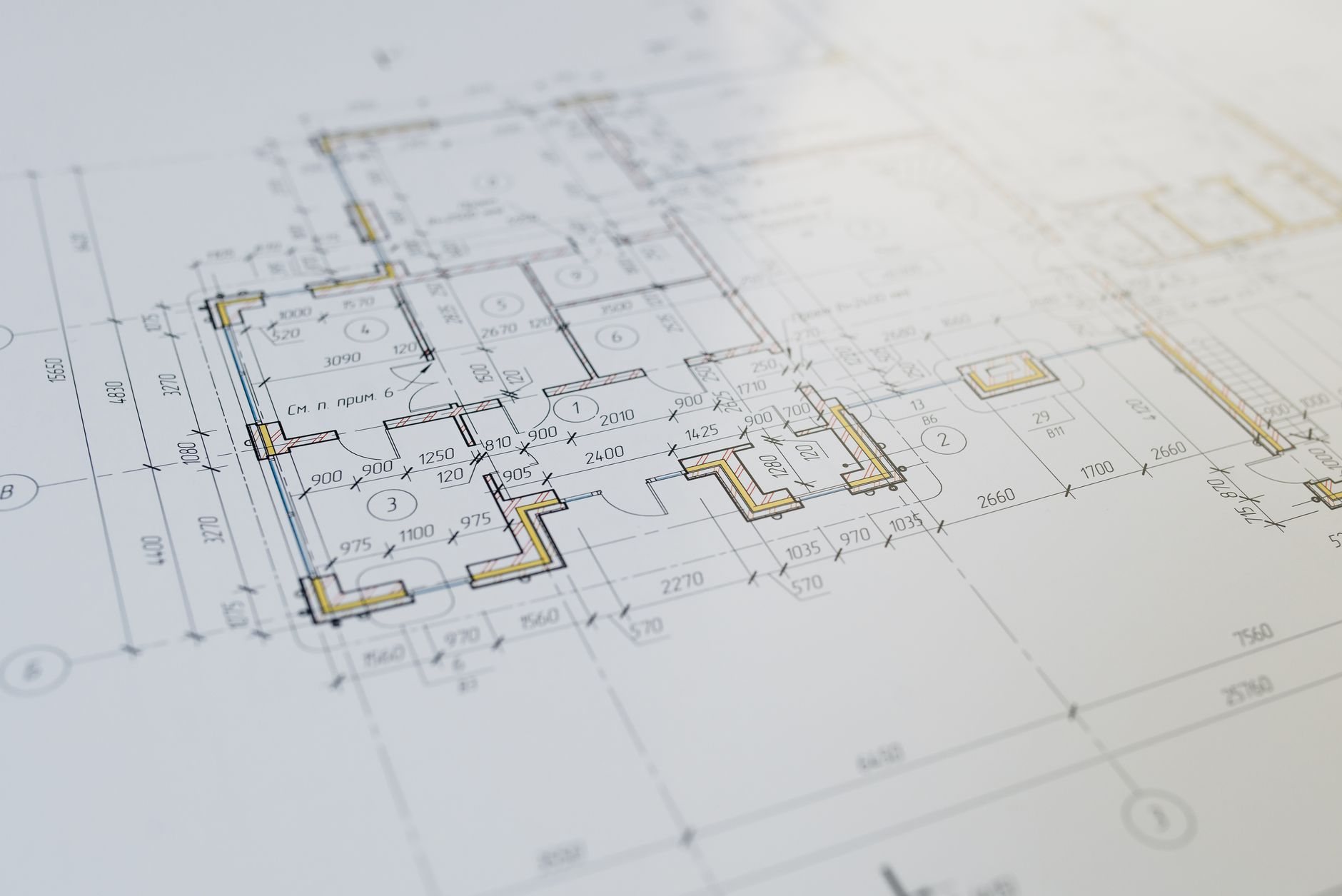
Do pallet racks need a permit and engineering in Salt Lake City?
Usually, yes. Under current Utah-adopted code, storage racks taller than about 8 feet are generally treated as structures that need engineered drawings and a building permit, and seismic anchorage is the reason. Low, light-duty shelving often falls under the threshold. Verify with the Salt Lake City building department early; rack permits get reviewed by the structural desk and the fire marshal together.
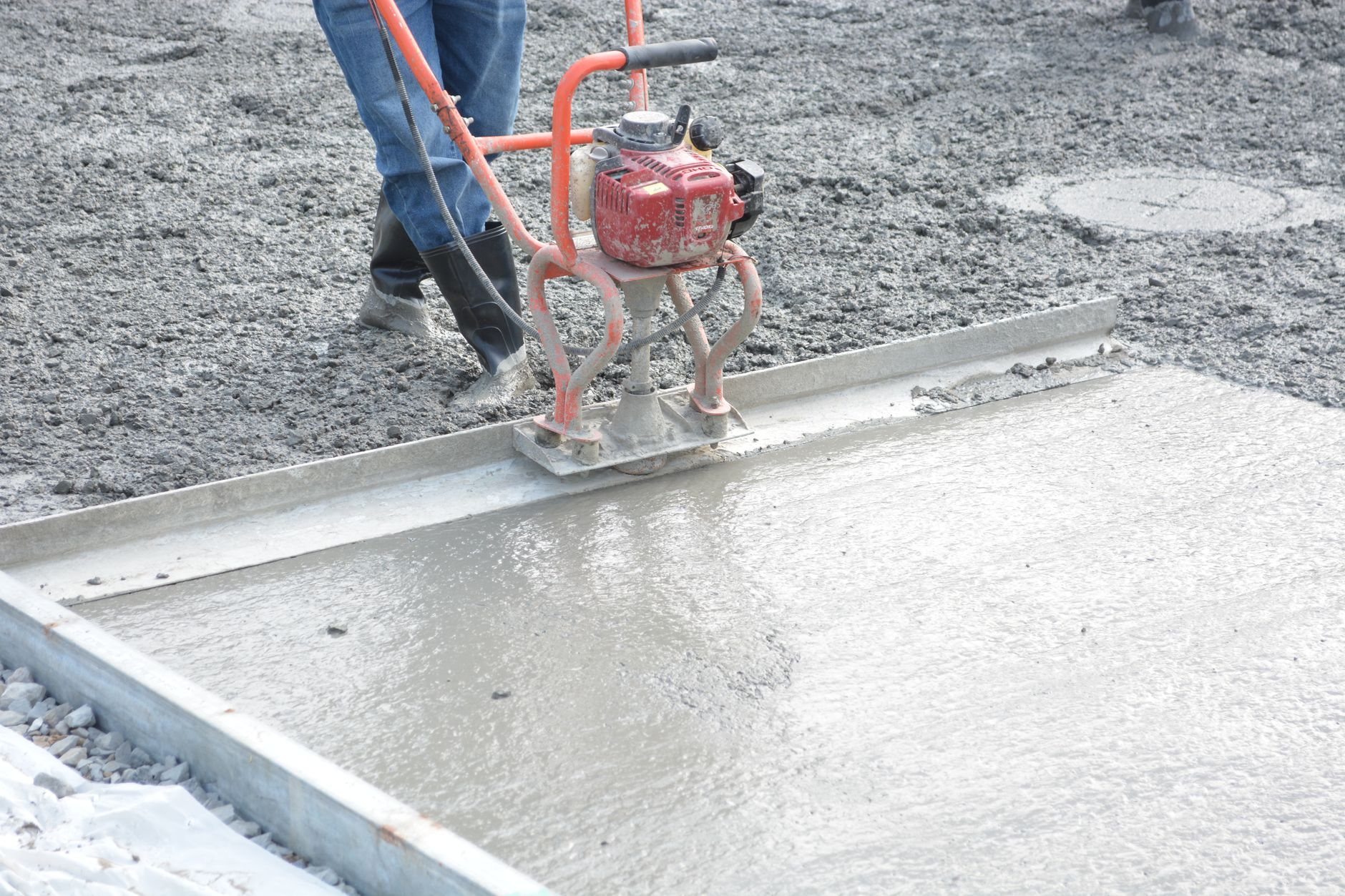
Seismic design is not a formality here. The Salt Lake City segment of the Wasatch fault runs along the east bench, and the USGS earthquake hazard mapping that Utah’s structural code relies on puts most of the county’s industrial zones in a high seismic design category. For racking that means heavier base plates, more anchors per upright, and row spacers that tie frames together so a row sways as one unit. It is also why a sound 6-inch slab matters: anchor capacity in a thin or cracked slab drops sharply, which sometimes means a thicker pad under the heaviest rows. When it does, the industrial concrete slab work runs under the same contract as the racking.
What does pallet racking installation cost in Utah?
As a ballpark planning number, not a quote, standard selective pallet racking installed in Utah typically runs about $80 to $160 per pallet position, materials and labor together. Drive-in, push-back, and heavy seismic frames push the range up; relocating rack you already own pushes it down.
- Pallet weight and beam elevations. A 2,500-pound pallet at 20 feet needs heavier uprights, longer anchors, and more engineering than a 1,200-pound pallet at 12 feet.
- Slab condition. Level, uncracked slabs anchor fast. Thin, dished, or saw-cut slabs mean grinding, grouting, or new pads.
- Accessories. Wire decking, column guards, and row-end protection are usually a fifth to a third of material cost, and they keep a forklift mistake from becoming a collapse.
- Permit scope. Rack over 12 feet usually pulls in the fire code and may require sprinkler review, which is a separate budget line.
After a site walk we give you a budget range to plan around, then a firm proposal once the engineer settles frame sizes and anchor counts.
Questions we actually get
Can you install racking in an occupied warehouse without shutting us down?
Yes, in most cases. Rack goes up one row at a time, and anchor drilling is the only loud part. We stage steel at your dock on your schedule, fence the active row, and drill at night or on weekends when your shifts need it. Most clients lose one aisle at a time, not the building.
Our slab isn’t level. Can you still anchor the uprights?
Within limits. Manufacturers cap the shim stack under a base plate at a fraction of an inch. Beyond that we grind high spots, grout under base plates, or, for a badly cracked or thin slab, cut in a new pad under the row. We measure the slab before quoting so this never shows up as a change order.
Can we reuse racking from our old building?
Often, if it passes inspection. We check every upright for bent columns and cracked footplate welds, every beam for deflection and working clips, and confirm manufacturer and capacity so the engineer can stamp it. Damaged uprights get replaced, not straightened, because cold-straightened steel loses capacity you can’t see.
How long does a pallet racking installation take?
For a straightforward selective system, plan on two to four weeks for engineering and permitting, then roughly 40 to 80 pallet positions per crew-day once anchors start. Drive-in and push-back run slower. Slab repair, sprinkler changes, or a high-pile review add front-end time, which is why we flag them at the site walk.
Racking is one piece of the mezzanines and platforms work we do, and the rest of our fabrication and structural capabilities start at the specialty capabilities hub. Grandview is a Utah DOPL B100 general contractor, license #14282236-5501, verifiable at dopl.utah.gov.
Tell us what you’re working on
Send us your pallet weights, target beam heights, forklift type, and a photo of the slab. We reply within a couple of hours during business hours, a day at most, with a straight read on layout, permit, and budget.