
High-pile storage build-outs in Salt Lake City
A high-pile storage build-out gets a warehouse legally ready to stack combustible product above 12 feet — the commodity classification, the fire-authority permit, and the changes to racks, sprinklers, aisles, and doors the permit depends on. Grandview runs the whole package under one B100 contract across Salt Lake County and Utah County.
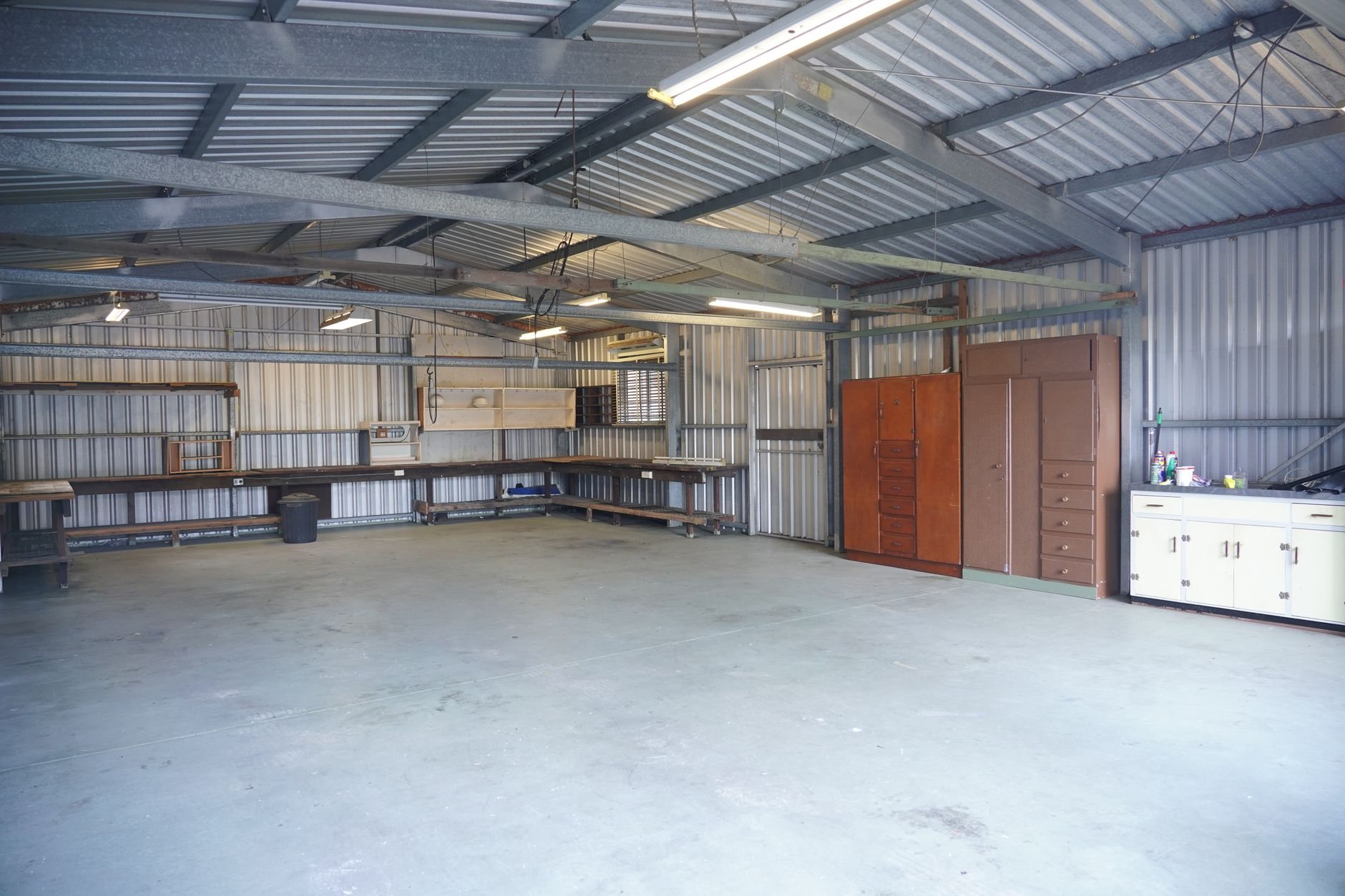
When you need a high-pile build-out, not just racking
The fire code draws its line at the top of the load, not the top of the rack. Under the International Fire Code that Utah adopts, combustible storage on pallets, racks, or shelves becomes “high-piled combustible storage” once it rises above 12 feet. For high-hazard commodities — Group A plastics, rubber tires, aerosols, flammable liquids — the threshold drops to 6 feet. Cross either line and the building needs a high-piled storage permit from the local fire authority.
That is the distinction from the neighboring services. A pallet racking installation that tops out under 12 feet of product is a structural and anchorage job. A warehouse mezzanine adds a floor. A high-pile build-out is a fire-protection project with steel in it: the racking is often the smallest line on the budget, and sprinklers, smoke control, and access doors are the real scope.
The people who call us are usually a 3PL or e-commerce operator moving into a 32-foot-clear building and planning to use all of it, or a tenant whose fire marshal visit just found 18-foot stacks of cartoned plastics under sprinklers designed for a lighter hazard.
What the build-out actually includes
A high-pile package is scoped backward from the permit. The fire authority reviews a commodity classification and storage plan, then applies code tables that scale requirements with hazard class and square footage of high-piled area. The physical work follows from what those tables trigger:
- Commodity classification and storage plan. Every product gets a class (I through IV, or Group A, B, or C plastics), and the plan fixes pile heights, rack configuration, aisle widths, and the boundary of the high-piled area. We prepare this with a fire protection engineer when the mix is anything but simple — cartoned water bottles and shrink-wrapped foam are not the same hazard, even if they weigh the same.
- Racking configured for fire, not just load. Nominal 6-inch transverse flue spaces kept open through the rack, solid shelves swapped for wire decking so water reaches lower tiers, and rack-end guards at aisle crossings. We fabricate and install the steel and set anchors engineered for the Wasatch Front’s seismic demands, because a loaded rack that goes over in a quake is also a fire problem.
- Sprinkler coverage matched to the commodity. This is the budget driver. Early-suppression fast-response (ESFR) heads at the ceiling can often protect storage without in-rack sprinklers, but only when roof height, head spacing, and water supply all cooperate. Grandview holds the contract and manages licensed fire-sprinkler contractors; we coordinate, sequence, and quality-check their work within the project so the rack layout and the head layout are designed together.
- Smoke and heat removal, access, and alarm. Larger high-piled areas trigger roof vents or mechanical smoke removal, fire-department access doors along exterior walls, and often alarm upgrades. We build the openings and frame the vents, and manage licensed electrical and alarm contractors the same way we manage sprinklers.
Who issues a high-pile storage permit in Salt Lake City?
The fire authority with jurisdiction over the address — Salt Lake City Fire within city limits, Unified Fire Authority across much of the rest of Salt Lake County, and city departments like Provo, Orem, and Lehi further south. It is an operational permit separate from the building permit, and the two run in parallel: the building department reviews rack engineering and roof penetrations, the fire authority reviews the commodity report and protection design. Verify the submittal list with your fire authority early; each runs its own review clock.
Two Utah realities shape the schedule. New industrial buildings around Saratoga Springs and Eagle Mountain often arrive with ESFR already installed, which can make the build-out mostly paperwork and racking — if the water supply still tests at design pressure. Older Salt Lake County stock from the 1980s and 1990s was typically sprinklered for a lighter hazard and sits under roofs framed for valley-floor snow loads, so adding smoke vents means a structural check first. The International Code Council publishes the fire code these reviews rest on; local amendments and water-supply data decide your design.
What drives the cost of a high-pile build-out?
Almost entirely the gap between the building’s existing fire protection and what your commodity class requires. As ballpark planning guidance, not a quote: a building with a tested ESFR system that only needs a commodity report, rack reconfiguration, and the permit is the inexpensive end — a few thousand dollars of engineering and fees plus the racking. A building that needs in-rack sprinklers, a fire pump or larger water service, and smoke vents can see the fire-protection scope cost several times the racking. The other levers are commodity class (plastics cost more to protect than paper), high-piled area in square feet, pile height, and whether the roof can take vent openings without reinforcement.
What keeps it from spiraling is settling the commodity classification before anyone prices sprinklers. Reclassifying a product from Class IV to Group A plastics after design re-opens every number on the sheet.
Questions we actually get
Can we just keep stacks under 12 feet and skip the permit?
Often, yes — for ordinary Class I–IV commodities. But the threshold is 6 feet for high-hazard products like Group A plastics, tires, and aerosols, and many “cardboard” loads contain enough expanded plastic to be classified that way. Confirm the class before relying on the 12-foot line.
Our building already has ESFR sprinklers. Are we done?
Not automatically. ESFR protection depends on the commodity, ceiling height, the clearance between top of storage and the heads, and a water supply that still tests at design pressure. The permit also governs aisle widths, flue spaces, and access doors, which no sprinkler system fixes on its own.
Can the warehouse keep operating during the build-out?
Usually. We stage rack rows and sprinkler work bay by bay so product stays in the building, and water-supply shutdowns are scheduled with the fire authority and your insurer. Until the permit is issued, stacks in the affected area need to stay below the high-pile threshold.
Does Grandview handle the fire-sprinkler and alarm work?
Grandview holds the contract and manages licensed fire-sprinkler and alarm contractors; we coordinate, sequence, and quality-check their work within the project. Racking, anchorage, access doors, vent framing, and the permit package run under our crew, so one contractor answers for the whole build-out.
Related work: warehouse mezzanines and steel platforms, loading dock installation, in-plant office construction, and our other specialty capabilities. Our license is verifiable at dopl.utah.gov.
Tell us what you’re working on
We reply within a couple of hours during business hours — a day at most. You’ll get a straight read on commodity class, permit path, and budget before anyone commits to anything.