
EPDM rubber roofing
EPDM is a single-ply synthetic rubber membrane for flat and low-slope roofs — the black rubber roof on shops, additions, garages, and small commercial buildings across Utah County. Grandview installs it under a B100 general contractor license, with the drainage designed before the membrane is priced.
When EPDM is the right membrane, and when it isn’t
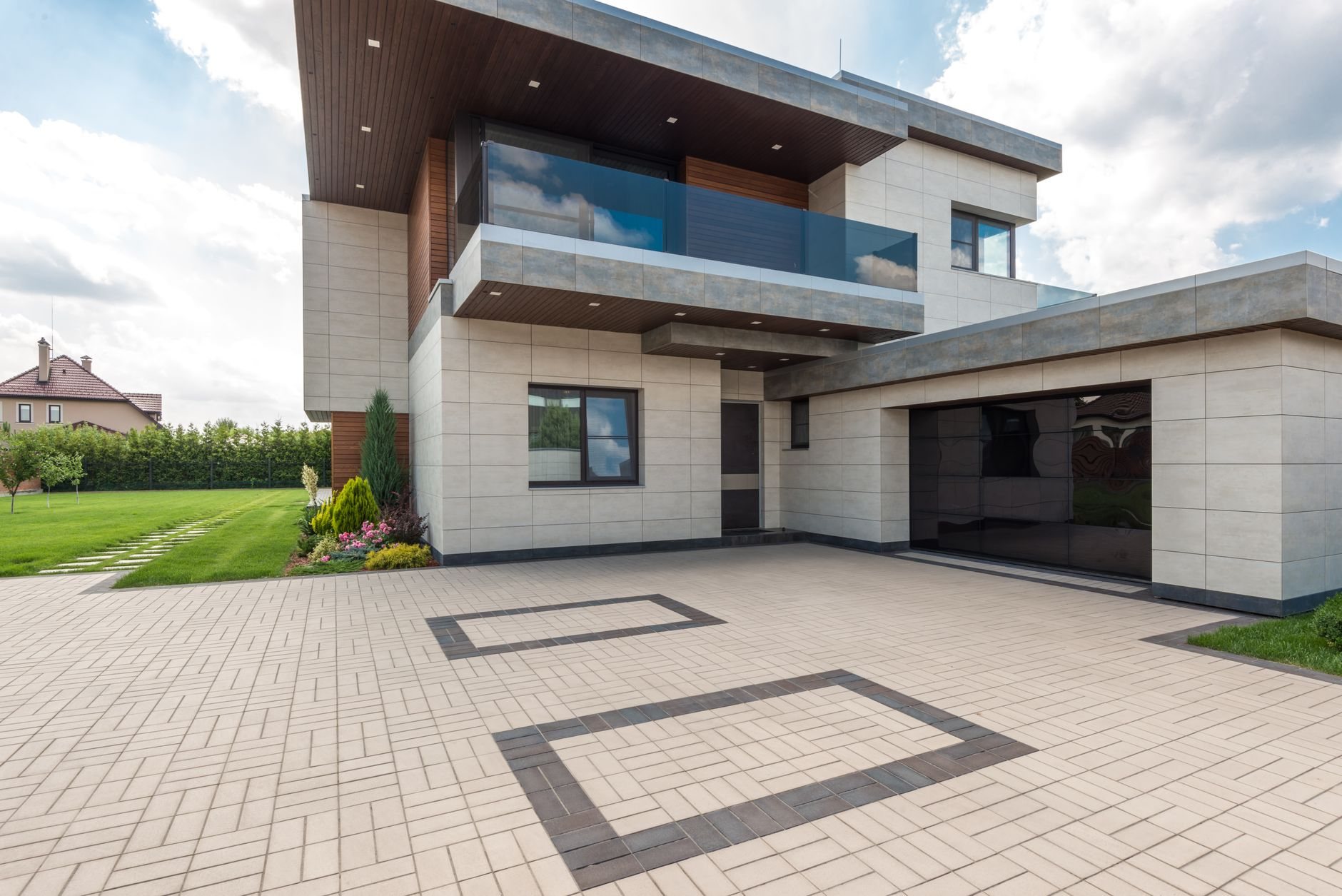
EPDM earns its place where longevity and simplicity matter more than reflectivity. It’s a 45- or 60-mil sheet of cured rubber in rolls up to 50 feet wide, so a detached shop or rear addition is often one or two sheets with almost no field seams. It stays flexible well below zero, shrugs off the UV that cooks asphalt at 4,500 feet, and repairs with a patch and primer twenty years from now instead of a hot-air welder. For an owner who wants a roof that is boring for thirty years, that’s the pitch.
It is not the right call everywhere. Standard EPDM is black, and a black roof over conditioned space takes on real heat in a Utah July; the Department of Energy’s cool-roof guidance is why white TPO wins on commercial buildings with a cooling bill to manage. Where the roof sees grease exhaust or chemical fumes, PVC membrane is the tougher sheet. If the existing roof is a sound asphalt system, modified bitumen or a restoration coating may cost less than a tear-off. We’ll tell you which you’re in.
What goes into an EPDM roof that lasts
The membrane is the cheapest part. You’re paying for what decides whether water leaves the roof and the seams stay closed.
- Attachment method. Fully adhered — bonding adhesive on cover board, membrane rolled in and broomed flat — is our default in Utah. Ballasted EPDM (loose-laid under river rock) is cheaper on big, simple roofs, but canyon-wind events can scour ballast, and the rock adds roughly 10 to 12 pounds per square foot on top of snow load. On a bench lot in Draper or Alpine, we check the framing before we propose it.
- Insulation and slope. Polyiso goes down first, often as tapered panels that build a quarter-inch-per-foot fall toward drains or scuppers. A summer monsoon cell can drop an inch of rain in an hour; a deck with no slope ponds, and ponding is where membrane roofs fail.
- Cover board. A half-inch gypsum or high-density polyiso board between insulation and membrane gives the adhesive a firm face and the roof some resistance to hail and foot traffic.
- Seams and flashing. Field seams get primer, 3-inch seam tape, and a 6-inch cover strip. Every pipe, curb, drain, and wall termination gets uncured flashing tape, a termination bar, and sealant. Seams are where an EPDM roof is won or lost; they’re what we inspect most closely.
- Edge metal and drains. Perimeter drip edge, clamping-ring drains or through-wall scuppers sized for the roof area, and overflow scuppers where current Utah-adopted code calls for them.
How an EPDM installation runs
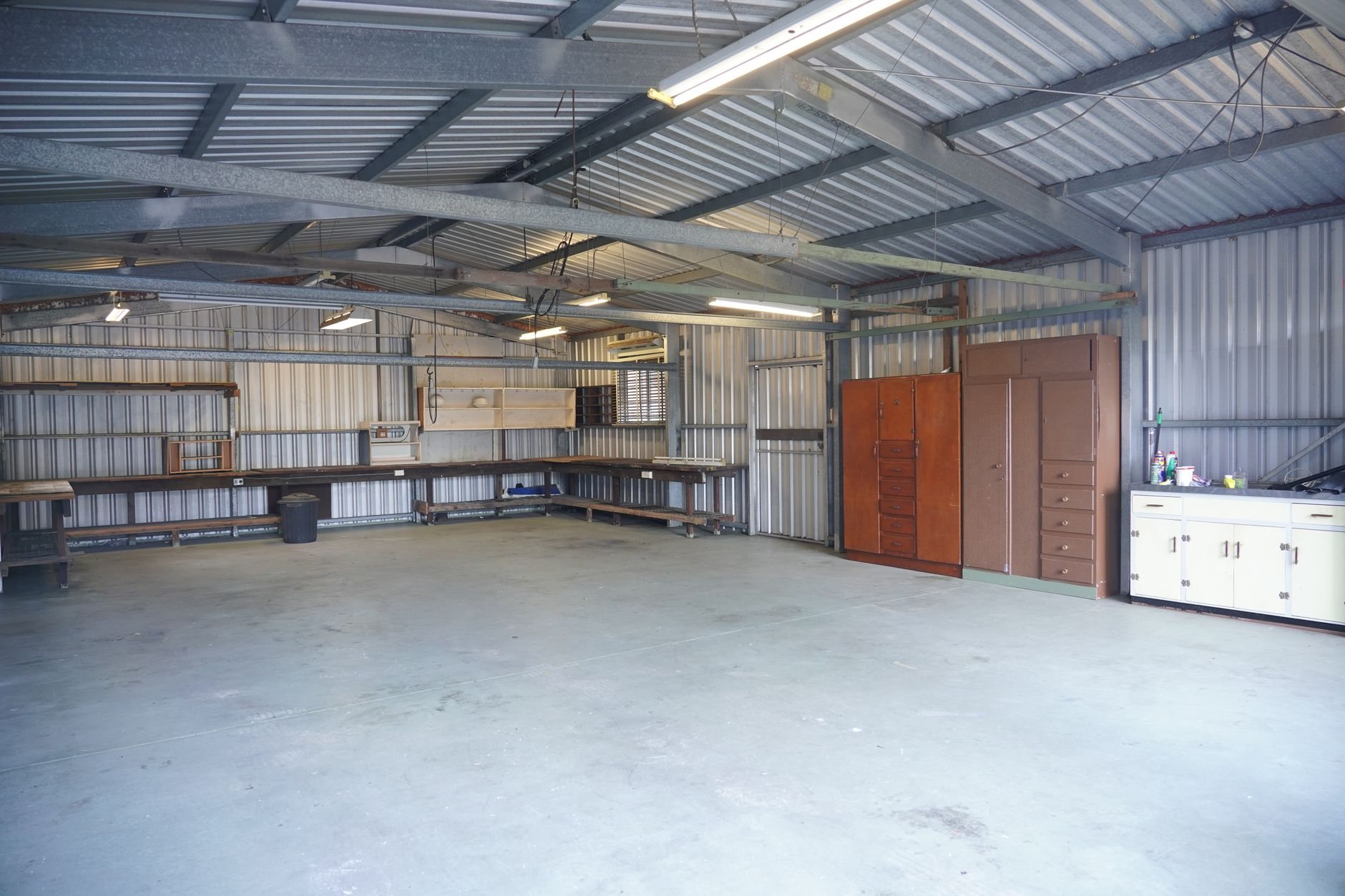
- Survey the deck and the drainage. We measure, find low spots, check the deck from below, and confirm where water is supposed to go. If the answer is “nowhere,” tapered insulation joins the scope.
- Scope the system in writing. Membrane thickness, attachment method, insulation, cover board, and drains — itemized, with unit pricing for any rotten decking found at tear-off.
- Permit and material. Most local cities permit a full membrane replacement. We pull it and order the sheet cut to minimize seams.
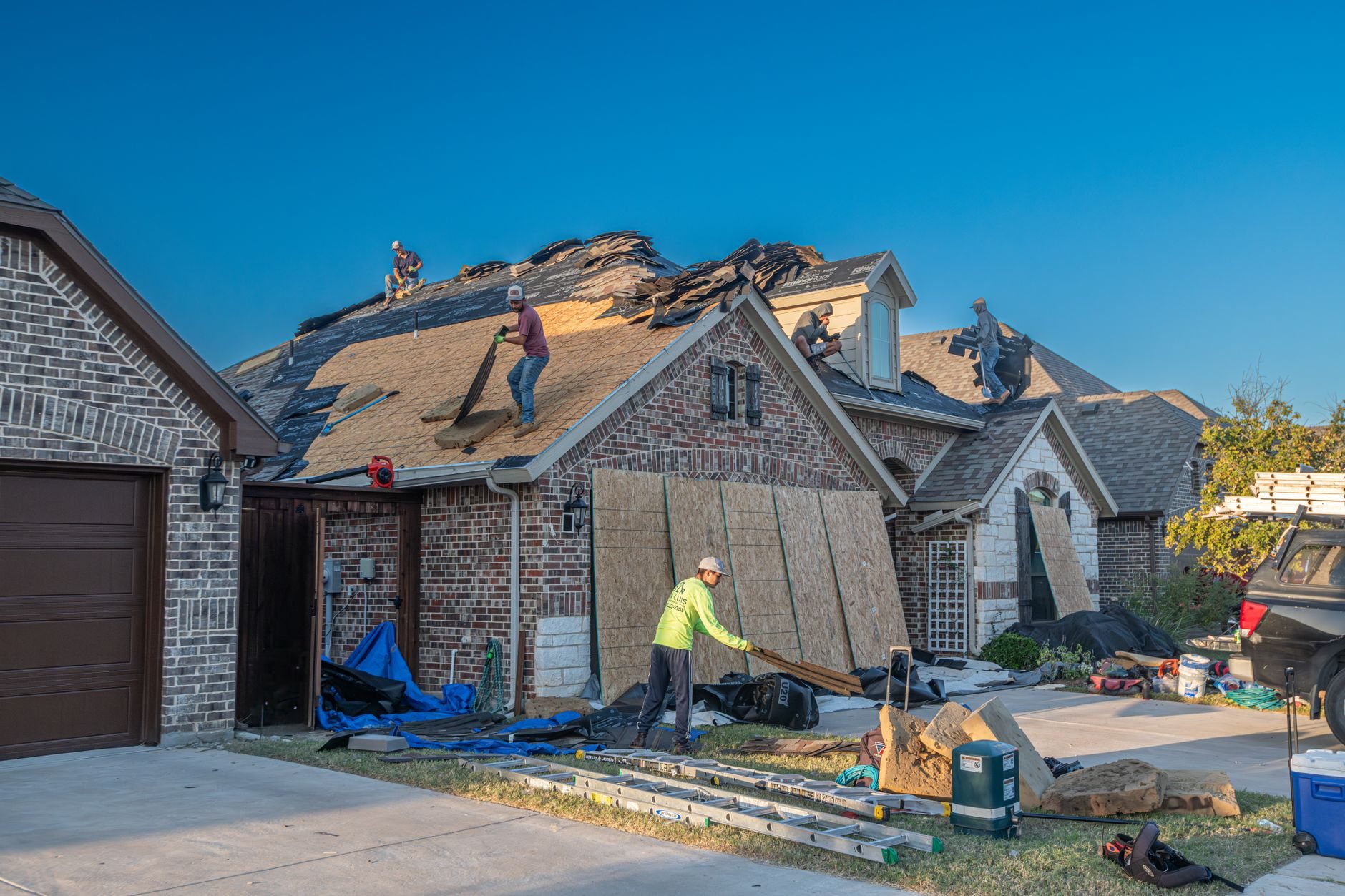
- Tear off and dry in. Old roofing off, deck repaired, insulation and cover board fastened the same day. The building is never open overnight.
- Adhere, seam, and flash. Membrane bonded and broomed, seams taped and rolled, every penetration flashed. Bonding adhesive needs surface temperatures above about 40°F, so winter work follows the forecast, not the calendar.
- Walk every seam. We probe seams and check flashings before anyone leaves, then hand you the permit close-out and warranty registration.
A shop or addition roof is typically one to two days on site. The plans may change. The standard does not.
What does an EPDM roof cost in Utah County?
As a ballpark planning number, fully adhered EPDM in Utah County typically runs about $6 to $10 per square foot installed, including tear-off, cover board, and flashings — roughly $7,000 to $12,000 for a 1,200-square-foot shop or addition. Tapered insulation and many penetrations push it above that; a firm estimate follows a survey.
What moves the number:
- Membrane thickness. 60-mil costs modestly more than 45-mil; we recommend it wherever there’s foot traffic or hail exposure.
- Insulation scope. Replacing wet polyiso or adding tapered panels to fix ponding is often the biggest line after the membrane.
- Penetrations and perimeter. Every vent, curb, and skylight is hand-flashed; a parapet wall doubles the edge detail.
Planning numbers, not promises. Our B100 license is verifiable through Utah DOPL before we set foot on the roof.
Questions we actually get
How long does an EPDM roof last in Utah?
Plan on 20 to 30 years from a fully adhered 60-mil system with the seams maintained. The rubber handles high-elevation UV and our 100-plus freeze–thaw days a year better than asphalt; what shortens its life is ponding, neglected seams, and rooftop foot traffic.
Can EPDM go over my existing flat roof?
Sometimes. If the existing insulation is dry, the deck is sound, and there’s one layer, a recover with new cover board and membrane can work and saves the tear-off. Wet insulation, two layers, or ponding that needs tapered panels all point to tear-off. We core-cut a sample before recommending either.
Is a black roof a problem in Utah summers?
Over an unconditioned shop or garage, not really. Over living space or an office with a cooling bill, it is — a black membrane runs much hotter than a white one in July sun. There we price white TPO alongside EPDM so you’re choosing on numbers.
What’s the biggest variable in an EPDM estimate?
What’s under the old roof. Insulation soaked by past leaks has to come out, and a deck with no slope needs tapered panels. Both are hard to see from the surface, so we probe and core-cut during the survey and price them as separate line items before work starts.
Tell us what you’re working on
EPDM is one of the flat-roof systems in our roofing scope within site, structure & envelope. We reply within a couple of hours during business hours — a day at most — with a straight read on membrane, drainage, and budget.