
Modified Bitumen & Torch-Down Roofing
Modified bitumen is polymer-blended asphalt roofing, rolled out in two or three plies and bonded with a torch, cold adhesive, or a peel-and-stick backing. It’s the right system for small and mid-size flat roofs with heavy detail work, and Grandview installs it across Utah County and Salt Lake County under a B100 general contractor license.
When modified bitumen beats a single-ply membrane
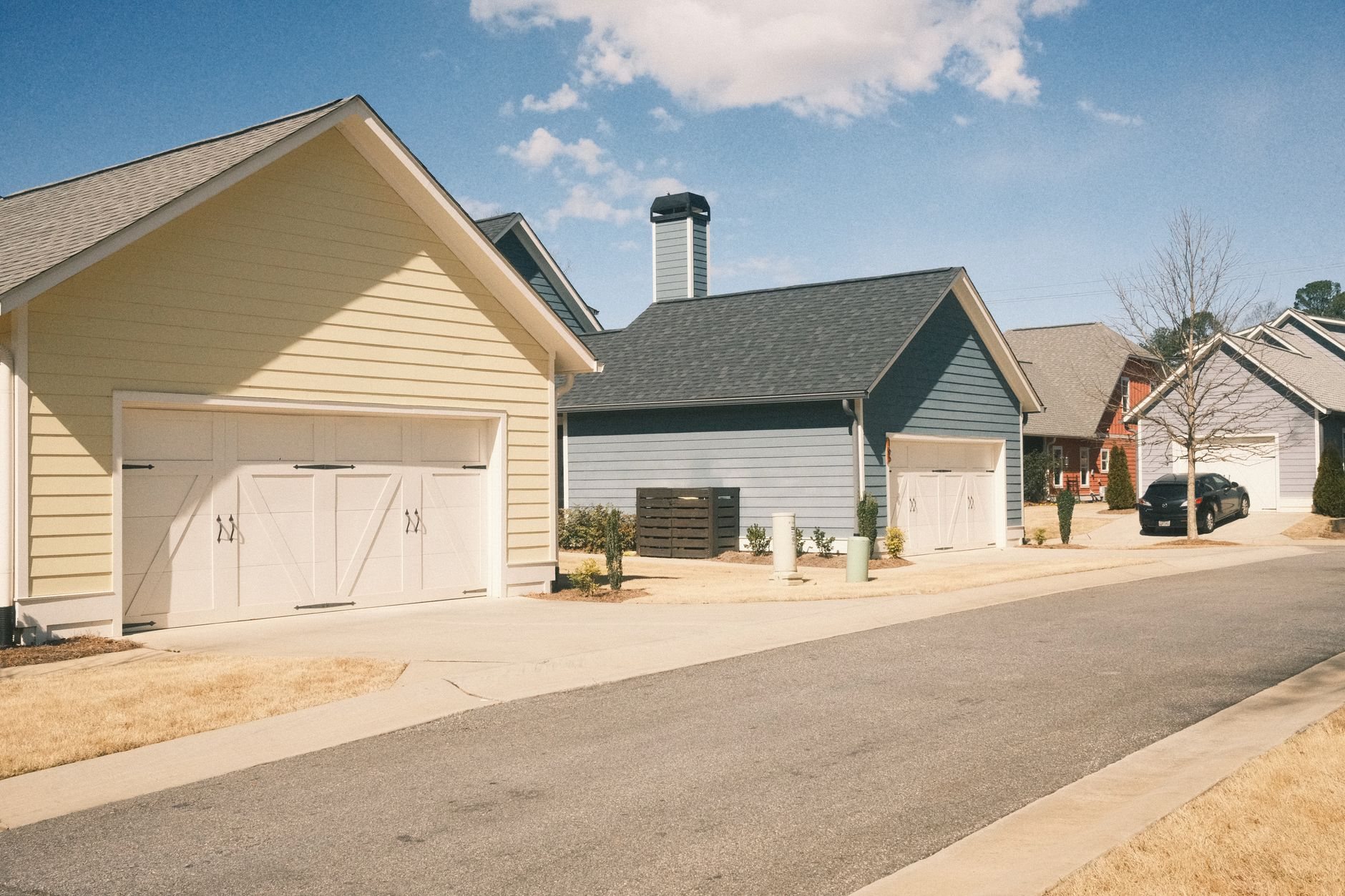
Mod-bit earns its place on the roofs single-ply crews don’t love: a 400-square-foot porch roof, the flat section over a garage addition, a townhome with parapets on three sides and a dozen penetrations, or a low-slope roof that gets walked on. Multi-ply asphalt is thick, puncture-resistant, and easy to detail by hand around odd shapes, and it doesn’t need the hot-air welding setup and open roof planes that make TPO roofing economical on a big commercial deck. A torch-down patch in year twelve also performs like the field around it, which is harder to say of a glued EPDM rubber roof.
The other side of the ledger: mod-bit is dark by default, so a sun-baked roof carrying rooftop HVAC usually suits white TPO or PVC membrane better, and a large commercial roof that wants redundancy above all is built-up roofing territory.
APP or SBS, torch or cold: the choices inside the roll
The first decision is which polymer is in the asphalt. APP (atactic polypropylene) is a plastic modifier that gives a stiffer, more UV-stable sheet and is what most people mean by torch-down. SBS (styrene-butadiene-styrene) is a rubber modifier that stays flexible in the cold, which matters along the Wasatch Front, where a roof sees 100-plus freeze-thaw days a year and a brittle membrane cracks at the laps.
The second is how the plies bond. Torching melts the back of the sheet onto the ply below and makes the strongest lap, but it needs a fire watch and a separator over wood decking. Self-adhered (SA) sheets remove the flame, which is why most residential additions and wood-framed garages get an SA base and a torched or SA cap. A white or reflective granule cap meets the Department of Energy’s cool-roof description; at Utah’s elevation, where UV ages a dark cap faster than at sea level, it’s usually worth the upgrade.
How a torch-down roof goes on
Grandview holds the contract, verifiable at Utah DOPL, writes the assembly, and manages licensed roofing crews through it; we check the laps and terminations before the roof is called done.
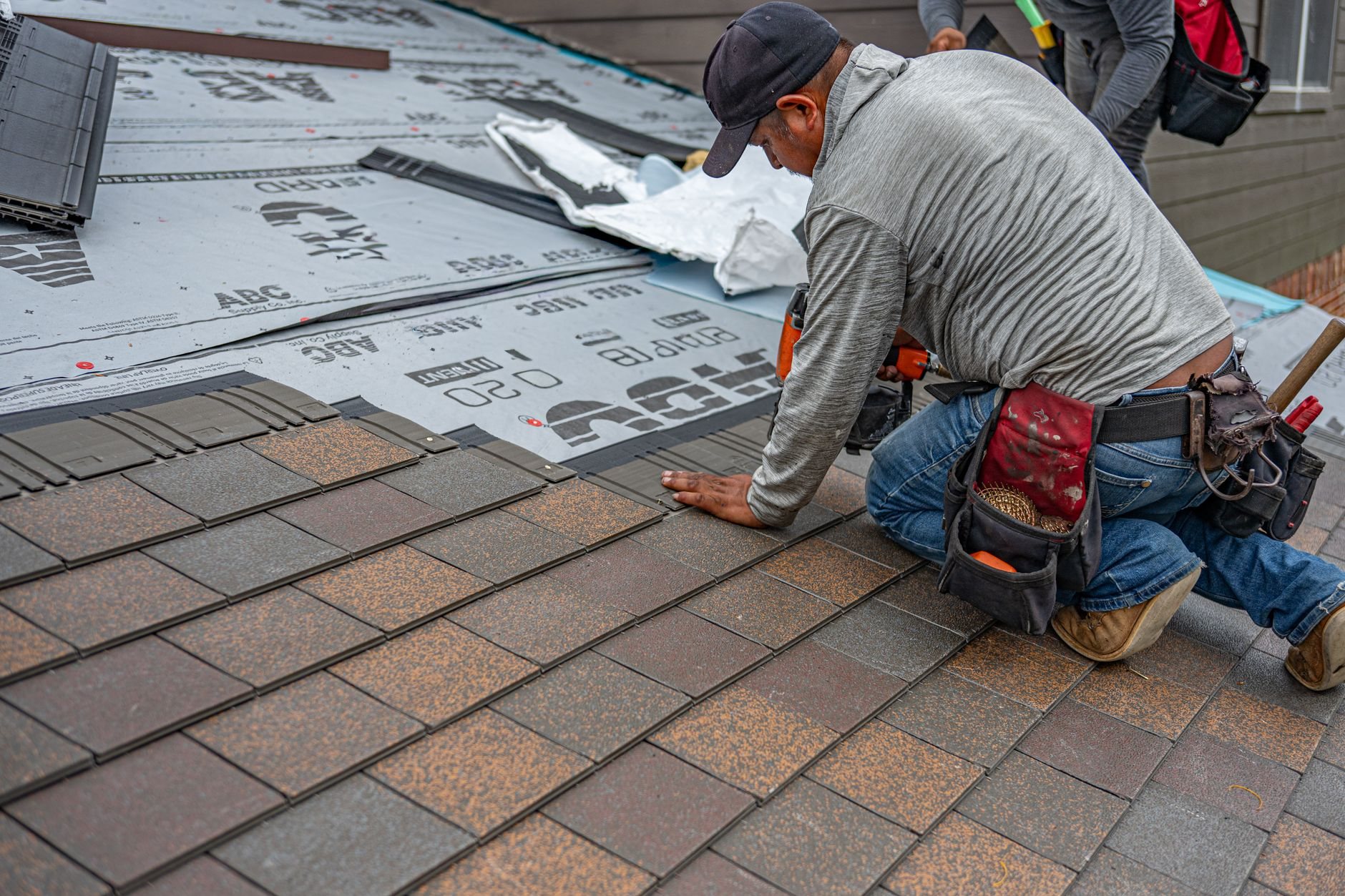
- Tear-off and deck check. Old roofing comes off to the deck; soft sheathing is replaced at a unit price agreed in advance. A slope plan gets water to a drain or scupper, because Utah’s summer monsoon can drop an inch of rain in an hour and ponding is a mod-bit roof’s fastest route to a blister.
- Base layer. A fire-rated cover board over wood decks, then a mechanically fastened base sheet, with tapered polyiso under it when the deck doesn’t already fall a quarter inch per foot. Canyon-wind corridors get a tighter perimeter fastening schedule, since uplift concentrates at the edges.
- Interply and cap. Sheets run perpendicular to the slope with 3-inch side laps and 6-inch end laps, staggered so no seams stack. A torched lap shows a thin bead of melted asphalt along its edge; a lap without one gets reheated and re-rolled.
- Flashing. Base flashing up the parapet with metal counter-flashing over it, a torched target patch and boot at every pipe, and drip edge stripped in with a flashing ply rather than sealant.
- Fire watch and close-out. On a torched roof someone stays on deck for an hour after the last flame, extinguisher in hand. Then a swept site and permit close-out in writing.
What does modified bitumen roofing cost in Utah?
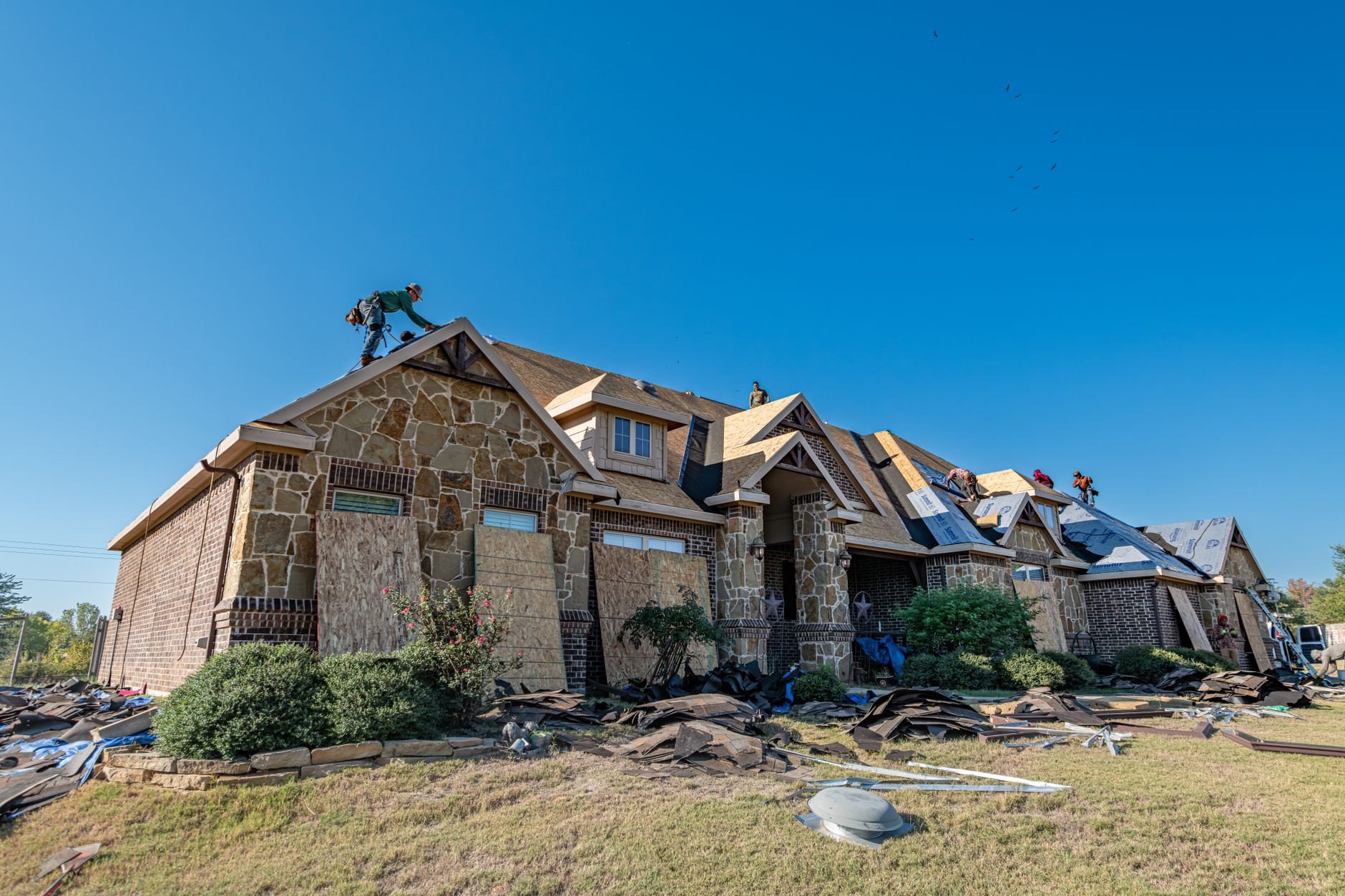
As a ballpark planning number, a two-ply modified bitumen roof in Utah County or Salt Lake County typically runs about $5 to $9 per square foot installed, including tear-off of one existing layer. A simple garage or porch roof lands near the low end; parapets, many penetrations, and tapered insulation push toward the high end. Planning numbers, not a quote.
- Ply count and cap. A third ply, a reflective granule cap, or SBS over standard APP each adds cost and years.
- Application method. Self-adhered sheets cost more per roll than torch grades but save fire-watch labor and open up roofs where a torch isn’t allowed.
- Perimeter and penetrations. Mod-bit is priced as much by the linear foot of edge and flashing as by the square; a small roof with parapets on four sides can cost more per foot than a larger open one.
- What’s under it. Wet insulation or a second old layer is priced per square to remove, and current Utah-adopted energy code can require added insulation on a commercial re-roof, as on any roof replacement we run.
A mod-bit roof that is dry and bonded but chalking may be a candidate for a restoration coating instead of a tear-off. The rest of the exterior scopes sit under site, structure & envelope.
Questions we actually get
How long does a modified bitumen roof last in Utah?
Plan on 15 to 20 years from a two-ply system with a granulated cap, and toward 25 with a third ply or an SBS sheet. High-elevation UV is what ages the cap, so a reflective granule and a drainage plan with no ponding are the two cheapest ways to reach the top of that range.
Is torch-down roofing safe over a wood-framed garage or addition?
With the right base, yes. A fire-rated cover board and a fastened base sheet sit between the torch and the wood, and on many residential roofs we use a self-adhered base with only the cap torched, or go fully self-adhered. A fire watch stays on after the last flame regardless. Verify with your city building department if the roof ties into a shared wall.
Can you install modified bitumen in winter?
Torch-applied APP and SBS install in cold weather better than most flat-roof systems, because the torch brings its own heat. Self-adhered sheets are the exception: their adhesive needs a surface above roughly 50 degrees to bond, so a January SA roof waits for a warm window or switches to a torched cap.
What’s the biggest cost variable on a mod-bit roof?
Edge and flashing detail. Square footage is known before we start; the linear feet of parapet, the count of pipes and curbs, and how the flat roof meets adjacent shingles set the labor. Deck condition is the other unknown, handled with a unit price per replaced sheet and photos of anything we find.
Tell us what your flat roof is doing
A garage roof that ponds, a porch roof with blisters, or an addition that needs a flat section tied into shingles: we’ll walk it and give you a straight read on system and budget before anyone commits to anything. We reply within a couple of hours during business hours, a day at most.