
Ground-Level Deck Builders in Utah
A ground-level deck sits 30 inches or less above grade — low enough that no guardrail is required, close enough to the dirt that framing, drainage, and airflow decide whether it lasts. Grandview designs and builds them across Utah County and Salt Lake County under a B100 general contractor license.
When a ground-level deck beats the alternatives
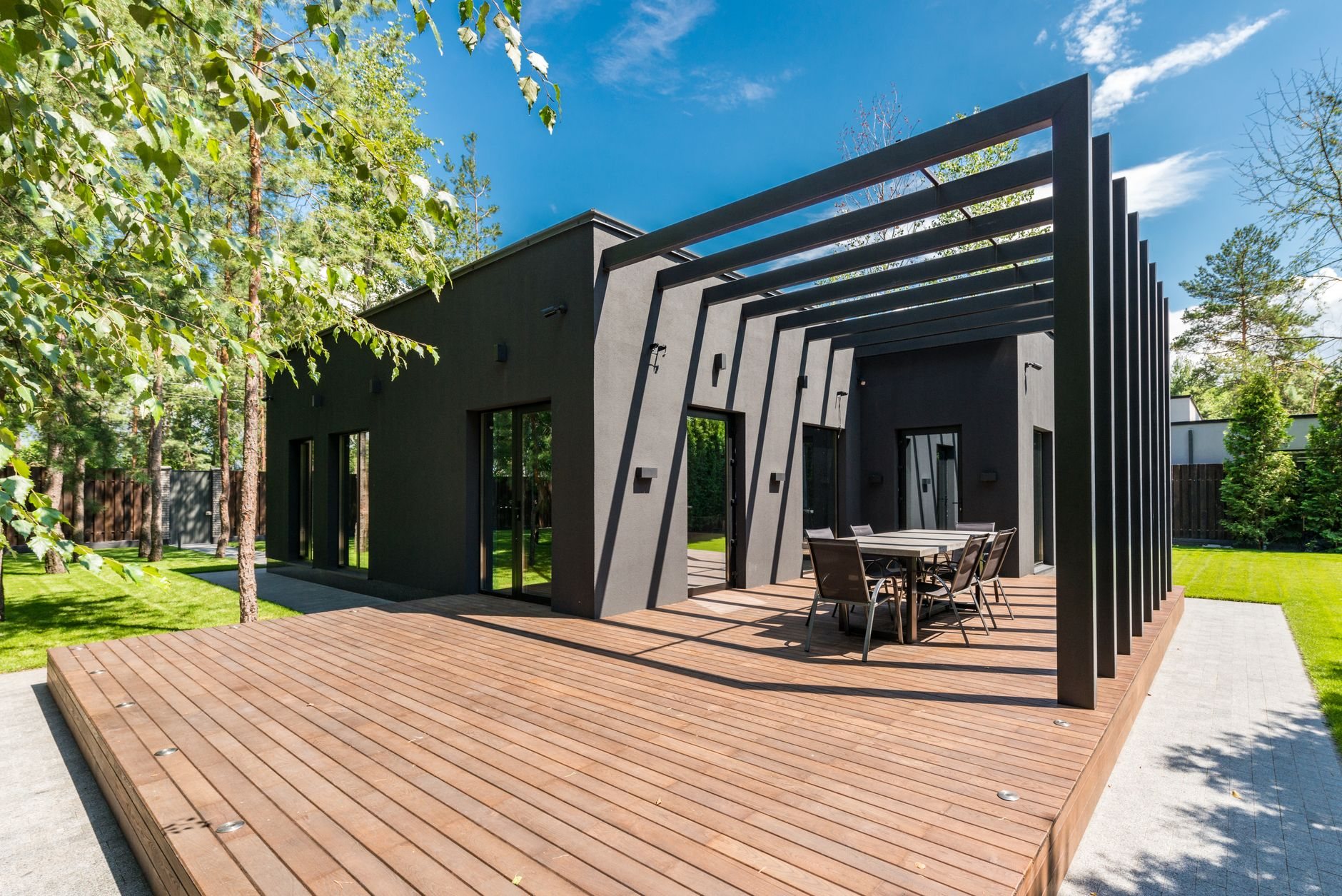
Pick a ground-level deck when the yard is already close to the door’s elevation — a slab-on-grade home, a split-entry with a lower walkout, or a lot the builder graded flat. One step down from the threshold and you’re on the deck; one step off the deck and you’re on the lawn. No stairs to build, no guard to buy, no underside to hide — and a cracked patio or lumpy lawn disappears under it.
It’s the wrong choice when the door is more than a couple of feet above grade. There, an attached deck on a bolted ledger or a second-story deck is the honest answer, and both come with railing and stairs. It’s also different from a floating deck: a floating deck is defined by being detached from the house; a ground-level deck is defined by its height and can be attached or freestanding.
What the build actually involves
A low deck has only a few inches to work with, and most of the design is spending them well.
- Ground prep. Sod and topsoil come out, the subgrade is sloped away from the house, and landscape fabric and gravel go down so nothing grows under the deck and water drains instead of pooling against the joists.
- Ground-contact lumber. Framing within inches of soil gets ground-contact-rated pressure-treated lumber, not the above-ground grade sold for standard decks. The higher preservative retention is what keeps joists sound near damp earth.
- Flush beams. A beam under the joists eats several inches of height, so we hang the joists flush into the beam with hangers. The finished surface stays one easy step below the door.
- Air gap. We hold the joists off the gravel and keep the perimeter open or screened with vented skirting. Decking that can’t breathe cups, and composite makers publish minimum ventilation requirements for this reason — Trex, for example, requires unobstructed airflow beneath the boards.
- Footings sized to the use. A freestanding deck on concrete deck blocks moves as a unit when the ground freezes and settles back when it thaws. A deck attached to your house cannot, so its footings go below frost depth like any other attached deck’s.
Frost heave, clay, and the low deck
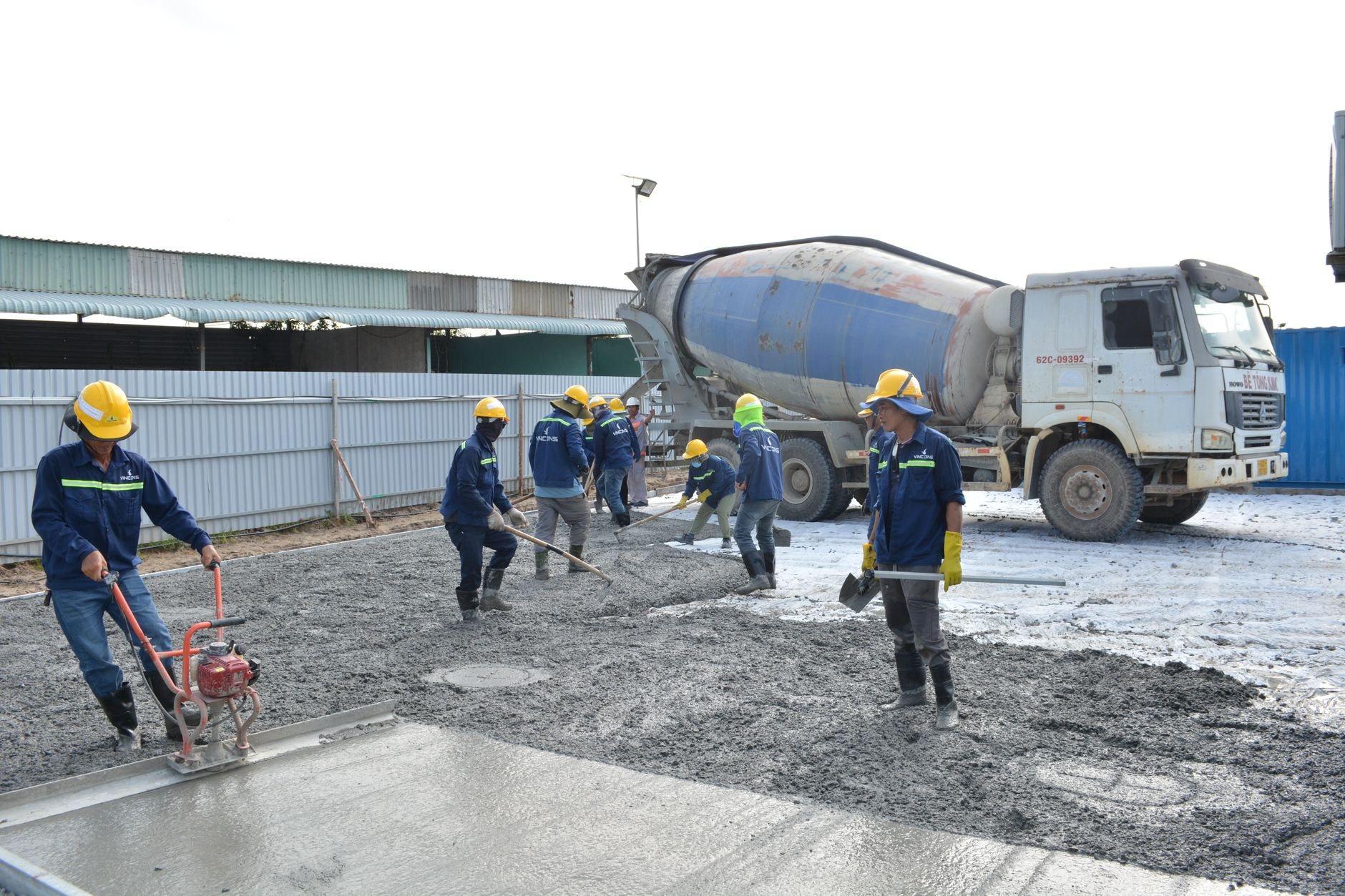
The Wasatch Front sees roughly 100-plus freeze–thaw days each winter, and every one pushes on shallow footings. On a tall deck a heaved post shows as a wavy railing. On a ground-level deck it shows up at the door: the deck lifts an inch, and the step you were used to is gone until April. Expansive clay in parts of the valley makes it worse; the Utah Geological Survey maps where those soils run. Attached to the house, the deck gets frost-depth footings — commonly around 30 inches, set by your city. Freestanding, we’ll tell you plainly if blocks are acceptable on your soil or poured piers are worth the difference.
Summer cloudbursts matter too: a low deck with no slope under it becomes a shallow pond that dries from the top down, so we grade the subgrade and reroute downspouts that empty onto its footprint.
Do you need a permit for a ground-level deck in Utah?
Often not, but check. Under current Utah-adopted code, small freestanding decks not attached to the house or serving an exit door are commonly exempt from a building permit. Attached ground-level decks, decks over 200 square feet, and anything carrying a hot tub usually are not. Cities read the exemption differently, so verify with your building department. We settle the question for you during design.
What a ground-level deck costs in Utah
Low decks are the least expensive configuration to build: no stair, no guard, short posts. As ballpark planning numbers, pressure-treated ground-level decks in Utah County and Salt Lake County commonly run $25–45 per square foot built, and composite surfaces $45–75, before site work. What moves the number: grading and sod removal, sleepers over an existing patio versus footings in soil, vented skirting, and the decking tier. You’ll get a budget range after the site walk and a firm estimate once materials are chosen.
Questions we get about low decks
Can you build a ground-level deck over my old concrete patio?
Usually, if the slab is sound and drains. We fasten pressure-treated sleepers to the slab, shim them level, and lay decking over them with enough gap for water to run off underneath. A heaved or badly cracked patio is a different conversation — sometimes it should come out first. We’ll tell you which after looking at it.
Will a low deck rot faster than a raised one?
Only if it’s built like a raised one. Above-ground treated lumber, joists sitting on soil, and solid skirting with no vents shorten a ground-level deck’s life. Ground-contact framing, a gravel bed, a slope under the deck, and open airflow at the perimeter put it on the same footing as any deck we build.
Does a ground-level deck need a railing?
No. Current Utah-adopted code requires a guard only when the walking surface is more than 30 inches above the grade below. That’s the appeal of staying low — open edges, no pickets to maintain, a straight step onto the lawn. If you want a low bench or planter along one side, we build it into the frame.
Is a ground-level deck a good spot for a hot tub?
It’s the easiest one. The tub sits on its own concrete pad at grade and the deck is framed around it so the rim lands near deck height, skipping the engineered drop-in framing a raised deck needs. Grandview holds the contract and manages licensed electricians for the circuit; we coordinate the trench before the gravel goes down.
Related deck work
Ground-level decks are one configuration in our deck construction service, part of the site, structure & envelope family. Related variants: a low deck that doubles as a pool deck, or one that steps up to a higher tier as a multi-level deck. Every project runs under a B100 license you can verify at Utah DOPL.
Tell us about the low deck you have in mind
We reply within a couple of hours during business hours — a day at most. You’ll get a straight read on grade, footings, drainage, and budget before anyone commits to anything.