
Chair Rail & Picture Rail Installation in Utah
A chair rail is a single horizontal molding about a third of the way up the wall that takes the hits from chair backs and splits the wall for two finishes; a picture rail is a lipped molding near the ceiling that hangs art on hooks instead of nails. Grandview Contractors installs both across Utah County and Salt Lake County under a Utah DOPL B100 general contractor license.
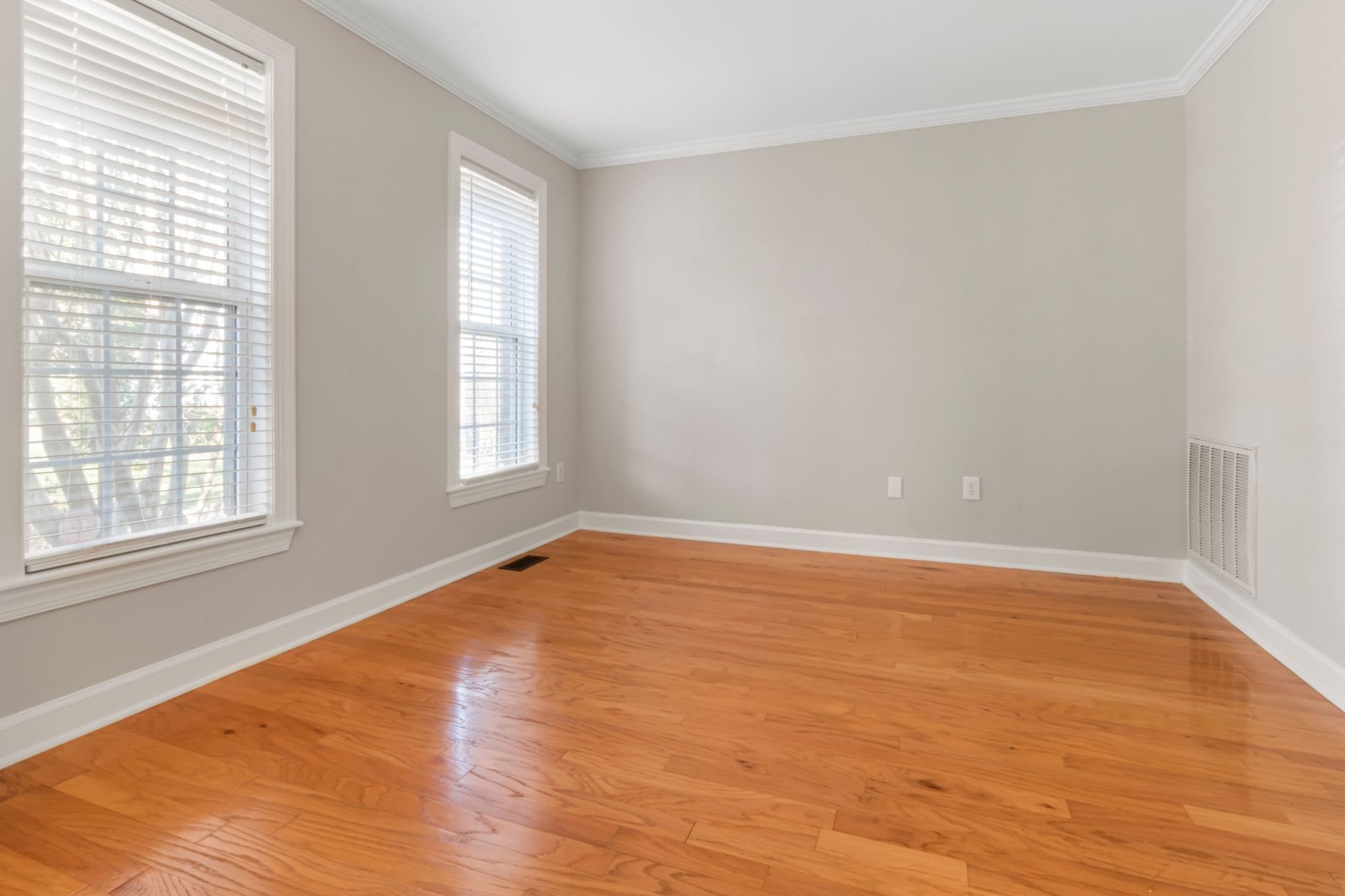
Chair rail or picture rail: one line of molding, two different jobs
A chair rail earns its place in dining rooms, hallways where backpacks drag the wall, and any room that wants a darker color or wallpaper below and a lighter one above. It is the cheapest way to give a builder-grade wall in Lehi or Saratoga Springs a horizontal line. If you want the wall below that line to look built — battens, boxes, or panels — that’s a wainscoting and board-and-batten job, and the chair rail becomes its cap.
A picture rail solves a different problem. It runs 12 to 20 inches below the ceiling, or lands on the door head casing, and its rolled top edge takes picture hooks so frames hang from cord without a nail in the plaster. It belongs in pre-war homes around downtown Provo, the Avenues, and Sugar House where it was probably original, and in rentals and offices where art gets rehung constantly. It is not a stand-in for crown molding; crown closes the wall-to-ceiling joint, a picture rail sits below it and carries weight.
Height, profile, and the three places a rail has to resolve
The number people search for is 32 inches. The honest answer is 30 to 36, set against the room: a chair rail should clear your chair backs by an inch or two, sit below the window stool, and divide an 8-foot wall closer to one-third than one-half, because a rail at dead center flattens the room. We laser the line around the room before cutting; a level rail over an unlevel floor shows the difference at the baseboard.
Profile is the second decision. Chair rail stock is typically 2 to 3 inches tall with a flat back and a bullnose or ogee face; where it is thicker than the casing it meets, we return it to the wall with a small mitered end rather than butting it into the casing edge. Picture rail is its own profile — a rolled top a hook can seat on — and we spec it from a millwork supplier rather than improvising it.
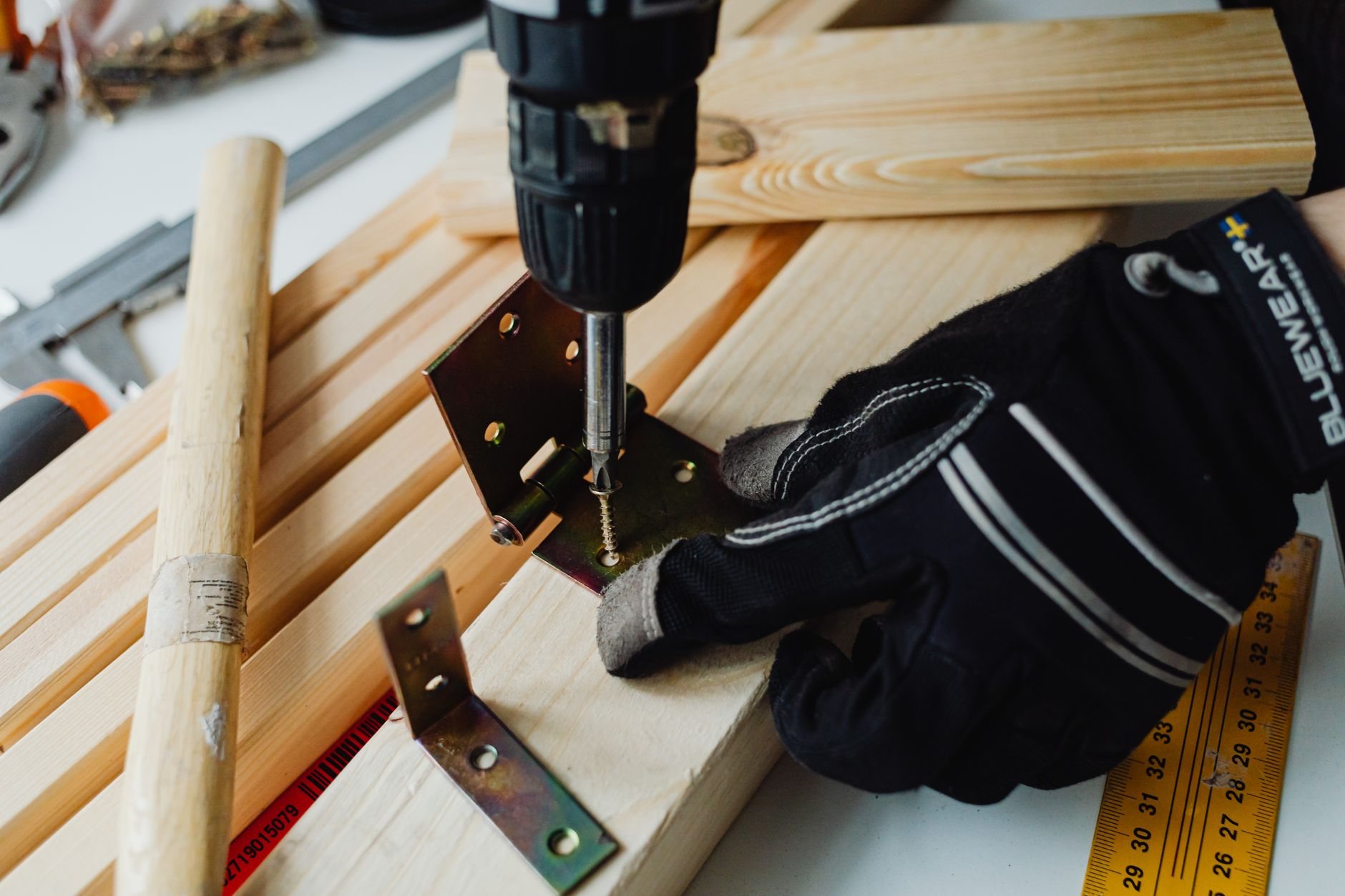
- Measure and mark. Laser line at the chosen height, studs marked, every window stool, outlet, and thermostat checked against the line so the rail collides with none of them.
- Material. Paint-grade MDF or finger-jointed pine for painted rails; poplar, oak, or alder when stained. Stain-grade stock sits in the room for several days first, because a 16-foot run of hardwood cut in a swamp-cooled July will open at the joints in a furnace-dried January along the Wasatch Front.
- Install. Inside corners coped, outside corners mitered and glued, scarf joints on long walls cut over a stud, 18-gauge brads into framing. A picture rail that will carry mirrors or framed glass gets trim screws into the studs, not brads alone.
- Stairs and openings. On a stair wall the rail follows the pitch and eases to level at each landing, usually alongside new stair trim and skirtboards. At openings it returns cleanly or dies into the window and door trim at a matched height.
- Finish handoff. Brads filled, both edges caulked, then primed and painted by interior painting or prepped for your painter. Good work should not require detective work.
Two Utah details matter more for rails than for most trim. Most homes here built since the 1990s have orange-peel or knockdown texture, and a thin horizontal molding sits on the peaks of it, leaving a shadow gap underneath; we caulk it under a painted rail or skim the band behind a stained one. And a picture rail is not seismic anchorage. In a valley along the Wasatch fault, a heavy mirror over a bed gets screwed into framing, not hung from a hook and cord — we’ll say so on the walk-through, not after.
What does chair rail installation cost in Utah?
As a planning ballpark, not a quote: paint-grade chair rail installed in Utah County typically runs $4–$10 per linear foot, and picture rail $5–$12 because the profile costs more and sits higher. A 12-by-14 dining room is usually a one-day job once material is on site. Stain-grade hardwood roughly doubles the material line; painting is priced separately.
What moves the number is terminations, not footage. A plain wall with two corners is fast; a room with four doorways and a bay window has a return or cope every few feet. Stair walls add ladder time. You’ll get a budget range at consultation, then an estimate and a fixed proposal before anything is cut; our B100 license is verifiable at dopl.utah.gov. It’s a small job and we price it like one — it often rides along with a baseboard and casing upgrade or the finish stage of a larger renovation.

Questions we actually get
How high should a chair rail be?
Thirty to 36 inches off the floor, with 32 the common default for an 8-foot ceiling. We set it to your chairs and windows: just above the chair backs, below the window stool, and a bit higher under 9- or 10-foot ceilings.
How much weight can a picture rail hold?
A picture rail screwed into studs with proper hooks comfortably carries ordinary framed art and small mirrors. It isn’t the right hanger for a heavy mirror or anything you’d worry about in a seismic event; those get screwed into framing. We fasten picture rail with screws rather than brads alone for exactly this reason.
Can the rail go over textured walls?
Yes. On orange-peel or knockdown texture a painted chair rail is caulked top and bottom and the gap disappears under paint. For a stained rail, or a wall with strong side light, we skim a smooth band behind the rail first. Both are priced up front.
What makes a chair rail job cost more than expected?
The number of places the rail has to stop and start. Doorways, archways, bay windows, and stair pitch changes each need a return, cope, or miter, so a room with many openings costs more per foot than a plain wall. Removing an old rail and patching behind it is the other common add.
Rails are the smallest job in our trim and millwork family. Send us the room and we’ll give you a straight read.
Tell us what you’re working on
We reply within a couple of hours during business hours — a day at most. You’ll get a straight read on scope, sequence, and budget before anyone commits to anything.