
Doorbell & Intercom Systems
A doorbell and intercom system is the wired entry hardware that lets you see and talk to whoever is at the door or gate before it opens — a hardwired video doorbell on a correctly sized transformer, a gate intercom on a trenched line, or a multifamily entry station with a tenant directory. Grandview holds the contract under our B100 general contractor license and manages licensed low-voltage installers across Utah County and Salt Lake County, so the wiring behind the device is as sound as the device.

When a doorbell or intercom is the job, and when a sibling page fits better
This page is for the conversation at the threshold: a battery doorbell replaced with a hardwired video unit, a chime and transformer added where none exists, a video intercom at a driveway gate, a dead 1970s room-to-room intercom retired, or an entry station specified for a fourplex.
If the goal is recording what happened around the property, that is security camera and CCTV installation. If the door needs to lock, unlock, and report on a schedule, start with alarm and access control, or commercial access control for badge-credentialed buildings. An intercom that also fires an electric strike sits between those pages, and we scope it as one system. The Cat6 backbone a PoE doorbell rides on belongs to structured wiring; the entry devices are what this page covers.
What a hardwired doorbell install actually involves
Most video doorbells that fail in Utah homes fail at the transformer, not the camera. A 1990s bell transformer is typically 16 volts at 10 VA; a current video doorbell wants 16–24 volts and 20–30 VA, and a unit starved of power reboots, drops video, or stops charging in January. The first task is finding that transformer, usually on the furnace cabinet, and replacing it when it falls short.
The second task is the chime: mechanical chimes need an inline power module so the doorbell can draw continuous current without buzzing the striker, and we confirm that before parts are ordered.
Where no bell wire exists, the installer pulls 18/2 bell wire or, better, Cat6 so the doorbell runs on PoE and never depends on Wi-Fi reaching the porch. On a south- or west-facing entry we specify a mounting wedge and a device rated for the UV load that Wasatch Front elevation delivers — a doorbell baked at 4,500 feet in July ages faster than its spec sheet suggests.

Gate intercoms, room-to-room units, and multifamily entry stations
A driveway gate intercom is mostly a trenching job wearing a speaker. The call station needs power, a communication path, and a dry-contact output to the gate operator, all in buried conduit below the frost line — along the Wasatch Front, plan on roughly 30 inches of cover and a sleeve under any driveway crossing. Freeze–thaw cycling heaves shallow conduit, and surge protection at both ends is not optional on a line that leaves the building.
Room-to-room intercoms from the 1960s through the 1980s used a proprietary master station and dedicated speaker wire to every room. When the master dies there is rarely a direct replacement, so the choice is an IP intercom reusing the wall boxes, or removing the stations and patching drywall — decided before demolition, not after.
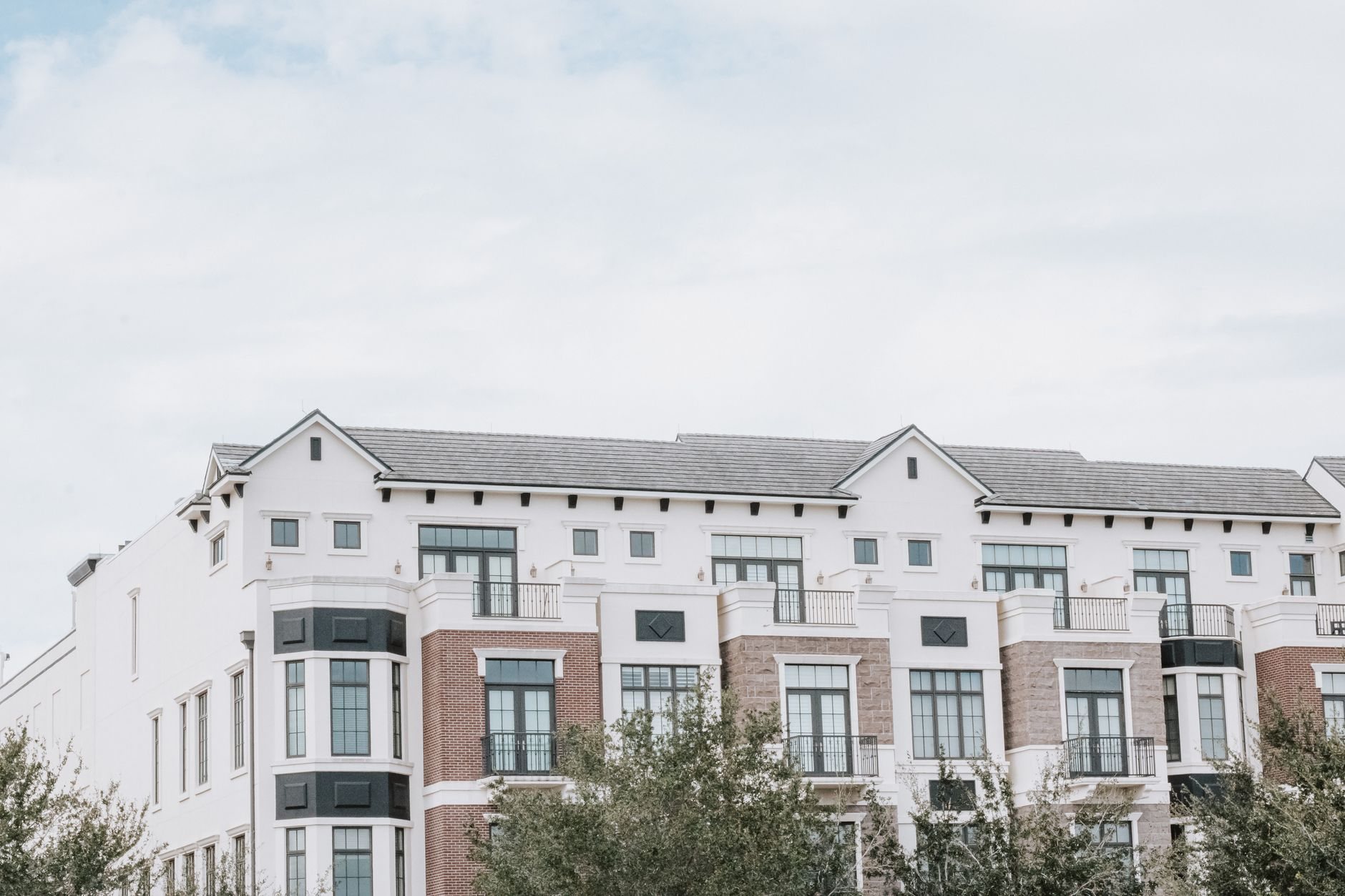
For a fourplex, townhome cluster, or small commercial lobby, the entry station is a video intercom with a tenant directory, a door-release output to the electric strike, and either a wired panel in each unit or app-based calling over cellular. In common-use buildings the station is mounted so its operable parts sit within the reach range the ADA sets for accessible entries; we verify the exact height against current Utah-adopted code before rough-in. HOA-governed developments in Lehi, Saratoga Springs, and Eagle Mountain often require architectural approval for visible exterior hardware, so that review goes on the schedule early.
How we sequence an entry system
- Survey. Identify the transformer, chime, and existing wiring; check porch Wi-Fi signal; pick Wi-Fi, PoE, or cellular for each station.
- Specify. One written scope: devices, transformer rating, cable type, conduit route, door-release integration, and who owns the app or subscription afterward.
- Rough-in. The licensed low-voltage installer pulls cable while walls, soffits, or trenches are open — never fished after the drywall is painted.
- Commission. Devices mounted, release outputs tested against the strike or gate operator, and every account handed over on your credentials, not ours.
This is the same discipline as every scope under our MEP and systems coordination page. Our license is verifiable at dopl.utah.gov, and so is the installer’s. We see dependencies before they become delays.
What does doorbell and intercom installation cost in Utah?
As ballpark planning numbers, not quotes: a hardwired video doorbell with a new transformer and chime module typically runs a few hundred dollars in labor on top of the device. A single-gate video intercom with trenched conduit, surge protection, and operator integration commonly lands between $2,000 and $6,000 depending on trench length. Multifamily entry stations scale with unit count and are priced as a proposal after a site visit.
What moves the number: distance to the nearest power and network point, a trench through concrete, an electric strike cut into an existing frame, and who supplies the device. Drywall or stucco repair around a relocated station is scoped in the same proposal.
Questions we actually get
Can my existing doorbell wire power a video doorbell?
Often the wire is fine and the transformer is not. Two-conductor bell wire carries a video doorbell; the 10 VA transformer behind it usually can’t. We test voltage under load at the button, swap the transformer if it sags, and add a chime module so the unit charges steadily through a Utah winter.
Wi-Fi or PoE for a video doorbell?
PoE wherever the wall is open or a Cat6 path exists: one cable powers the unit and carries video, with no reliance on porch Wi-Fi through brick or stucco. Wi-Fi models are right on a finished entry with good signal and existing bell wire, which is why we check signal at the door first.
What does a gate intercom need that a front-door unit doesn’t?
A buried conduit path, surge protection at both ends, a dry-contact tie-in to the gate operator, and a station rated for weather and vandal resistance. If the gate is far from the building, a cellular intercom avoids the long data run, and only power is trenched.
Can the intercom open the door?
Yes, with an electric strike or maglock on that door and a release output from the station. On a residence that is a small addition to this scope. On a commercial or multifamily entry the hardware also has to meet egress rules, so we coordinate it with the access-control scope.
Tell us what you’re working on
We reply within a couple of hours during business hours — a day at most. You’ll get a straight read on scope, sequence, and budget before anyone commits to anything. Entry systems are usually one line inside a larger renovation or build-out; tell us the whole project.