
Med-Gas & Specialty MEP Coordination
Medical gas installation is the piped oxygen, medical air, vacuum, and nitrous oxide system that runs from a source room to the outlets at each chair, exam bay, or operating table. Grandview Contractors holds the build-out contract under a Utah DOPL B100 license and manages the licensed, ASSE-certified installers who braze, test, and verify the system, so the gas work lands in the right wall in the right week.
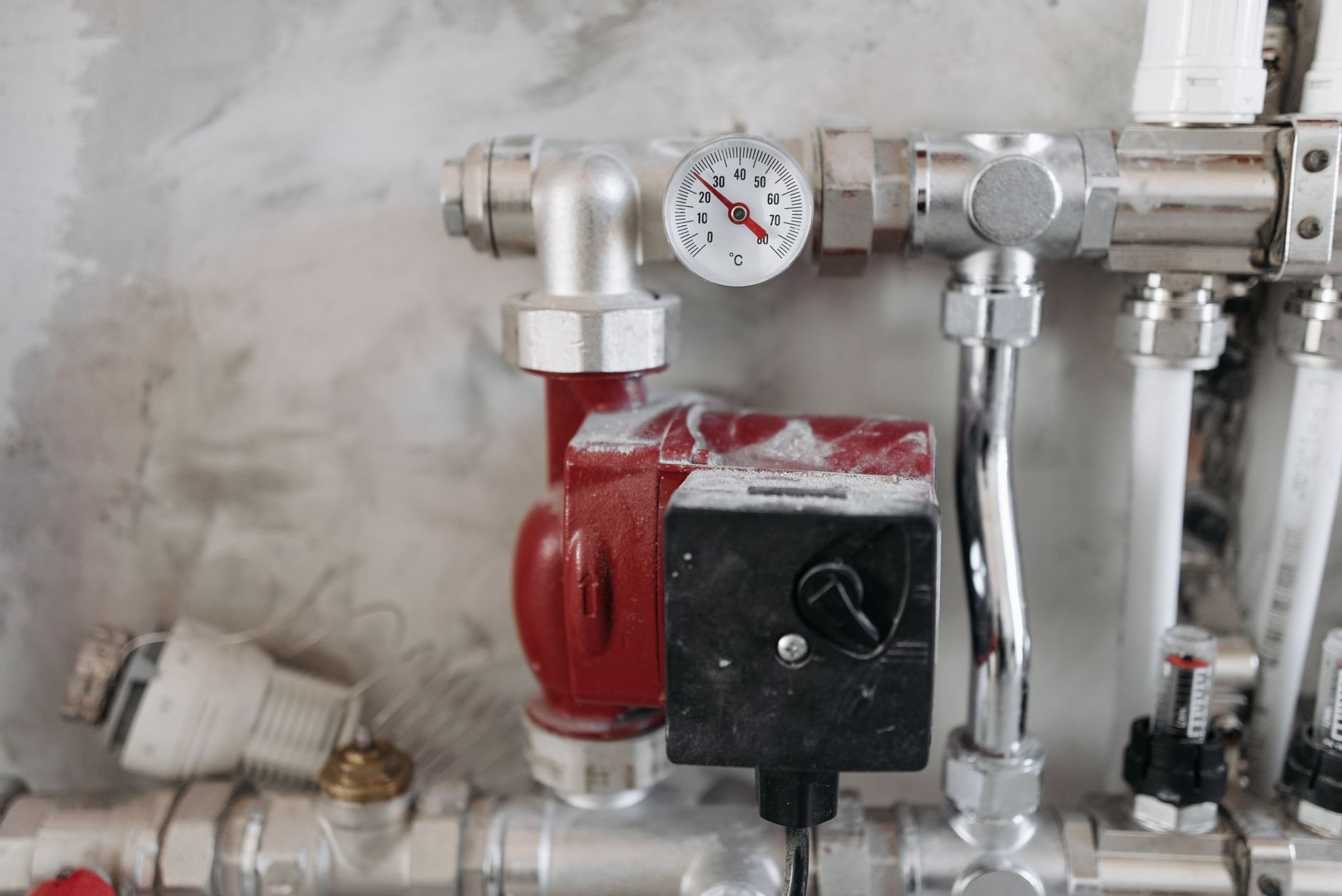
When this page is the one you need
This page is for the system itself, not the room around it. Building a whole clinic? Start with our medical and dental build-out page and the type that matches your practice. A surgery center carries the heaviest med-gas scope — oxygen, medical air, vacuum, and waste anesthetic gas disposal at every OR and recovery bay. A dental office usually needs nitrous and oxygen at each operatory plus central vacuum and compressed air. An imaging suite may need only oxygen and suction in a procedure room.
Come here when the gas piping is the question: adding outlets to an existing practice, replacing a source manifold, or moving a nitrous system during a remodel. One distinction trips people up — natural gas for a sterilizer boiler is fuel gas, a different code, installer, and page: gas line installation. Everything here sits inside our wider renovation and build-out practice.
What a medical gas installation actually involves
Medical gas is a plumbing trade with its own rulebook. The governing standard is NFPA 99, referenced by the current Utah-adopted plumbing code for healthcare occupancies, and it sorts facilities into risk categories. A surgery center where a gas failure could cause major injury is Category 1: duplexed source equipment, zone valves, area alarms, and a master alarm. A dental operatory with nitrous and oxygen is typically Category 3. We settle the category with your architect and the city before anyone orders pipe.
The pipe is medical-grade copper, cleaned and capped for oxygen service at the mill and kept capped until the joint is made. Joints are brazed, not soldered, with a continuous nitrogen purge inside the line so no oxide scale forms where it could later shed into a patient’s oxygen. Copper-to-copper joints use no flux. Every outlet is gas-specific and keyed so an oxygen hose can’t connect to a vacuum port. Vacuum and waste anesthetic gas disposal lines run back to a pump that exhausts outdoors, away from air intakes.
Grandview holds the contract and manages licensed Utah plumbing contractors whose installers carry ASSE 6010 medical gas installer certification. We coordinate, sequence, and quality-check their work inside your project. After installation, an independent ASSE 6020 verifier — never the installer — pressure-tests, purges, and cross-connection-tests the system and certifies each outlet delivers the labeled gas at the labeled pressure. That report is what your inspector and your anesthesia provider will ask for.
Where med-gas lands in the build-out schedule
- Outlet map first. Your chair, table, or boom vendor publishes exactly where each outlet goes — height, side, spacing. We lock those drawings before framing, because an outlet moved after drywall is a brazed, purged, re-verified change, not a patch.
- Source room and pathways. Manifolds, vacuum pumps, and medical air compressors need a dedicated, ventilated room with power and drainage. Along the Wasatch Front that equipment gets seismic anchorage detailed and inspected — near the Wasatch fault, plans reviewers look for it on anything tall or heavy.
- Rough-in with the other trades. Med-gas copper shares walls with electrical, data, and domestic plumbing. We sequence it so no other trade hangs anything from the gas lines — our MEP coordination practice exists for this.
- Initial tests, then close-up. The installer’s pressure and blow-down tests happen with walls open, inspector present where the city requires it. Only then does drywall close.
- Verification and sign-off. The third-party verifier tests the finished system after outlets and alarms are set. We schedule that report ahead of the building final so the certificate of occupancy isn’t waiting on it.
What drives medical gas cost in Utah
Installers price med-gas largely per outlet, with source equipment and alarm panels as separate line items, so the biggest movers are outlet count, how many gases you pipe, and the NFPA 99 category. A six-operatory dental office with nitrous and oxygen is a very different number from a four-OR surgery center with duplexed vacuum, medical air, and WAGD. Beyond that:
- Routing distance from the source room to the farthest outlet, and whether the path crosses rated corridors or finished space.
- Source equipment sizing. Medical air compressors and vacuum pumps lose capacity with altitude, and Utah County and Salt Lake County clinics sit around 4,300 to 4,700 feet. A unit sized from a sea-level chart runs short here, so sizing for elevation is part of the design, not an upsell.
- Alarm count. Each zone valve box and area alarm adds hardware, low-voltage wiring, and verification time.
- Verification scope. A full Category 1 verification is a multi-day event; a dental Category 3 check is far shorter.
You get a budget range for the whole build-out, gas included, at feasibility; the firm number comes once the installer has priced stamped drawings.

Questions we actually get
Can our regular plumber install medical gas?
Only with a current ASSE 6010 medical gas installer certification, working under a licensed Utah plumbing contractor. Inspectors ask for the card. We bring in installers who carry it, and a separate ASSE 6020 verifier tests their work. Any contractor’s Utah license, including ours, is verifiable at dopl.utah.gov.
Does a dental office with nitrous oxide need the full surgery-center system?
No. Dental nitrous and oxygen typically fall into a lower NFPA 99 category than a surgical suite, so duplexed source equipment and a master alarm aren’t required. You still need medical-grade brazed copper, gas-specific outlets, scavenging for exhaled nitrous, and third-party verification before the city signs off.
Can you add outlets to a practice that stays open?
Yes, with a planned shutdown. The installer isolates the zone at its valve box, braze-in happens after hours or on a closed day, and the zone is re-verified before patients return. We book the verifier in advance so the practice isn’t down waiting on a report.
What holds up a medical gas installation most often?
Late outlet locations. If chair or boom drawings arrive after framing, outlets move after rough-in, and every move means re-brazing, re-purging, and re-verifying. The second culprit is a verifier scheduled too late — that report has to land before the building final, not after.
Tell us what you’re working on
We reply within a couple of hours during business hours — a day at most. You’ll get a straight read on gas scope, category, and sequence before anyone commits to anything.