
Hardwood screen & recoat in Utah County
A screen and recoat lightly abrades the existing finish on a hardwood floor and lays down a fresh topcoat, without sanding to bare wood. It’s the right call for floors that look tired but aren’t damaged, and Grandview Contractors performs it across Utah County and Salt Lake County under a Utah DOPL B100 general contractor license.
When a recoat beats a full refinish
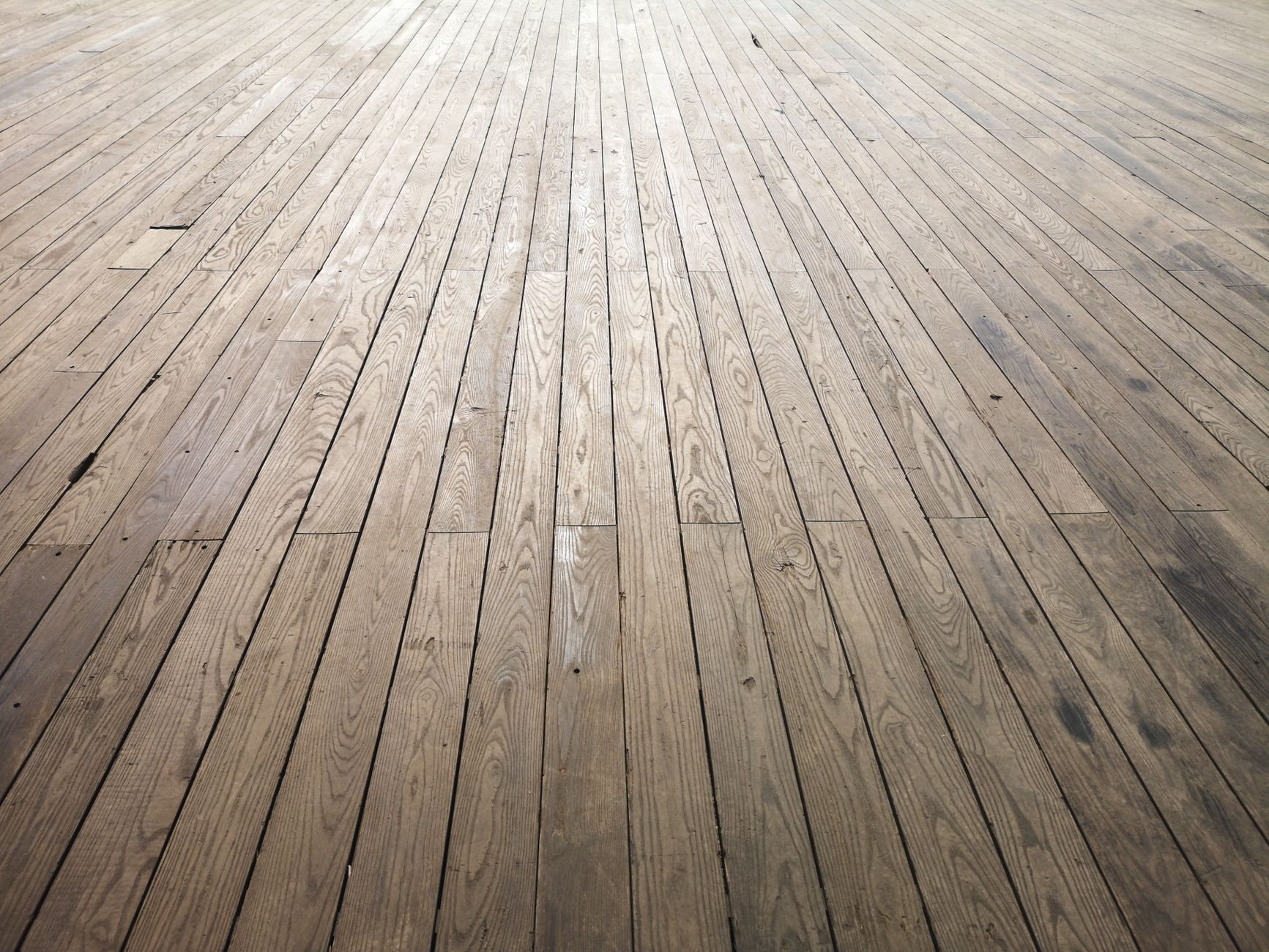
The question is where the damage lives: in the finish or in the wood. Dull sheen, fine traffic scratches, a cloudy patch under the dining table: that’s finish wear, and a recoat handles it. Gray boards, deep gouges, cupping, soaked-in pet stains, or a wish for a different color: that’s wood, and it needs full sanding and refinishing.
The simplest field test is a drop of water. If it beads on the worn area, the finish is intact and a recoat will bond. If it soaks in and darkens the wood, the wear has gone through, and a recoat would seal that spot under clear plastic for a decade.
Timing matters. A floor recoated every three to five years may never need a full sand; wait until bare wood shows and the inexpensive option is gone. The National Wood Flooring Association treats maintenance coats the same way: a scheduled wear layer, not a repair. Site-finished solid or engineered hardwood is the ideal candidate. Factory-finished floors can be recoated too, but only with a specific bonding system; our prefinished vs site-finished page covers why.
What a screen and recoat involves
- Contamination check. We test a hidden area for wax, silicone polish, or oil-soap residue first. Those films are the number-one reason recoats fail: the new finish crawls, fisheyes, or peels in sheets. Heavy polish buildup means a dedicated cleaner and a second adhesion test.
- Clean and dry. Neutral-pH hardwood cleaner, never vinegar, then a full dry. Grit left behind becomes a scratch under the first pass.
- Screen. A buffer with a maroon pad and an abrasive screen, typically 120 to 180 grit, scuffs the old finish to a uniform dull haze. Edges, corners, and under toe-kicks get the same scratch pattern by hand pad. We’re not cutting into wood: chasing a deep scratch burns through and leaves a bare spot that won’t match.
- Bonding step for factory finishes. Aluminum-oxide prefinished floors resist abrasion by design, so screening alone isn’t enough. We use the finish manufacturer’s bonding agent or a chemical-etch system rated for that coating, and test a corner before committing the room.
- Vacuum and tack. HEPA vacuum, then a tack-cloth pass. Dust under a recoat shows forever.
- Coat. One or two coats of waterborne polyurethane, matched to the existing sheen so rooms don’t read differently. Oil-modified poly remains an option on older amber floors, with longer dry times and more odor.
What Utah’s dry air and bright sun mean for a recoat
Winter indoor humidity along the Wasatch Front often drops into the teens, and waterborne finishes flash fast in that air. Applied too thin or too slowly, the coat shows lap lines where one pass dried before the next met it. We keep a wet edge and schedule each room as one continuous coating session. That same dry winter opens seasonal gaps between boards; finish flooded into those joints bridges them, then cracks into white lines when the boards swell in July. We don’t fill open gaps with finish, and on a widely gapped floor we’ll suggest a more neutral season.
Utah’s elevation also means intense UV. A floor that has lightened in front of south-facing windows, or kept a darker rectangle under a rug, won’t be evened out by a clear recoat; that difference is in the wood, and a full refinish is the honest answer.
What a hardwood recoat costs in Utah
As ballpark planning numbers, a screen and recoat in Utah typically runs roughly $1 to $2.50 per square foot, against roughly $3 to $6 or more for a full sand and refinish. Treat those as budgeting ranges, not quotes. Cost moves with contamination (polish removal adds a step and a second visit), factory finishes that need a bonding system, the number of coats, furniture moving, and how cut up the plan is.
Downtime is the other budget. Most recoats finish in a day, take socks the next morning, furniture in 24 to 48 hours, and rugs after a week or two of cure. Inside a larger remodel, we sequence the recoat after interior painting and trim so nobody walks a ladder across a fresh coat; that’s how we run every renovation project.
Questions we actually get
Can a screen and recoat remove scratches?
It removes the fine, shallow scratches that live in the finish layer and make traffic lanes look gray. It won’t remove scratches that have reached the wood, dents, or anything you can catch a fingernail in. Those stay visible under the new coat, so we walk the floor with you first and point out what will and won’t disappear.
Why did my last recoat peel?
Almost always contamination or a skipped bonding step. Wax, silicone-based cleaners, and some oil soaps leave a film that waterborne finish can’t grip, and factory aluminum-oxide finishes need more than a scuff. We test for both before we price the job, and if the floor fails the adhesion test, we’ll tell you the fix is a full sand, not a second recoat.
Can I change the color of my floor with a recoat?
No. A recoat is a clear wear layer over the existing finish, so the color stays what it is. Some tinted topcoats can warm or slightly deepen the tone, but they can’t lighten a floor or hide sun fading. For a real color change, see our hardwood sanding and refinishing page.
How often should a hardwood floor be recoated?
Every three to five years for busy households with kids and dogs, longer for lightly used rooms. The water-bead test is the trigger: when water soaks into the worn paths instead of beading, you’re at the edge of recoat territory.
Related flooring work
A recoat is one maintenance step within our flooring services. Like all our work, it runs under one B100 general contractor license you can verify at dopl.utah.gov.
Tell us what you’re working on
We reply within a couple of hours during business hours, a day at most. You’ll get a straight read on recoat versus refinish before anyone commits to anything.