
Butcher block countertops in Utah County
Butcher block is a solid-wood countertop built from strips of hardwood glued edge-to-edge or end-up, then cut, fitted, and finished in place. Grandview Contractors templates, installs, and finishes butcher block countertops across Utah County and Salt Lake County under a B100 general contractor license, with the acclimation, fastening, and sealing details that keep wood flat in a dry climate.
When butcher block beats quartz, granite, or laminate
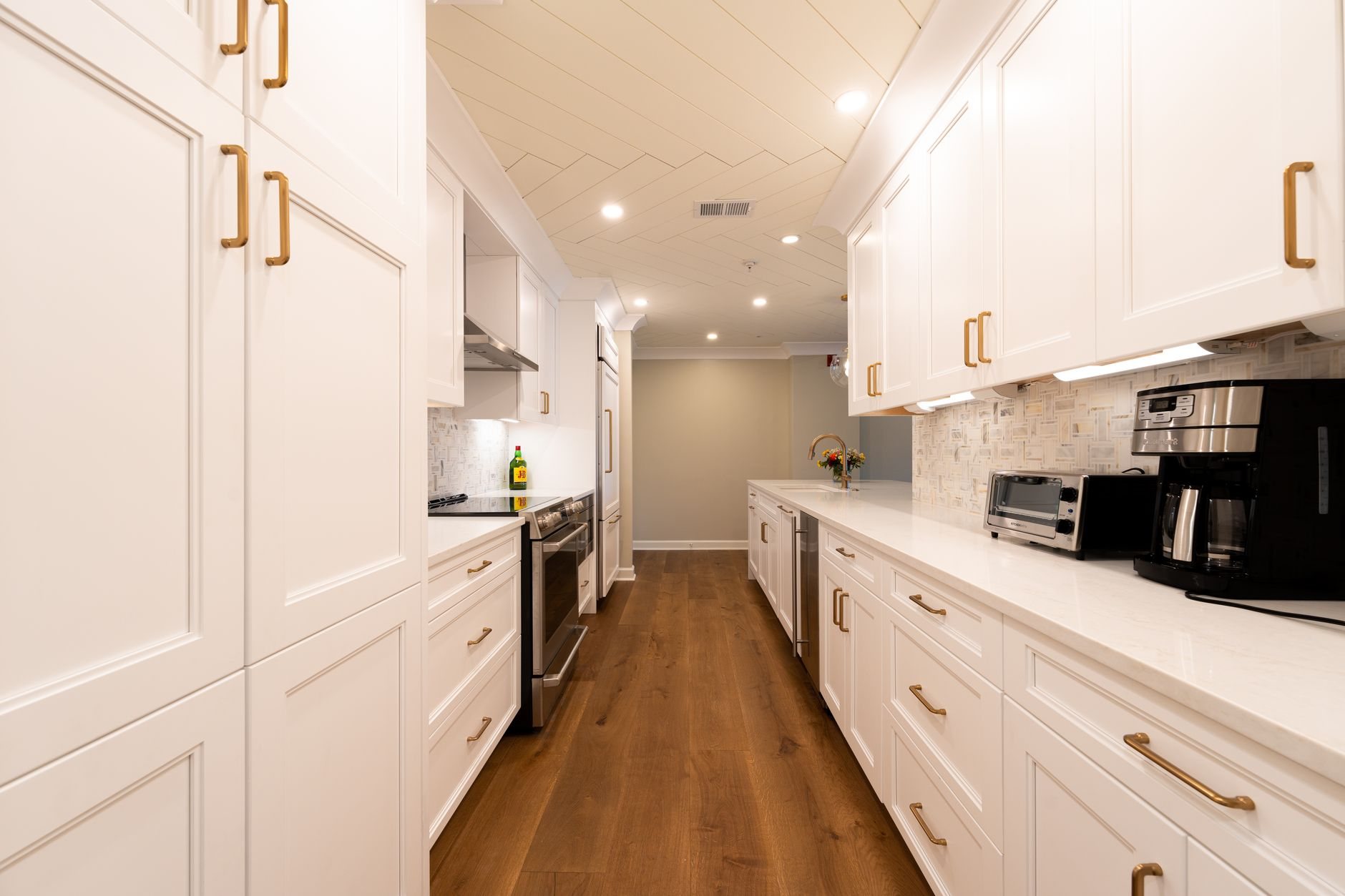
Butcher block is the right countertop when you want a surface you can actually cut on, a warm material in a room full of hard ones, or a top you can repair yourself with sandpaper and oil. It’s the usual pick for islands, prep zones, baking stations, and coffee bars, and the lightest serious countertop we install: a 1-1/2 inch maple top weighs roughly a third of a 3cm granite slab, which matters on a freestanding island.
It’s the wrong call where water sits; wood all the way around a busy sink needs more upkeep than most households give it. The honest alternative is a mixed kitchen: quartz or granite on the sink run, wood on the island. If you want wood’s look without its care, wood-grain laminate is the straight answer; for a repairable surface that tolerates a sink, solid surface is.
Species, grain construction, and finish — the three choices that matter
Grain construction. Edge-grain tops (strips laid on edge, 1-1/2 to 1-3/4 inch thick) are the standard: stable, affordable, easy to sand. End-grain tops (blocks standing on end, 2 inches or more) are the true chopping-block surface — they close up around knife cuts — but cost two to three times more and move more with humidity. Face-grain shows the most figure and is the least stable; we use it for bar tops, not prep surfaces.
Species. Hard maple is the workhorse: tight grain, pale, takes knife work. Walnut is darker and softer with the most dramatic color; white oak reads as a plank floor; birch and beech are the economical pale options. Consider the room’s light before choosing — at Utah’s elevation, UV through a south-facing window darkens maple and lightens walnut noticeably within a year or two.
Finish. Mineral oil and wax is food-safe and lets you cut on the top, but needs regular reapplication. Hardwax oils last longer and still spot-repair. A film finish — tung-oil varnish or waterborne polyurethane — is water-resistant enough for a sink run, but you cut on a board, and repairs mean sanding to bare wood.
Installing wood that will move in a semi-arid climate
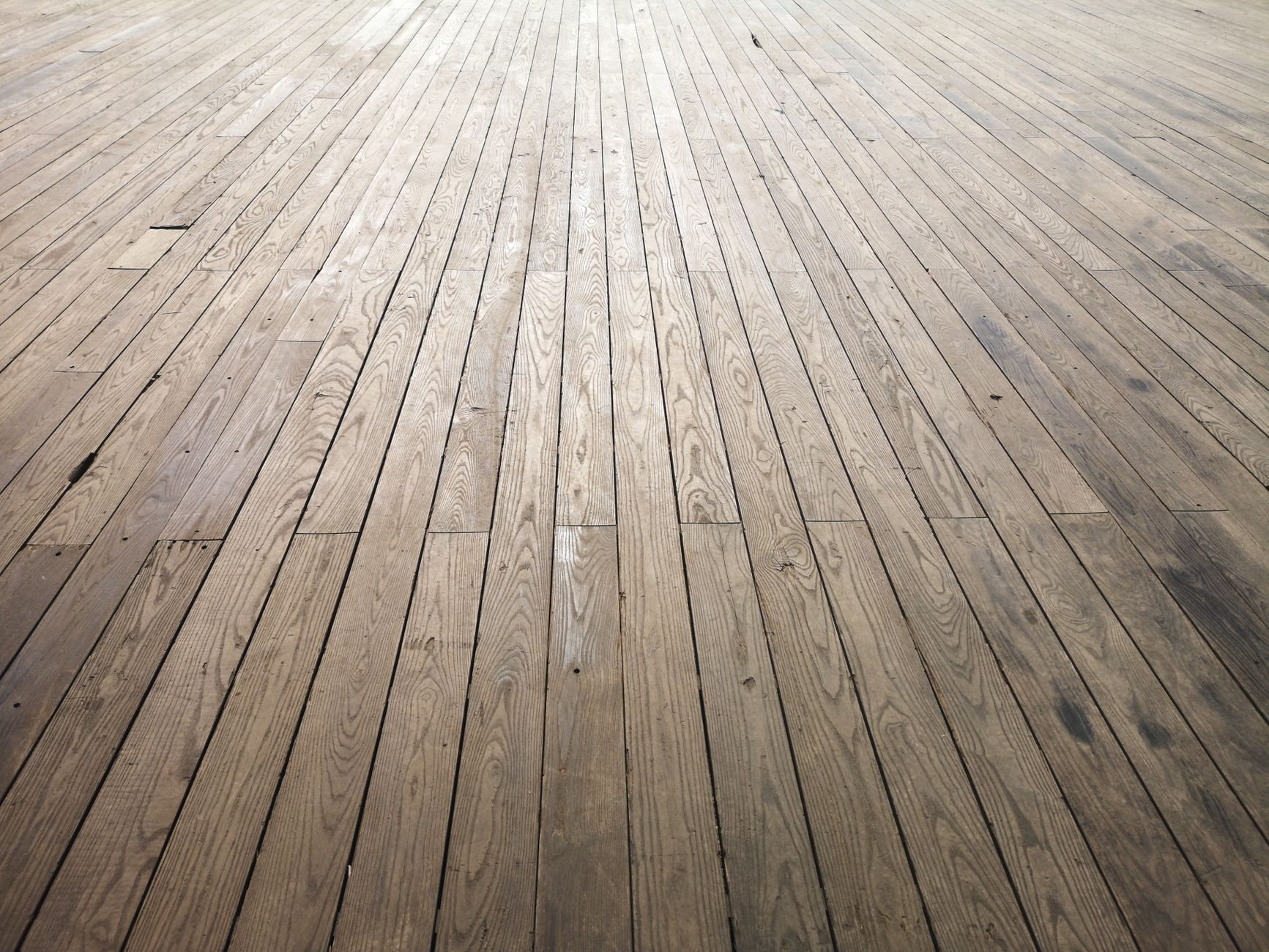
Wood moves across the grain as humidity changes, and the semi-arid Wasatch Front is hard on it: a top glued up at factory humidity dries out fast in a Utah home running forced-air heat in January. The USDA Forest Products Laboratory publishes the shrinkage data; in practice a 36-inch-wide maple island can change width by an eighth of an inch between seasons. Every step below lets that happen without a crack.
- Acclimate. Slabs sit flat in the room, stickered for airflow, for five to seven days before anyone cuts them.
- Template and cut. We template off the set cabinets, land seams on a cabinet partition, and join long runs with glued, doweled joints so they stay flush.
- Seal every face. Finish goes on the top, underside, edges, and inside every cutout before the top is set — an unsealed underside is the most common cause of cupping.
- Fasten for movement. Tops are screwed up through the cabinet stretchers with slotted brackets or oversized holes, never glued or siliconed down, so the wood can slide across its width.
- Cut-outs and connections. Sink cutouts are sealed on the raw edge and gasketed. The licensed plumbers we coordinate reconnect the sink and faucet, and you get a written care schedule for the finish you chose.
What butcher block countertops cost in Utah
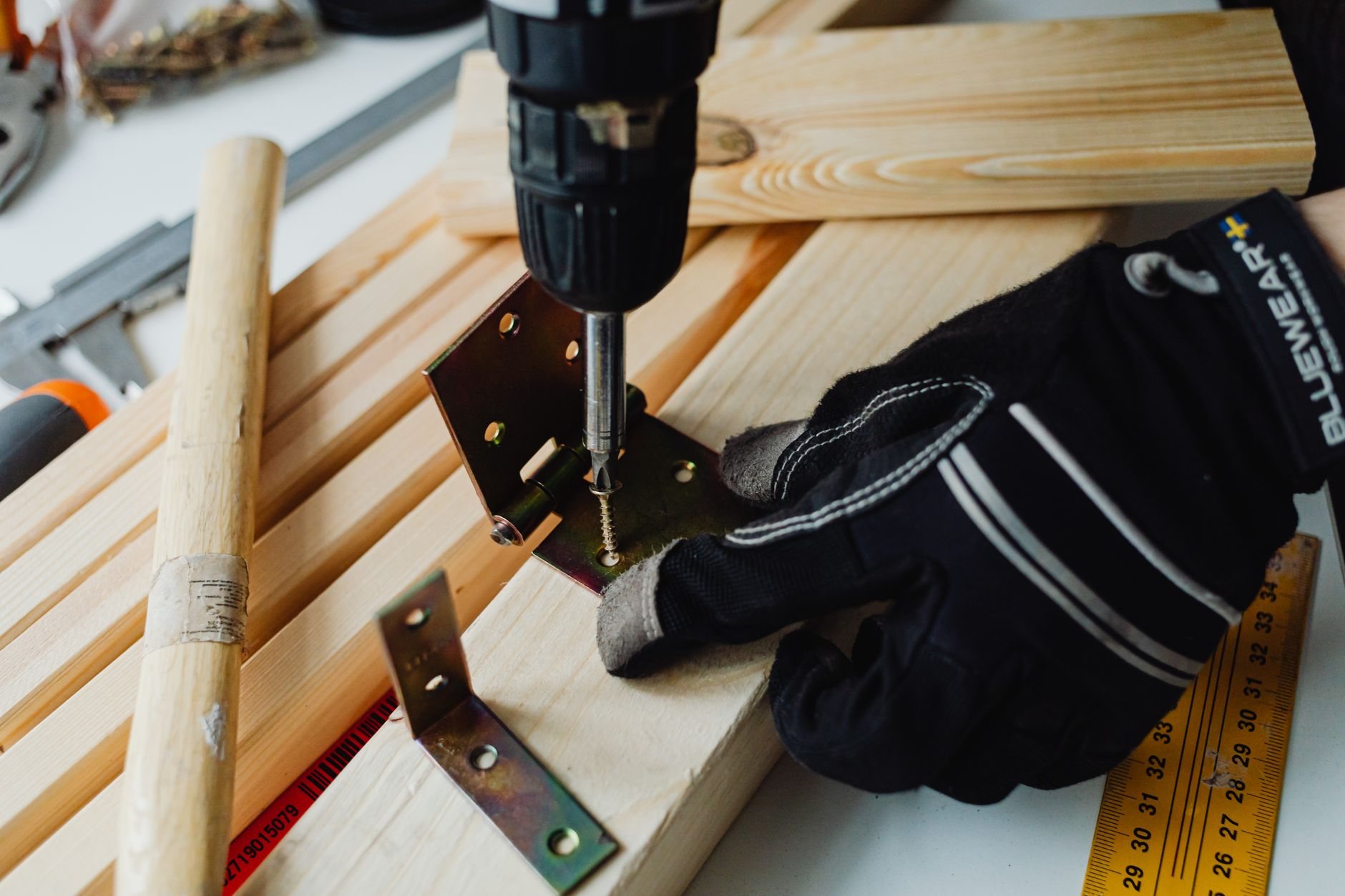
As ballpark planning numbers, installed butcher block in Utah County usually lands between $50 and $150 per square foot — the low end for edge-grain birch or maple in straight runs, the high end for thick walnut or end-grain. Species is the biggest lever, then grain construction, then thickness. Waterfall legs, bar overhangs past 10 inches (which need steel brackets or corbels), and multi-coat film finishes all add. An island top is a two-to-three-day job once the slab has acclimated.
Two local costs to plan for. Our hard water leaves mineral rings on oiled wood around a faucet quickly, so a film finish or a stone sink run is often money well spent. And a wood top beside a slide-in range has to respect the manufacturer’s side-clearance spec for combustible surfaces — sometimes that means a strip of stone or steel at the range, scoped up front. All of it runs under one B100 license you can check at dopl.utah.gov.
Butcher block is usually one piece of a larger cabinetry and countertop project. If you’re adding the island it sits on, see kitchen island additions; for how any slab gets measured and cut, read about templating and fabrication; everything else we remodel lives under renovation and build-outs.
Questions we actually get
Will butcher block crack or warp in Utah’s dry climate?
Not if it’s installed for movement. Cracks come from tops that were glued down, fastened through tight holes, or left unsealed underneath so one face dries faster than the other. Acclimating, sealing all six faces, and slotted fastening let the wood shrink in winter and swell in summer without stress.
Can I put a sink in a butcher block countertop?
Yes, with conditions. A drop-in sink with a sealed, gasketed cutout and a film finish holds up well. An undermount exposes end grain to standing water and needs a disciplined wipe-down habit. Many clients put stone on the sink run and wood on the island instead.
How often do I have to oil or reseal it?
Mineral oil tops want oil weekly for the first month, then every one to three months, or whenever water stops beading. Hardwax oils stretch that to roughly once a year. A film finish needs nothing routine, but a deep gouge means sanding and recoating that area.
Can butcher block go next to the range?
Usually. The range manufacturer’s installation sheet sets the side clearance to combustible surfaces, and some slide-in models want more than a wood edge allows. We check that spec before templating; where it’s tight, a narrow stone or stainless strip at the range solves it.
Tell us what you’re working on
We reply within a couple of hours during business hours — a day at most. You’ll get a straight read on scope, sequence, and budget before anyone commits to anything.